

Lesson 1446: The Difference Between Health Anxiety and Somatic Symptom Disorders

Duration:70 minutes
Topic Introduction:The course title and introduction are designed to gently guide you through the distinction between "health anxiety and somatic symptom disorder." It helps differentiate between health anxiety, primarily based on fear of illness, and somatic symptom distress, primarily based on physical discomfort, reducing misunderstandings and preventing misdirected efforts. This content is for psychological education and self-care reference only and cannot replace medical diagnosis, psychotherapy, or emergency treatment. The important thing is to remain calm and composed.
○ Course Topic Audio
Lesson 1446: The Difference Between Health Anxiety and Somatic Symptom Disorders
Click to view the read-aloud text
Please sit still and give yourself a moment to quiet down. Today we'll learn about the difference between health anxiety and somatic symptom disorder. Health anxiety and somatic symptom disorder are easily confused. The former emphasizes the worry of "Do I have a serious illness?", while the latter often focuses on the discomfort of the body itself. This lesson will help learners distinguish between the two, reduce misunderstandings, and avoid focusing all their efforts in the same direction. If you experience tension, chest tightness, or an urge to search or confirm things while listening, pause for a few seconds, touch the table, chair, or the hem of your clothing, and remind yourself: I am learning, not being judged. Don't push yourself too hard while learning. You can focus on understanding one concept at a time, noting one trigger point, or trying delayed confirmation only once. If you experience physical discomfort, please follow your doctor's advice first; if it's just increased anxiety, slow your breathing and give your body some time to confirm safety. Finally, write down the most impactful point of today's lesson, and then write down a small, specific action you can try today. If you experience obvious physical danger signals, suicidal thoughts, or a sudden worsening of your condition, please contact a doctor, emergency room, or someone you trust immediately. You can silently remind yourself: observe first, then act; calm down first, then judge. Every time you're willing to stop, you're paving the way for new feelings of security. Don't rush to convince your fears; simply bring your attention back to a small, actionable step. Allow yourself to gently and professionally relearn how to interact with your body. When you're willing to reduce the need for constant confirmation, you're giving your life more space. Take it slow; stability is more important than perfection. Take it slow, calm down first. Take it slow, calm down first. Take it slow, calm down first. Take it slow, calm down first. Take it slow, calm down first. Take it slow, calm down first. Take it slow, calm down first. Take it slow, calm down first. Take it slow, calm down first. Take it slow, calm down first. Take it slow, calm down first. Take it slow, calm down first. Take it slow, calm down first. Take it slow, calm down first. Take it slow, calm down first. Take it slow, calm down first. Take it slow, calm down first. Take it slow, calm down first.

AI Healing Q&A
Health anxiety often centers on the fear of illness, while somatic symptom disorder emphasizes physical discomfort and functional limitations; the two may overlap. You can tell the AI your main concern: is it a recurring fear of serious illness, or are the symptoms themselves dominating your life? The AI will help you differentiate the intervention priorities, such as reducing online searches, adjusting interpretations, restoring activity, or regular medical visits. Regardless of the type, it's not being overly sensitive, but rather a need for support.
○ Music therapy guidance
Health anxiety tends to focus on the fear of illness, while somatic symptom disorder emphasizes physical discomfort. During music practice, observe whether you are being led astray by thoughts of illness or trapped by bodily sensations. Choose gentle music to shift your attention from repeated confirmations back to your breath and the present moment. Music won't categorize or diagnose you, but it can help you see whether your immediate need is to reduce searching for information, seek medical attention regularly, or resume activity.
○Eastern and Western Healing Teas
○ Eastern Healing Tea - Lotus Leaf and Chrysanthemum Tea: This tea combines the cooling properties of lotus leaves with the calming and eye-brightening effects of chrysanthemum. Lotus leaves are known for their heat-clearing and dampness-removing properties, while chrysanthemum can soothe eye fatigue and head tension. It is suitable as a light tea choice when the weather is hot and humid, you are under a lot of stress, feel heavy, or are emotionally unstable. Instructions: Place a few lotus leaves and a few chrysanthemum flowers in hot water and steep for 5-7 minutes. Drink once a day, ideally in the afternoon or when feeling heavy. When using this tea in conjunction with the course "The Difference Between Health Anxiety and Somatic Symptom Disorders," you can use the process of brewing, waiting, and slowly sipping the tea as a small exercise to pause your search and repeatedly confirm your findings. Gentle Reminder: This tea recipe is for reference only in the course regarding daily dietary and emotional well-being and should not replace a doctor's diagnosis, psychotherapy, medication, or emergency treatment. Pregnant women, breastfeeding mothers, children, those with chronic illnesses, allergies, or those currently taking medication should consult a professional first.
○ Healing Recipes
○ Western Herbal Nutrition: Lemon Verbena Honey Brew
Recommended dishes:Lemon Verbena Honey Brew Recommended reasons:When distinguishing between health anxiety and somatic symptom disorder, a gentle diet can help you separate the "fear of illness" from the "physical discomfort," reducing misunderstandings and overexertion. This diet is based on the principles of gentleness, stability, and low stimulation, helping the body obtain some sustainable support. It cannot replace medical evaluation, nor can it directly treat illness anxiety disorder, but it can be used as part of regular eating, rhythm management, and mind-body observation. Recipe (1–2 servings): practice: Before preparing this dish or drink, please pause and observe the intensity of your current anxieties: are they ordinary health concerns, or have you developed an urge to repeatedly search, self-check, seek confirmation, or avoid the issue? Please do not blame yourself; simply treat these reactions as signals that need to be gently recorded. Before eating or drinking, take three slow breaths and observe your eyes, head, shoulders, neck, chest, stomach, and heartbeat. If you are thinking of searching or repeatedly checking right now, treat this recipe as a pause point before deciding whether you really need to take the next step. Take your first bite slowly. Daytime meals can be combined with sunlight, short breaks, and activity; evening meals should be portion-controlled to avoid overeating, excessive sweetness, or drinking too much water that may affect sleep. Video Title:Lemon Verbena Honey Tea: Supporting the distinction between health anxiety and somatic symptom disorders; observation of health anxiety and gentle dietary practices for stabilizing circadian rhythms in the course. hint:If you are constantly plagued by fear of illness, require frequent checkups or verification, are unable to work or study, experience significant sleep impairment, or show signs of acute physical danger, please contact a doctor, psychologist, or emergency resources in person as soon as possible.Click to view healing recipes
◉ Western Herbal Nutrition: Lemon Verbena Honey Brew
I. Recommended Dietary Therapy and Reasons
2. Recipe and Method
3. Small rituals for body and mind
4. Dietary Therapy Experience Record
V. Instructional Videos (approximately 3–5 minutes)
6. Precautions

○Mandala Healing
When viewing a mandala, you can gently discern whether you are more trapped in the fear of illness or the physical discomfort itself. The center represents the strongest distress at this moment, while the outer circle represents how it affects your life, medical care, and emotions. The pattern is not meant to label you, but to help you see the direction in which you need support. Neither way indicates you are being dramatic; it simply means your mind and body are exhausted and need to be carefully cared for.
● AI Dynamic Geometric Vision Focus and Emotion Regulation Engine ●
AI Dynamic Geometric Vision Focus and Emotion Regulation Engine · v7.0.0
Before we begin, I'd like to know how you feel right now.
There is no standard answer; just choose the one that best reflects how you feel right now.
The experience is over. Tell us how you feel now.
There is still no standard answer; just choose the one that best reflects how you feel right now.
#FF5252
After the fluorescent line crawling is completed and stopped, first select a color, then click on the closed area in the graphic to fill in the color.
AI Digital Mandala Static Focus EngineAZ Image Coloring · 60 Colors
AI Digital Mandala Interactive Focus Engine
A–Z Free Selection · Layered Lines · 60 Color Fills
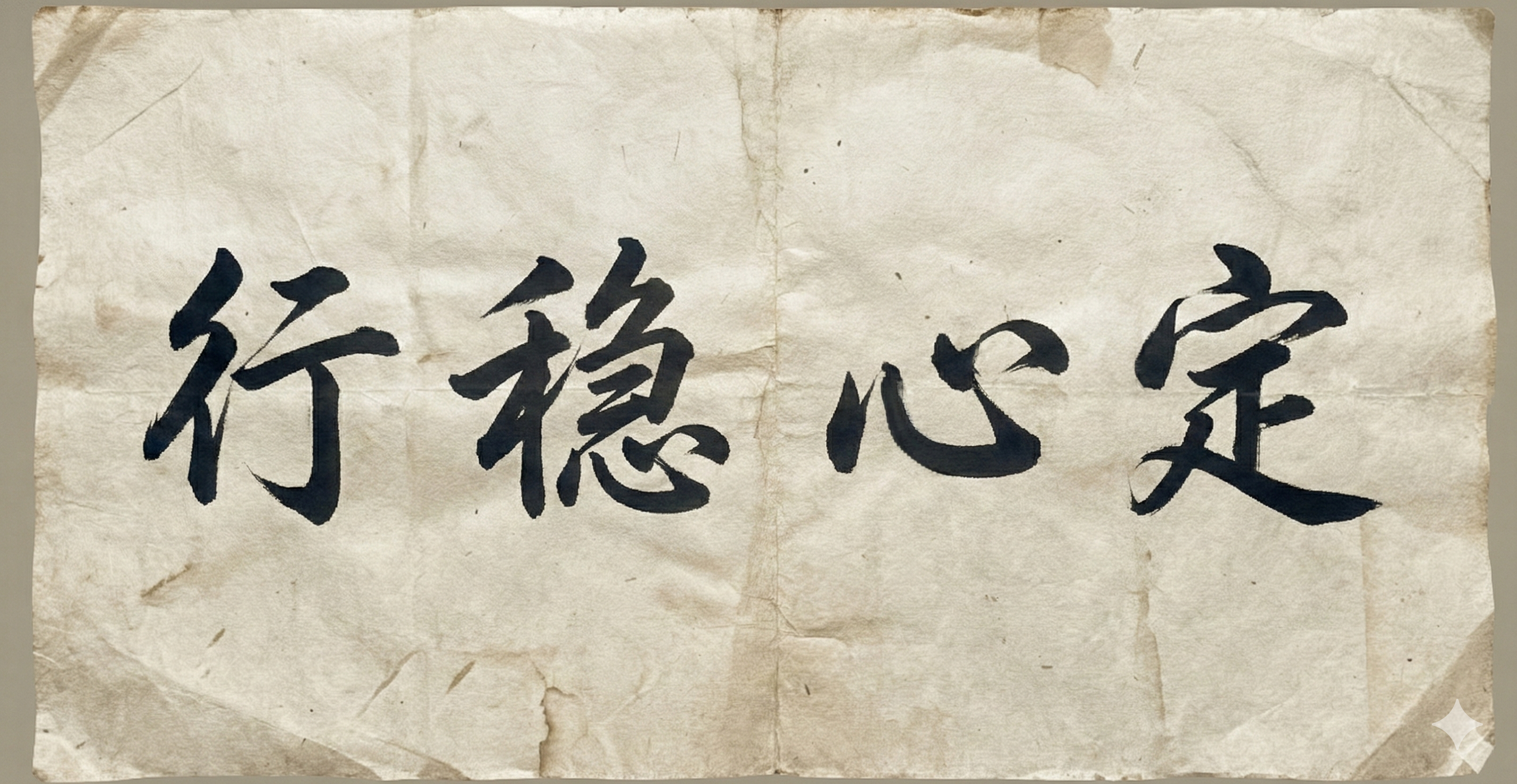
○ Calligraphy and engraving therapy practice
Writing in regular script can help you calm down and discern whether what's stronger at this moment is the fear of illness or the physical discomfort itself. The practice doesn't dictate what to write; it simply allows the strokes to help you slow down the chaos. Don't rush to label yourself, and don't judge your feelings by right or wrong. Regardless of the type of distress, it's not being dramatic, but rather a need for understanding of your mind and body. Once you understand the direction, support will be more appropriate.
○ Art Therapy Guidance
You can draw two roads: one representing the fear of serious illness, and the other representing physical discomfort dominating your life. See which side you tend to take more often, and also see if the two roads intersect. The image isn't meant to label you, but to help you see the direction you need support in. Whether it's fear of illness or being trapped by physical discomfort, it's not being dramatic. Your mind and body are simply too tired and need gentle understanding.
Please log in before submitting your drawings and feelings.

○ Diary Healing Suggestions
The journal section is for you to write down the most touching point from today's lesson, and a small action you'd like to try, after the discussion on "The Difference Between Health Anxiety and Somatic Symptom Disorder." You can write about whether you're more afraid of getting sick or more troubled by physical discomfort, and choose a care approach that suits your current situation. Please write in an honest, concise, and manageable way. There's no need for deep analysis, and you don't need to write it for anyone else; the important thing is to let your feelings be gently seen. After you're finished, please gently close the journal and take a slow breath. It doesn't need to be complete, nor does it need to appear strong.
Please log in to use.
May you gradually return to a more stable, clear-headed, and gentler version of yourself through today's practice.
This unit's comprehension test
After completing the lesson's main topic, you can access the corresponding lesson's comprehension test here.