

Lesson 1465: Exercise and Building a Sense of Physical Security

Duration:70 minutes
Topic Introduction:The course title and introduction are intended to gently guide you into "Building a Sense of Security Through Exercise." It helps you rediscover your body's functions through low- to moderate-intensity exercise, gradually building trust in your heartbeat, breathing, and muscle responses. This content is for psychological education and self-care reference only and cannot replace medical diagnosis, psychotherapy, or emergency treatment. Please take your time while learning. The important thing is to be steady and cautious.
○ Course Topic Audio
Lesson 1465: Exercise and Building a Sense of Physical Security
Click to view the read-aloud text
This audio will gently guide you closer to the topic, without rushing change. Today, we'll learn about "Exercise and Building a Sense of Physical Safety." Exercise brings a faster heartbeat, deeper breathing, and muscle soreness—normal reactions that can sometimes be misinterpreted as danger by anxiety. This course will help learners rebuild trust in their body's functions through low- to moderate-intensity exercise, allowing a sense of physical safety to gradually return. This learning doesn't require you to be completely fearless. It's more like, while fear still exists, slowly building a place where you can stop, assess, and seek help. When learning, please don't push yourself too hard. You can focus on understanding just one concept, noting just one trigger point, or trying delayed confirmation just once. If you experience physical discomfort, please follow your doctor's advice first; if it's just increased anxiety, slow your breathing and give your body some time to confirm safety. If you can only do a little today, that's enough. Prioritize safety, slow down the pace, and let recovery happen gradually within your tolerance. Every time you're willing to stop, you're paving the way for new feelings of safety. Don't rush to convince your fear; simply bring your attention back to a small, actionable movement. Allow yourself to gently and professionally relearn how to connect with your body. When you're willing to reduce the need for constant confirmation, you're giving life more space. Take it slow; stability is more important than perfection. You can silently remind yourself: observe first, then act; be calm first, then judge. Take it slow, be calm first. Take it slow, be calm first. Take it slow, be calm first. Take it slow, be calm first. Take it slow, be calm first. Take it slow, be calm first. Take it slow, be calm first. Take it slow, be calm first. Take it slow, be calm first. Take it slow, be calm first. Take it slow, be calm first. Take it slow, be calm first. Take it slow, be calm first. Take it slow, be calm first. Take it slow, be calm first. Take it slow, be calm first. Take it slow, be calm first. Take it slow, be calm first. Take it slow, be calm first. Take it slow, be calm first. Take it slow, be calm first. Take it slow, be calm first. Take it slow, be calm first.

AI Healing Q&A
Exercise can help rebuild trust in your body's functions, but it should start with low to moderate intensity and gradually increase. You can tell the AI what you're afraid of, your current activity level, and medical limitations. The AI will then design safe steps for you, such as short walks, stretching, or light strength training. Exercise isn't about fighting your fears, but about letting your body gradually learn that a racing heart, sweating, and increased breathing don't necessarily mean danger.
○ Music therapy guidance
Music can help you rebuild a sense of security in your body during exercise. Choose music with a steady, not overly intense, rhythm, and combine it with low to moderate intensity activities to make your heart rate and breathing changes predictable. Don't push yourself beyond your limits with music, and don't immediately give up or avoid it because of a slight physical sensation. If there are medical limitations, please consult your doctor first. Music can help you gradually believe that your body can move and recover.

○Eastern and Western Healing Teas
○ Western Healing Tea - Rose Tea: Rose tea is often used to soothe emotions, relieve stress, and calm the mind. The gentle aroma of rose petals makes it suitable for those experiencing anxiety, depression, chest tightness, or low mood, helping to restore a sense of gentleness. Instructions: Steep 1 teaspoon of rose petals in hot water for 5-10 minutes. Honey can be added. Drink 1-2 cups daily, especially suitable for times of stress. When used in conjunction with the course "Exercise and Building Body Safety," the process of brewing tea, waiting, and slowly sipping can be used as a small exercise of pausing and reaffirming. Gentle Reminder: This tea recipe is for daily dietary and emotional well-being reference only and should not replace medical diagnosis, psychotherapy, medication, or emergency treatment. Pregnant women, breastfeeding mothers, children, those with chronic illnesses, allergies, or those currently taking medication should consult a professional first.
○ Healing Recipes
○ Chinese Food Therapy · Porridge · Pumpkin and Millet Porridge
Recommended dishes:Pumpkin Millet Porridge Recommended reasons:Post-exercise heart rate, breathing, and soreness are often misinterpreted. Gentle post-workout nutrition helps replenish energy and reminds you to view your body's response as part of its recovery process. This diet plan is based on gentle, stable, and low-stimulation principles to help the body gain some sustainable support. It cannot replace medical evaluation, nor can it directly treat illness or anxiety disorders, but it can be used as part of regular eating habits, rhythm management, and mind-body awareness. Recipe (1–2 servings): practice: Before preparing this dish or drink, please pause and observe the intensity of your current anxieties: are they ordinary health concerns, or have you developed an urge to repeatedly search, self-check, seek confirmation, or avoid the issue? Please do not blame yourself; simply treat these reactions as signals that need to be gently recorded. Before eating or drinking, take three slow breaths and observe your eyes, head, shoulders, neck, chest, stomach, and heartbeat. If you are thinking of searching or repeatedly checking right now, treat this recipe as a pause point before deciding whether you really need to take the next step. Take your first bite slowly. Daytime meals can be combined with sunlight, short breaks, and activity; evening meals should be portion-controlled to avoid overeating, excessive sweetness, or drinking too much water that may affect sleep. Video Title:Pumpkin and Millet Porridge: A gentle dietary approach to supporting exercise and building a sense of physical security, including observation of health anxiety and stabilizing circadian rhythms. hint:If you are constantly plagued by fear of illness, require frequent checkups or verification, are unable to work or study, experience significant sleep impairment, or show signs of acute physical danger, please contact a doctor, psychologist, or emergency resources in person as soon as possible.Click to view healing recipes
◉ Chinese Food Therapy · Porridge · Pumpkin and Millet Porridge
I. Recommended Dietary Therapy and Reasons
2. Recipe and Method
3. Small rituals for body and mind
4. Dietary Therapy Experience Record
V. Instructional Videos (approximately 3–5 minutes)
6. Precautions
○Mandala Healing
Looking at a mandala before exercise can help you ensure you only take small, safe steps today. The center represents bodily sensations, while the outer ring represents heart rate, sweating, and increased breathing, which may also be normal exercise responses. If there are medical limitations, please consult your doctor first. The pattern helps you gradually build a sense of security about your body: your body is not an enemy that will break down at any time; it has functions, resilience, and can be trusted again.
● AI Dynamic Geometric Vision Focus and Emotion Regulation Engine ●
AI Dynamic Geometric Vision Focus and Emotion Regulation Engine · v7.0.0
Before we begin, I'd like to know how you feel right now.
There is no standard answer; just choose the one that best reflects how you feel right now.
The experience is over. Tell us how you feel now.
There is still no standard answer; just choose the one that best reflects how you feel right now.
#FF5252
After the fluorescent line crawling is completed and stopped, first select a color, then click on the closed area in the graphic to fill in the color.
AI Digital Mandala Static Focus EngineAZ Image Coloring · 60 Colors
AI Digital Mandala Interactive Focus Engine
A–Z Free Selection · Layered Lines · 60 Color Fills

○ Calligraphy and engraving therapy practice
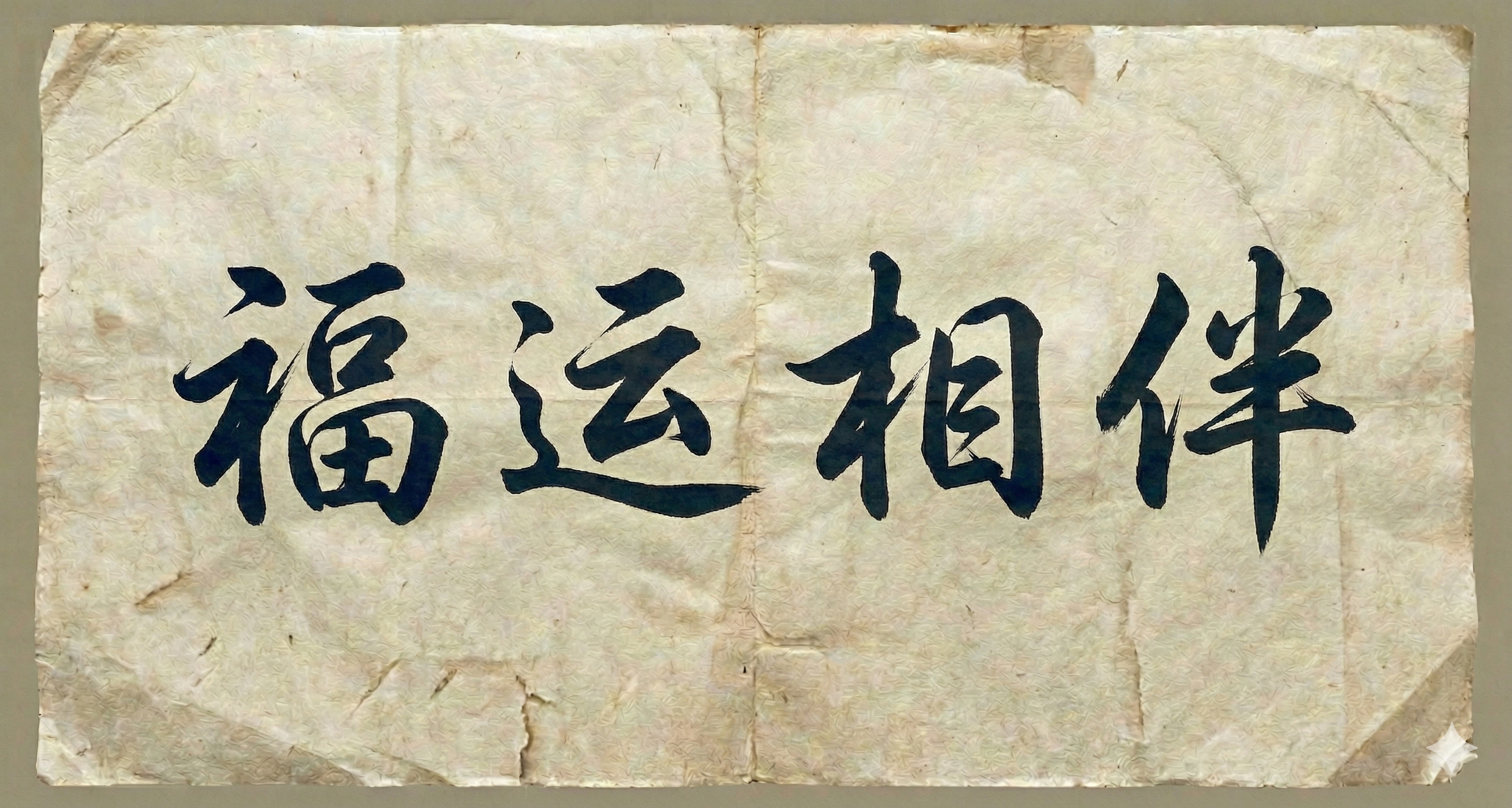
Writing calligraphy before and after exercise can help rebuild your sense of physical security. There's no set script for what to write; simply calm your mind before activity and help your body relax afterward. Increased heart rate, sweating, and breathing aren't necessarily dangerous; they could be your body working. If there are medical restrictions, please consult a doctor first. The strokes remind you that your body is not the enemy; it has functions and the ability to recover.

○ Art Therapy Guidance
When exercise causes changes in heart rate, sweating, and breathing, health anxiety may arise. You can visualize these normal physical responses as rhythmic lines, and the body's recovery as a gradually widening path. If there are medical limitations, please consult your doctor first. The visuals remind you that your body is not an enemy that will break down at any moment. It works, adapts, and recovers at its own pace.
Please log in before submitting your drawings and feelings.

○ Diary Healing Suggestions
The journal section is designed to help you write down the most touching point from today's lesson, along with a small action you'd like to try, after the "Exercise and Building Body Safety" session. You can record your heart rate, breathing, and soreness before and after exercise, and write down a small attempt to trust your body's capabilities. Please write in a truthful, concise, and manageable way. There's no need for deep analysis, and you don't need to write it for anyone else; the important thing is to let your feelings be gently seen. It doesn't need to be complete, nor does it need to appear strong. If your emotions rise, please stop writing and return to a safe place. Allow yourself to slow down and only do what you can manage today.
Please log in to use.
May you gradually return to a more stable, clear-headed, and gentler version of yourself through today's practice.