
Lesson 1468: Monitoring Boundaries: Frequency and Time Boxes

Duration:70 minutes
Topic Introduction:The course title and introduction are designed to gently guide you into the "Monitoring Boundaries: Frequency and Time Boxes." It helps you set frequency and time boxes for self-monitoring of body temperature, pulse, blood pressure, etc., preventing monitoring from becoming a new source of anxiety and protecting daily functioning. This content is for psychological education and self-care reference only and cannot replace medical diagnosis, psychotherapy, or emergency treatment. Safety first. Give yourself some patience.
○ Course Topic Audio
Lesson 1468: Monitoring Boundaries: Frequency and Time Boxes
Click to view the read-aloud text
Please shift your focus from reassuring yourself that you're okay back to the present moment. Today, we'll learn about "Monitoring Boundaries: Frequency and Time Boxing." Self-monitoring tools such as body temperature, pulse, blood pressure, and blood oxygen can provide a reference, but excessive monitoring can turn your body into a 24/7 testing ground. This lesson will help learners set frequency and time boxes for monitoring, protecting daily functions and reducing anxiety-inducing dependence on data. You can think of today's content as a small lamp illuminating a cycle, a thought, or an action. Once you see it, you don't need to solve everything immediately; choosing just one small step is already precious. When learning, please don't push yourself too hard. You can focus on understanding just one concept, recording just one trigger point, or trying only one delayed confirmation. If you experience physical discomfort, please follow your doctor's medical advice first; if it's just heightened anxiety, slow your breathing and give your body some time to confirm safety. After listening, take a sip of water, observe your surroundings, and then decide on your next step. Taking care of your body is important, but taking care of yourself when you're scared is equally important. When you're willing to reduce repeated confirmations, you're giving your life some space. Take it slow; stability is more important than perfection. You can silently remind yourself: observe first, then act; be at peace first, then judge. Every time you're willing to stop, you're paving the way for new feelings of security. Don't rush to convince your fears; simply bring your attention back to a small, actionable movement. Allow yourself to gently and professionally relearn how to connect with your body. Take it slow, be at peace first. Take it slow, be at peace first. Take it slow, be at peace first. Take it slow, be at peace first. Take it slow, be at peace first. Take it slow, be at peace first. Take it slow, be at peace first. Take it slow, be at peace first. Take it slow, be at peace first. Take it slow, be at peace first. Take it slow, be at peace first. Take it slow, be at peace first. Take it slow, be at peace first. Take it slow, be at peace first. Take it slow, be at peace first. Take it slow, be at peace first. Take it slow, be at peace first. Take it slow, be at peace first. Take it slow, be at peace first. Take it slow, be at peace first.

AI Healing Q&A
Frequently checking your temperature, pulse, blood pressure, or blood oxygen levels can shorten your peace of mind. You can tell the AI your current monitoring frequency and trigger points. The AI will help you set frequency limits, time boxes, and alternative behaviors. Reducing monitoring doesn't mean neglecting your health; it means freeing your body from constant interrogation. If your doctor requires monitoring, follow their instructions; if it's driven by anxiety, gradually establish boundaries.

○ Music therapy guidance
When frequently measuring body temperature, pulse, blood pressure, or blood oxygen, music can help set boundaries. Use a short piece of music as the start and end of the monitoring period, stopping when the time is up and avoiding repeated updates. If your doctor requires monitoring, please follow their instructions; if it's driven by anxiety, gradually reduce the frequency. The music reminds you that your body needs care, but also needs to be free from constant interrogation.

○Eastern and Western Healing Teas
○ Western Healing Tea - Chrysanthemum Tea: Chrysanthemum tea can clear the liver and improve eyesight, relieve eye fatigue and head tension, and help relax anxious emotions. Suitable for afternoon consumption, after prolonged eye strain, or during periods of high work stress. Instructions: Place 2-3 chrysanthemum flowers in hot water and steep for 5-10 minutes. Can be drunk in the afternoon to help refresh the mind and relax the body. When used in conjunction with the course "Monitoring Boundaries: Frequency and Time Box," the process of brewing tea, waiting, and slowly sipping can be seen as a small exercise of pausing the search and repeatedly confirming information. Gentle Reminder: This tea recipe is for daily dietary and emotional well-being reference only and cannot replace medical diagnosis, psychotherapy, medication, or emergency treatment. Pregnant women, breastfeeding mothers, children, those with chronic illnesses, allergies, or those currently taking medication should consult a professional first.
○ Healing Recipes
○ Chinese Food Therapy · Porridge · Purple Rice Eight Treasure Porridge
Recommended dishes:Purple Rice Eight Treasure Porridge Recommended reasons:Monitoring boundaries requires practicing stopping. The timing and quantity of the diet can help you shift from frequent measurements to regulated observation, protecting your daily life from being overwhelmed by data. This diet, based on the principles of gentleness, stability, and low stimulation, helps the body receive some sustainable support. It cannot replace medical evaluation, nor can it directly treat anxiety disorders, but it can serve as part of regular eating, rhythm management, and mind-body monitoring. Recipe (1–2 servings): practice: Before preparing this dish or drink, please pause and observe the intensity of your current anxieties: are they ordinary health concerns, or have you developed an urge to repeatedly search, self-check, seek confirmation, or avoid the issue? Please do not blame yourself; simply treat these reactions as signals that need to be gently recorded. Before eating or drinking, take three slow breaths and observe your eyes, head, shoulders, neck, chest, stomach, and heartbeat. If you are thinking of searching or repeatedly checking right now, treat this recipe as a pause point before deciding whether you really need to take the next step. Take your first bite slowly. Daytime meals can be combined with sunlight, short breaks, and activity; evening meals should be portion-controlled to avoid overeating, excessive sweetness, or drinking too much water that may affect sleep. Video Title:Purple Rice Eight Treasure Porridge: Supporting Monitoring Boundaries: Observing Health Anxiety and Gentle Dietary Therapy for Stable Circadian Rhythms in the Frequency and Time Box Course hint:If you are constantly plagued by fear of illness, require frequent checkups or verification, are unable to work or study, experience significant sleep impairment, or show signs of acute physical danger, please contact a doctor, psychologist, or emergency resources in person as soon as possible.Click to view healing recipes
◉ Chinese Food Therapy · Porridge · Purple Rice Eight Treasure Porridge
I. Recommended Dietary Therapy and Reasons
2. Recipe and Method
3. Small rituals for body and mind
4. Dietary Therapy Experience Record
V. Instructional Videos (approximately 3–5 minutes)
6. Precautions

○Mandala Healing
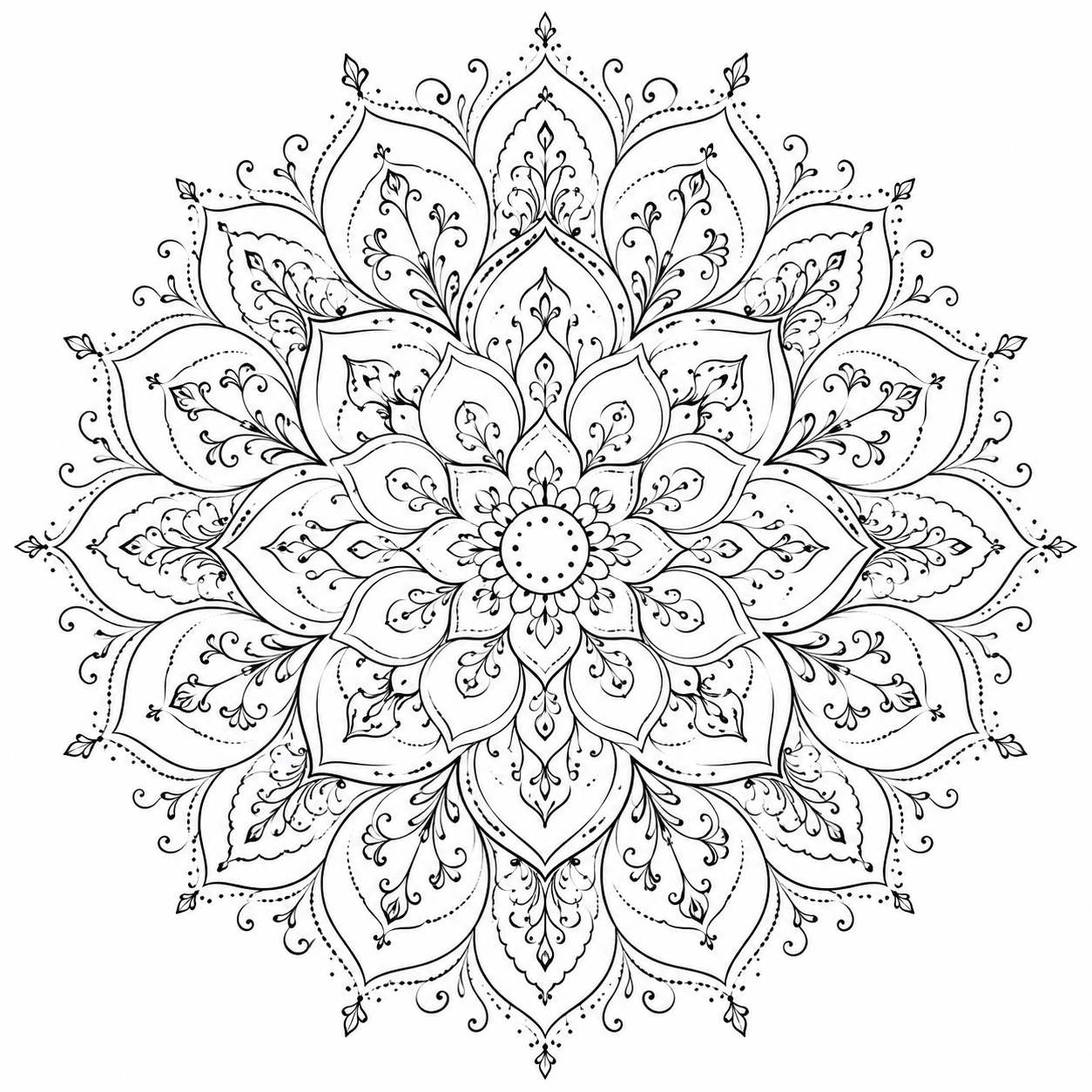
When frequently measuring body temperature, pulse, blood pressure, or blood oxygen, a mandala can be used to set boundaries. The center represents a planned monitoring session, while the outer circle represents stopping when the time is up and moving on to other activities. If your doctor requires monitoring, please follow their instructions; if it's driven by anxiety, gradually reduce the frequency. The pattern reminds you that your body needs care, but also doesn't need to be constantly interrogated. Boundaries bring greater peace of mind.
● AI Dynamic Geometric Vision Focus and Emotion Regulation Engine ●
AI Dynamic Geometric Vision Focus and Emotion Regulation Engine · v7.0.0
Before we begin, I'd like to know how you feel right now.
There is no standard answer; just choose the one that best reflects how you feel right now.
The experience is over. Tell us how you feel now.
There is still no standard answer; just choose the one that best reflects how you feel right now.
#FF5252
After the fluorescent line crawling is completed and stopped, first select a color, then click on the closed area in the graphic to fill in the color.
AI Digital Mandala Static Focus EngineAZ Image Coloring · 60 Colors
AI Digital Mandala Interactive Focus Engine
A–Z Free Selection · Layered Lines · 60 Color Fills

○ Calligraphy and engraving therapy practice
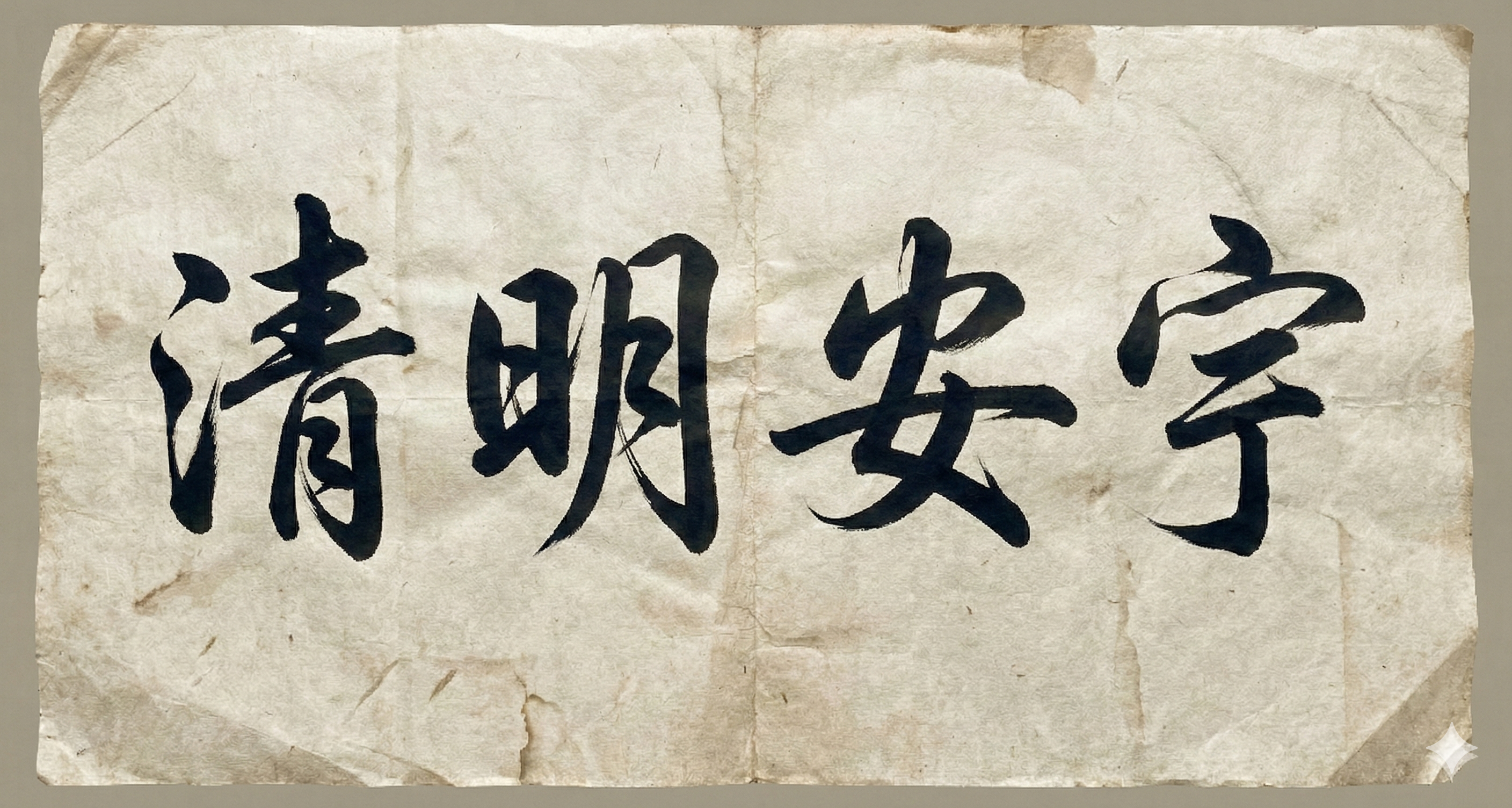
When frequently taking your temperature, pulse, blood pressure, or blood oxygen saturation, you can use handwriting to set boundaries. Practice writing a short paragraph before you feel the urge to take the measurement again, without specifying the content, to delay the impulse. If your doctor requires monitoring, follow their instructions; if it's driven by anxiety, gradually reduce the frequency. Your body needs to be cared for, but it also needs to be free from constant interrogation. Boundaries will make you feel more secure.

○ Art Therapy Guidance
When frequently measuring body temperature, pulse, blood pressure, or blood oxygen, you can draw a monitoring boundary diagram. Draw a planned monitoring session in the center, and mark when to stop, switch activities, or follow medical advice on the outer circle. If it's driven by anxiety, gently mark the repeated measurements with a pause symbol. The body needs care, but it also needs to be free from constant interrogation. Boundaries are not abandonment, but rather more stable care.
Please log in before submitting your drawings and feelings.

○ Diary Healing Suggestions
The journal section is for you to write down the most touching point from today's lesson, and a small action you'd like to try, after "Monitoring Boundaries: Frequency and Timeboxing." You can record how often you check your temperature, pulse, blood pressure, or device data, and set a tolerable upper limit. Please write in an honest, concise, and manageable way. There's no need for deep analysis, and you don't need to write it for anyone else; the important thing is to let your feelings be gently seen. This journal is only for your care, not for judgment. Take your time. After you're finished, gently close the journal and take a slow breath.
Please log in to use.
May you gradually return to a more stable, clear-headed, and gentler version of yourself through today's practice.