
Lesson 1549: Emotion Regulation and Stress Management

Duration:70 minutes
Topic Introduction:This course focuses on emotion regulation and stress management, helping learners gradually separate stress, loneliness, anger, emptiness, and materialism. The course will guide you to find gentler ways to soothe yourself, prioritizing physical and emotional well-being before addressing the problem, making recovery less of a solitary battle. It also makes the next step clearer.
○ Course Topic Audio
Lesson 1549: Emotion Regulation and Stress Management
Click to view the read-aloud text
This lesson focuses on emotion regulation and stress management. Behind many material uses lies not just the pursuit of stimulation, but the processing of stress, loneliness, anger, emptiness, shame, or loss. Materials may temporarily suppress emotions, but the real stress remains unaddressed, and the body and relationships may suffer new costs. Emotion regulation isn't about becoming instantly calm, but about learning to navigate peak stress in a less self-harming way. You can start by taking care of your body: drink water, eat, shower, move around, stretch, and breathe slowly; then take care of your emotions: say "I feel terrible right now," write down your needs, and contact someone safe; finally, address the problem itself. The course will remind you that stress needs an outlet, but outlets don't have to be material. Every time you soothe yourself more gently, you're building a new experience for your brain: I can feel bad, but I don't have to hurt myself. Remember, every reminder in this course isn't meant to make you more afraid, but to help you see yourself more safely. You can approach change at your own pace, or seek help from professionals, family, or trusted friends when needed. Recovery isn't about proving you've never fallen, but about being prepared before you fall, being willing to turn back after you fall, and repeatedly bringing yourself back to a more stable life. If this resonates with you, please don't rush to criticize yourself. You can write down the most important sentence of the day, or simply record a small action you're willing to try. Change often doesn't happen suddenly, but accumulates slowly through many gentle, specific, and actionable small choices. Please prioritize safety and place yourself back in a position where you deserve to be cared for. In the learning ahead, you don't need to solve all problems at once. Identify a risk first, reduce a trigger first, contact a supporter first, take care of your body first—these all count. May you feel less shame in understanding and more strength in action, so that recovery is no longer just endurance, but slowly regaining direction in life. This can serve as a gentle reminder for you today: being seen doesn't mean your life is negated; needing help doesn't mean you're not good enough. Please give yourself some time to break down complex experiences into manageable steps.

AI Healing Q&A
When feeling overwhelmed by stress, loneliness, anger, or emptiness, first tell the AI your most unpleasant feelings and physical reactions. It can help you find gentler ways to soothe yourself, such as grounding, rest, expressing yourself, and connecting with supportive individuals, so that emotions don't have to be managed solely through physical means. The AI can also help you name your feelings, distinguishing between sadness, anger, fear, and fatigue to prevent them from becoming a jumbled mess. Once the feelings have names, the next steps in care won't all be crammed into a single "I can't take it anymore." Clearly state the support you need.
○ Music therapy guidance
When emotions are overwhelming, listen to slow, gentle music, like breathing, to give anger, loneliness, or emptiness an outlet. Don't rush to solve all problems; just identify your strongest feeling right now. Once your emotions are heard, material things are no longer the only way to soothe them. When the music helps to calm your emotions, ask yourself: Do I need to be understood, accompanied, allowed to rest, or do I need to leave a source of stress? Let your feelings find an outlet, instead of retreating into old patterns. Things will loosen up.

○Eastern and Western Healing Teas
○ Western Healing Tea - Jasmine Tea Introduction: Jasmine tea is renowned for its elegant aroma and is suitable for relieving mood swings caused by tension and anxiety. Jasmine tea helps soothe nerves, relax the mind, and is rich in antioxidants that can boost immunity. Directions: Steep 1 teaspoon of dried jasmine flowers and tea leaves in hot water for 5 minutes. A touch of honey can be added to help regulate mood and reduce stress.
○ Healing Recipes
○ Chinese Food Therapy · Soup Dishes · Purple Rice and Longan Soup
Recommended dishes:Purple Rice and Longan Soup Recommended reasons:Purple rice and longan soup, based on mild ingredients, light seasoning, and sustainable energy, is suitable as a daily dietary support in courses on alcohol and substance use disorders. When addressing the topic of "mood regulation and stress management," food doesn't play a therapeutic role, but it can help learners bring their attention back to their bodies, reducing imbalances caused by fasting, fatigue, mood swings, or impulsive eating. It reminds you that recovery is not just about avoiding risks, but also about rebuilding the ability to care for yourself through each meal. Recipe (1–2 servings): practice: When preparing purple rice and longan soup, please separate the ingredients beforehand and observe their color, aroma, and the movements of your hands. If you are feeling overwhelmed, you can make only the simplest version; if you are physically tired, you can make a smaller portion. Before taking your first bite, pause for a few seconds to savor the temperature, aroma, and texture, making this meal a gentle reminder to reconnect with your body. If you're feeling craving, anxious, down, or impulsive today, please don't turn cooking into stress. Being able to prepare a simple meal is already a good thing; food is support, not a task. Video Title:Purple Rice and Longan Porridge: A Nourishing Recipe for Stabilizing Body and Mind Rhythms hint:Please understand diet within the overall care plan: regular sleep, a stable schedule, professional support, companionship, physical examinations, and necessary treatments remain important foundations for long-term recovery.Click to view healing recipes
◉ Chinese Food Therapy · Soup Dishes · Purple Rice and Longan Soup
I. Recommended Dietary Therapy and Reasons
2. Recipe and Method
3. Small rituals for body and mind
4. Dietary Therapy Experience Record
V. Instructional Videos (approximately 3–5 minutes)
6. Precautions

○Mandala Healing
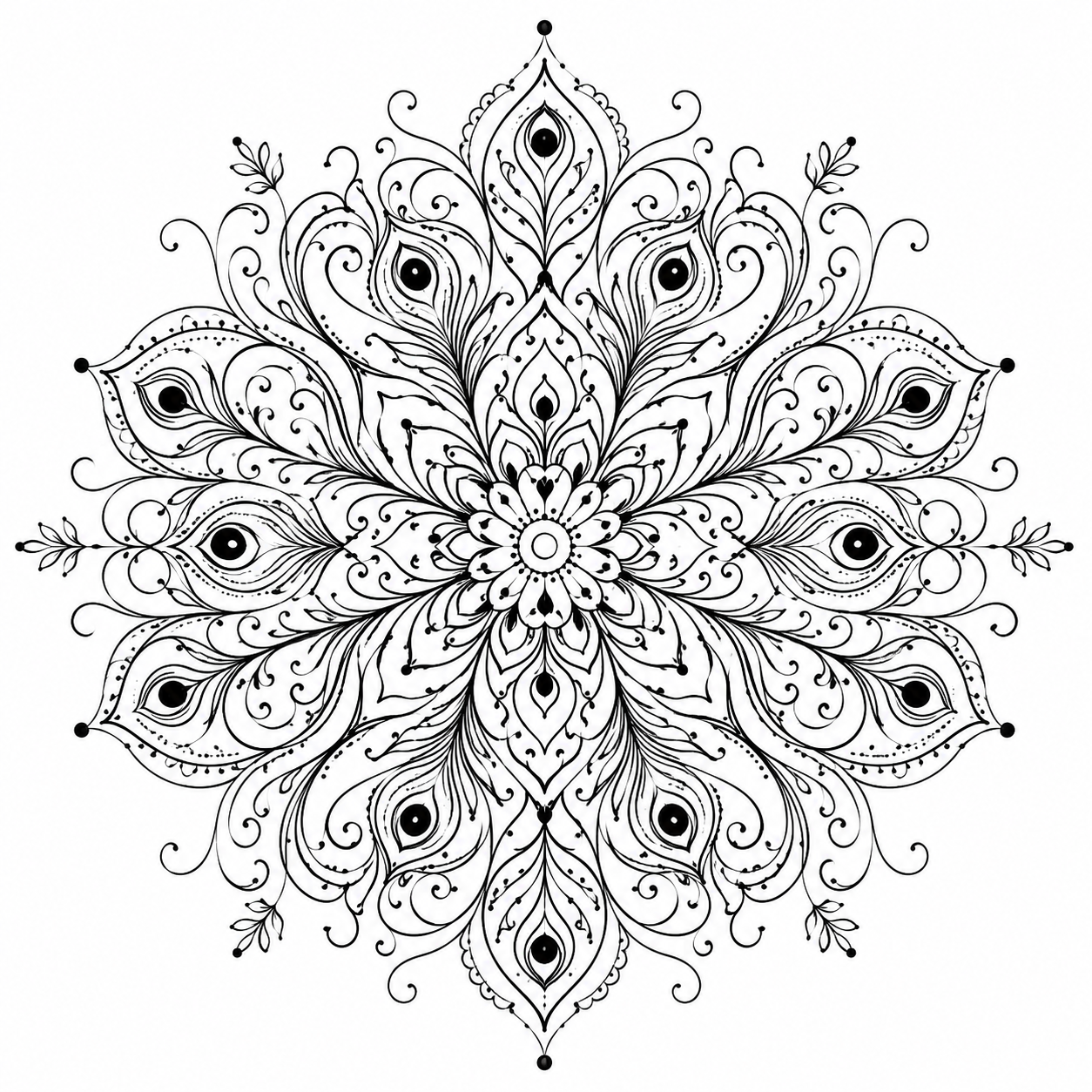
Often, the use of material things isn't just for pleasure, but to escape stress, loneliness, anger, or emptiness. Please transform these emotions into different patterns, letting them be seen in the artwork, rather than suppressing them simply through material possessions. When painting, if a particular feeling is especially strong, please give it some space. Once emotions are seen, the heart often feels lighter, and one is more likely to find other ways to soothe oneself. Emotions that are seen tend to stop pushing you so hard. When the heart is caught, the path becomes easier.
● AI Dynamic Geometric Vision Focus and Emotion Regulation Engine ●
AI Dynamic Geometric Vision Focus and Emotion Regulation Engine · v7.0.0
Before we begin, I'd like to know how you feel right now.
There is no standard answer; just choose the one that best reflects how you feel right now.
The experience is over. Tell us how you feel now.
There is still no standard answer; just choose the one that best reflects how you feel right now.
#FF5252
After the fluorescent line crawling is completed and stopped, first select a color, then click on the closed area in the graphic to fill in the color.
AI Digital Mandala Static Focus EngineAZ Image Coloring · 60 Colors
AI Digital Mandala Interactive Focus Engine
A–Z Free Selection · Layered Lines · 60 Color Fills

○ Calligraphy and engraving therapy practice
Emotional regulation isn't about suppressing feelings, but about learning to spend time with them. During practice, let stress, loneliness, anger, or emptiness become different textured brushstrokes, but don't write down the reasons. If a particular feeling is especially heavy, slow down; don't force it. The paper will remind you that emotions can be seen and gently released. When finished, relax your hands, let the emotion rest on the paper, without continuing to chase it. You've already seen it a little, which is gentler than completely suppressing it. Your heart will slowly relax. Don't rush to suppress it.

○ Art Therapy Guidance
Behind many behaviors lies not only the desire for pleasure, but also the attempt to escape stress, emptiness, anger, loneliness, and sadness. When painting, allow these emotions to surface first; don't try to make them look beautiful, and don't rush to explain them. Give them color and space, allowing your inner thoughts to find a place to settle. Often, when emotions are seen and acknowledged, people no longer feel the urge to escape and are more likely to find other ways to soothe themselves. After recognizing emotions, the heart will gradually gain more space.
Please log in before submitting your drawings and feelings.

○ Diary Healing Suggestions
If you're experiencing intense stress, loneliness, anger, or emptiness, name these feelings today. You can write: what color it is, where it lands on your body, and what it most wants you to do. Don't rush to rationalize your emotions, and don't use material things to prove yourself a failure. Only when emotions are acknowledged can they be soothed in other ways. May this entry help you catch some of your discomfort. At the end of this page, please choose a way to soothe yourself that doesn't harm you. It may be small, but it can tell your body: I don't have to rely solely on material things for relief. Take care of this momentary discomfort first, and the next step will become clearer.
Please log in to use.
May you gradually return to a more stable, clear-headed, and gentler version of yourself through today's practice.