

Lesson 205: Fear of something happening to a loved one

Duration:70 minutes
Topic Introduction:Separation doesn't mean cutting off contact. This lesson helps you prepare for separation scenarios with reassurance strategies such as farewell phrases, tactile anchors, and breathing rhythms to let your body know you're still safe. When practicing, keep your goals small and focus on completing just one gentle movement. You don't need to change yourself immediately; just understand one more reaction. When practicing, keep your goals small and focus on completing just one gentle movement. You don't need to change yourself immediately; just understand one more reaction. When practicing, keep your goals small and focus on completing just one gentle movement.
○ Course Topic Audio
Lesson 205: Fear of something happening to a loved one
Click to view the read-aloud text
When learning how to prepare for "the moment of parting," please put aside your shame for now. Separation anxiety is not childish or unreasonable; it often stems from a protective mechanism formed after inner security is compromised. It seeks reassurance that the connection is still there, but its methods are often too hasty, painful, and energy-consuming. Separation does not equate to disconnection. This lesson prepares farewell messages, tactile anchors, and breathing rhythms in advance, letting the body know that you are still safe in the separation scenario. When separation anxiety is triggered, the mind easily begins searching for evidence: Does he/she no longer care about me? Is she/she leaving me? Why hasn't the other person replied yet? Am I being ignored again? The body also tenses up, feeling an emptiness in the chest, a tightness in the stomach, shallow breathing, and the hand unconsciously reaching for the phone or wanting to immediately confirm. Remember, this is not you deliberately creating trouble; it's the nervous system searching for safety signals. The first step in this lesson is to slow down the anxious impulse. You can pause for thirty seconds, not immediately sending a second message, not immediately asking follow-up questions, and not rushing to fill the blank with the worst possible interpretation. Write down your current feelings in one sentence: I'm afraid of losing connection, not that I've been abandoned. This separates emotion from reality, giving you a sense of choice. The second step is to establish self-soothing gestures. Place your hands on your chest or abdomen, exhale slowly, feel your feet touch the ground, and tell yourself: I'm uneasy right now, but I can wait with myself for a while. Companionship doesn't just come from the other person; it can also come from your own stable responses to yourself. The third step is to make connections healthier. You can agree on communication rhythms with important people, or create message buffers, solitude rituals, and reflection journals for yourself. A truly secure relationship isn't about never having distance, but about both parties knowing how to maintain respect, trust, and clear communication when distance does arise. If separation anxiety is severely affecting your sleep, eating, work, studies, or relationships, or causing intense feelings of despair and danger, seek help from a therapist, doctor, family, or local emergency support immediately. Course exercises can help you manage your emotions and behaviors, but they cannot replace professional therapy. Finally, give yourself a reassuring reminder: I can need others, and I can slowly become my own supporter; I can miss others, but I don't have to be overwhelmed by longing. Today, simply delaying an impulse, soothing your body, or responding to yourself with gentler language is already rebuilding your inner sense of security. After reading aloud, please write down one of your most common separation triggers and a small action that can replace the urge to confirm. Next time you wait for a response, don't immediately suppress your anxiety; simply breathe, record, delay, and then decide whether to communicate. What you are learning is not that you don't need connection, but that you can maintain your center even within connection. Every gentle wait allows your body to accumulate new experience: distance does not necessarily equal loss. After reading aloud, please write down one of your most common separation triggers and a small action that can replace the urge to confirm.

AI Healing Q&A
When you fear something might happen to a loved one, your brain replays dangerous images. You can tell an AI your most frequent worries, and it will help you distinguish between facts, imagination, and tangible care. Today's small action could be writing down a more realistic possibility. You don't need to force yourself to feel at ease; just allow voices other than fear to have a place. Take it slow; you don't need to be perfect the first time. Just one small step today is enough. If the pain intensifies, seek professional support promptly. Give yourself some patience and space.

○ Music therapy guidance
When you're terrified that something might happen to your loved ones, dangerous images will keep replaying in your mind. Listen to some calm, gentle music without dramatic ups and downs, letting the sound gently pull you back to reality from your worst imaginings. While listening, do only one thing: exhale slowly and focus on being present. Music can't guarantee everything, but it can give your mind a break. Take it slow; you don't need to be perfect the first time. Just take one small step today. If the pain intensifies, seek professional help promptly. Give yourself some patience and space.

○Eastern and Western Healing Teas
This lesson suggests choosing a mild, low-stimulation hot beverage to help stabilize your body's rhythm after learning how to prepare for the "moment of parting." You can use light black tea, osmanthus oolong, chamomile tea, or sip warm water slowly in small amounts. When practicing, please keep your goals small and focus on completing only one gentle movement. You don't need to change yourself immediately; you just need to understand one more reaction.
○ Healing Recipes
Morinda officinalis chicken soup
Chicken soup with Morinda officinalis is a suitable therapeutic recipe after this lesson. Chicken is mild and palatable, while Morinda officinalis has a rich aroma, making it suitable for consumption when energy is low, mental fatigue is low, or when slow nourishment is needed. Adding red dates or ginger slices during stewing can make the soup more mellow. When drinking, please feel the soothing sensation as the warm soup enters the body, allowing the nourishment to unfold calmly and gently.
Open the healing recipe
◉ Eastern Food Therapy · 205, Morinda officinalis Chicken Soup
I. Recommended Dietary Therapy and Reasons
Recommended dishes:Morinda officinalis chicken soup
Recommended reasons:Morinda officinalis chicken soup is a mild, nourishing, and slowly sipped oriental medicinal soup, suitable for inclusion in social anxiety courses as a daily support for restoring energy and stabilizing bodily rhythms. The flavors of meat, bone broth, beans, roots, herbs, or mildly nourishing ingredients become mellow and layered after long simmering, reducing the burden on the stomach during periods of stress. It is suitable for lunch, dinner, or after fatigue, allowing the body to find calm in the warm broth, its light flavor, and the consistent care it provides.
2. Recipe and Method
Recipe (1–2 servings):
- 300g chicken, cut into pieces and blanched.
- Morinda officinalis (appropriate amount)
- 1200–1400 ml of clean water
- 3 slices of ginger
- a pinch of salt
practice:
- Clean the meat, bones, or main ingredients thoroughly, and blanch them as needed to remove any scum.
- Soak or quickly rinse beans, lotus seeds, Job's tears, or herbal ingredients in advance.
- Add the main ingredients, side ingredients, ginger slices, and enough water to the pot.
- Bring to a boil over high heat, then reduce to a simmer and gently boil.
- Simmer for 60–90 minutes, or until the ingredients are tender and the soup has a mild color.
- Before serving, add goji berries, flowers, or other easily cooked ingredients, and season with a small amount of salt.
- Drink after it has cooled slightly. You can consume small amounts of the soup ingredients depending on your physical condition.
3. Small rituals for body and mind
When preparing Morinda officinalis chicken soup, you can first observe the color, shape, and smell of the ingredients, gradually shifting your attention from external evaluations back to the actions in your hands.
When simmering, stewing, or stirring, the sound of water and rising steam can help slow your breathing. You can mentally remind yourself: I don't need to deal with all the stress right away; I'm taking care of my body with something small.
When you take your first bite or drink your first sip, feel the warmth, softness, and subtle aroma to let your body know that this moment is safe, simple, and bearable.
4. Dietary Therapy Experience Record
- Record when you eat it – whether it's breakfast, lunch, dinner, or a gentle supplement before or after social activities.
- Observe whether there are any changes in stomach comfort, body warmth, feeling of fullness, and mental stability within 30–60 minutes after consumption.
- If you consume Morinda officinalis chicken soup when you are anxious, tired, or have an unstable appetite, you can record whether it helps you reduce feelings of heaviness and regain a sense of control over your body.
V. Instructional Videos (approximately 3–5 minutes)
Video Title:Morinda officinalis Chicken Soup: A mild and stable oriental medicinal soup.
6. Precautions
- Soups are best simmered over low heat, and meats, bones, or other animal-based ingredients should be thoroughly processed and cooked.
- If there is a lot of oil in the soup, you can skim off the surface oil to reduce the burden on your stomach.
- Herbal ingredients should not be used in excessive amounts. Pregnant women, those with special physical conditions, or those currently taking medication should consult a professional for advice first.
- Do not eat too much at one time to avoid overeating or putting extra strain on your stomach.
- For first-time users, it is recommended to try a small amount and observe the body's reaction.
hint:This recipe is for daily physical and mental well-being and is not a substitute for any medical diagnosis or treatment. If you have chronic illnesses, are pregnant, have food allergies, are taking medication, or have special nutritional restrictions, please prioritize following the advice of your healthcare provider and nutritionist.

○Mandala Healing
When you fear something might happen to a loved one, your brain replays dangerous images. When viewing a mandala, temporarily place your worst-case scenario on the outer rings, focusing on your present breath and reality. You don't need to immediately believe everything is alright; simply let your gaze follow the lines slowly, giving space to the voices outside of fear. Take it slow. Even a little bit is fine. Give yourself some space. If you feel uncomfortable, pause. Take it slow. Even a little bit is fine. Give yourself some space. If you feel uncomfortable, pause. Take it slow.
● AI Dynamic Geometric Vision Focus and Emotion Regulation Engine ●
AI Dynamic Geometric Vision Focus and Emotion Regulation Engine · v7.0.0
Before we begin, I'd like to know how you feel right now.
There is no standard answer; just choose the one that best reflects how you feel right now.
The experience is over. Tell us how you feel now.
There is still no standard answer; just choose the one that best reflects how you feel right now.
#FF5252
After the fluorescent line crawling is completed and stopped, first select a color, then click on the closed area in the graphic to fill in the color.
AI Digital Mandala Static Focus EngineAZ Image Coloring · 60 Colors
AI Digital Mandala Interactive Focus Engine
A–Z Free Selection · Layered Lines · 60 Color Fills
○ Calligraphy and engraving therapy practice
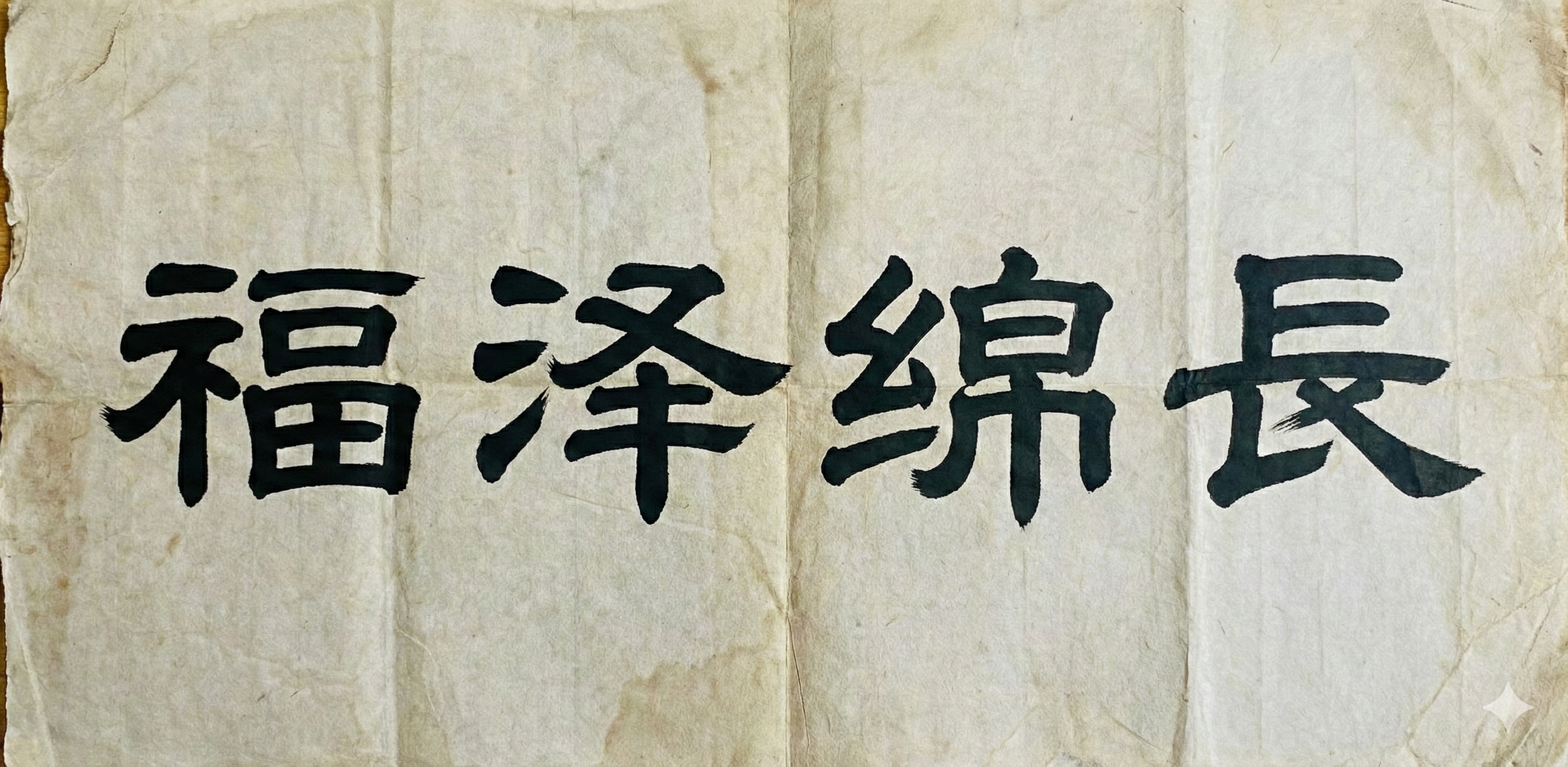
When you're terrified of something happening to a loved one, your mind races. When practicing calligraphy, don't write the worst-case scenario or repeatedly reenact it; just focus on the action in front of you. Each stroke is like a small pause, helping you step back from catastrophic imaginings. You don't need to feel at ease immediately; just slowly return to reality. Take your time. Even a little bit counts. If you feel uncomfortable, pause. Give yourself some space. Take your time. Even a little bit counts. If you feel uncomfortable, pause. Give yourself some space. Take your time.

○ Art Therapy Guidance
When you fear something might happen to a loved one, simplify the dangerous image in your mind into colors and shapes, without drawing the specific event. Then add a small, realistic corner to the picture to represent that you are still safe at this moment. This exercise isn't about denying your worries, but rather about preventing the worst-case scenario from filling the entire page, leaving some room for reality. Take your time. It doesn't need to be perfect. Stop if you feel uncomfortable. Even a little bit counts.
Please log in before submitting your drawings and feelings.

○ Diary Healing Suggestions
When you fear something might happen to a loved one, your mind replays dangerous images. Today, please write down the point that resonated with you most during the course, and also break down your most common worry into facts, imagined scenarios, and what you can do. A small action could be writing a more realistic reminder: No news doesn't necessarily mean danger. You don't need to feel relieved immediately; just give reality some space. Take it slow; stability and safety are more important than speed. After writing, give yourself a gentle affirmation: I'm learning; I don't need to be perfect right away. If you can only do a little today, please acknowledge that even a little counts. Please schedule your small actions lightly, so that tomorrow you truly have...
Please log in to use.
After completing the practical preparations for facing the moment of parting, remind yourself: parting is not a loss of connection; I can safely get through it with preparation and anchor points.