

Lesson 326: The Psychological Dilemma of "I've Always Been Like This"

Course duration:70 minutes
Dysphoric disorder is often mistakenly thought to be simply a matter of being depressed, overthinking, or not being proactive enough. However, it is characterized by duration, functional impact, and a baseline emotional state. This section explains its definition, manifestations, and key identification points in a simple way to reduce misunderstandings and self-blame. When practicing, don't rush to achieve immediate improvement; instead, first identify a small action you can begin with. You can also write down your physical reactions, emotional changes, and actionable steps as a basis for later review.
○ Course topic audio
Lesson 326: The Psychological Dilemma of "I've Always Been Like This"
Click to view the read-aloud text
In Lesson 326, we slowly delve into the psychological dilemma of "I've always been like this." Sometimes, "I've always been like this" isn't about self-acceptance, but rather a door left by prolonged depression. People often treat past pain as a prophecy of the future, feeling that change is not their destiny. "I've always been like this" sounds calm, but often hides deep despair. It's like saying: "Don't expect anything, change won't happen anyway." But the fact that you've come to this lesson, started listening, started watching, and started organizing shows that there's still a tiny part of you that hasn't completely given up. We don't need to exaggerate it, nor do we need to be immediately optimistic; we just need to carefully protect this part that's still willing to try, and it will become the spark for many exercises later. You don't need to immediately believe the future will be better; just acknowledge that what happened in the past doesn't necessarily mean the future will repeat itself. This small loosening will allow a glimmer of light to appear through the crack in the door. Today, you can change "I've always been like this" to "I've been like this for a long time, but I'm trying to understand it." This sentence is much softer. The past is long, but it's not monolithic. Your willingness to say something different is the beginning of change. When feelings of hopelessness become overwhelming, please contact trusted individuals or professional resources promptly. You can visualize Lesson 326 in a concrete way: for example, you might say you're used to it, but that statement actually carries a hint of sadness and helplessness. This imagery from the "psychological dilemma of 'I've always been like this'" is ordinary, yet often more accurate than grand pronouncements. It lets you know that Lesson 326 isn't about being melodramatic, but rather that low spirits have taken over too much of the details and need careful attention. When practicing the "psychological dilemma of 'I've always been like this'," try not to record yourself with a judgmental tone, but rather like you would with someone who has been struggling for a long time—give yourself some patience. If you still feel "it's useless," don't argue with it. Just add, "Maybe there's still a tiny bit of another possibility." That's enough. May you retain the one point from Lesson 326 that resonates most with you, without rushing to complete it all. After listening to Lesson 326, prioritize your physical health before dealing with those heavy thoughts.

AI Healing Q&A
When learning about dysphoric disorder, AI can gently guide you through defining it, its duration, intensity, and functional impact. You can describe the rhythm of your long-term mood. AI will remind you that this isn't a personality failure, but rather a psychological state that needs understanding and care. Just one small step today. If the pain intensifies, please seek professional support promptly. Give yourself patience and space. Take it slow; you don't need to be perfect the first time. Just one small step today.

○ Music therapy guidance
When understanding mood disorder, music can help you separate prolonged low mood from self-blame. Please choose quiet, calming melodies and listen while feeling: this is not a personality failure, but a state that needs care. Music gently explains, helping you understand yourself with less shame and more clarity. Just one small step today. If the pain intensifies, seek professional support promptly. Give yourself patience and space. Take it slow; perfection isn't required the first time.

○East-West Healing Tea Drinks
You can choose lily and lotus seed tea, light goji berry tea, or dried tangerine peel tea. The key is not to change your mood immediately, but to accompany your long-term condition through a regular, gentle, and repeatable tea-drinking approach.
○ Healing Recipes
Goji Berry and Chrysanthemum Pork Liver Soup
Goji berry, chrysanthemum, and pork liver soup is a suitable healing recipe after this lesson. Pork liver provides nutritional support, while chrysanthemum and goji berries give the soup a refreshing flavor, making it suitable for consumption in small amounts after recognizing a debilitating mood disorder. It emphasizes long-term, regular, and gentle care, allowing the body to find stability during a chronic low mood. After consumption, you can record your stomach burden, feelings of fullness, and mental stability. Maintain a quiet pace while eating, avoiding rushing yourself to recover. This record can help you see the subtle connections between your body and emotions.
Soothing and nourishing, chronic depression, and body calming
Open the healing recipe
◉ Eastern Food Therapy · Soup · 326, Goji Berry and Chrysanthemum Pork Liver Soup
I. Recommended Dietary Therapy and Reasons
Recommended dishes:Goji Berry and Chrysanthemum Pork Liver Soup
Recommended reasons: Goji berry, chrysanthemum, and pork liver soup is a mild, delicate, and easy-to-eat oriental medicinal dish, suitable as daily support during periods of prolonged depression and mental and physical recovery. The soup is primarily slow-cooked, emphasizing warmth, lightness, and sustained nourishment, providing physical stability when fatigued, experiencing loss of appetite, or emotional numbness. It doesn't aim for strong stimulation, but rather, through a bowl of warm soup, allows one to slowly restore rhythm, breathing, and a sense of being cared for.
2. Recipe and Method
Recipe (1–2 servings):
- 160g of pork liver, sliced and soaked.
- 120g of spinach or chrysanthemum ingredients
- 8g of goji berries
- 850 ml of clean water
- 2 slices of ginger
- a pinch of salt
practice:
- Clean the main ingredients thoroughly, and blanch meat or bones in cold water first.
- After scooping them out, rinse off the scum with warm water and put them in a stew pot for later use.
- Add ingredients such as herbs, beans, roots, or dried fruits.
- Pour in water, bring to a boil over high heat, then reduce to a simmer.
- Simmer for 60–90 minutes to allow the flavors to meld and the ingredients to soften.
- Easily cooked leafy greens, goji berries, or chrysanthemums can be added 5–10 minutes later.
- Finally, add a small amount of salt to taste and serve warm.
3. Small rituals for body and mind
When preparing wolfberry, chrysanthemum, and pork liver soup, you can first observe the color, aroma, and texture of the ingredients, allowing your attention to gradually shift from external matters back to the actions in your hands.
During heating or stirring, slow down and feel the ingredients transform from scattered pieces into a cohesive whole. Remind yourself: I don't need to perform perfectly right away; I just need to gently bring myself back to the present moment.
When you take your first bite, feel the warmth, softness, and simple aroma to let your body know that it is safe and bearable at this moment, and you can relax a little.
4. Dietary Therapy Experience Record
- Record the time of consumption: whether it is breakfast, lunch, dinner, or a supplement when feeling down, tired, or after class practice.
- Observe whether there are any changes in stomach burden, fullness, refreshment, and mental stability within 30–60 minutes after consumption.
- If you consume this soup when you are feeling down, stressed, or have an unstable appetite, you can record whether the wolfberry, chrysanthemum, and pork liver soup helps you regain a sense of control over your body.
V. Instructional Videos (approximately 3–5 minutes)
Video Title:Goji Berry and Chrysanthemum Pork Liver Soup: A Gentle and Stable Oriental Cuisine
6. Precautions
- It is recommended to eat it warm, and it is not recommended to consume large quantities of the cold version when you are physically tired.
- Herbal, sweet, or animal-based ingredients should be used in small amounts according to individual constitution.
- Do not eat too much at one time to avoid overeating or putting extra strain on your stomach.
- For first-time users, it is recommended to try a small amount and observe the body's reaction.
- If you have a chronic illness, are pregnant, have allergies, are taking medication, or have special dietary restrictions, please consult a professional first.
hint:This recipe is for daily physical and mental well-being and is not a substitute for any medical diagnosis or treatment. If you have chronic illnesses, are pregnant, have food allergies, are taking medication, or have special nutritional restrictions, please prioritize following the advice of your healthcare provider and nutritionist.

Mandala Viewing Healing
When recognizing a negative mood disorder, a mandala can help you separate prolonged low mood from self-blame. The center represents the need to be understood, while the outer ring represents misunderstanding, shame, and the thought "I'm terrible." The image reminds you: this isn't a character failure, but a psychological predicament that can be cared for. Just one small step today. If the pain intensifies, seek professional support promptly. Give yourself some patience and space. Take it slow; you don't need to be perfect the first time. Just one small step today.
● AI Dynamic Geometric Vision Focus and Emotion Regulation Engine ●
AI Dynamic Geometric Vision Focus and Emotion Regulation Engine · v7.0.0
Before we begin, I'd like to know how you feel right now.
There is no standard answer; just choose the one that best reflects how you feel right now.
The experience is over. Tell us how you feel now.
There is still no standard answer; just choose the one that best reflects how you feel right now.
#FF5252
After the fluorescent line crawling is completed and stopped, first select a color, then click on the closed area in the graphic to fill in the color.
AI Digital Mandala Interactive Focus Engine
A–Z Free Selection · Layered Lines · 60 Color Fills
AI Digital Mandala Static Focus EngineAZ Image Coloring · 60 Colors

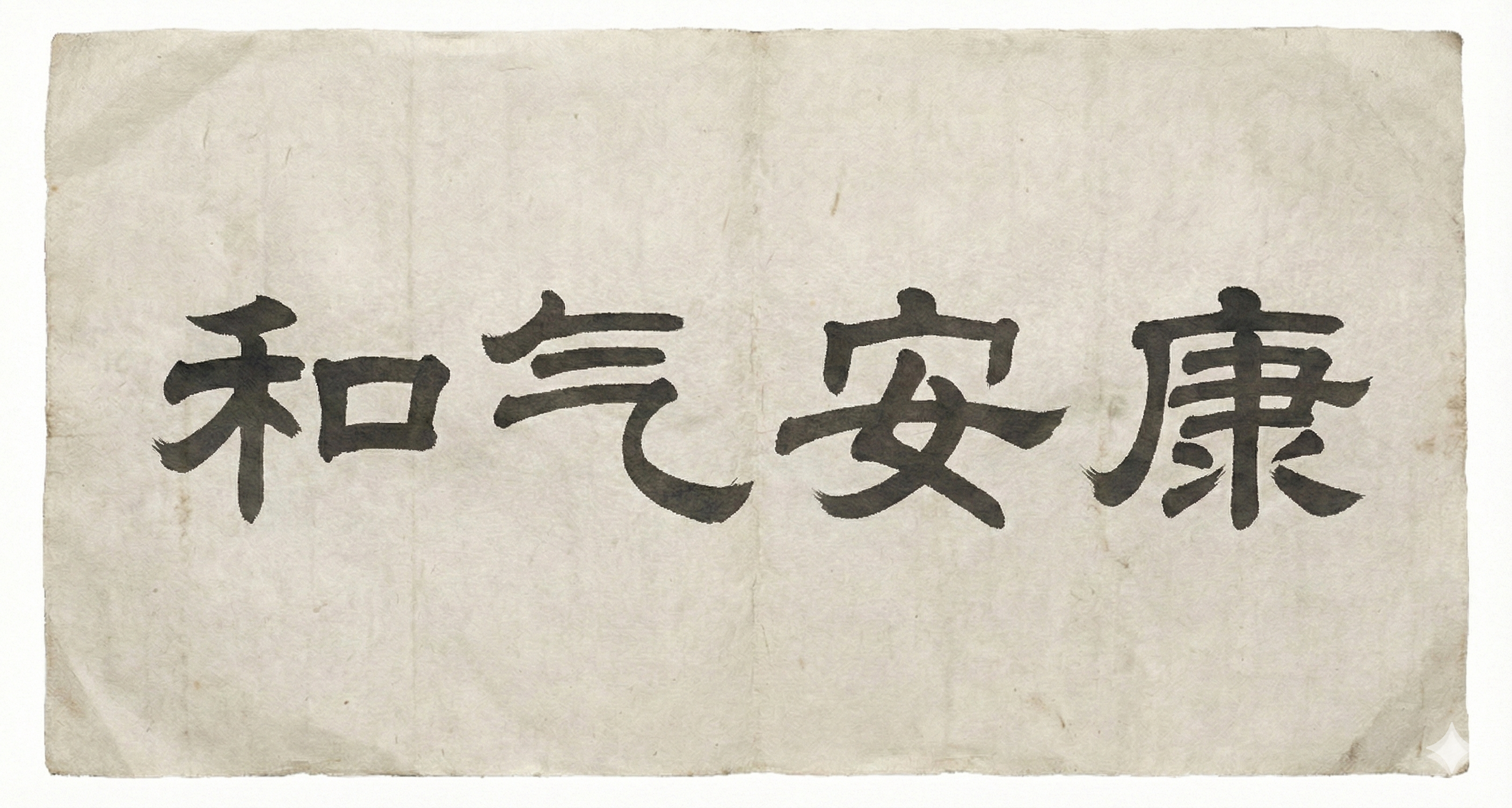
○ Calligraphy and engraving therapy practice
When recognizing a distressing mood disorder, writing can help you take a step back from self-blame. Practice without writing diagnoses or prescribed content; simply enjoy the quiet process at hand. Prolonged low mood is not a personality failure, but a state that needs to be understood. Writing slowly is not the entire treatment, but it is the beginning of gentle care. Even a little bit counts. Stop if you feel uncomfortable. Give yourself some space. Please take it slow. Even a little bit counts. Stop if you feel uncomfortable. Give yourself some space. Please take it slow.

○ Art Therapy Guidance
When recognizing a negative mood disorder, you can use the prolonged low mood as the background color, and then draw yourself still living your life within that background. Don't depict yourself as a failure; simply show how this state accompanies, consumes, and affects you. The image will remind you: this isn't a personality failure, but a predicament that needs understanding and care. It doesn't need to be perfect. Stop if you feel uncomfortable. Even a little bit counts. Take it slow. It doesn't need to be perfect. Stop if you feel uncomfortable. Even a little bit counts. Take it slow.
Please log in before submitting your drawings and feelings.

○ Diary Healing Suggestions
Please write down your most striking understanding of "disturbance" today: it's not a personality failure, but a long-term psychological state that requires care. Also, write down a small action, such as recording the duration, intensity, and impact on your life due to the low mood. If the distress worsens, please seek professional support promptly. Clearly describing yourself is the beginning of seeking help. After writing, give yourself a gentle affirmation: I am learning, and I don't need to be perfect all at once. If you can only do a little today, please acknowledge that even a little counts. Please schedule your small actions lightly, so that you truly have a chance to achieve them tomorrow.
Please log in to use.
May you gradually return to a more stable, clear-headed, and gentler version of yourself through today's practice.