

Lesson 471: Responding to Recovery Actions After Things Get Out of Control

Course duration:70 minutes
This course teaches how to recover after a loss of control. After an outburst, the most important thing is to avoid continuing to run away or blame yourself. The course will help you review the facts, acknowledge the impact, express your apologies, propose specific adjustments, and give yourself opportunities to practice again so that recovery can truly happen.
○ Course topic audio
Lesson 471: Responding to Recovery Actions After Things Get Out of Control
Click to view the read-aloud text
Today, I want to gently approach you with the theme: Repairing after things get out of control. After things get out of control, many people immediately fall into two states: one is desperately trying to explain and salvage the relationship; the other is hiding away, feeling terrible and afraid to face it. Please let your body stop for a moment. Repair isn't done when shame is at its peak, nor is it about proving regret through excessive self-blame. Truly powerful repair requires clarity, specificity, and a touch of gentleness. You can start with a small act of calming down: drink water, wash your face, sit down, put your phone away, or write down that it's not the right time to continue communicating. Once your body calms down, begin the four-step repair process. Step 1: Review the facts. Only write down what happened, without making judgments like "I'm terrible." Step 2: Recognize the impact. Think about how this might have made the other person feel, and how it might have affected you. Step 3: Take responsibility for your part. For example, I spoke too loudly, I didn't stop in time, and I said hurtful things. Step 4: Propose specific actions for next time. For example, I would say "stop" when my emotions reach a certain level, I would leave the scene for ten minutes, and I would write it down before communicating again. Please remember that saying "I'm sorry" is important, but if there's only an apology without new rules, the relationship can easily fall back into the old cycle. Repair can be expressed like this: "I was too emotional just now and said things that hurt you. I take responsibility for that. Next time I feel like I'm about to lose control, I'll say 'stop' first, instead of continuing the argument. When you're willing, let's see together how to communicate more safely." This expression shows responsibility but also sets boundaries. If the other person needs time, please allow it. Repair isn't about controlling whether the other person forgives you immediately, but about doing what you can to help. Also, repair your relationship with yourself. You can tell yourself: "I made a mistake, but I can still learn; I need to take responsibility and I need rest; I don't want to change by punishing myself." If losing control involves the risk of harming yourself or others, please prioritize safety, contact a professional or someone you trust, and don't bear it alone. After reading this, please write down a specific repair action and a signal to pause in advance next time.

AI Healing Q&A
Repairing after things get out of control is crucial. AI can help you organize the facts, the damage, the responsibility, and concrete commitments, instead of letting shame overwhelm you. You can describe the situation where you want to apologize but don't know how to say it. AI will help you turn repair into clear actions and remind you to adjust your caffeine and sugar intake. If the pain intensifies, seek professional support promptly. Give yourself patience and space. Take it slow; you don't need to be perfect the first time. Just take one small step today. If the pain intensifies, seek professional support promptly.

○ Music therapy guidance
After losing control, don't rush to explain. Play some calming music to allow shame, regret, and defensiveness to gradually subside. Once you're more relaxed, write down your thoughts on healing: I see the impact, I'm willing to take responsibility, and I'll do what I should do next time. Healing requires clarity, not being done at the height of your emotions.

○East-West Healing Tea Drinks
○ Lavender Lemon Tea: Recovery after a loss of control requires gentleness, but also a touch of clarity. Lavender lemon tea is perfect for this moment; the lavender is calming, and the lemon is refreshing. Relax your body before drinking it, then write down your apology or explanation. Don't communicate when you're most ashamed; wait until you've calmed down a bit, and your words will be more sincere.
○ Healing Recipes
○ Healing Recipe: Vanilla Cocoa Drink
Vanilla cocoa is gentle and sweet, perfect for a soothing evening when you're feeling stressed. The cocoa adds richness, while the vanilla softens the aroma. Before drinking, turn off any strong stimulants and give yourself ten minutes to relax; let this drink be a gentle bridge to rest.
Open the healing recipe
◉ Chinese Dietary Therapy: Motherwort Porridge
I. Recommended Dietary Therapy and Reasons
Recommended dishes:Motherwort porridge
Recommended reasons:Motherwort porridge is a mild, soft, and easy-to-eat Chinese medicinal porridge, suitable for inclusion in courses on mood disorders as support for physical settling and rhythm restoration. When emotions have just escalated or erupted, the body often experiences symptoms such as loss of appetite, chest tightness, fatigue, or emptiness. A bowl of hot porridge can help shift attention from conflict and self-blame back to the present moment.
2. Recipe and Method
Recipe (1–2 servings):
- Motherwort 6 g
- 60 g japonica rice
- 850 ml of clean water
- A little brown sugar, optional
practice:
- Rinse rice thoroughly. Beans, lotus seeds, and white fungus, which are harder ingredients, can be soaked in advance.
- First, rinse the medicinal ingredients that need to be processed simply. Blanch meat or special ingredients as needed or cut them into small pieces.
- Add water and the main ingredients to a pot, bring to a boil over high heat, then reduce to low heat and simmer.
- Stir gently during cooking to prevent burning and allow the aromas of the ingredients to blend slowly.
- Once the rice grains have opened up and the porridge has become soft and thick, add ingredients that are easy to cook or that need to retain their aroma.
- Season sparingly according to taste, keeping the flavor as light as possible, and avoid overpowering the ingredients with excessive sugar, salt, or strong flavors.
- Let it cool slightly after serving before eating, allowing your body to gradually settle down in the warmth and softness.
3. Small rituals for body and mind
When cooking motherwort porridge, you can first arrange the ingredients neatly so you can see their color, shape, and texture. This small action can help you gradually bring your attention back to the present moment from a state of emotional turmoil.
While waiting for the porridge to soften, give yourself three slow breaths. You don't need to explain, apologize, or solve everything immediately; just let your body know that it's safe for now.
When you take your first bite, focus on the temperature, aroma, and soft texture. You can gently tell yourself: I'm taking care of myself; I'm willing to slow down; I can start over.
4. Dietary Therapy Experience Record
- Record the time of consumption: whether it is breakfast, lunch, dinner, or a meal to settle down after emotional fluctuations.
- Observe changes in stomach comfort, body temperature, mental stability, and mood intensity within 30–60 minutes after consumption.
- If you consume it on days when you are prone to emotional outbursts, you can record whether it helps you slow down or gives your body a greater sense of security.
V. Instructional Videos (approximately 3–5 minutes)
Video Title:Motherwort Porridge: A gentle and soothing Chinese medicinal porridge
6. Precautions
- Porridge should be eaten warm, not too hot or too cold, to avoid putting extra strain on the stomach.
- Sugar intake can be reduced or eliminated depending on individual circumstances; those with abnormal blood sugar levels should prioritize following medical advice.
- If you have a poor appetite, you can eat a small amount first and don't have to force yourself to finish the whole bowl.
- This recipe contains ingredients that are specifically targeted at certain individuals. If you are pregnant, have a chronic illness, are taking medication, or have an unknown constitution, please consult a doctor or nutrition professional first.
hint:This recipe is for daily physical and mental well-being and is not a substitute for any medical diagnosis or treatment. If you have chronic illnesses, are pregnant, have a history of allergies, have special nutritional restrictions, or are currently taking medication, please prioritize following the advice of your healthcare provider and nutritionist.
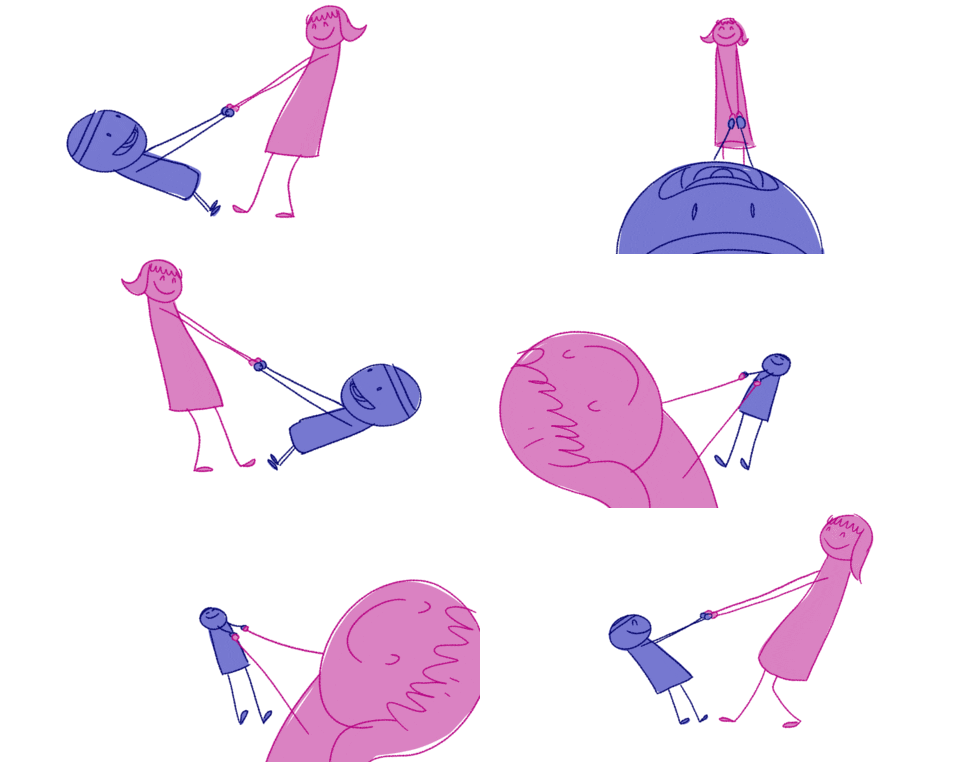
Mandala Viewing Healing
Repairing after things get out of control can begin with quietly observing a mandala. First, let your body slowly calm down from shame and defensiveness, then think about what to take responsibility for, what to repair, and how to pause next time. The image will remind you that relationships can be repaired slowly, and people can grow closer again through practice.
● AI Dynamic Geometric Vision Focus and Emotion Regulation Engine ●
AI Dynamic Geometric Vision Focus and Emotion Regulation Engine · v7.0.0
Before we begin, I'd like to know how you feel right now.
There is no standard answer; just choose the one that best reflects how you feel right now.
The experience is over. Tell us how you feel now.
There is still no standard answer; just choose the one that best reflects how you feel right now.
#FF5252
After the fluorescent line crawling is completed and stopped, first select a color, then click on the closed area in the graphic to fill in the color.
AI Digital Mandala Interactive Focus Engine
A–Z Free Selection · Layered Lines · 60 Color Fills
AI Digital Mandala Static Focus EngineAZ Image Coloring · 60 Colors

○ Calligraphy and engraving therapy practice
Before attempting any healing after things have spiraled out of control, please write a short inscription. Don't prescribe anything, and don't let shame overwhelm you; simply allow your nervous system to calm down from its peak. Once you've stabilized somewhat, then organize the facts, responsibilities, and specific commitments. True healing requires clarity, but also gentleness. If you feel uncomfortable, pause. Give yourself some space. Take it slow. Even a little bit counts. If you feel uncomfortable, pause. Give yourself some space. Take it slow. Even a little bit counts. If you feel uncomfortable, pause.


○ Art Therapy Guidance
Repairing after things get out of control can be done by drawing a repair checklist: facts, harm, responsibility, apology, and remedy. Don't just draw yourself as the loser, and don't skip over the impact. The image will help you see that repair isn't about denying what happened, but about acknowledging it and choosing how to move forward more responsibly. If you feel uncomfortable, pause. Even a little bit counts. Take it slow. It doesn't need to be perfect.
Please log in before submitting your drawings and feelings.
○ Diary Healing Suggestions
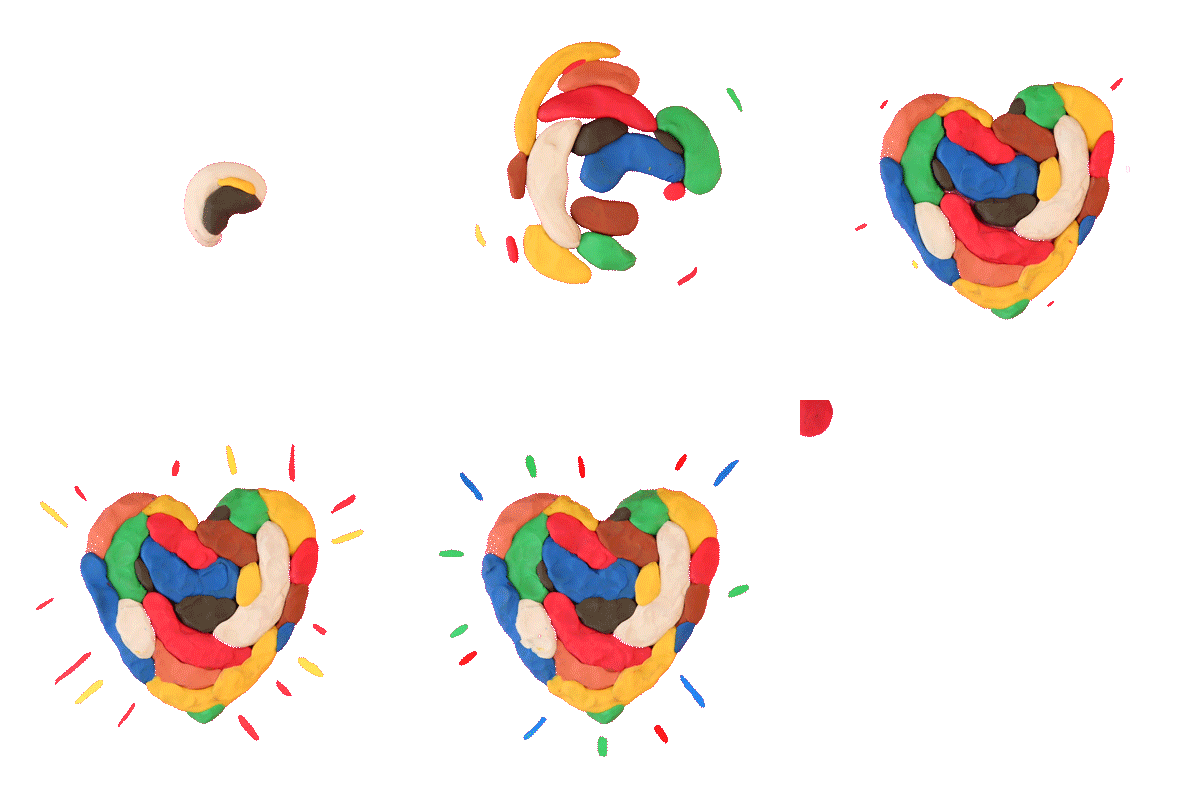
After things get out of control, write down four things: the facts, the harm done, the responsibility, and a specific commitment. Also, write down a small action and prepare a restorative statement, instead of just wallowing in shame. Restoration isn't about denying the problem or punishing yourself, but about acknowledging the impact and then slowly rebuilding trust through clear actions. After writing, give yourself a gentle affirmation: I'm learning, and I don't need to be perfect all at once. If you can only do a little today, acknowledge that little bit counts. Plan your small actions lightly, so you truly have a chance to achieve them tomorrow. A journal isn't an exam; it's a place where you can be understood.
Please log in to use.
May you gradually return to a more stable, clear-headed, and gentler version of yourself through today's practice.