

Lesson 515: Comprehensive Strategies for Alleviating Insomnia and Morning Anxiety

Course duration:70 minutes
This course will help you create a checklist of warning signs of relapse. Disrupted sleep, reduced social interaction, physical tension, decreased interest, and increased anxiety may all be reminders that you need care. The course will help you write down coping steps and people you can contact in advance, so you won't feel so alone when fluctuations occur.
○ Course topic audio
Lesson 515: Comprehensive Strategies for Alleviating Insomnia and Morning Anxiety
Click to view the read-aloud text
Today, I want to gently approach you with the topic: a checklist of warning signs of relapse. Emotional fluctuations often don't happen suddenly; they leave traces beforehand. We're just busy holding on, busy pretending everything's fine, often only realizing we've slipped when it's already very serious. This checklist isn't meant to scare you, nor is it to prove you have a problem; it's to help you take care of yourself sooner. Think back to the signs that usually appeared before your condition worsened. Did your sleep become irregular? Did your appetite change? Did you socialize less? Did your body feel more tense? Did your worries increase? Did your interests decline? Did you start procrastinating on everything? Did you cry more easily? Did you get angry more easily? Did you start feeling that all your efforts were meaningless? Please write these down as your personal warning signs. Then, assign a care action to each sign. If your sleep is irregular, restore your bedtime routine; if your social life has decreased, send a message to someone you trust to let them know you're okay; if your body feels tense, do three minutes of breathing exercises or stretching; if your worries increase, write down the controllable aspects; if despair intensifies, immediately contact support resources. Please keep the checklist in an easily accessible place, because when you're in a bad state, it's difficult to find solutions on the fly. You can also tell someone you trust: "If I experience these signs, please gently remind me to take care of myself." Remember, prevention isn't just for those who have failed; it's protection everyone recovering deserves. Recognizing the signs early isn't overreacting, but rather a way of actively protecting yourself. After reading aloud, please write down the three earliest warning signs you experienced, and a gentle action corresponding to each sign.

AI Healing Q&A
○ AI-powered healing and Q&A: When you're worried about your mood worsening again, AI can help you identify warning signs of a relapse. AI will help you write down changes such as disrupted sleep, altered appetite, reduced social interaction, physical tension, and increased anxiety, and then provide small steps for taking care of yourself in advance for each signal, so you don't have to wait until it gets too serious before seeking help.

○ Music therapy guidance
○ Music Therapy Guidance: When processing relapse warning signs, play some calming music to create a safe environment for reviewing changes. Don't treat warning signs as failures, but rather as reminders. While listening to the music, write down changes in sleep, appetite, social life, physical condition, and worries, and then assign a care action to each.

○East-West Healing Tea Drinks
○ Lotus Leaf and Chrysanthemum Tea: When dealing with warning signs of relapse, brew a cup of lotus leaf and chrysanthemum tea. The light tea is perfect for reflecting on changes in sleep, appetite, social life, physical condition, and anxieties. Don't treat these warning signs as failures; instead, see them as reminders: I can take care of myself sooner.
○ Healing Recipes
Lesson 515: List of Warning Signs of Relapse
○ Healing Recipe: Roasted Grapefruit Radish: When processing warning signs of relapse, roasted grapefruit radish is a good option. After roasting the radish until soft, add a small amount of grapefruit peel or juice for a gentle and refreshing aroma. It's suitable for calming the body when reviewing emotional changes. While eating, write down signs of sleep, appetite, social activity, and anxiety to take care of yourself in advance.
Open the healing recipe
◉ Japanese Food Therapy: Roasted Yuzu and Radish
I. Recommended Dietary Therapy and Reasons
Recommended dishes:Roasted grapefruit and radish (cooling and aromatic, relaxing)
Recommended reasons:This lesson establishes a checklist of warning signs of relapse. Aromatic and mild foods are helpful in reviewing changes in sleep, appetite, social interactions, and anxieties.
2. Recipe and Method
Recipe (1–2 servings):
- 200g white radish
- 1 teaspoon of grapefruit juice
- A little grapefruit peel
- A pinch of salt
- A few drops of olive oil, optional.
practice:
- Wash the main ingredients thoroughly. Prepare the parts that need to be peeled, sliced, or shredded by cutting them into small, easy-to-eat pieces.
- Lightly roast sliced radish until tender, then add grapefruit aroma.
- Keep the seasoning light, with less salt and sugar, and avoid using strong flavors that overpower the ingredients, making it easier for the body to accept.
- During the preparation process, you can slow down your movements and treat washing, cutting, boiling, and mixing as a small exercise to bring your attention back to the present moment.
- After serving, let it cool slightly to a comfortable temperature before eating to avoid putting extra strain on your body if it's too hot or too cold.
- Take your first bite slowly, savoring the aroma, temperature, and texture before letting your body decide whether to continue.
- If you have a poor appetite that day, you can eat a small amount. There is no need to force yourself to finish it. The key is to let your body know that you are being taken care of.
3. Small rituals for body and mind
When preparing roasted grapefruit and radish, you can first arrange the ingredients neatly to observe their color, shape, and delicate texture. This small action can help shift your focus from anxiety, depression, or recurring worries back to the present moment.
While waiting for your food to finish, give yourself three slow breaths. You don't need to immediately explain all your emotions or solve all your problems; just let your body know that you are safe at this moment.
When you take your first bite, focus on the temperature, aroma, and soft texture. You can gently tell yourself: I'm taking care of myself; I'm willing to slow down; I can start over.
4. Dietary Therapy Experience Record
- Record the time of consumption: whether it is breakfast, lunch, dinner, or a meal to settle down after emotional fluctuations.
- Observe changes in stomach comfort, body temperature, mental stability, and mood intensity within 30–60 minutes after consumption.
- If you consume it on days when you feel particularly anxious or down, you can keep track of whether it helps you slow down or gives your body a greater sense of security.
V. Instructional Videos (approximately 3–5 minutes)
Video Title:Roasted Yuzu and Radish: Japanese Refreshing Food Therapy and Emotional Calming
6. Precautions
- Dietary therapy should be done in small, light portions, and adjusted according to the body's reaction. It is not recommended to force yourself to finish a meal when you are feeling unwell.
- If you are allergic to seaweed, soy products, eggs, fish, tea, or citrus fruits, please choose suitable alternatives.
- Those with sensitive stomachs, pregnant women, those with chronic diseases, or those currently taking medication should prioritize following the advice of medical professionals and nutritionists.
hint:This recipe is for daily physical and mental well-being and is not a substitute for any medical diagnosis or treatment. If you experience emotional distress, noticeable or persistent physical symptoms, please seek professional help promptly.

Mandala Viewing Healing
When organizing warning signs of relapse, please observe a mandala that curves inward from the outside. Write down one signal for each circle: sleep, appetite, social interaction, physical health, and worry. It's not a record of failures, but a map for proactively protecting yourself. The earlier you see the signs, the gentler the care you can provide.
● AI Dynamic Geometric Vision Focus and Emotion Regulation Engine ●
AI Dynamic Geometric Vision Focus and Emotion Regulation Engine · v7.0.0
Before we begin, I'd like to know how you feel right now.
There is no standard answer; just choose the one that best reflects how you feel right now.
The experience is over. Tell us how you feel now.
There is still no standard answer; just choose the one that best reflects how you feel right now.
#FF5252
After the fluorescent line crawling is completed and stopped, first select a color, then click on the closed area in the graphic to fill in the color.
AI Digital Mandala Interactive Focus Engine
A–Z Free Selection · Layered Lines · 60 Color Fills
AI Digital Mandala Static Focus EngineAZ Image Coloring · 60 Colors

○ Calligraphy and engraving therapy practice
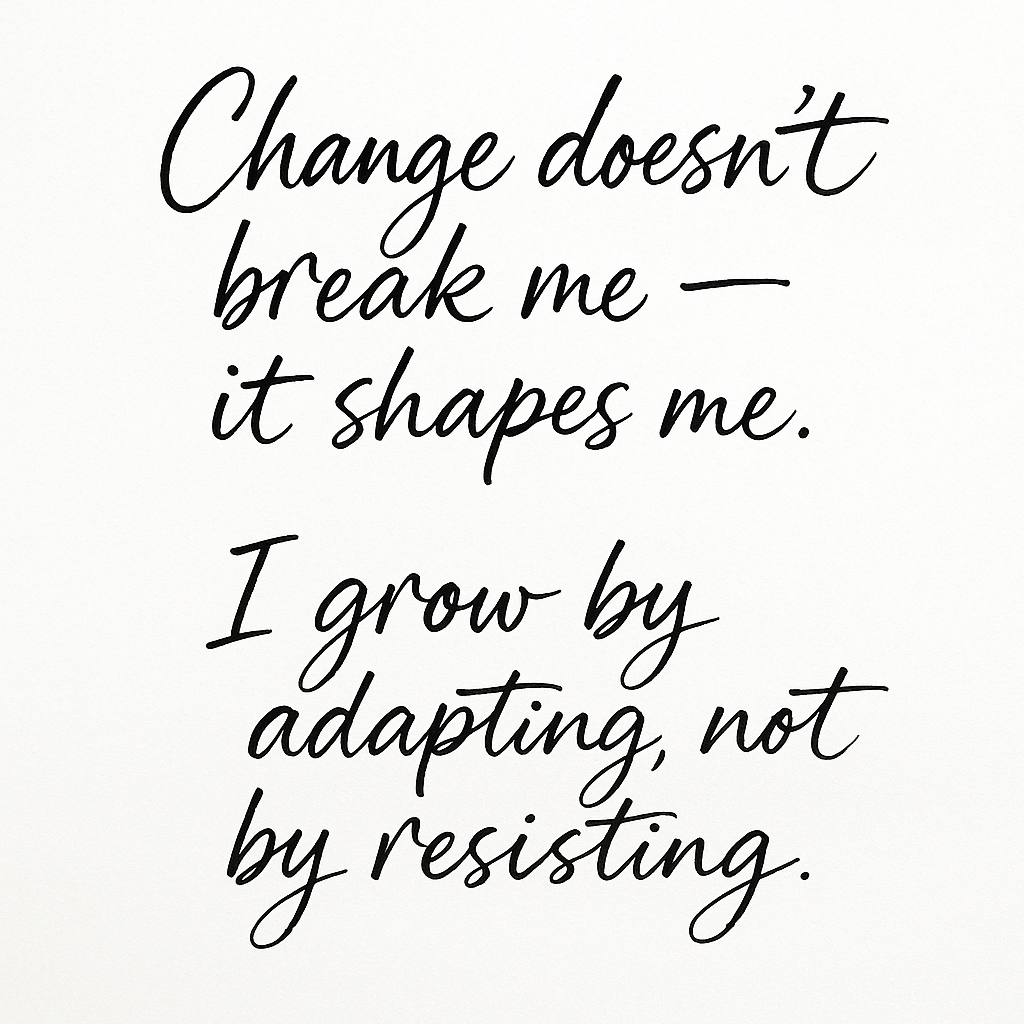
This calligraphy and seal engraving exercise has no specific content and does not require perfect character formation. When facing alternating insomnia and morning anxiety, please focus your attention on holding the pen, placing the pen, pausing, and breathing, allowing the repetitive hand movements to gradually calm your nerves. When nights and mornings are difficult, please move even lighter, letting your body know that you can slowly wake up. Please take it slow. The focus of the exercise is not on how many characters you complete, but on maintaining a reliable sense of stability in each stroke, gently accompanying yourself through the day.

○ Art Therapy Guidance
Please draw an early warning map, representing sleep, appetite, social interaction, physical health, and worry as five separate stations. Next to each station, draw a care action, such as resting, drinking water, contacting someone, or slow breathing. This is not a failure map, but a protective route. After completing this, circle the earliest signal you experience.
Please log in before submitting your drawings and feelings.

○ Diary Healing Suggestions
Please write down the three earliest warning signs of relapse that you experienced, such as irregular sleep, changed appetite, reduced social interaction, increased physical tension or anxiety. Accompany each sign with a corresponding action to take to address it. Finally, write: Early detection is not failure, but rather protecting my future self.
Please log in to use.
May you gradually return to a more stable, clear-headed, and gentler version of yourself through today's practice.