

Lesson 553: The Mechanism for Balancing Reason and Emotion

Course duration:70 minutes
Reason and emotion are not enemies. Emotions remind you where you're hurt and where you need protection; reason helps you assess reality and choose the right time and method. This course helps you make them work together, not suppress each other. You don't have to deny your feelings with reason, nor do you have to let your emotions make all the decisions for you. The course will help you put feelings and reality on the same table, respecting your emotions and making your actions more prudent. Give yourself a fresh start. Let your heart slowly find its direction. You deserve to be treated gently.
○ Course topic audio
Lesson 553: The Mechanism for Balancing Reason and Emotion
Click to view the read-aloud text
In this audio clip, let's not rush to judge where you went wrong. First, focus your attention back on what's happening in your mind. The theme of this lesson is "The Coordination Mechanism of Balancing Reason and Emotion." Reason and emotion can work together. Emotions remind you where you're hurt and where you need protection; reason helps you assess reality and choose the right time and method. Much suffering comes from suppressing emotions with reason or letting emotions completely dictate your actions. Today, we'll practice caring for both feelings and reality simultaneously, preventing the two systems from fighting each other. When you're willing to see yourself this way, the inner criticism will lessen, and the parts that truly need care will have a chance to be heard. If a person or relationship comes to mind, don't rush to judge the other person or blame yourself. First, acknowledge: that event did indeed affect me. Before ending, set yourself a small observation task: next time emotions arise, recognize one signal first, instead of rushing to deal with everything. If you need professional support, contact a therapist, doctor, or trusted person in person. You can continue learning with uncertainty. Every time you see something, you add new possibilities. You don't have to explain everything at once. Your feelings can be taken seriously. This kind of tidying up is itself a form of care. It gives emotions a place, and it also gives yourself a way out. May this awareness gradually become a new habit in your life. Please treat this as practice, not an exam. It's okay to stop for a moment.

AI Healing Q&A
If you often struggle between emotions and reason, you can have an AI companion engage in a two-column dialogue. The AI will help you write down your emotional voice, rational reminders, and integrated choices, allowing your feelings to be heard and your actions to be safer.

○ Music therapy guidance
To balance reason and emotion, listen to music that is both warm and orderly. The melody represents emotion, and the steady rhythm represents reason. While listening, write down three columns: what your emotions want to say, what your reason reminds you of, and how to respond after integrating the two. Let the two parts cooperate, rather than suppress each other.

○East-West Healing Tea Drinks
Jasmine green tea is perfect for balancing reason and emotion. Green tea brings clarity, while the jasmine aroma remains gentle. When drinking tea, write down three things: what your emotions want to say, what your reason reminds you of, and how you will respond after integrating these elements. Let the aroma of tea accompany you without suppressing your feelings, nor be completely overwhelmed by them.
○ Healing Recipes
Steamed or boiled sweet potatoes are suitable for consumption when emotions and reason are at odds. Sweet potatoes are naturally easy to digest, and their simple sweetness can soothe the body. Eat slowly, and write down what your emotions want to say, what your reason reminds you of, and how you would respond after integrating these thoughts. When the body is stable, the mind is more likely to cooperate.
Open the healing recipe
◉ Japanese Food Therapy: Steamed Sweet Potatoes
I. Recommended Dietary Therapy and Reasons
Recommended dishes:Steamed or boiled sweet potatoes (naturally easy to digest)
Recommended reasons:This lesson balances reason and emotion. Steamed or boiled sweet potatoes are naturally easy to digest, and their simple sweetness can soothe the body, helping you find a more harmonious balance between emotion and reason.
2. Recipe and Method
Recipe (1–2 servings):
- 200g sweet potato
- Appropriate amount of clean water
- A pinch of salt, optional
- Optional: A small amount of black sesame seeds
- Optional: a small amount of warm milk
practice:
- Wash the main ingredients thoroughly, and prepare the parts that need to be soaked, peeled, sliced, or cut into small pieces first.
- Wash and cut the sweet potatoes into chunks, then steam or boil them to retain their natural sweetness without adding any complicated seasonings.
- If using fish, shellfish, or chicken, ensure the ingredients are fresh and fully cooked; if you have a sensitive stomach, prioritize steaming, boiling, or slow cooking.
- Keep the seasoning light, with less salt, sugar, and oil, and avoid using spicy or strong flavors that overpower the ingredients.
- During the cooking process, you can slow down your movements and treat washing, cutting, boiling, and serving as a small exercise to return to the present moment.
- Let it cool slightly after serving before eating to avoid it being too hot or too cold, thus reducing additional irritation to the stomach.
- Take your first bite slowly to appreciate the temperature, aroma, and texture. If you have a poor appetite that day, you can eat a small amount without forcing yourself to finish it.
3. Small rituals for body and mind
When preparing sweet potatoes for steaming or boiling, you can first arrange the ingredients neatly to observe their color, shape, and texture. This small action can help shift your attention away from emotional reactions, relational stimuli, or self-blame and bring it back to the present moment.
While waiting for the food to soften or for the soup to rise, give yourself three slow breaths. You don't need to explain, respond, or fix everything immediately; just let your body know that it's safe at this moment.
When you take your first bite, focus on the temperature, aroma, and soft texture. You can gently tell yourself: I'm taking care of myself; I'm willing to slow down; I can choose my next step again.
4. Dietary Therapy Experience Record
- Record the time of consumption: whether it is breakfast, lunch, dinner, or a meal to settle down after emotional fluctuations.
- Observe changes in stomach comfort, body temperature, mental stability, and mood intensity within 30–60 minutes after consumption.
- If you consume it on days with high emotional reactions, relationship triggers, or significant self-blame, you can record whether it helps you slow down or gives your body a greater sense of security.
V. Instructional Videos (approximately 3–5 minutes)
Video Title:Steamed Sweet Potatoes: Japanese Dietary Therapy for Gastrointestinal Health and Emotional Well-being
6. Precautions
- Dietary therapy for gastrointestinal issues should be small, mild, and light. It is not recommended to force yourself to finish a meal when you have an upset stomach.
- If you are allergic to fish, shellfish, soy products, yams, sesame, tea, or fermented foods, please substitute with suitable ingredients.
- Those with gastritis, gastrointestinal diseases, pregnancy, chronic diseases, special nutritional restrictions, or currently taking medication should prioritize following the advice of medical professionals and nutritionists.
hint:This recipe is for daily physical and mental well-being and is not a substitute for any medical diagnosis or treatment. If you experience emotional distress, noticeable or persistent physical symptoms, please seek professional help promptly.

Mandala Viewing Healing
To balance reason and emotion, visualize a mandala of harmony. One side represents emotion, the other reason, and the center represents your integrated self. Do not let either side disappear. Slowly move your gaze between the two sides, practicing hearing your feelings and seeing reality simultaneously.
● AI Dynamic Geometric Vision Focus and Emotion Regulation Engine ●
AI Dynamic Geometric Vision Focus and Emotion Regulation Engine · v7.0.0
Before we begin, I'd like to know how you feel right now.
There is no standard answer; just choose the one that best reflects how you feel right now.
The experience is over. Tell us how you feel now.
There is still no standard answer; just choose the one that best reflects how you feel right now.
#FF5252
After the fluorescent line crawling is completed and stopped, first select a color, then click on the closed area in the graphic to fill in the color.
AI Digital Mandala Interactive Focus Engine
A–Z Free Selection · Layered Lines · 60 Color Fills
AI Digital Mandala Static Focus EngineAZ Image Coloring · 60 Colors

○ Calligraphy and engraving therapy practice
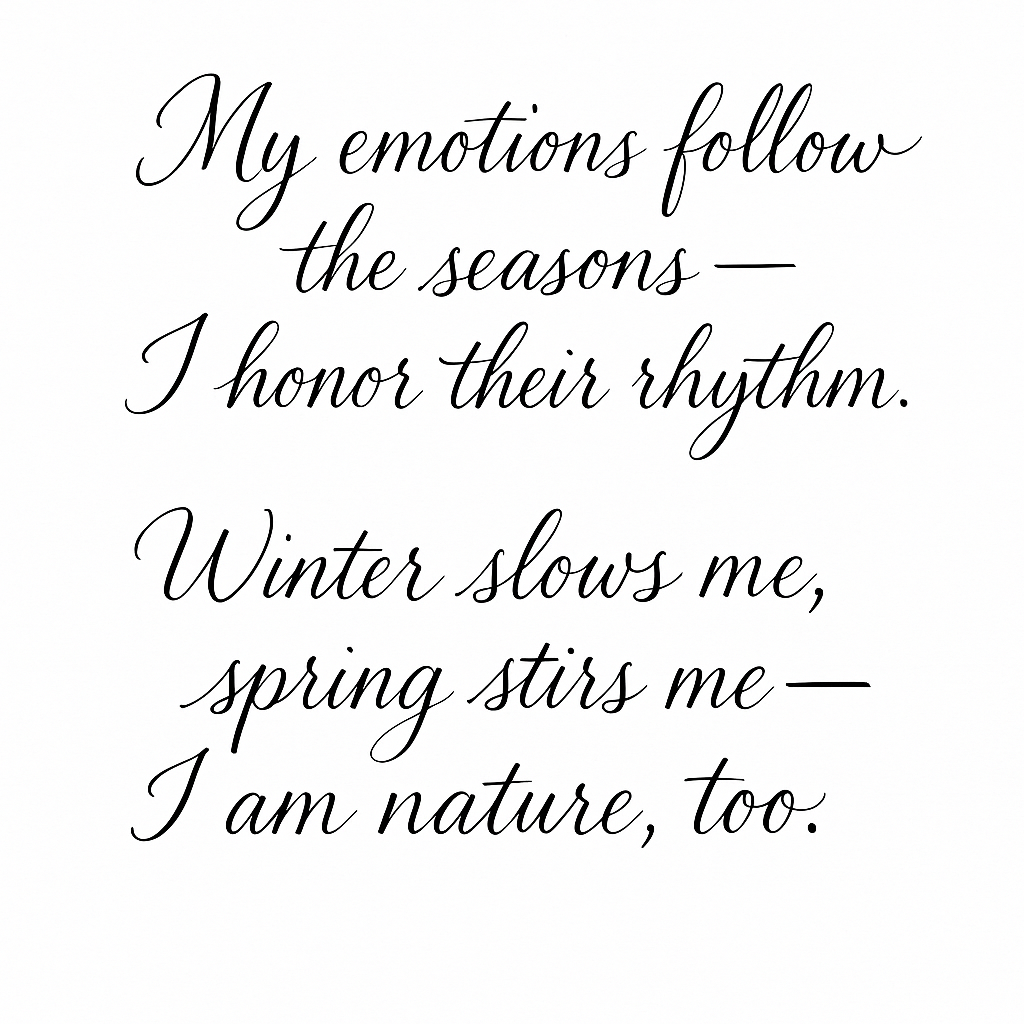
This calligraphy and seal engraving exercise doesn't involve specific writing content or strive for perfect character shapes. When reason and emotion clash, focus your attention on holding the pen, placing the pen, pausing, and breathing. Let each stroke become a gentle pause, helping your nerves slowly return from heightened reflexes to the present moment. Don't rush to explain right or wrong; simply give yourself some safety, boundaries, and space to reconsider within stable movements. Even if the practice is short, it's still taking care of yourself. Please take your time; there's no need to prove yourself today.

○ Art Therapy Guidance
Draw a balance scale, with emotions on one side and reason on the other. On the emotions side, you can draw fire, water, or clouds; on the reason side, you can draw lights, lines, or a map. Finally, draw a hand supporting both sides at the bottom of the scale, reminding yourself: I don't need to suppress my emotions, nor do I need to give up thinking.
Please log in before submitting your drawings and feelings.

○ Diary Healing Suggestions
Please write your diary in three columns: what your emotions want to say, what your reason tells you, and what your final choice is. Don't let reason suppress your emotions, nor let emotions overwhelm reason. Finally, write a balancing statement: I acknowledge that I am hurt, but I choose a safer response.
Please log in to use.
May you gradually return to a more stable, clear-headed, and gentler version of yourself through today's practice.