
Lesson 64: Use your body to relax and reduce tension

Duration:70 minutes
Topic Introduction:The most insidious aspect of shame is that it makes you believe the problem is with you, rather than that the situation is terrible. It forces you to retreat, become silent, and withdraw from relationships. This course will guide you to identify the chain of shame, self-blame, and self-isolation, and practice translating "I'm ashamed" into "I'm very vulnerable right now, I need reassurance." When learning, keep your focus small, observing only one reaction and performing a gentle action. You don't need to change yourself immediately; simply try to understand more within safe boundaries.
○ Course Topic Audio
Lesson 64: Use your body to relax and reduce tension
Click to view the read-aloud text
This lesson revolves around "How Shame Pushes Me Back into a Corner." The practice isn't about eliminating fear all at once, but rather breaking it down into four parts: thoughts, body, behavior, and relationships, allowing for gradual adjustments to each. Shame makes one believe the problem is with themselves. This lesson identifies the chain of shame, self-blame, and self-isolation, translating "I'm ashamed" into "I'm vulnerable." When social anxiety arises, the mind often automatically generates conclusions: they must have noticed me, they must think I'm strange, I just said something wrong, I'll be rejected. Simultaneously, the body enters a state of heightened alertness: heart rate increases, breathing becomes shallow, face flushes, throat tightens, and even the mind goes blank. Remember, these reactions are not failures, but rather the body executing protective mechanisms. The first step in this lesson is to slightly shift attention from "how others are seeing me" to "what I'm experiencing right now." You can write three columns on paper: what I worry about others thinking; what evidence I've actually seen; and whether there's a gentler, more realistic interpretation. This isn't self-hypnosis, but rather separating mind-reading, catastrophizing, and the spotlight effect from reality. The second step is to give your body a reassurance. You can place your feet firmly, exhale slowly, gently relax your jaw and shoulders, and allow yourself three seconds to pause before answering. Social anxiety is most averse to the command, "I must perform well immediately." The more you allow yourself to slow down, the more your body has the opportunity to withdraw from the feeling of being judged. The third step is to choose a small, authentic social action. It could be sending a short message, sharing a genuine feeling with someone you trust, maintaining your presence in a group for only five minutes, or practicing a transition phrase. The goal isn't perfect performance, but rather allowing your nervous system to learn little by little: I can be seen, but I won't necessarily be harmed. If certain social situations involve humiliation, aggression, constant control, or real danger, you don't need to force yourself to expose yourself to them. Healing isn't about enduring harm, but about helping you distinguish between real threats and anxiety misreporting. Seek help from a therapist, doctor, family member, or trusted supporter when needed. Finally, give yourself a reassuring reminder: I can be nervous, and I can slowly engage in relationships; I can be imperfect, and I still deserve respect. Today, simply recognizing one more anxiety pattern, completing a small experiment, or reducing self-criticism is already a step towards restoring social safety. After reading aloud, please write down a minimal social exercise and a boundary you can use to protect yourself. The next time you enter a social situation, don't strive for complete relaxation; just remember to breathe, pause, and observe the evidence. You are not learning to please everyone, but to remain authentic and safe in relationships. Every gentle attempt accumulates new experience for your body: being seen does not equate to being rejected. After reading aloud, please write down a minimal social exercise and a boundary you can use to protect yourself.

AI Healing Q&A
Shame makes you want to hide in a corner, as if you're safe as long as you're not seen. You can tell the AI the moment that makes you feel ashamed and want to disappear, and it will help you distinguish between "I did something wrong" and "I feel terrible." Shame needs to be gently accepted, not continuously whipped. After practicing, tell yourself: "That moment was difficult, but I'm not bad." After answering your questions, write "I'm not bad," allowing the shame a chance to gradually dissipate. This is already practice. It doesn't have to be completed all at once.

○ Music therapy guidance
Shame can make you want to hide, as if you're completely wrong. Find some soft, steady music, dim the lights, and give yourself a space where you won't be interrogated. While listening, if unpleasant thoughts come to mind, don't fight them; just focus on the sound. Shame needs gentleness, not punishment. After practicing, write down: I may not be perfect, but I still deserve respect. Lighten your shame, let your breath in. Slow down the tempo. Don't rush to prove anything.

○Eastern and Western Healing Teas
This lesson suggests choosing mild, light, and non-stimulating teas to help stabilize your body's rhythm after learning how shame pushes you back into a corner. You can sip small amounts of osmanthus oolong, light black tea, or herbal tea slowly. Avoid drinking it too strong, too hot, or too quickly; treat the first sip as a pause signal, allowing your stomach, breathing, and attention to slow down. If you are sensitive to caffeine, you can use decaffeinated herbal tea or warm water instead. (The last sentence is a repetition of the previous one and can be omitted.)
○ Healing Recipes
White lentil and poria soup
White hyacinth bean and poria cocos soup is a suitable healing recipe after this lesson. It's gentle, easily digestible, and low-burden, replenishing the body with stabilizing energy after learning how shame pushed me back into a corner, reducing the amplification of social anxiety experiences caused by hunger, fatigue, and tension. Eat slowly, observing your hunger, satisfaction, breathing, and feelings of relaxation. It doesn't aim for elaborate presentation, but rather serves as a gentle replenishment after social practice. Let food become part of your sense of security, helping your body return from tension to stability.
Open the healing recipe
◉ Chinese Food Therapy · Soup Recipes · 64. White Hyacinth Bean and Poria Cocos Soup
I. Recommended Dietary Therapy and Reasons
Recommended dishes:White lentil and poria soup
Recommended reasons: White hyacinth bean and poria cocos soup is a light, delicate, and slowly sipped Chinese medicinal soup, suitable for inclusion in social anxiety courses as daily support to regulate stomach rhythm and reduce physical heaviness. The white hyacinth beans become soft after cooking, and the poria cocos has a subtle aroma. When combined with rice flour to form a soup, the taste is mild and not heavy. It is suitable for use when eating irregularly, experiencing stomach discomfort after stress, or craving a light diet. The gentle soup texture naturally slows down the eating pace, helping the body gradually return to a state of calm from tension and chaos.
2. Recipe and Method
Recipe (1–2 servings):
- 35g of white hyacinth beans, soaked in advance.
- Poria cocos 10 g
- 1 tablespoon of rice flour
- 800 ml of clean water
- A small amount of dried tangerine peel, optional
- A little rock sugar, optional
practice:
- Wash the main ingredients in advance, and soak harder beans, lotus seeds or barley in advance.
- Add water and the ingredients that need to be cooked for a long time to a pot, and bring it to a boil over high heat.
- Simmer over low heat for 25–40 minutes, until the ingredients have softened.
- Add ingredients that cook more easily and continue to simmer over low heat for 8–15 minutes.
- Mix lotus root starch or rice starch with a small amount of cold water and slowly pour it into the pot.
- Pour while stirring, and cook until the soup becomes smooth and creamy.
- Add a small amount of rock sugar or other ingredients as needed, simmer for 2–3 minutes, and it is ready to eat warm.
3. Small rituals for body and mind
When preparing ingredients for white hyacinth bean and poria cocos soup, you can first observe the color, texture and aroma, and gradually shift your attention from external evaluations back to the actions you are taking.
As the soup gradually becomes smooth, slow down the stirring speed and feel the dispersed ingredients being gently blended. You can remind yourself: I can slow down; I don't need to deal with all the pressure immediately.
When you take your first bite, feel the warmth, softness, and subtle aroma to let your body know that this moment is safe, simple, and bearable.
4. Dietary Therapy Experience Record
- Record when you consume it: is it breakfast, an afternoon snack, after dinner, or a gentle supplement when you are feeling stressed?
- Observe whether there are any changes in stomach comfort, feeling of lightness, feeling of fullness, and mental stability within 30–60 minutes after consumption.
- If you consume this when you are anxious, tired, or have an unstable appetite, you can record whether the white hyacinth bean and poria cocos soup helps you regain some control over your body.
V. Instructional Videos (approximately 3–5 minutes)
Video Title:White Hyacinth Bean and Poria Cocos Soup: A mild and delicate Chinese medicinal soup
6. Precautions
- It is recommended to eat the soup warm, and not to eat a large amount directly after refrigeration.
- Lotus root starch or rice starch should be mixed with cold water first, then added to the pot and stirred to avoid clumping.
- For first-time users, it is recommended to try a small amount and observe the stomach and body's reaction.
- For first-time users, it is recommended to try a small amount and observe the stomach and body's reaction.
- One should not eat too much at one time, so as not to cause stomach bloating or affect regular meals.
hint:This recipe is for daily physical and mental well-being and is not a substitute for any medical diagnosis or treatment. If you have diabetes, are pregnant, have chronic diseases, food allergies, are taking medication, or have special nutritional restrictions, please prioritize following the advice of your healthcare provider and nutritionist.

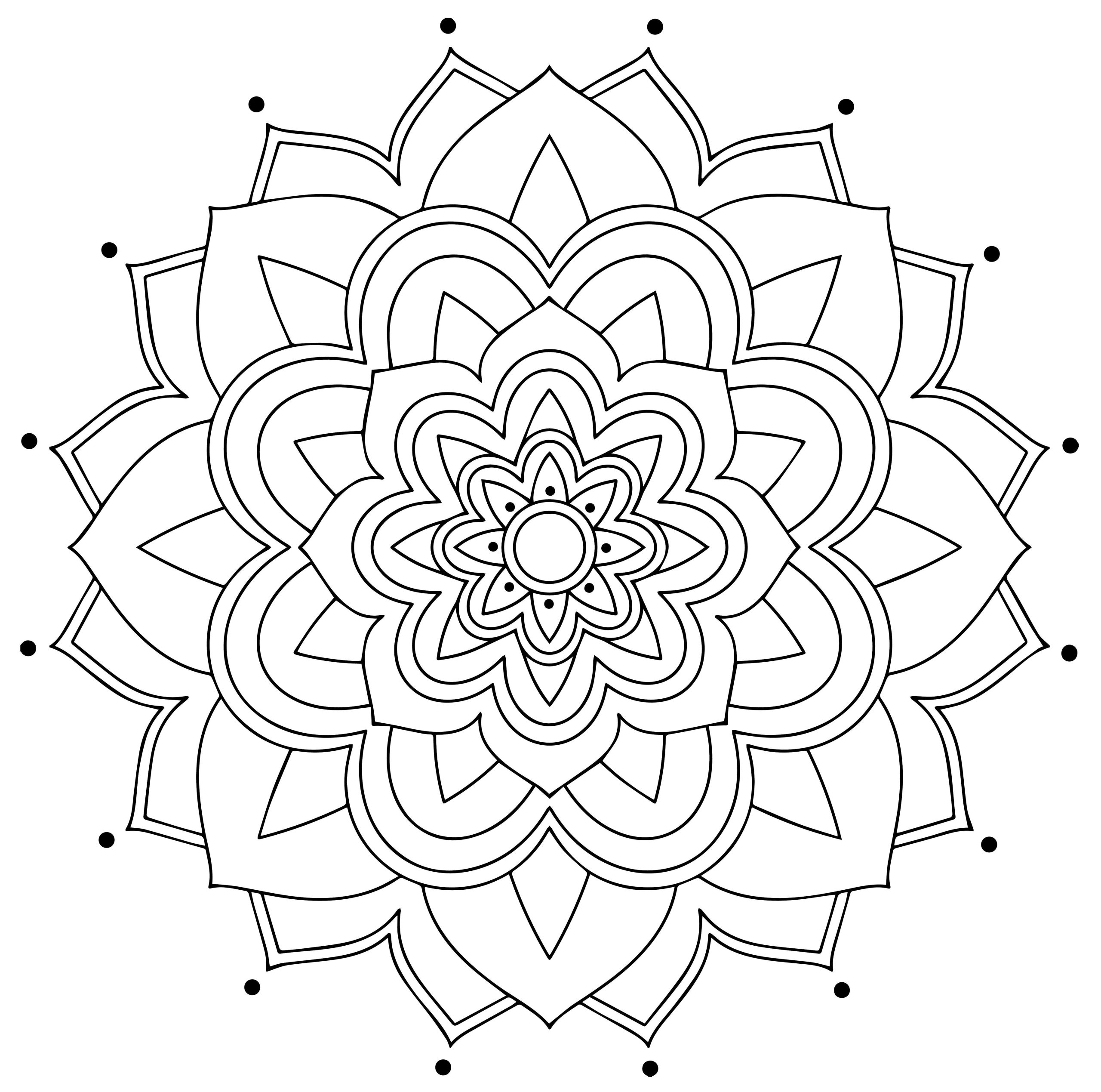
○Mandala Healing
Shame can make you want to hide in a corner, as if you're completely wrong. When looking at a mandala, choose a small area surrounded by edges, like giving shame a safe place. You don't need to drive it away, just stop letting it control you. If you feel very uncomfortable, pause, drink some water, and look out the window. After you finish, write: I feel ashamed, but I still deserve to be treated kindly. Speaking out about the shame makes it less overwhelming. You can slowly return from the corner. Take it slow.
● AI Dynamic Geometric Vision Focus and Emotion Regulation Engine ●
AI Dynamic Geometric Vision Focus and Emotion Regulation Engine · v7.0.0
Before we begin, I'd like to know how you feel right now.
There is no standard answer; just choose the one that best reflects how you feel right now.
The experience is over. Tell us how you feel now.
There is still no standard answer; just choose the one that best reflects how you feel right now.
#FF5252
After the fluorescent line crawling is completed and stopped, first select a color, then click on the closed area in the graphic to fill in the color.
AI Digital Mandala Static Focus EngineAZ Image Coloring · 60 Colors
AI Digital Mandala Interactive Focus Engine
A–Z Free Selection · Layered Lines · 60 Color Fills

○ Calligraphy and engraving therapy practice
If you're afraid others will see your awkwardness, practicing calligraphy can help you first immerse yourself in that awkwardness. Use "slowly organize" as a steady phrase; don't strive for fluency or beauty. If you get stuck, just pause. This exercise helps you lessen your shame and stop treating every small mistake as a disaster. After finishing, gently remind yourself: I can practice slowly. Be gentle. Treat it as a gentle pause, not a task to be completed, but simply a time to return to yourself.


○ Art Therapy Guidance
Drawing exercises can help you express the tension, withdrawal, or anticipation that shame pushes you back into a corner through lines, blocks of color, and spatial distance. Don't try to make it realistic; just depict your true physical feelings. Use dark colors to represent stress, light colors to represent your comfort zone, and blank spaces to represent places where you need to rest. After finishing, observe the drawing, rather than criticizing it. Let the image help you see that anxiety is only part of the experience, not the whole of yourself. Use dark colors to represent stress, light colors to represent your comfort zone, and blank spaces to represent your needs.
Please log in before submitting your drawings and feelings.
○ Diary Healing Suggestions
Relaxing your body allows tension before and after social interactions to ease. Today, please write down the most touching point from the course, and also note the areas of your body that are most frequently tense: shoulders, throat, stomach, or palms? Write down a small action, such as relaxing your neck and shoulders for two minutes before bed, or stretching after a social interaction. Journaling isn't about seeking immediate comfort, but about helping you listen to your body sooner. Gently tell yourself: My body has already endured so much. If you can only do a little today, that's okay. Healing often begins with these small, real actions. Remember, today only requires a small action; you don't need to solve all your problems at once.
Please log in to use.
The shame isn't because there's something wrong with me, but because I desperately need comfort right now.