

Lesson 721: Understanding the Nature of Body Dysmorphic Disorder (BDD)

Course duration:70 minutes
Understanding BDD as an excessive focus on physical "flaws," even if others perceive them as minor or nonexistent, often accompanied by anxiety, shame, repetitive checking, and social avoidance. This lesson helps learners first distinguish between ordinary vanity and pathological appearance anxiety, establishing a more accurate cognitive starting point.
○ Course topic audio
Lesson 721: Understanding the Nature of Body Dysmorphic Disorder (BDD)
Click to view the read-aloud text
Lesson 721 is titled "Understanding the Nature of Body Dysmorphic Disorder (BDD)." Understanding this distress isn't about vanity or being overly sensitive; rather, it's about the brain mistakenly labeling a detail of appearance as dangerous, leading to repetitive checking, concealment, comparison, and avoidance. The distress associated with BDD often doesn't stem from the appearance itself, but from the brain's overreaction to details of appearance. A small part, an angle, a photograph, or even a casual remark can be interpreted as a serious problem, triggering shame, anxiety, avoidance, and constant reaffirmation. When anxiety rises, it's easy to look in the mirror, take selfies, edit photos, ask others, cover the body, or avoid social situations. In the short term, these behaviors seem to reassure oneself; however, in the long run, they constantly tell the brain: this problem is dangerous, I must continue to check. Thus, anxiety doesn't actually decrease, but instead creates a stronger cycle. Today's exercise isn't about immediately liking your appearance, nor is it about denying your real distress; it's about learning to separate feelings, thoughts, and facts. You can tell yourself: I am currently experiencing appearance anxiety; my brain is magnifying a certain detail; this feeling is intense, but it doesn't necessarily equate to fact. This isn't self-deception, but rather giving yourself space for observation. Gradually shift your attention from a single flaw back to your entire body. Your body isn't just an object to be observed; it supports your breathing, walking, working, learning, embracing, expressing, creating, and living. Even if you can't like a particular part of your body right now, practice not attacking it, not punishing it, and not compressing your entire self-worth into a single physical judgment. This lesson can begin with small actions: delay a check, reduce a comparison, stop seeking confirmation, or rewrite a harsh evaluation into a neutral description. For example, change "I'm terrible like this" to "I'm anxious about my appearance; I can take three breaths first and then decide what to do next." After the exercise, record the triggering situation, your anxiety score, the new choices you made, and whether your anxiety naturally fluctuated a few minutes later. Each record is new evidence, helping you see: I don't need to completely eliminate anxiety to continue living. I can move forward with uncertainty, and I can be seen, understood, and gradually regain freedom even in imperfection.

AI Healing Q&A
The AI-powered healing Q&A section can help you transform the self-blame of "I just can't control myself" into an understanding of emotional drives, neural responses, and the cycle of loss of control after you've "understood the characteristics and causes of impulse control disorders." You can describe a specific scenario, your thoughts at the time, your physical reactions, and a small action you'd like to try; the AI will gently assist in organizing this information, but it cannot replace doctors, psychologists, or crisis intervention. It doesn't need to be perfect the first time. This isn't a judgment, but rather a way to help you make safer choices.

○ Music therapy guidance
This lesson's music exercises revolve around "Understanding the Nature of Body Dysmorphic Disorder (BDD)." Choose music with a steady rhythm, gentle melody, and no strong drumbeats. Listen for three minutes, then observe the sensations in your shoulders, chest, abdomen, and soles of your feet. Don't rush to judge whether your body feels good or bad; simply record whether tension changes. After the music ends, write down your anxiety score and a movement that allows you to calm yourself without needing to check. The focus of the exercises is gentleness and feasibility; don't aim for immediate changes in appearance or sensation. Please bring your attention back to your breathing, bodily sensations, and small actions you can perform in the present moment.

○East-West Healing Tea Drinks
Recommended drinks:Chrysanthemum and wolfberry tea
Recommended reasons:Chrysanthemum has a refreshing and soothing effect, while goji berries are gentle and nourishing. This drink is suitable for those experiencing eye fatigue or head tension after prolonged periods of looking in the mirror, scrolling through screens, or feeling anxious about their appearance. It helps the mind and body return to a state of clarity and stability.
usage:Take a small amount of chrysanthemum and goji berries, steep in hot water for 5-10 minutes, and drink in the afternoon.
○ Healing Recipes
Yam and Lotus Seed Porridge
The yam is soft and tender, while the lotus seeds are refreshing and calming. This dish is suitable for people experiencing anxiety about their appearance, poor appetite, restlessness, or nighttime overthinking. It helps the body gradually calm down in the warmth of the porridge.
Calming and soothing | Gentle nourishment | Nighttime rest
Open the healing recipe
◉ Body Accepts Nourishment Through Food: Yam and Lotus Seed Porridge (ID 721)
Yam and lotus seed porridge is a gentle, soft, and easily digestible calming porridge. The dense and delicate texture of yam provides a comforting feeling in the stomach; the powdery and fragrant lotus seeds are suitable for consumption during times of anxiety about appearance, shame, self-doubt, or pre-sleep rumination. Its focus is not on strong nourishment, but rather on using a warm, stable, and repeatable eating rhythm to help the body return from tension to peace.
Calm the mind and nourish the heart Gentle nourishing Nighttime stability
I. Recommended Dietary Therapy and Reasons
Recommended dishes:Yam and lotus seed porridge (ID 721)
Recommended reasons: Yam and lotus seed porridge is suitable for the Body Acceptance and Mental Stability practice in Lesson 721. It's a gentle, soft, and easily digestible calming porridge. The yam's smooth texture provides a comforting feeling in the stomach; the lotus seeds are soft, fragrant, and suitable for consumption during periods of appearance anxiety, shame, self-doubt, or pre-sleep rumination. Its focus is not on strong nourishment, but on using a warm, stable, and repeatable eating rhythm to help the body return from tension to peace. Appearance anxiety in the course can easily lead to focusing attention on a specific flaw; a gentle, well-structured, and non-stimulating meal can help learners bring their attention back to bodily functions, satiety, warmth, and authentic life.
2. Recipe and Method
Recipe (1–2 servings):
- 45g of rice
- 100g fresh yam
- 15 g lotus seeds (soaked in advance)
- 700 ml of clean water
- A small amount of rock sugar (optional)
practice:
- Wash all ingredients thoroughly. Grains, beans, or lotus seeds can be soaked in advance to make them softer.
- First, put the ingredients that need to be cooked for a long time into the pot, add enough water, bring to a boil over high heat, then turn to low heat and simmer.
- Depending on how quickly the ingredients cook, add vegetables, protein, herbs, or seasonings in that order, and simmer over low heat or stir gently.
- Once the ingredients are cooked until tender and the soup or porridge is lukewarm, add a small amount of salt, honey, rock sugar, or olive oil to taste, avoiding an overly strong flavor.
- After turning off the heat, let it sit for 2–3 minutes to allow the temperature to drop slightly before serving in a bowl or plate.
- Eat slowly, pausing briefly with each bite to observe the aroma, temperature, texture, and your body's reaction.
- It can be served as breakfast, dinner, or a recovery meal after practice, with an emphasis on stability, authenticity, and sustainability.
3. Small rituals for body and mind
Before preparing the ingredients, take three slow breaths and remind yourself: "This meal is not about controlling your body, but about taking care of it."“
During the production process, try not to check repeatedly or pursue perfect plating. Just confirm the necessary steps to keep the movements stable, realistic, and achievable.
When you take your first bite, tell yourself, "My body deserves to be nourished; I don't need to be perfect before I can be cared for."“
4. Dietary Therapy Experience Record
- Record your state before consumption: appearance anxiety, shame, self-blame, fatigue, avoidance, or physical tension.
- Record changes in satiety, stomach comfort, mood intensity, and physical stability within 30–60 minutes after consumption.
- Observe whether you can shift your attention from "how good it looks" to "your body is being taken care of".
V. Instructional Videos (approximately 3–5 minutes)
◉ Video Title:Yam and Lotus Seed Porridge: A Daily Dietary Recipe from the Body Acceptance Course
6. Precautions
- This recipe focuses on daily physical and mental well-being, and the seasoning should be light to avoid excessive salt, sweetness, or spiciness that could irritate the body.
- If you are allergic to nuts, dairy products, seafood, beans, or certain herbs, please replace them with foods that you can tolerate.
- If you are taking medication, undergoing treatment, or have specific medical conditions or dietary restrictions, please prioritize following the advice of your doctor or nutritionist.
hint:This recipe is for daily physical and mental care reference only and does not replace any medical diagnosis or treatment. For body dysmorphic disorder, severe appearance anxiety, or significant functional impairment, professional psychological and medical support should be sought.

Mandala Viewing Healing
The Mandala Healing section is designed to help you, after understanding the nature of Body Dysmorphic Disorder (BDD), gradually shift your focus from the center of the image to the area surrounding your physical appearance, practicing seeing it as simply part of the experience. While viewing, focus your attention on the center, the edges, and your breath; do not judge the image or the body, but simply allow your mind to gradually calm down. There is no need to change yourself immediately. Let your body be seen gently. Stay within your comfort zone. This is not judgment, but companionship.
● AI Dynamic Geometric Vision Focus and Emotion Regulation Engine ●
AI Dynamic Geometric Vision Focus and Emotion Regulation Engine · v7.0.0
Before we begin, I'd like to know how you feel right now.
There is no standard answer; just choose the one that best reflects how you feel right now.
The experience is over. Tell us how you feel now.
There is still no standard answer; just choose the one that best reflects how you feel right now.
#FF5252
After the fluorescent line crawling is completed and stopped, first select a color, then click on the closed area in the graphic to fill in the color.
AI Digital Mandala Interactive Focus Engine
A–Z Free Selection · Layered Lines · 60 Color Fills
AI Digital Mandala Static Focus EngineAZ Image Coloring · 60 Colors

○ Calligraphy and engraving therapy practice
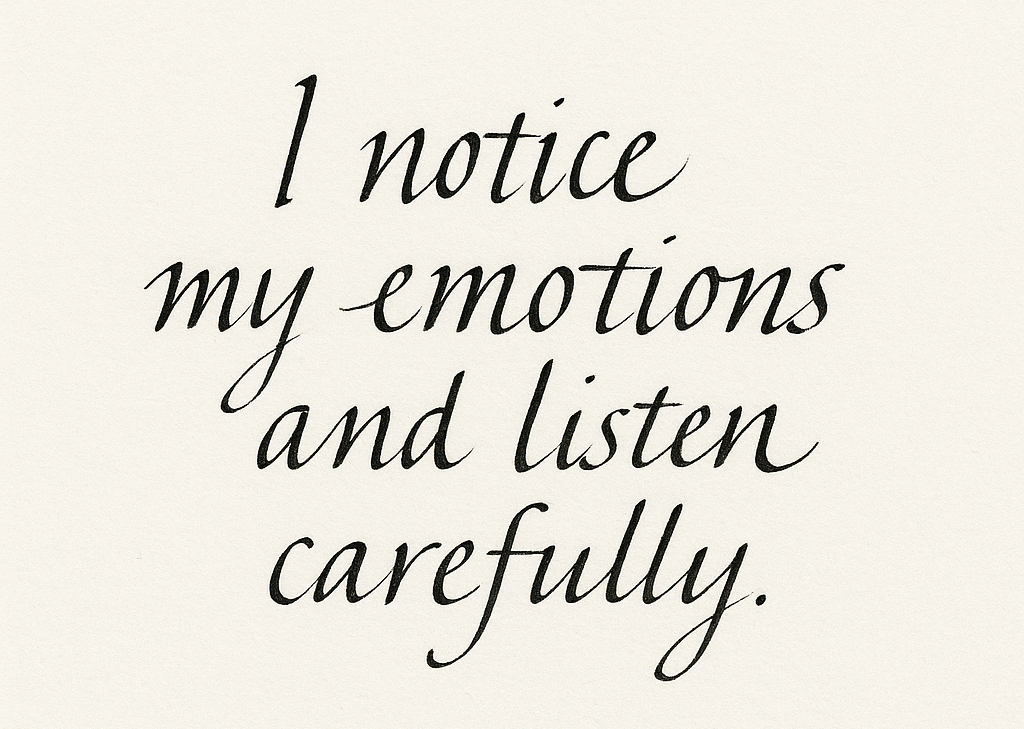
In this calligraphy practice, there's no need to rush to prove you're "good enough." Just sit down, slow your hand, and let your breathing relax with each stroke. What you write isn't important; what matters is that you're willing to pause and examine the appearance, giving yourself some space to avoid criticism. It doesn't need to be perfect. Just do what you can manage. Slow down your hand and your breathing. This isn't judgment, but companionship. You're already taking care of yourself. Please take your time. Please take your time. Please take your time. Please take your time.

○ Art Therapy Guidance
This time, you don't need to draw a "beautiful body," nor do you need to prove you're without problems. You can express your anxieties about your appearance as colors, shapes, or even a clump of lines, letting them flow from your heart onto the paper. Feelings that are seen are easier to ease than those that are constantly hidden. It doesn't need to be perfect. Just do what you can bear in this moment. Let your feelings be gently seen. This isn't judgment, but companionship. You are already taking care of yourself. Please take your time. Please take your time. Please take your time. Please take your time. Please take your time.
Please log in before submitting your drawings and feelings.

○ Diary Healing Suggestions
Don't rush into self-analysis in today's journal. Write down the most impactful point from the course: perhaps it's realizing BDD isn't just being dramatic, or perhaps it's seeing how much you've been struggling. Small actions are fine, like recording the situation and physical sensations you experienced during a moment of appearance anxiety. It doesn't need to be complete, nor does it need to portray you as strong. If the risk increases, please contact offline professional resources first. Allow yourself to slow down; only do what you can handle. This record is for your own well-being, not for judgment. Take it slow. Please take it slow. Take care of yourself first. Don't force yourself. Please find peace first.
Please log in to use.
May you gradually return to a more stable, clear-headed, and gentler version of yourself through today's practice.
This unit's comprehension test
After completing the lesson's main topic, you can access the corresponding lesson's comprehension test here.