
Lesson 854: Liberating Yourself from Perfectionism and Obsessive-Compulsiveness

Course duration:70 minutes
When the body is tense, impulses are more easily ignited. This section will guide you through breathing, relaxation, and grounding exercises to gradually bring your nervous system back from "fight mode" to safety. When the body is calmer, the mind's reactions will slow down, making choices easier to make. Don't rush. Take it slow. Please take your time. Take care of yourself first. Don't rush. Take it slow. Please take your time. Take care of yourself first. Don't rush. Take it slow. Please take your time. Take care of yourself first. Don't rush. Take it slow. Please take your time. Take care of yourself first. Don't rush. Take it slow. Please take your time. Take care of yourself first. Don't rush. Take it slow.
○ Course topic audio
Lesson 854: Liberating Yourself from Perfectionism and Obsessive-Compulsiveness
Click to view the read-aloud text
Perfectionism makes it harder to stop the peeling of skin. Seeing even the slightest imperfection or flaw, you want to immediately fix it, as if only a clean finish brings peace of mind. But skin naturally has texture, changes, and a repair process. You can practice slowly, without treating your real body as an object that must be corrected. To "liberate yourself from perfectionism and compulsion," you can gently ask yourself three questions: When am I most often triggered? What is the smallest alternative action I can take? How would I like to talk to myself without further harm? Start with a small exercise today, don't set your goals too high. For example, observe only one impulse, delay it for only ten seconds, place your hand only on a substitute, or write down only one sentence. Small goals are not regression; they give your body a chance to actually complete the task. Completing it once provides more evidence: I am not entirely helpless. If you experience frustration, shame, or a desire to escape during the exercise, please don't rush to criticize yourself. These reactions are common, indicating you've hit the tightest spot of your old habits. You can stop, take a sip of water, relax your shoulders, and tell yourself: I feel uncomfortable right now, but I don't need to continue harming my body to get through this moment. Change is usually not linear. Sometimes you do well today, but relapse tomorrow. This doesn't mean all your previous efforts have been wasted. Every time you're willing to come back, every time you're willing to start over, you're training for a new path. Focus on concrete actions, not on drawing conclusions. When it's over, give yourself a gentle ending. Wash your hands, apply some skincare products, tidy your desk, write down a small progress note, or put alternative tools where they're easily accessible tomorrow. Let your body know that you've done something today, and that's something worth seeing. Take it slow; it's not about standing still, but about finally starting to move forward in a way that doesn't harm you. Carefully consider these small efforts; they're helping you gradually regain a sense of security in your body and control over your life. Just pausing a little longer today, protecting your body a little more, is already a step closer to being completely swept away by impulse. Being willing to start over is part of the recovery process. Remember, small practices aren't perfunctory; they're giving your nervous system a chance to relearn. Just being able to see yourself a little more clearly today, protecting your body a little more, is already a process of change.
AI Healing Q&A
Focusing on liberating oneself from perfectionism and compulsion, AI-powered healing Q&A accompanies learners through gentle questions and answers, helping them clarify impulses, triggers, misunderstandings, and next steps. It doesn't replace professional therapy, but rather helps clarify complex feelings, reduce shame and isolation, and make practice more relevant to daily life. It also reminds us that recovery can begin gently, allowing the mind and body to slowly return to a stable state. It preserves the small steps we can take today.
○ Music therapy guidance
This music exercise can be done in conjunction with physical relaxation. When you hear the melody, slowly relax your brow, jaw, shoulders, and fingers. Once your body knows it doesn't need to fight, the impulse in your mind will lessen. Return to safety first, then talk about change. Come back. Slow down. Calm down first. Please take your time. No rush. Come back. Slow down. Calm down first. Please take your time. No rush. Come back. Slow down. Calm down first. Please take your time. No rush. Come back. Slow down. Calm down first. Please take your time.
○East-West Healing Tea Drinks
Lotus leaf and chrysanthemum tea combines the cooling and diuretic properties of lotus leaves with the eye-brightening and calming effects of chrysanthemum. It is suitable for drinking when experiencing hot and humid weather, headaches, eye fatigue, or irritability. Instructions: Place a few lotus leaves and a few chrysanthemum flowers in hot water and steep for 5 to 7 minutes. Drink once daily to help refresh and calm the body.
○ Healing Recipes
○ Roasted Artichokes
Greek-style baked attichoc unfolds layer by layer, with a unique aroma, perfect for courses that liberate oneself from perfectionism and compulsion. It reminds learners that the body and life do not need to be flawless; layers, roughness, and authenticity can also be embraced.
Open the healing recipe
◉ Mediterranean Diet · 114. Roasted Artichokes
I. Recommended Dietary Therapy and Reasons
Recommended dishes:Roasted Artichokes
Recommended reasons: Greek-style baked attichoc unfolds layer by layer, with a unique aroma, perfect for courses that liberate oneself from perfectionism and compulsion. It reminds learners that neither the body nor life needs to be flawless; layers, roughness, and authenticity can also be accepted, and new, gentle standards can be formed through patient processing.
2. Recipe and Method
Recipe (1–2 servings):
- Atichok Hearts 150g, canned or cooked
- 1 tablespoon olive oil
- 1 teaspoon lemon juice
- A little minced garlic
- A little parsley
- A pinch of black pepper
practice:
- Atticus was heartbroken.
- Add olive oil, minced garlic, and black pepper and mix well.
- Place in a baking pan.
- Bake at 190°C for 12–15 minutes.
- After baking, drizzle with lemon juice and sprinkle with parsley.
3. Small rituals for body and mind
Observe the Atticocracy level and remind yourself that even imperfections have structure.
When mixing seasonings, practice changing "must be flawless" to "can be authentic".
Experience the layers of flavor when eating, and let go of the forced standards.
4. Dietary Therapy Experience Record
- Record the time of consumption, whether it is breakfast, lunch, dinner, or a caregiver during a time of anxiety, impulsiveness, or fatigue.
- Observe changes in satiety, physical relaxation, hand impulses, and emotional stability within 30–60 minutes after consumption.
- Record whether this recipe helps you reduce the urge to peel or makes it easier for your body to return to a sense of security.
V. Instructional Videos (approximately 3–5 minutes)
Video Title:Greek-style baked Atticocco: Mediterranean mild diet practice
6. Precautions
- Canned Atticoc contains salt and needs to be rinsed.
- Garlic can be omitted if you have stomach irritation.
- People with significant stomach acid should reduce their intake of lemons.
- People allergic to plants in the Asteraceae family should exercise caution.
hint:This recipe is for daily physical and mental well-being and is not a substitute for any medical diagnosis or treatment. If you have food allergies, chronic diseases, are pregnant, are taking special medications, are on a low-salt diet, are controlling your blood sugar, or have other nutritional restrictions, please prioritize following the advice of your healthcare provider and nutritionist.

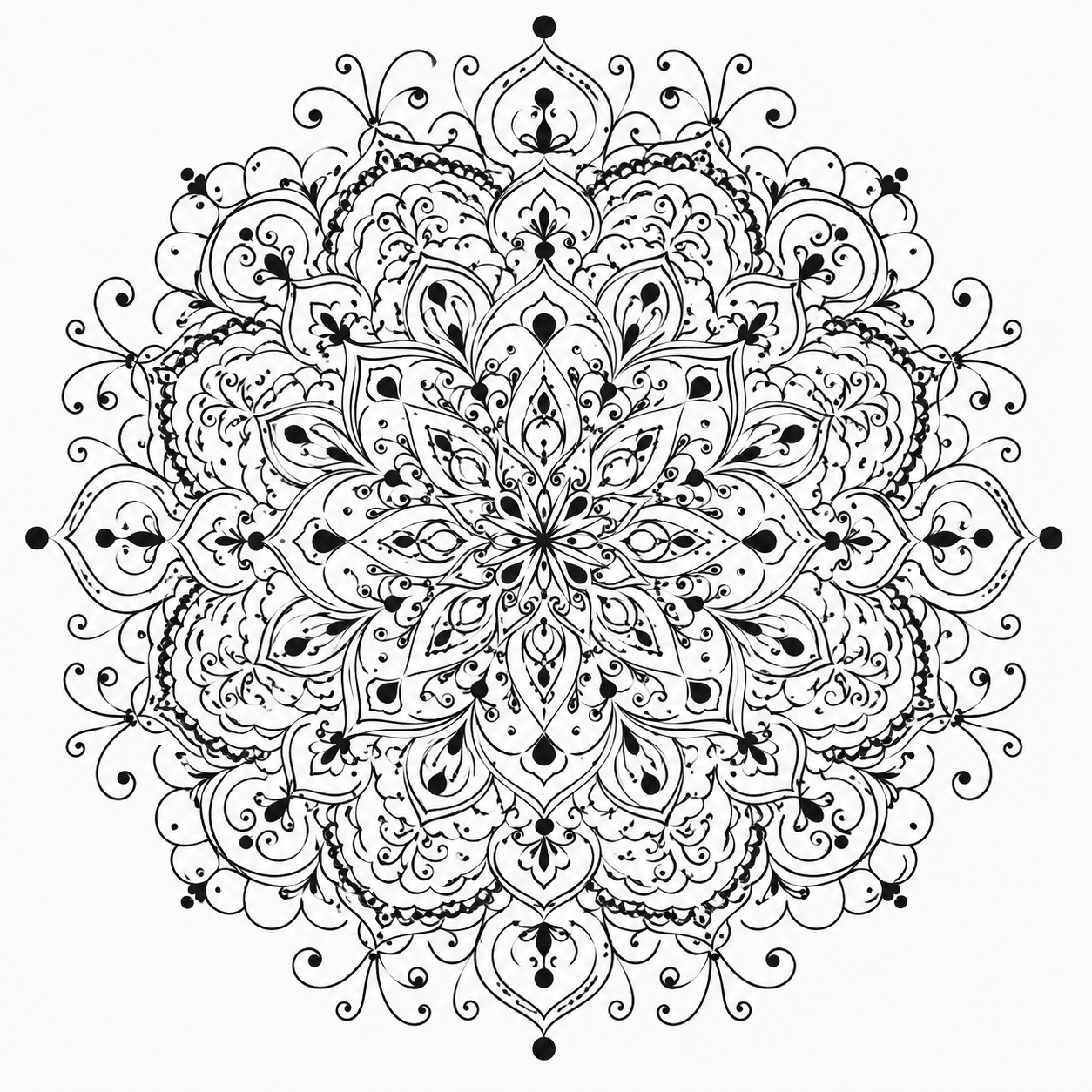
Mandala Viewing Healing
When you're tense, your body feels like it's constantly in a battle state. When looking at a mandala, try relaxing your forehead, jaw, and shoulders. With each rotation, allow your body to relax a little. Less impulsiveness will make it easier for your mind to return to normal. Come back to normal. Please look slowly. Calm down. Don't rush. Take your time. Come back to normal. Please look slowly. Calm down. Don't rush. Take your time. Come back to normal. Please look slowly. Calm down. Don't rush. Take your time. Come back to normal. Please look slowly. Calm down. Don't rush. Take your time.
● AI Dynamic Geometric Vision Focus and Emotion Regulation Engine ●
AI Dynamic Geometric Vision Focus and Emotion Regulation Engine · v7.0.0
Before we begin, I'd like to know how you feel right now.
There is no standard answer; just choose the one that best reflects how you feel right now.
The experience is over. Tell us how you feel now.
There is still no standard answer; just choose the one that best reflects how you feel right now.
#FF5252
After the fluorescent line crawling is completed and stopped, first select a color, then click on the closed area in the graphic to fill in the color.
AI Digital Mandala Interactive Focus Engine
A–Z Free Selection · Layered Lines · 60 Color Fills
AI Digital Mandala Static Focus EngineAZ Image Coloring · 60 Colors

○ Calligraphy and engraving therapy practice
When you're nervous, your nervous system is like it's constantly sounding an alarm. Writing in regular script can be simple: sit still, put down the pen, pause, and finish. The content isn't important; rhythm is. Relax your shoulders, slow your fingers, and your body will know it's safer now. Come back to reality. Take your time. Calm down. Don't rush. Slow down. Come back to reality. Take your time. Calm down. Don't rush. Slow down. Come back to reality. Take your time. Calm down. Don't rush. Slow down. Come back to reality. Take your time. Calm down.


○ Art Therapy Guidance
Breathing and relaxation don't necessarily have to be achieved by sitting quietly with your eyes closed. While drawing, you can also focus on your breathing and let the brush move slowly. Draw the tension, relaxation, pauses, and changes in your body; your nervous system will gradually learn: it's a little safer now. Come back to the present. Please draw slowly. Slowly. Don't rush. Calm down first. Come back to the present. Please draw slowly. Slowly. Don't rush. Calm down first. Come back to the present. Please draw slowly. Slowly. Don't rush. Calm down first. Come back to the present. Please draw slowly. Slowly.
Please log in before submitting your drawings and feelings.

○ Diary Healing Suggestions
Please record one instance of physical tension: shoulders, fists, stomach, chest, or breathing. Small actions could include taking a slow breath or relaxing one area. Don't try to solve everything today; just let your body know it doesn't have to be in a constant state of tension. Take it slow. Breathe slowly after you finish writing. Take your time. Take care of yourself first. Don't rush. Take it slow. Breathe slowly after you finish writing. Take your time. Take care of yourself first. Don't rush. Take it slow. Breathe slowly after you finish writing. Take your time. Take care of yourself first. Don't rush. Breathe slowly after you finish writing. Take your time. Take care of yourself first.
Please log in to use.
May you gradually return to a more stable, clear-headed, and gentler version of yourself through today's practice.