

Lesson 902: Emotional Reactions and Physical Symptoms After Trauma

Duration:70 minutes
Topic Introduction:After trauma, emotions may surge suddenly or leave you numb; your body will also speak through a racing heart, tension, stomach aches, or fatigue. Today, gently acknowledge these reactions; they are not deliberately causing trouble, but rather reminders that you need safety, rest, and more attentive care. It's okay to take it slow. Take care of yourself first. Let your heart slowly calm down. Put safety first. You don't have to bear this alone. Small progress counts. Please allow yourself some time to breathe. May you be treated with kindness.
○ Course Topic Audio
Lesson 902: Emotional Reactions and Physical Symptoms After Trauma
Click to view the read-aloud text
Today we gently approach "Post-Traumatic Emotional Reactions and Physical Symptoms." Post-traumatic emotions don't always manifest in the expected way. Some people may suddenly cry, become angry, or feel fear; others may feel as if a switch has been turned off, experiencing nothing at all. The body also plays a role: a racing heart, stomach discomfort, neck and shoulder tension, and fatigue upon waking may all indicate that the alert system hasn't been deactivated. Today, observe one physical signal. Don't rush to interpret it; simply record where it is, when it intensifies, and what helps it subside. If, during the listening or practice, your emotions suddenly become too intense, please stop, look at your surroundings, touch something within reach, and remind yourself that you are learning, not reliving the event. You can pause, seek help, or simply take the smallest step. Please remember that no course can replace professional diagnosis, treatment, or crisis assistance. If you have self-harming thoughts, a strong sense of loss of control, or symptoms that are severely impacting your life, please contact in-person professionals or local emergency resources immediately. It's already commendable that you're willing to connect with yourself today. When learning about trauma, the most important thing is not to be brave enough to not react, but to be willing to accompany yourself back in a gentler and safer way when you do react. Please allow your pace to be different from others. Some people can speak out quickly, while others need a long time to dare to approach; both paces are worthy of respect. After today, you can simply write down one sentence: What did I see? What do I need? How am I willing to protect myself? That's enough. If you feel tired, please pause the class, drink water, move around, and look out the window. Being able to stop in time is also a form of mature self-care. May you gradually come to believe that recovery is not about erasing the past, but about allowing yourself to breathe, make choices, have boundaries, and have space to be supported. Even if you are only stable for one minute today, only understand one reaction, or only blame yourself one less time, these are not insignificant; they are all part of the path back to yourself. Please put safety first. Any exercise that causes you excessive pain can be temporarily put aside and approached slowly when you have more support.

AI Healing Q&A
AI-powered healing Q&A will help learners distinguish between emotional fluctuations, startle responses, numbness, and physical tension, reducing the loneliness of wondering "What's wrong with me?" During the interaction, please write down the context, your feelings, physical signals, and duration. AI can assist in finding soothing steps, but it cannot replace medical treatment and crisis intervention. After the Q&A, please choose the easiest soothing action to perform and incorporate it into today's practice. Include your physical reactions in the cues; they are reminding you that you need care. Please prioritize safety.

○ Music therapy guidance
Today, listen to warm string or piano music to soothe your body with gentle sounds. If you feel tightness in your chest, an upset stomach, or want to cry, don't suppress it. Slowly exhale with the music, feel the chair supporting you, giving your emotions a safe place to settle. Don't look for answers in the music; just let your body know you're there for it. After listening, write down the most noticeable physical sensation, even if it's just "my shoulders felt a little weak"—it's a way of connecting with yourself. Give yourself some time.

○Eastern and Western Healing Teas
○ Licorice and Ginger Tea: Licorice is mild and harmonizing, while ginger provides a touch of warmth. It's suitable for when you feel cold, have a tense stomach, or are feeling down, helping your body gradually regain a sense of fluidity. Boil a few slices of ginger and 1 teaspoon of licorice for about 10 minutes, adding a small amount of honey if desired. Drink this 2-3 times a week; don't overdo it, listen to your body's feedback first.
○ Healing Recipes
○ Mediterranean Diet: Oatmeal Banana Porridge (Briam)
Recommended dishes:Oatmeal and banana porridge (Briam) Recommended reasons:This lesson focuses on the emotional response and physical symptoms after trauma. Oatmeal banana porridge is soft, warm, and easy to eat, making it a suitable small meal for stabilizing energy when your heart is racing, your appetite is poor, or you are physically tired. The natural sweetness of the banana can provide a comforting feeling, and the oatmeal helps maintain satiety. This is just a daily dietary guide and does not replace doctors, psychologists, or crisis intervention, but it can help you put care into a bowl of hot porridge. Recipe (1–2 servings): practice: Before preparing this dish, please stop and observe your current state: are you tense, numb, tired, anxious after waking up, panicked after being triggered, or worried about your body's reaction? Please do not blame yourself; simply treat these reactions as signals that need to be gently recorded. Before eating, take three slow breaths, observe the color of the cup or bowl, and feel the support under your feet and in the chair. If you are experiencing intense flashbacks, panic, suicidal thoughts, severe insomnia, or a significant decline in function today, please prioritize safety, seeking help, and professional support before eating. Take your first bite slowly. Daytime meals can be combined with sunlight, short breaks, and light activity; evening meals should be portion-controlled to avoid overeating, excessive sweetness, or drinking too much water that may affect sleep. Video Title:Briam (Oatmeal Banana Porridge) - A healing recipe for stabilizing rhythms and gentle self-care, used in courses supporting emotional responses and physical symptoms after trauma. hint:If PTSD-related symptoms continue to worsen, significantly affecting sleep, work, interpersonal relationships, or diet, or are accompanied by intense fear, depression, dissociation, or self-harming thoughts, please contact an in-person doctor, psychologist, trauma therapist, or emergency resources promptly.Click to view healing recipes
◉ Mediterranean Diet: Oatmeal Banana Porridge (Briam)
I. Recommended Dietary Therapy and Reasons
2. Recipe and Method
3. Small rituals for body and mind
4. Dietary Therapy Experience Record
V. Instructional Videos (approximately 3–5 minutes)
6. Precautions

○Mandala Healing
Please pay attention to the physical sensations the colors evoke while viewing: which areas relax you, and which tense you? Emotions and the body often speak together. This mandala invites you to see first, not to suppress. You don't need to calm down immediately; simply being willing to stop and feel is already important. Just a little today. No need to force it. Let your heart slowly return. You are already on your way. Put safety first. Even a short pause counts. May you be treated gently. It's okay to go a little slower.
● AI Dynamic Geometric Vision Focus and Emotion Regulation Engine ●
AI Dynamic Geometric Vision Focus and Emotion Regulation Engine · v7.0.0
Before we begin, I'd like to know how you feel right now.
There is no standard answer; just choose the one that best reflects how you feel right now.
The experience is over. Tell us how you feel now.
There is still no standard answer; just choose the one that best reflects how you feel right now.
#FF5252
After the fluorescent line crawling is completed and stopped, first select a color, then click on the closed area in the graphic to fill in the color.
AI Digital Mandala Static Focus EngineAZ Image Coloring · 60 Colors
AI Digital Mandala Interactive Focus Engine
A–Z Free Selection · Layered Lines · 60 Color Fills

○ Calligraphy and engraving therapy practice
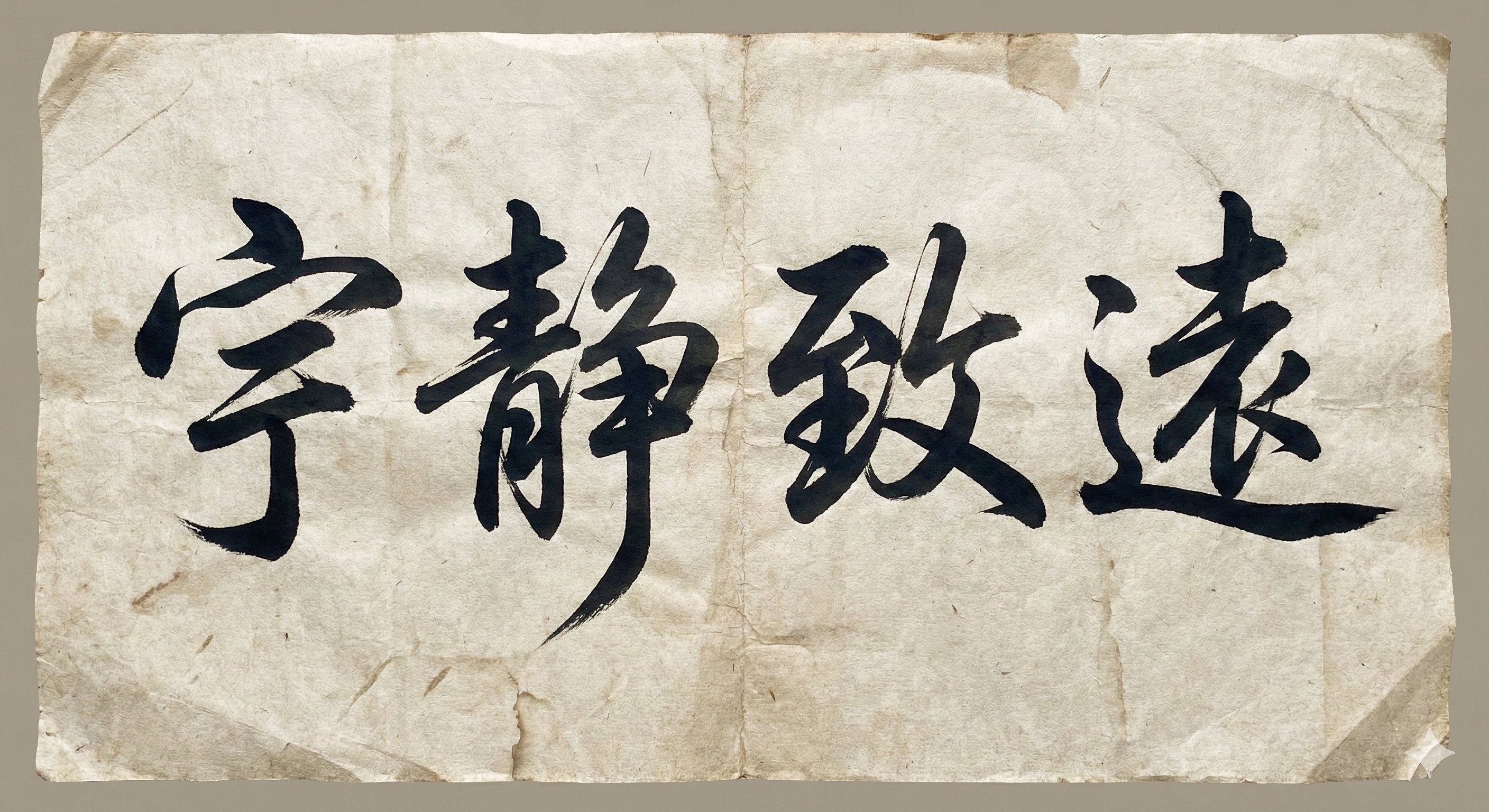
Don't strive for neatness and beauty during practice; simply observe how your hand strength changes when emotions arise. The pressure of your strokes, pauses, and even your breathing can all serve as signals from your body. If you feel tightness in your chest, pause temporarily, glance at your surroundings, and then continue practicing at a gentle pace. Just a little bit today. Don't force it. Let your heart settle back down. Put safety first. Even a short pause counts. You're already on your way. Going a little slower is okay. May you be treated gently.
○ Art Therapy Guidance
Please put your emotions and physical sensations on paper: tension can be lines, fatigue can be gray, and sadness can be just a small patch of color. Don't explain too much; just observe where the image is heavy and where it's light. Painting isn't about judging yourself, but about giving your body a safe outlet. Just a little today. No need to force it. Let your heart slowly calm down. Put safety first. Even a short pause counts. You're already on your way. It's okay to go slowly. May you be treated gently. Please take your time.
Please log in before submitting your drawings and feelings.
○ Diary Healing Suggestions
Please write down the emotion or physical reaction that touched you most today, such as a racing heart, tension, fatigue, numbness, or a sudden urge to cry. Don't rush to explain the reason; just describe when it occurred, how intense it was, and what you did to calm it down. Finally, write: I'm willing to listen to my body slowly. Just a little today. No need to force it. Let your heart slowly calm down. Put safety first. Even a small record counts. You're already on your way. It's okay to go slowly. May you be treated gently. Please take your time. Take care of yourself first. Just a little today. No need to force it. Let your heart slowly calm down.
Please log in to use.
May you gradually return to a more stable, clear-headed, and gentler version of yourself through today's practice.