
Lesson 905: Emotion Regulation and Stress Management Techniques
Duration:70 minutes
Topic Introduction:Post-traumatic emotional regulation isn't about suppressing emotions, but about learning to pause when strong reactions arise. Today, practice breaking down stress into smaller parts, focusing on your breathing, body, and current environment, allowing your mind to gradually return from over-vigilance to a manageable level. Prioritize safety. You don't have to bear this alone. Small progress counts. Allow yourself time to slow down. May you be treated gently. Give yourself some time. Today, just one step is enough. It's okay to go slowly. Take care of yourself first.
○ Course Topic Audio
Lesson 905: Emotion Regulation and Stress Management Techniques
Click to view the read-aloud text
Today we gently approach "Emotion Regulation and Stress Management Techniques." Emotion regulation isn't about suppressing fear, anger, or sadness, but about providing a buffer for your mind and body when your reactions are too strong. Post-traumatic emotions are like the tide; sometimes they come quickly and recede slowly, but this doesn't mean you've failed. Today, you can practice a small step: exhale first, then see three things in the room, and then ask yourself what you need most right now. Treat today's content as companionship, not an exam. You don't need to appear strong, nor do you need to articulate all your feelings at once. Trauma recovery often happens gradually: recognizing your body's signals, expressing your needs, and allowing yourself rest all contribute to recovery. May you gradually shift your focus from "Why am I still like this?" to "How can I better take care of myself?" The past cannot be easily erased, but now you can gradually have more choices, more boundaries, and the right to be supported. If you feel tired, please pause the lesson, drink water, move around, and look out the window. Being able to stop in time is also a form of mature self-care. May you gradually come to believe that recovery isn't about erasing the past, but about allowing yourself to breathe, make choices, maintain boundaries, and have space to be supported. Even if you're only stable for a minute today, understand a single reaction, or blame yourself less often, these are not insignificant; they are all part of returning to yourself. Please prioritize safety. Any exercises that cause you excessive pain can be temporarily set aside, and you can slowly approach them again when you have more support. You don't need to complete this journey alone. When appropriate, you can share these feelings with professionals, trusted individuals, or relationships that truly support you. You can treat this voice message as a warm hand gently placed on your shoulder, not rushing you, not judging you, but simply confirming that you are learning to take care of yourself. If a sentence makes your heart ache, please exhale slowly first, without rushing to continue thinking, giving your body some buffer, letting it know that there is still a way back. When learning about trauma, the most important thing is not to be brave enough to not react, but to still be willing to accompany yourself back in a gentler and safer way when you do react.

AI Healing Q&A
AI-powered healing Q&A helps learners break down stress responses into manageable, small steps. During the interaction, please describe the intensity of your emotions, body position, breathing changes, and available time. The AI will recommend breathing, relaxation, or pause exercises to help lower your alertness. If symptoms continue to worsen, please seek in-person help. After the Q&A session, please choose only one exercise; don't try to do all of them, give your body some space. When emotions are overwhelming, reduce the intensity first, then discuss solutions. Give your body choices.

○ Music therapy guidance
When you're feeling overwhelmed, don't rush to analyze. Play some music with a steady breathing rhythm, inhaling every four beats and exhaling every six. If you feel a little more relaxed halfway through, that's already good. Today's goal isn't to be completely calm, but to reduce stress a bit. If tears well up, let them flow slowly; no need to explain. After the music ends, take a sip of water, look out the window or into the room, letting your nervous system know that you can slowly calm down. Stop listening after it's finished. Do just one thing today.

○Eastern and Western Healing Teas
○ Goji Berry and Chrysanthemum Tea: Goji berries are nourishing, and chrysanthemums are soothing. This tea is suitable for when you are stressed, have tired eyes, or a tense head, helping to gradually bring your body back to a state of calm. Take 1 teaspoon of goji berries and a few chrysanthemum flowers, steep in hot water for 5–10 minutes, and add a small amount of honey if desired. Breathe slowly while drinking this tea; don't rush to feel better immediately.
○ Healing Recipes
○ Mediterranean Diet - Whole Wheat Pita
Recommended dishes:Whole Wheat Pita Recommended reasons:This lesson focuses on mood regulation and stress management. Whole-wheat pita bread, paired with vegetables, yogurt sauce, or protein, can help those experiencing post-traumatic eating irregularities re-establish a simple, manageable meal. Whole grains provide more stable energy, preventing the body from oscillating between hunger and stress. It's not a cure, but it can be a step towards taking care of your body's rhythms. Recipe (1–2 servings): practice: Before preparing this dish, please stop and observe your current state: are you tense, numb, tired, anxious after waking up, panicked after being triggered, or worried about your body's reaction? Please do not blame yourself; simply treat these reactions as signals that need to be gently recorded. Before eating, take three slow breaths, observe the color of the cup or bowl, and feel the support under your feet and in the chair. If you are experiencing intense flashbacks, panic, suicidal thoughts, severe insomnia, or a significant decline in function today, please prioritize safety, seeking help, and professional support before eating. Take your first bite slowly. Daytime meals can be combined with sunlight, short breaks, and light activity; evening meals should be portion-controlled to avoid overeating, excessive sweetness, or drinking too much water that may affect sleep. Video Title:Whole Wheat Pita: A therapeutic recipe for stabilizing rhythms and gentle self-care, used in a course on mood regulation and stress management skills. hint:If PTSD-related symptoms continue to worsen, significantly affecting sleep, work, interpersonal relationships, or diet, or are accompanied by intense fear, depression, dissociation, or self-harming thoughts, please contact an in-person doctor, psychologist, trauma therapist, or emergency resources promptly.Click to view healing recipes
◉ Mediterranean Diet: Whole Wheat Pita
I. Recommended Dietary Therapy and Reasons
2. Recipe and Method
3. Small rituals for body and mind
4. Dietary Therapy Experience Record
V. Instructional Videos (approximately 3–5 minutes)
6. Precautions

○Mandala Healing
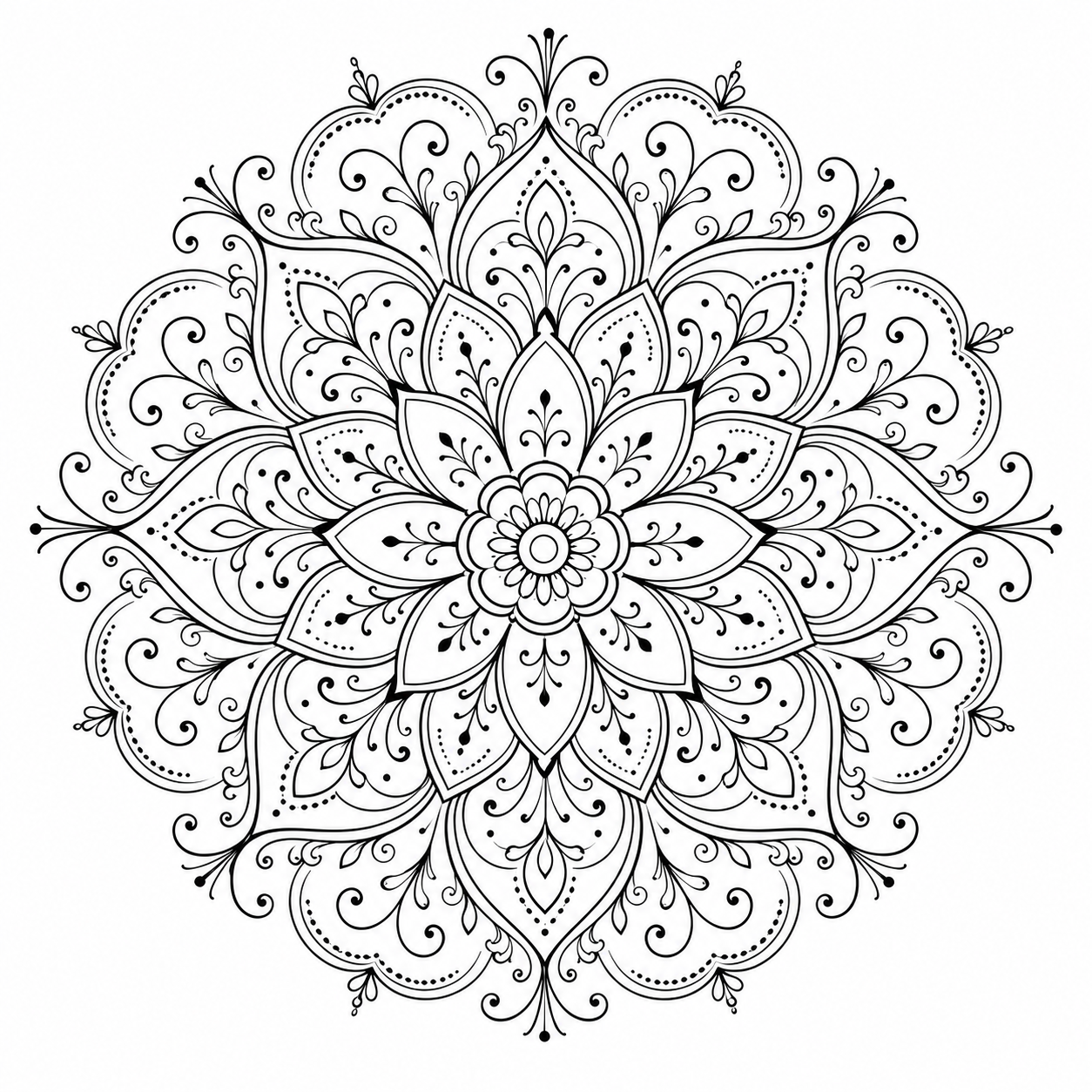
While viewing, please slow your breathing and see which color or shape helps you calm down. Emotional regulation doesn't have to be complicated; sometimes it's simply about focusing your gaze on something less stressful. If your mind is still racing, that's okay; this image simply provides you with a buffer and space. You're already on your journey. Put safety first. Even a short pause counts. May you be treated gently. Taking it slow is fine. Please take your time. Take care of yourself first. Just a little bit today.
● AI Dynamic Geometric Vision Focus and Emotion Regulation Engine ●
AI Dynamic Geometric Vision Focus and Emotion Regulation Engine · v7.0.0
Before we begin, I'd like to know how you feel right now.
There is no standard answer; just choose the one that best reflects how you feel right now.
The experience is over. Tell us how you feel now.
There is still no standard answer; just choose the one that best reflects how you feel right now.
#FF5252
After the fluorescent line crawling is completed and stopped, first select a color, then click on the closed area in the graphic to fill in the color.
AI Digital Mandala Static Focus EngineAZ Image Coloring · 60 Colors
AI Digital Mandala Interactive Focus Engine
A–Z Free Selection · Layered Lines · 60 Color Fills

○ Calligraphy and engraving therapy practice
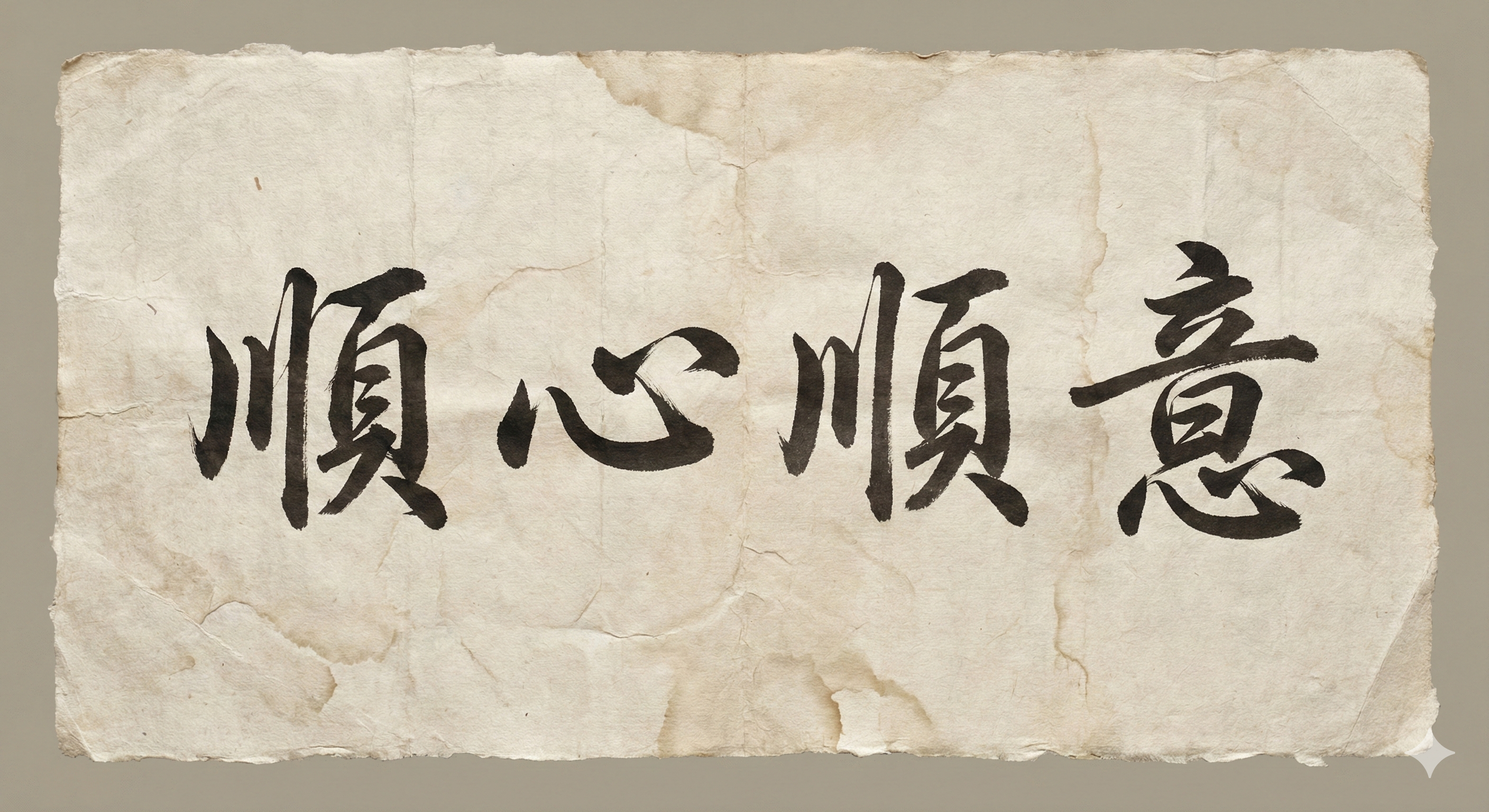
Today, use calligraphy to help your emotions gradually subside. Don't write quickly, and don't try to finish too much at once; just focus on the beginning, middle, and end of each stroke. If emotions surge, slow down for one stroke and exhale. The purpose of practice isn't to suppress emotions, but to provide a safe outlet. Put safety first. Even a short pause counts. You're already on your way. It's okay to go slowly. May you be treated gently. Please take your time. Take care of yourself first. Just a little bit today. No need to force yourself.

○ Art Therapy Guidance
When your emotions are overwhelming, use color to express them; don't rush to make them better. Let the darker colors linger on the paper, or leave some blank space. After you're finished, see where you need to breathe. Today's goal isn't to control your emotions, but to place them within safe boundaries. Put safety first. Even a short pause counts. You're already on your way. It's okay to go slowly. May you be treated gently. Please take your time. Take care of yourself first. Just a little bit today. No need to force yourself.
Please log in before submitting your drawings and feelings.

○ Diary Healing Suggestions
Today, please record a moment when your emotions rise: where it started, where in your body you first reacted, and what you needed most at that moment. Then write down a small, repeatable soothing step, such as breathing, drinking water, moving away from the stimulus, or contacting a supportive person. The focus is not on perfect control, but on taking care of yourself. Put safety first. Even a small record counts. You are already on your way. It's okay to go slowly. May you be treated gently. Please take your time. Take care of yourself first. Just a little bit today. No need to force it. Let your heart slowly return to normal. Put safety first. Even a small record counts.
Please log in to use.
May you gradually return to a more stable, clear-headed, and gentler version of yourself through today's practice.