

Lesson 986: Strategies for Preventing Mental Adjustment Disorders and Self-Care
Duration:70 minutes
Topic Introduction:Prevention isn't about completely avoiding stress, but about preparing your physical, emotional, and relational resources before stress sets in. This section focuses on sleep, exercise, diet, social support, and daily routines to help learners build a more stable foundation for their lives and reduce the risk of being overwhelmed by change.
○ Course Topic Audio
Lesson 986: Strategies for Preventing Mental Adjustment Disorders and Self-Care
Click to view the read-aloud text
Today we'll learn about "Strategies for Preventing Adjustment Disorders and Self-Care." Prevention isn't about eliminating stress, but about preparing resources for your body, emotions, and relationships before stress sets in. Many people, when experiencing change, rush to demand immediate recovery or blame themselves for not being strong enough. In reality, adaptation takes time. Emotional fluctuations, physical tension, and disruptions to sleep and activity are often signals that your mind and body are re-establishing balance. Put aside judgment and give yourself a more gentle perspective. Establish four basic routines: a relatively consistent sleep schedule, a gentle form of exercise, a simple and manageable dietary rhythm, and three supportive individuals you can contact. These will act as a safety net during stressful times. Don't strive for immediate improvement; instead, focus on finding more structure amidst the chaos. You can also choose a minimal action, such as eating on time, taking a short walk, contacting a trusted person, or getting some rest. If you experience intense emotions, suicidal thoughts, or are unable to maintain basic living habits, contact professionals or local crisis support resources immediately. Adaptation isn't about enduring until you become numb; it's about slowly restoring your rhythm in a safe, understanding, and supportive environment. May you feel less self-blame and more care in your studies today; less impatience and more patience. You are going through difficulties, but difficulties do not define you. As long as you are willing to start with a small action, stability will gradually return to your life. If you find yourself trying to recover while also feeling resistant, please don't see this contradiction as regression. Change can loosen old senses of security, and a new way of life is not yet fully established, so wavering, hesitation, and fatigue are all possible. You can treat today as a gentle stop: first, confirm that you are still here, then confirm what can still be done. Every small confirmation helps your nervous system to believe again that life can still be organized. Don't rush to prove that you are okay, and you don't need to explain everything to anyone. Just be with yourself in this moment.

AI Healing Q&A
The AI-powered healing Q&A section helps learners create actionable checklists for sleep, exercise, diet, and social support, building a solid foundation for their lives in advance. When interacting, please describe the specific event, your thoughts at the time, your physical sensations, and the help you need. The AI will assist in organizing your information with gentle questions and suggest small, actionable actions, but it cannot replace doctors, psychologists, or crisis intervention. If there is a risk of self-harm or if your condition continues to worsen, please contact offline professional resources promptly. After the Q&A session, please record one small action you can take today.

○ Music therapy guidance
Listening to soft, morning-like music or birdsong is perfect as a starting point for self-care. While listening, think about which small rhythm you can maintain today: drinking water, moving around, eating, or contacting someone. The music reminds you that prevention isn't about being tense and defensive, but about gently caring for yourself in advance. After listening, write down the part of your body that feels most relaxed, giving yourself a little encouragement. Don't judge it as good or bad; just allow yourself a moment of gentle companionship. If your emotions are still fluctuating, take a sip of water and take it slow.

○Eastern and Western Healing Teas
○ Eastern and Western Healing Teas
Eastern Healing Tea
Dianhong Tea
Introduction: Dianhong tea originates from Yunnan Province and boasts a profound aroma and intense flavor. Its tea liquor is bright red in color, with a rich, mellow taste and a subtle honey aroma. Dianhong tea is rich in tea polyphenols, amino acids, and vitamin C, offering benefits such as invigorating the mind, providing antioxidant effects, and boosting immunity.
Directions: Take 1 teaspoon of Yunnan black tea and steep in 95°C hot water for 5-6 minutes. You can add a little honey or lemon when drinking. Suitable for afternoon tea to help relieve stress and restore energy.
○ Healing Recipes
106. Oven Mushrooms & Onion
The recommended recipe for this lesson is: 106. Oven Mushrooms & Onion. Please click the "Click to view healing recipe" button below to open the full recipe page, where you can view the recipe, instructions, mind-body rituals, experience notes, instructional videos, and precautions.
Recipe file:
u27_lesson_986_recipe_106.html
○Mandala Healing
Please treat the mandala as a quiet reminder, observing its stable, repetitive structure. Prevention is not about tense defense, but about taking care of your body and mind in advance. Even choosing just one small rhythm to focus on today is already very good. After viewing, please look away from the screen, blink gently, and record the most peaceful part of your body at this moment. There's no need to judge whether you did well or not; simply acknowledge that you were taking care of yourself in this moment. If your emotions are still fluctuating, that's okay too. Please drink some water and give yourself some time to slow down.
● AI Dynamic Geometric Vision Focus and Emotion Regulation Engine ●
AI Dynamic Geometric Vision Focus and Emotion Regulation Engine · v7.0.0
Before we begin, I'd like to know how you feel right now.
There is no standard answer; just choose the one that best reflects how you feel right now.
The experience is over. Tell us how you feel now.
There is still no standard answer; just choose the one that best reflects how you feel right now.
#FF5252
After the fluorescent line crawling is completed and stopped, first select a color, then click on the closed area in the graphic to fill in the color.
AI Digital Mandala Static Focus EngineAZ Image Coloring · 60 Colors
AI Digital Mandala Interactive Focus Engine
A–Z Free Selection · Layered Lines · 60 Color Fills

○ Calligraphy and engraving therapy practice
Make writing practice a part of your daily rhythm. It doesn't need to be long; just steady, gentle, and repeatable. Pay attention to whether your breathing becomes shallow and your body tenses up when you put pen to paper. Practice helps you take care of yourself in advance, building a preventative sense of security within small, orderly steps. After practicing, put down your tools, gently move your fingers, and note the part of your body that is most relaxed. There's no need to judge whether it's good or bad; just recognize that you've completed a gentle act of companionship. Please take your time. Please take your time.

○ Art Therapy Guidance
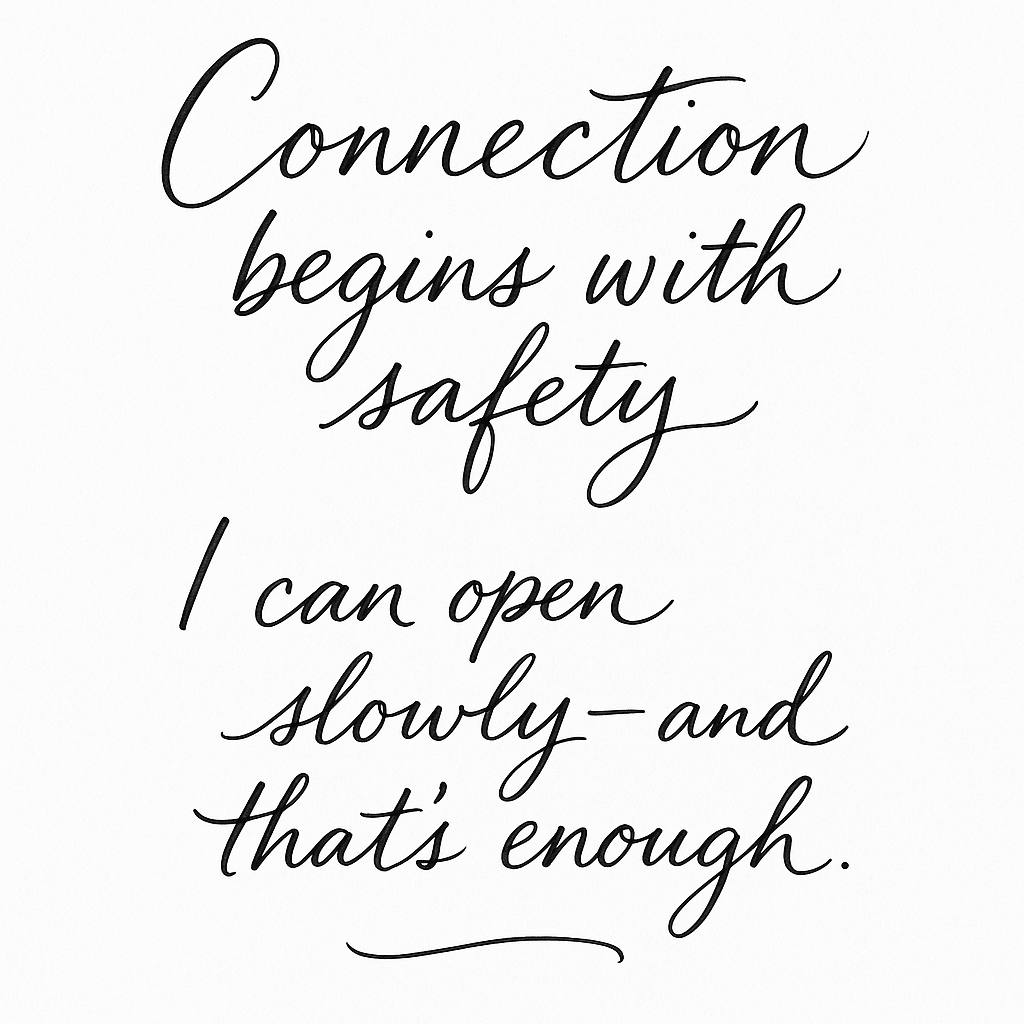
Please draw a picture of your daily rhythm that makes you feel slightly safe, using only lines, dots, circles, or blocks of color. It doesn't need to represent anything specific; it's simply a reminder to your body: I'm taking care of myself in advance. Prevention isn't about tense control, but about gently preparing support. After you've finished, take a step back and look at the picture, noting the quietest part. There's no need to judge it as good or bad; just see that your emotions have been gently placed on paper. If you still feel emotional, that's okay too. Take a sip of water and take it slow.
Please log in before submitting your drawings and feelings.

○ Diary Healing Suggestions
Please record the most touching moment of your day: Prevention isn't about being constantly on guard, but about proactively allocating resources to care for yourself. Write down one fundamental aspect of your life that you most want to protect. Then write down a small action, such as setting a fixed wake-up time, taking a ten-minute walk, or contacting a supporter. After writing, please read it through gently, without rushing to revise, simply to thank yourself for being honest. If you can only write a little today, that's perfectly fine; authenticity is more important than completeness. Please schedule this small action for today or tomorrow, making caregiving concrete and feasible. May this record become a gentle guide for you to return to yourself.
Please log in to use.
May you gradually return to a more stable, clear-headed, and gentler version of yourself through today's practice.
This unit's comprehension test
After completing the lesson's main topic, you can access the corresponding lesson's comprehension test here.