[gtranslate]

Unit 15: Course on Emotionally Reactive Depression - Traditional Mandala Course (Supplementary Course)

第十五单元:创伤后应激相关课程(561-600课)题头图片

Traditional Mandala Course (Supplementary Course)

Unit 15: Course on Emotionally Reactive Depression. This page serves as a transition to traditional mandala viewing, writing, drawing, and journaling exercises. Practice should be conducted safely, stably, and without excessive compulsion. If significant discomfort occurs, pause and return to breathing, drinking, or in-person support.

A. Introduction to Traditional Mandala Course Themes

Traditional mandala supplementary courses are not meant to add extra burdens, but rather to place the "emotionally reactive depression course" within a quiet, supportive circle. Learning this subject allows you to gradually observe the changes in your emotions, body, relationships, and life rhythm through observation, writing, drawing, and journaling. You don't need to draw well, nor do you need to immediately understand all your feelings; simply be willing to stop and let lines, colors, and breath accompany you back to yourself. This little bit of practice is already very beneficial.

B. Traditional Mandala Course Theme Audio

Traditional Mandala Theme Voice

Unit 15: Course on Emotionally Reactive Depression

Wait for the click "Generate and play the audio for this lesson".
Click to view the read-aloud text

Approaching a course on reactive depression might feel nerve-wracking. The purpose of traditional mandalas isn't to push you into difficulties, but to help you see them within a manageable range. Common difficulties in this theme include: a single word, a moment of indifference, or a dashed expectation can all cause emotions to plummet. If your mind is racing, start by repeating a simple shape; repetition isn't mechanical, it allows your body to gradually learn that you still have rhythm. The goal of practice is to create a small buffer between triggers and self-doubt. Leave the center to yourself in the present moment, and draw the triggers, interpretations, and bodily reactions on the outer circle; this helps you see that the decline isn't the whole truth, it's just an old wound being touched. The trigger point is only a part of the circle; it shouldn't swallow up the entire you in the center. After the practice, wait for your emotions to subside a bit before deciding whether to respond to others. You can circle the most prominent emotion of the day and tell yourself: I see you. Don't treat one practice as the entire result. Many changes are small, but they gradually become reliable through repetition. Feelings related to the course on reactive depression may not be fully articulated at once; allowing them to occur in stages is safer than forcing yourself to understand immediately. Please proceed at your own pace; getting as close as you can is enough. Gradually, the images will help you see details you usually overlook, such as physical tension, emotional withdrawal, or a deep-seated need to be understood. Please proceed at your own pace; getting as close as you can is enough. You don't need to mold yourself into a standard answer; just be more honest, have more boundaries, and be more considerate of yourself. Please proceed at your own pace; getting as close as you can is enough. Please proceed at your own pace; getting as close as you can is enough. When course content connects with personal feelings, learning is no longer just about knowledge, but becomes a more practical support for life. Please proceed at your own pace; getting as close as you can is enough. Please proceed at your own pace; getting as close as you can is enough. Please proceed at your own pace; getting as close as you can is enough. Please proceed at your own pace; getting as close as you can is enough.

图标库 78

C. Traditional Mandala Music Healing Guidance

As the music begins, gently place the feelings evoked by the "Emotionally Reactive Depression Course" in your heart. There's no need to analyze or suppress them. Let the melody unfold like a slowly expanding mandala, opening outwards from the center, helping to stabilize your breathing and soften your body. If emotions arise, simply acknowledge them, then slowly return to the sound and the present moment.

🎵 Lesson 1: Audio Playback  
Music therapy: Please use your ears to gently care for your heart.
课程循环图标 29

D. Calligraphy and Engraving Healing Practice Section

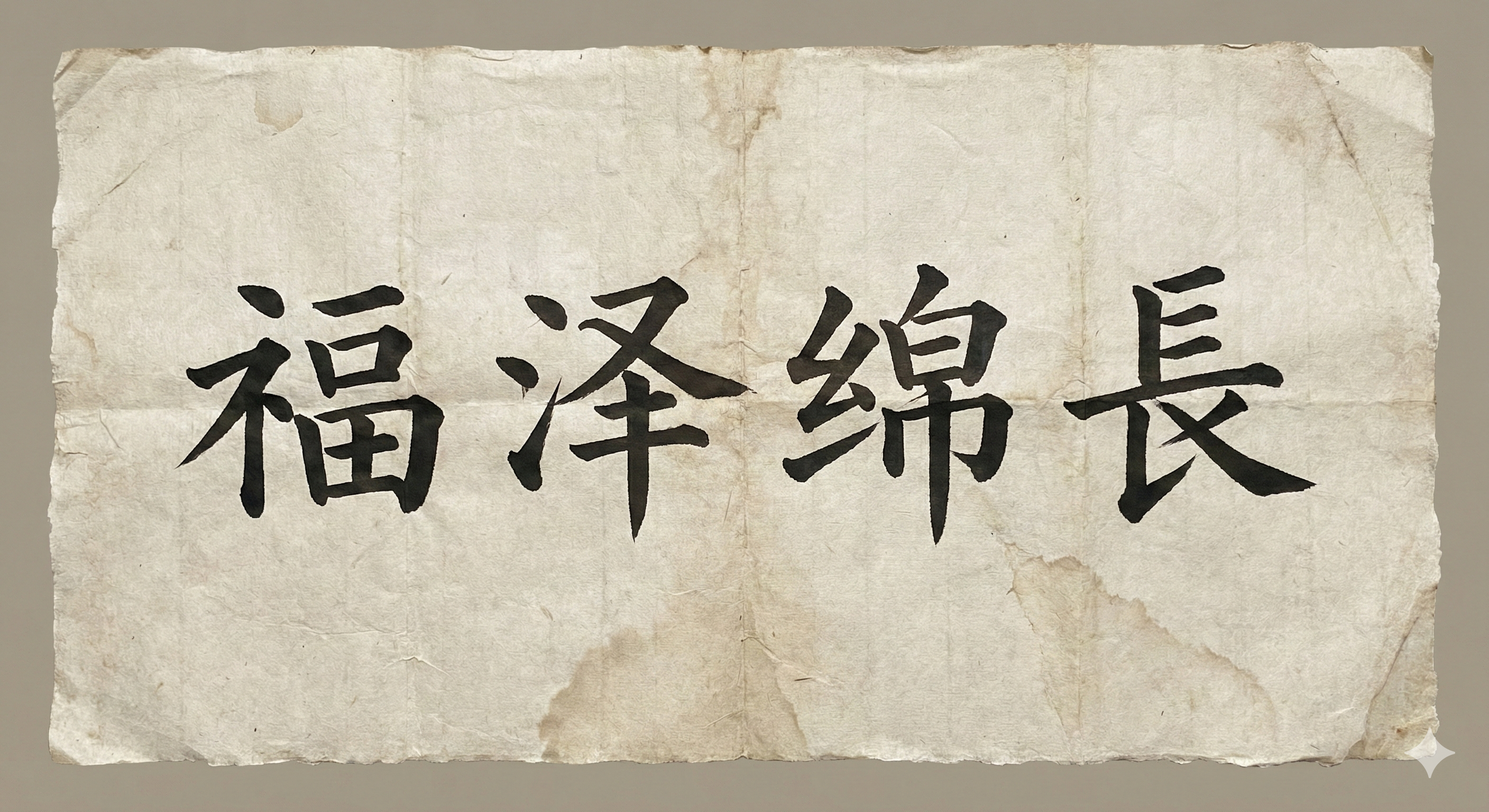
The purpose of calligraphy practice is not to produce standard answers, but to find a quiet outlet for the tension, hesitation, or chaos encountered in the "emotionally reactive depression course." Focus your attention on your hand, pen, paper, and breath, allowing each stroke and line to become a steady rhythm. There are no set rules; simply take care of yourself through repetitive movements.

课程循环图标 6

E. Traditional Mandala Painting Healing Guidance

The following seven mandala drawing methods will each relate to the theme of this course. Each method maintains the same format of centered card, text, and buttons. You can practice them in order, or choose the one that suits you best for today.

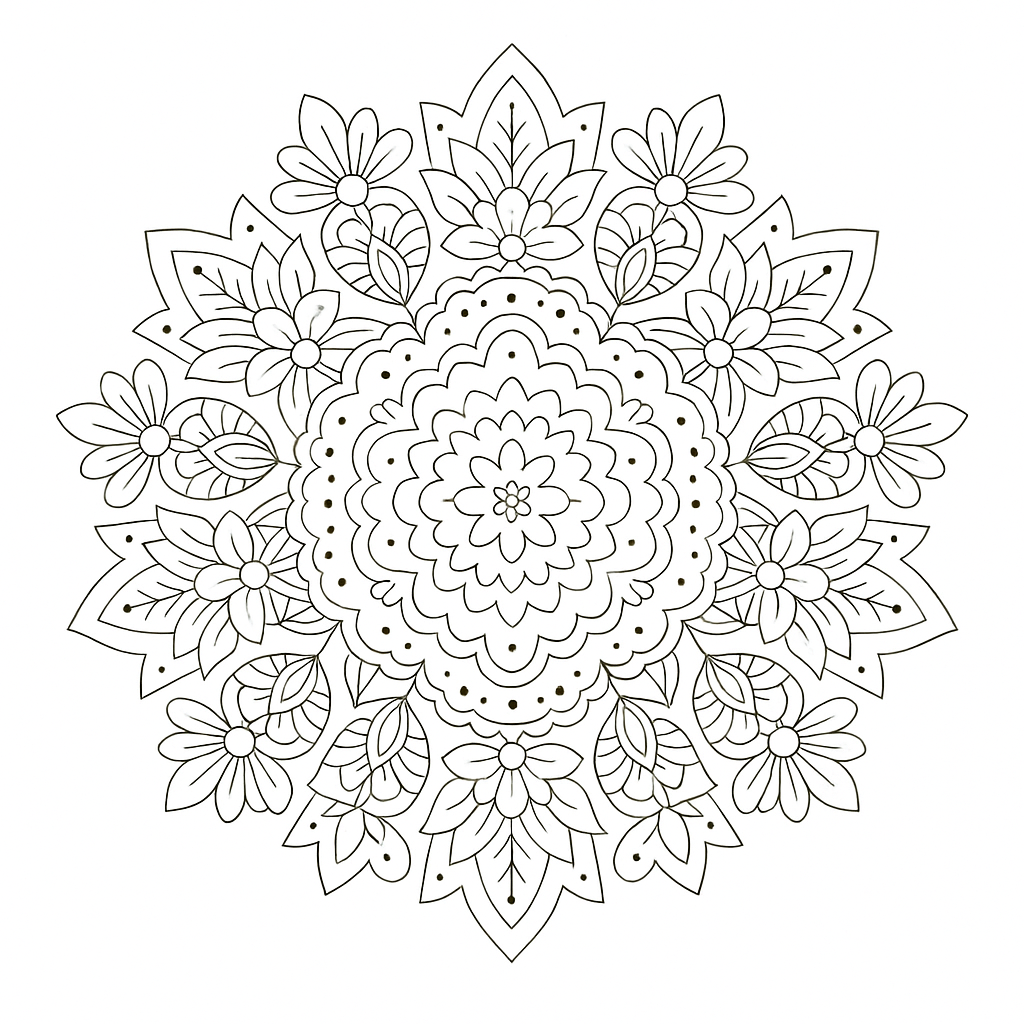
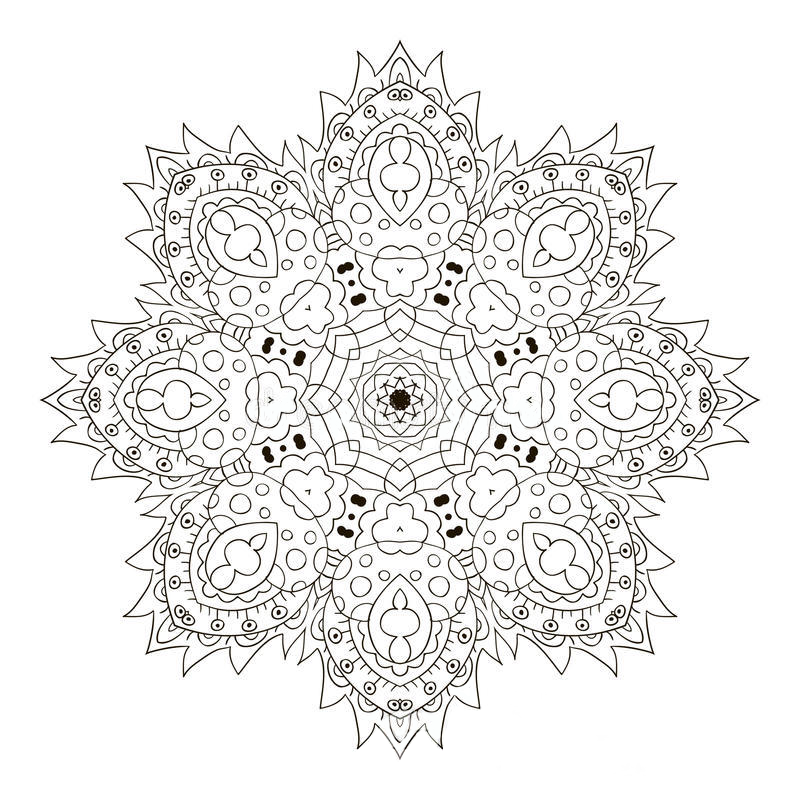
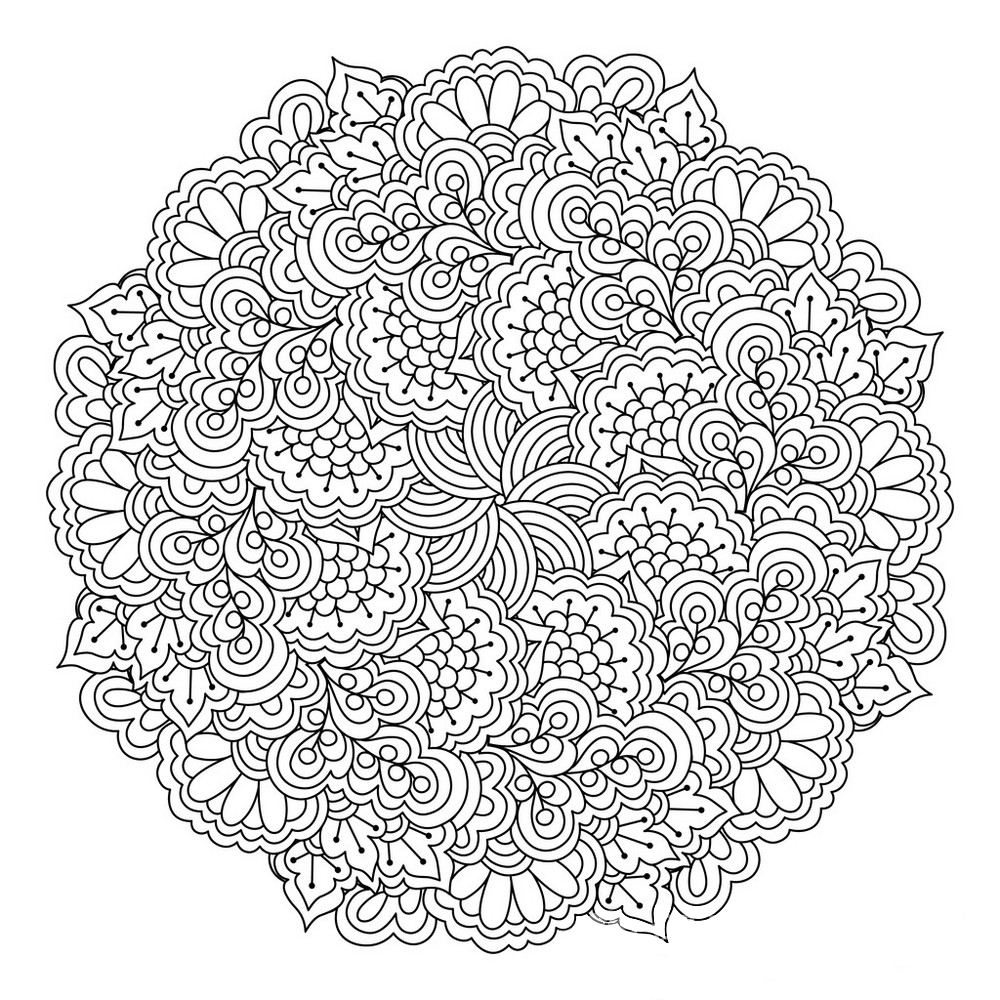
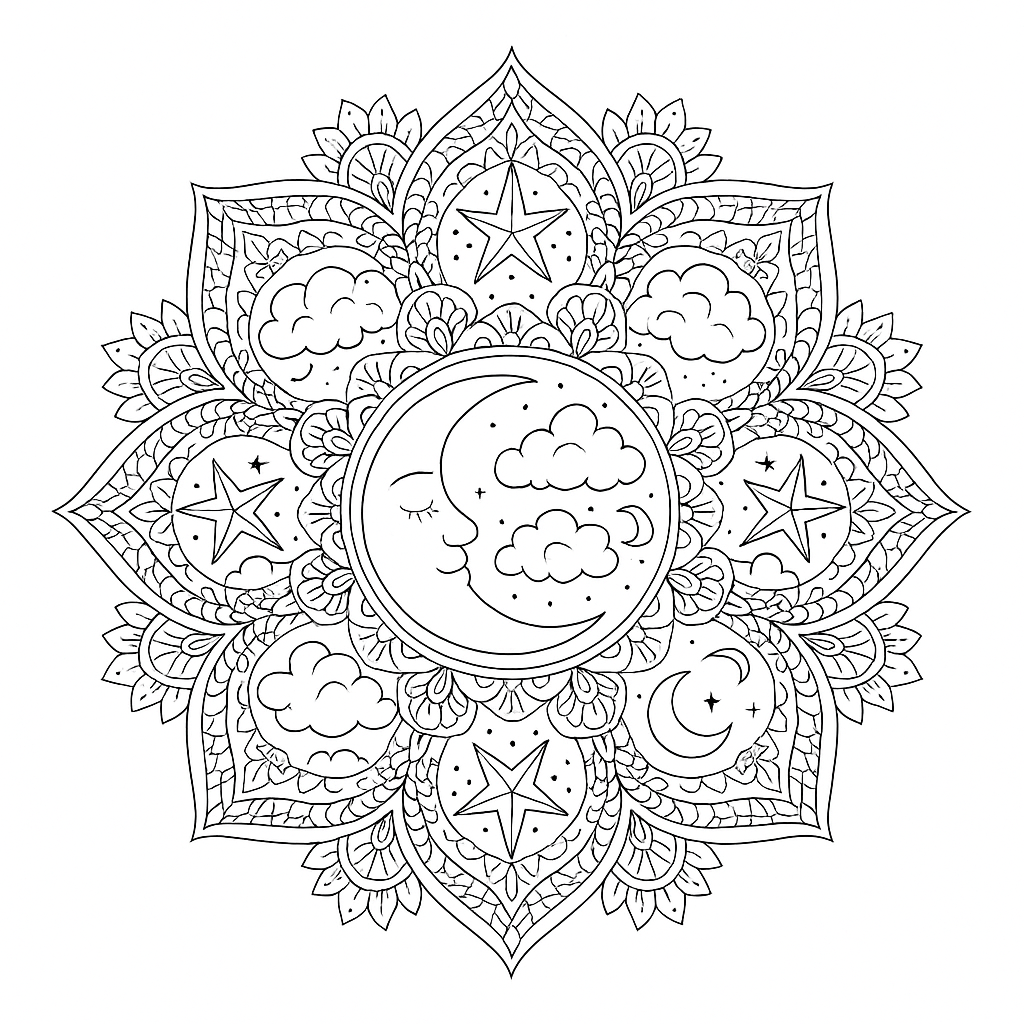
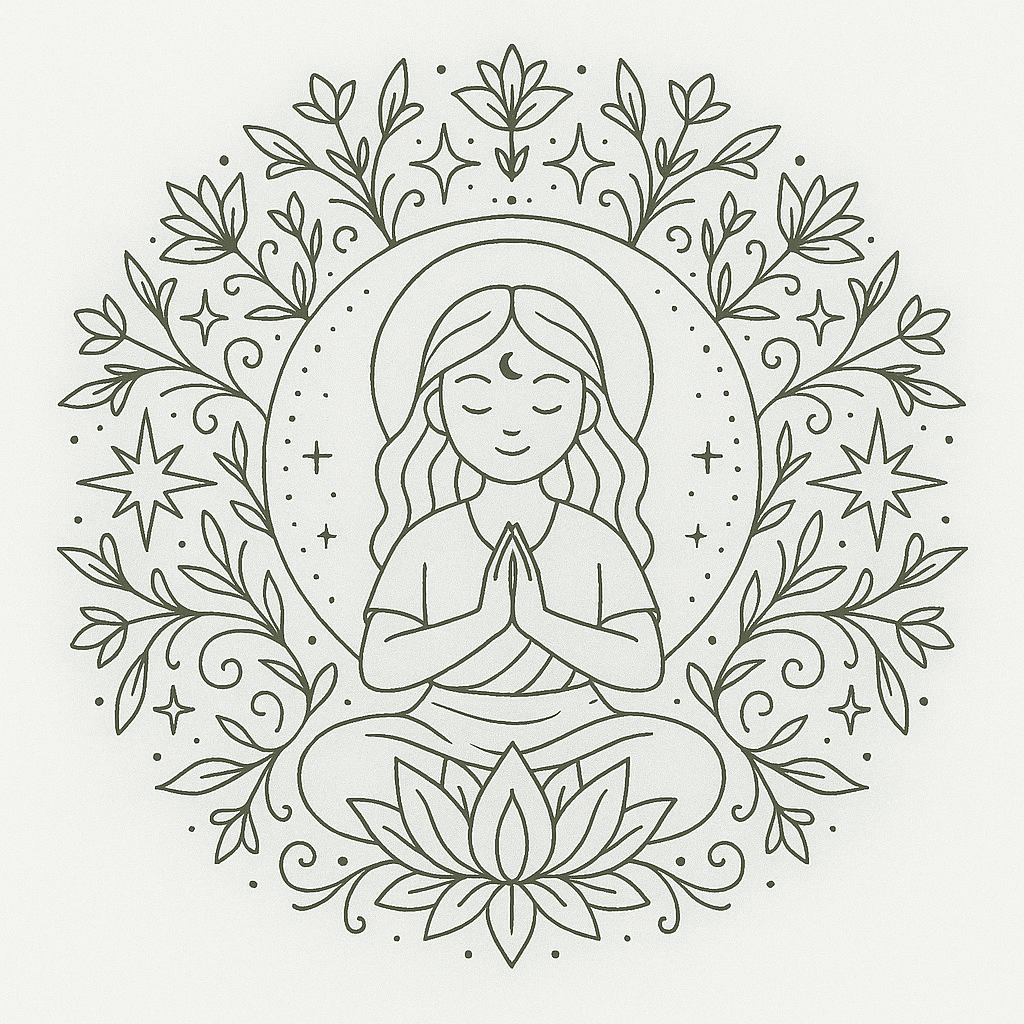
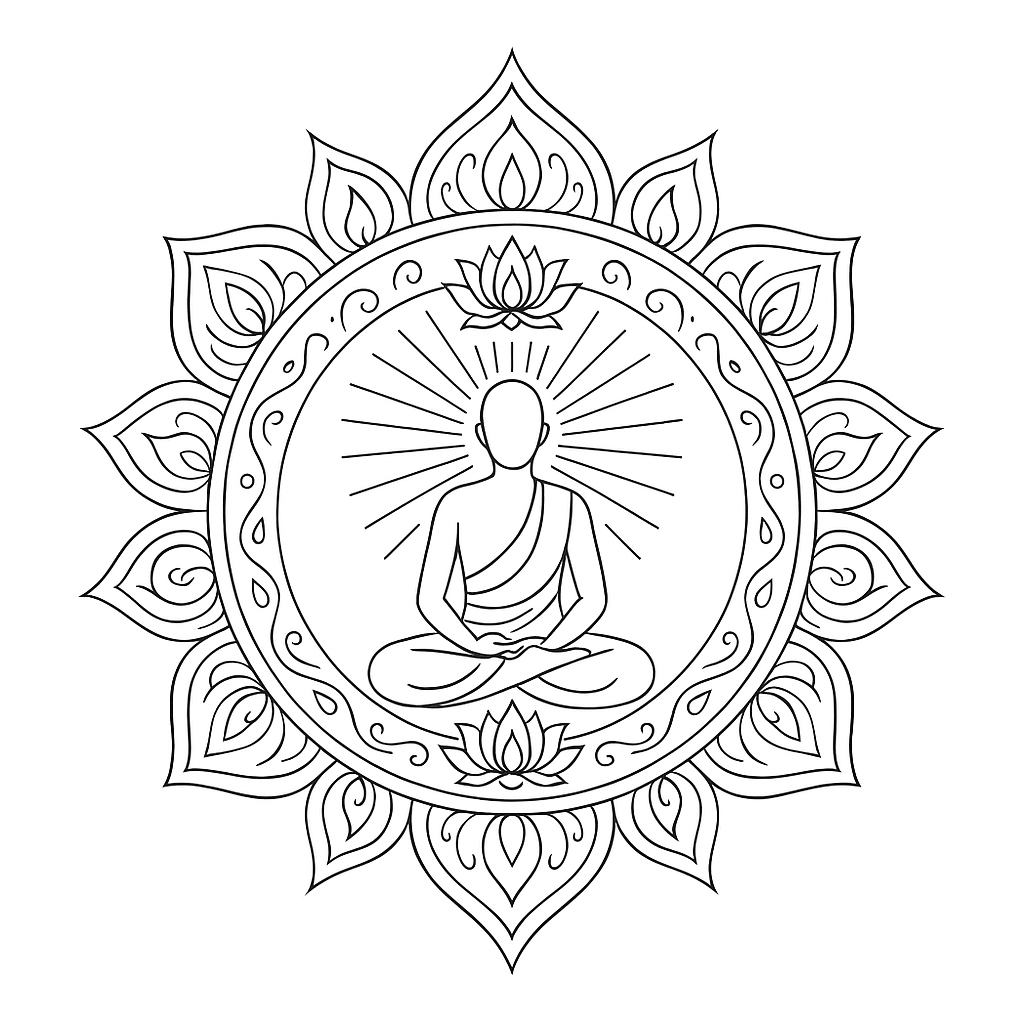
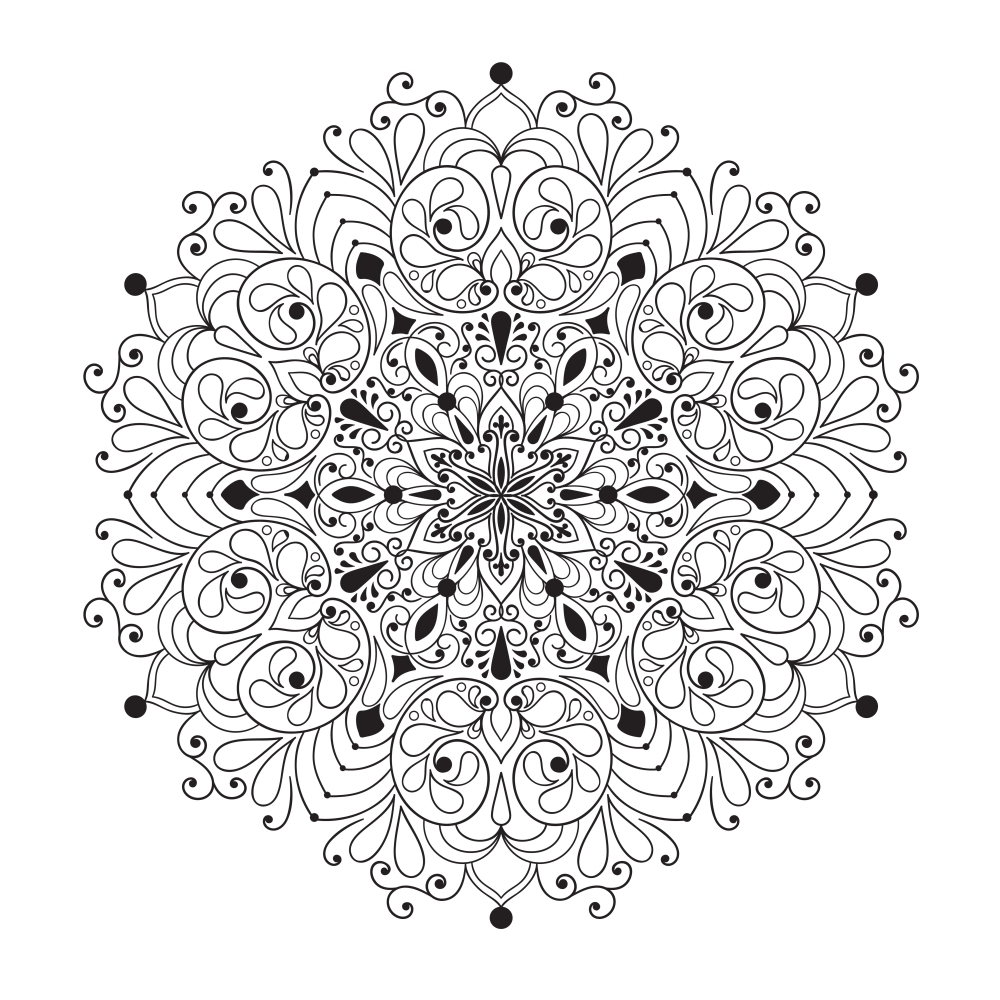
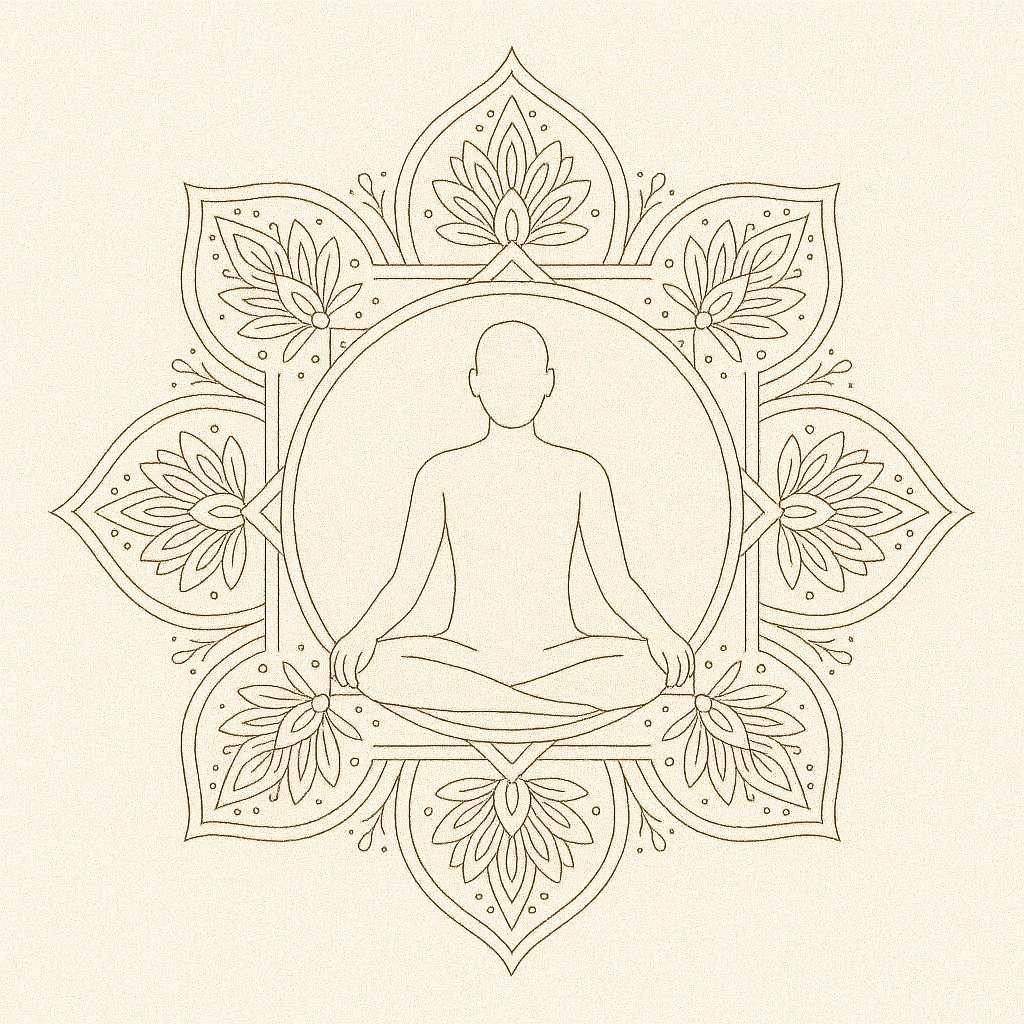
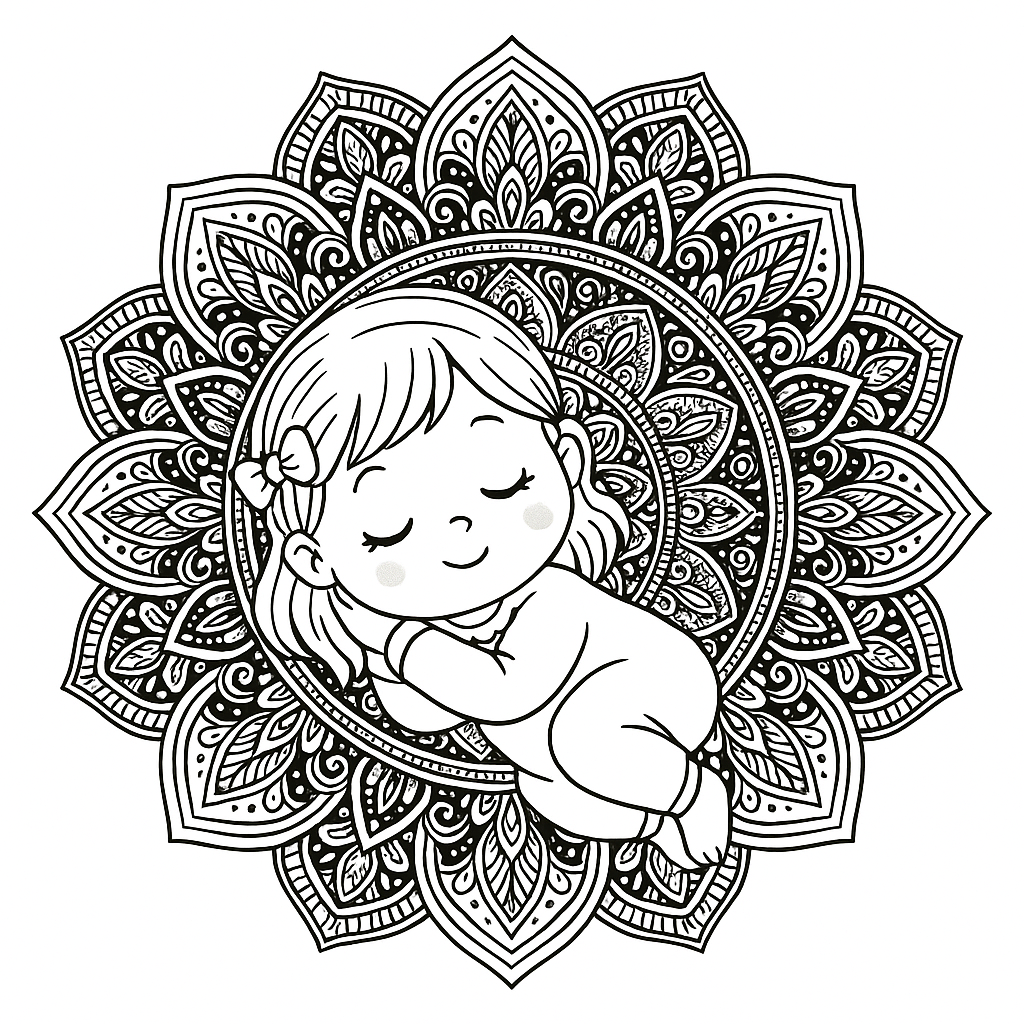
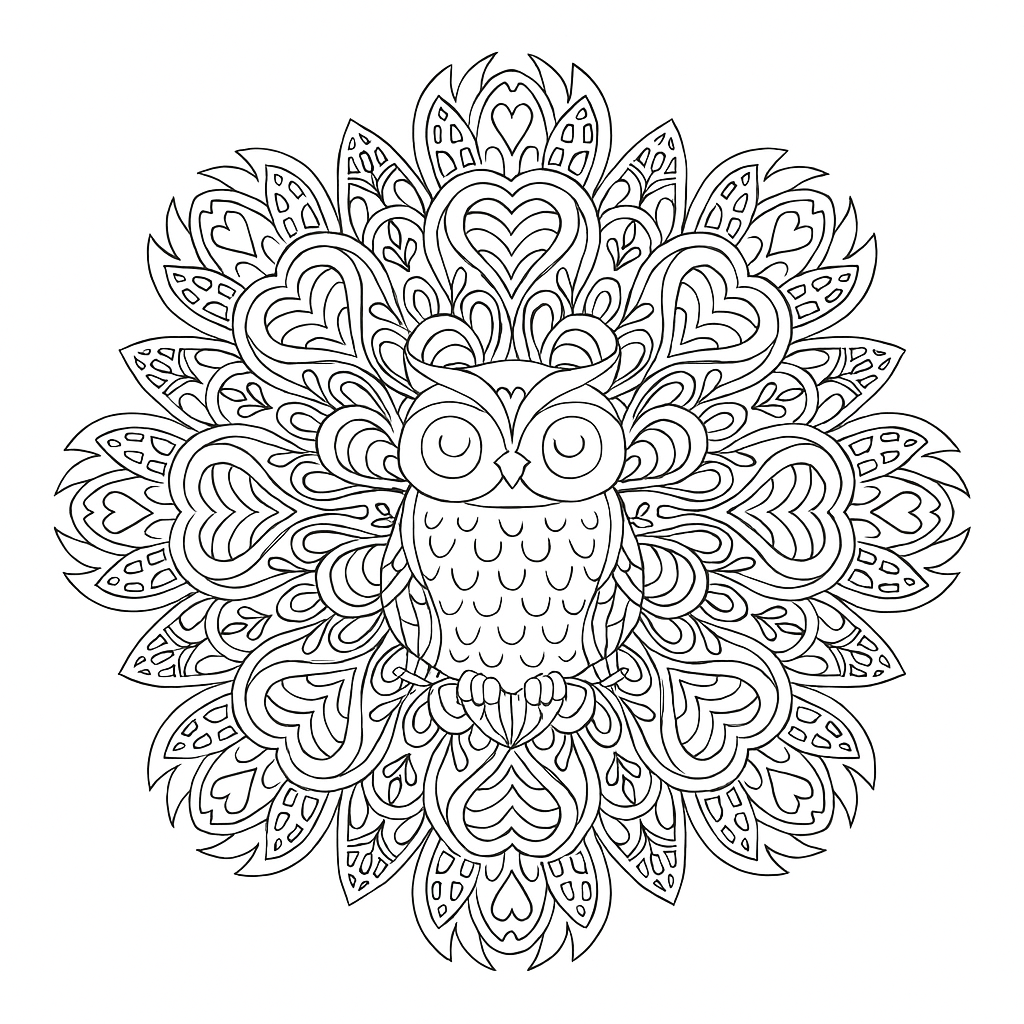
1. Traditional Mandala Painting Therapy

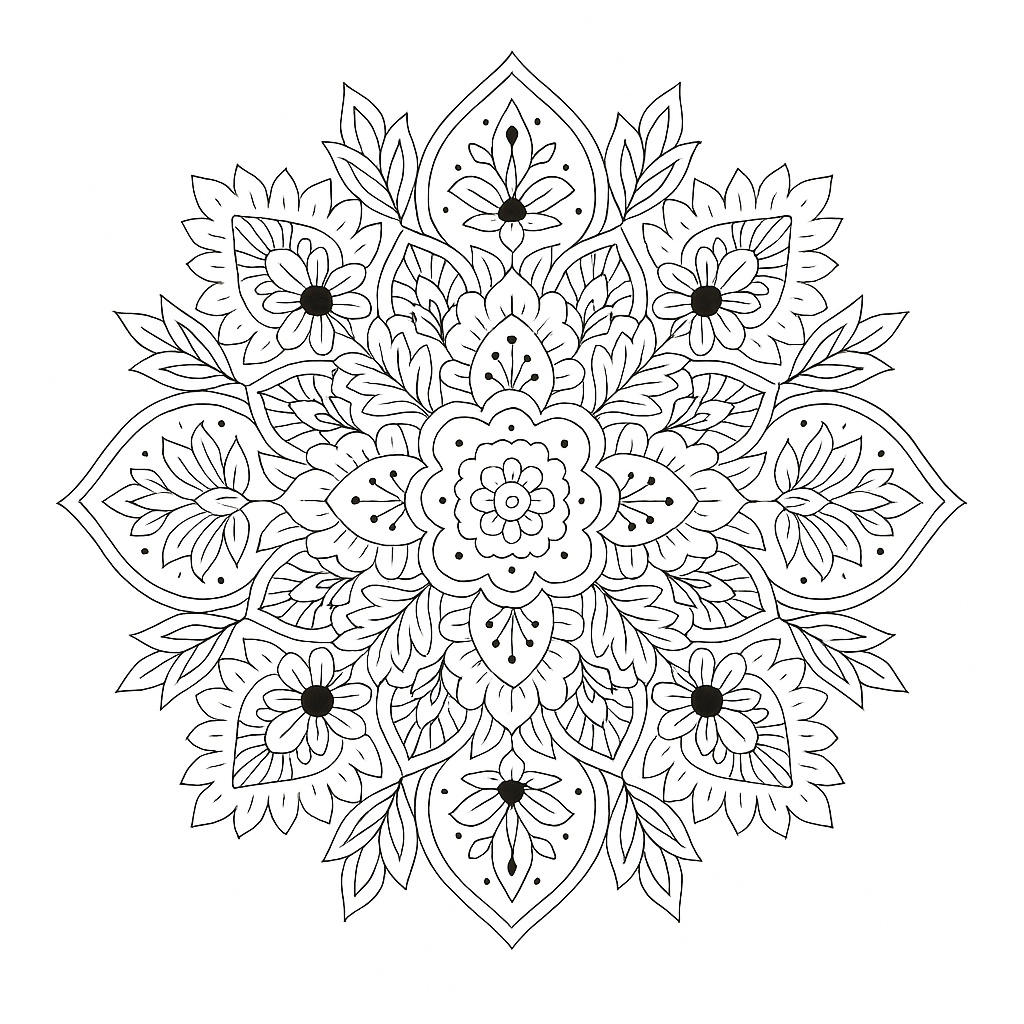
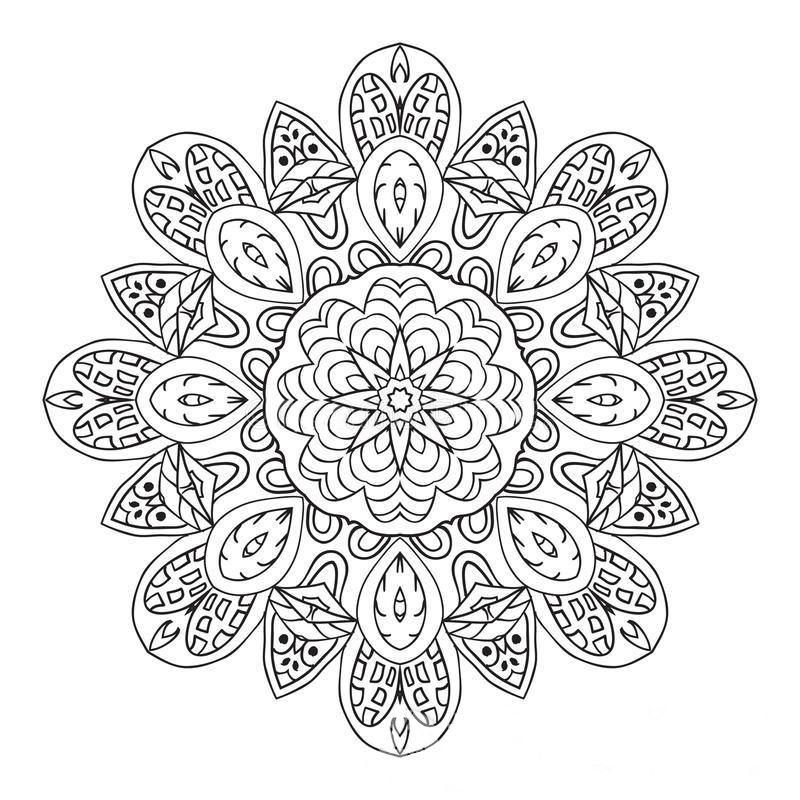
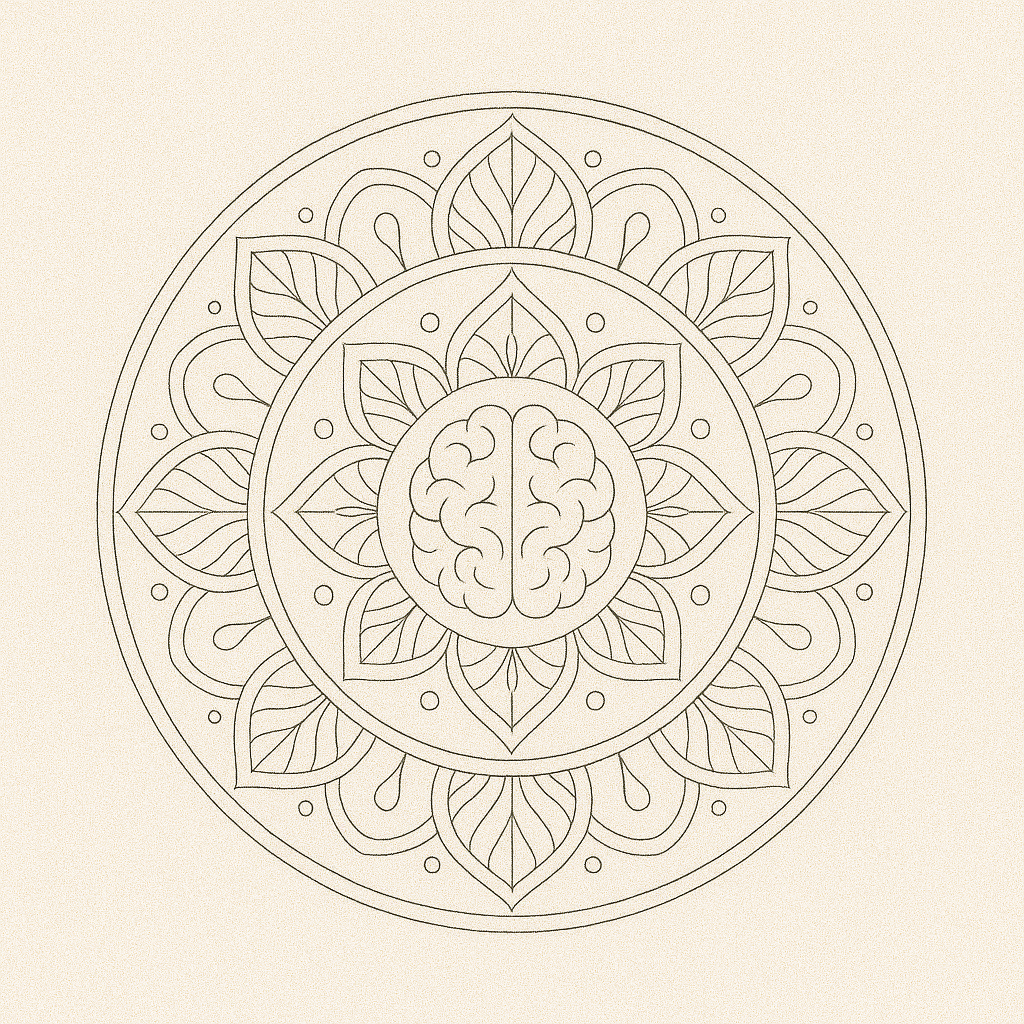
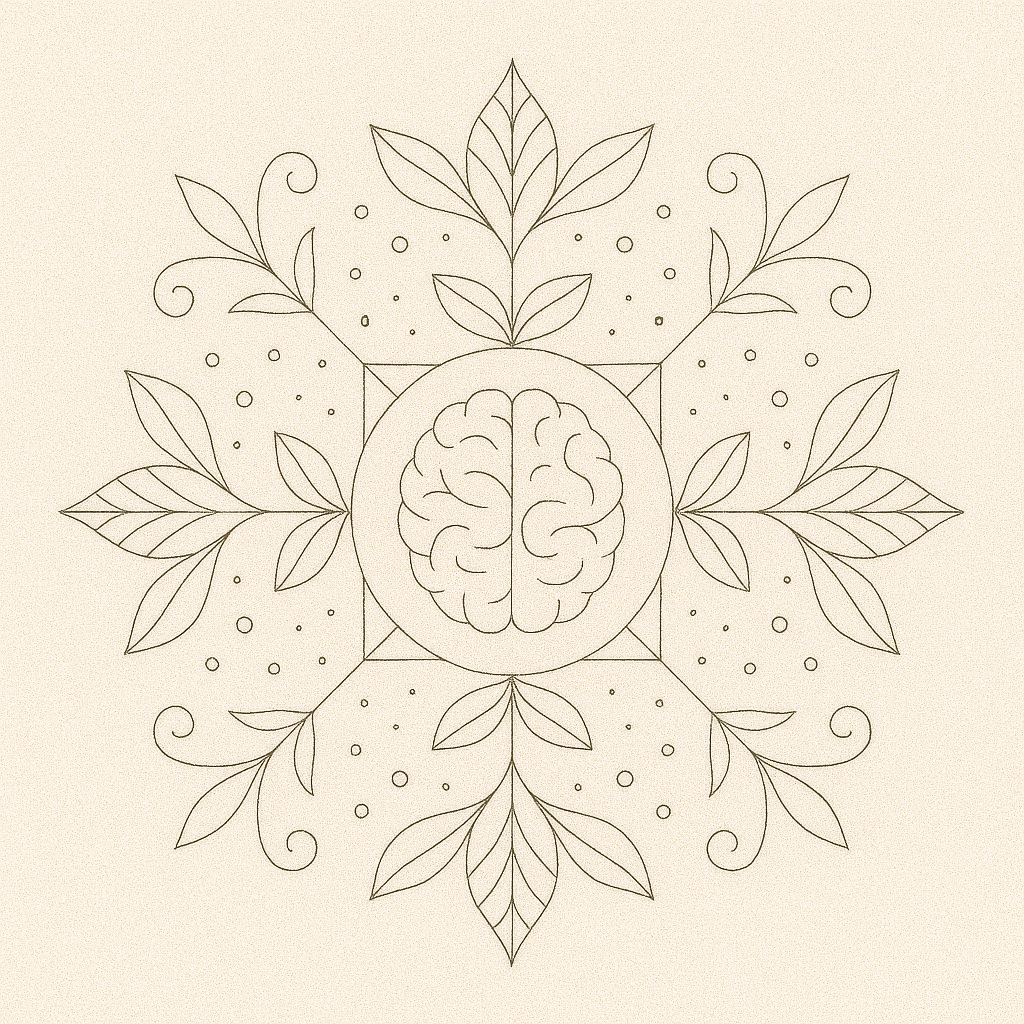
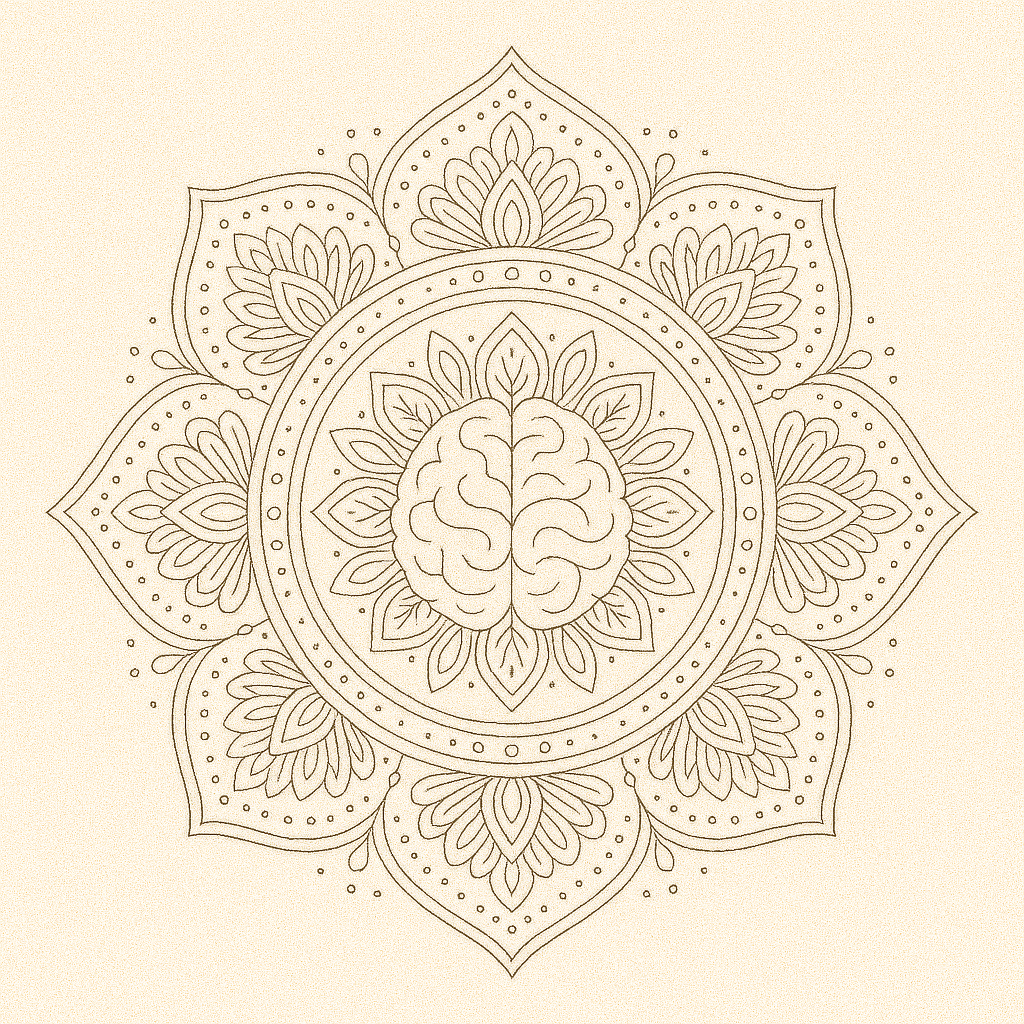
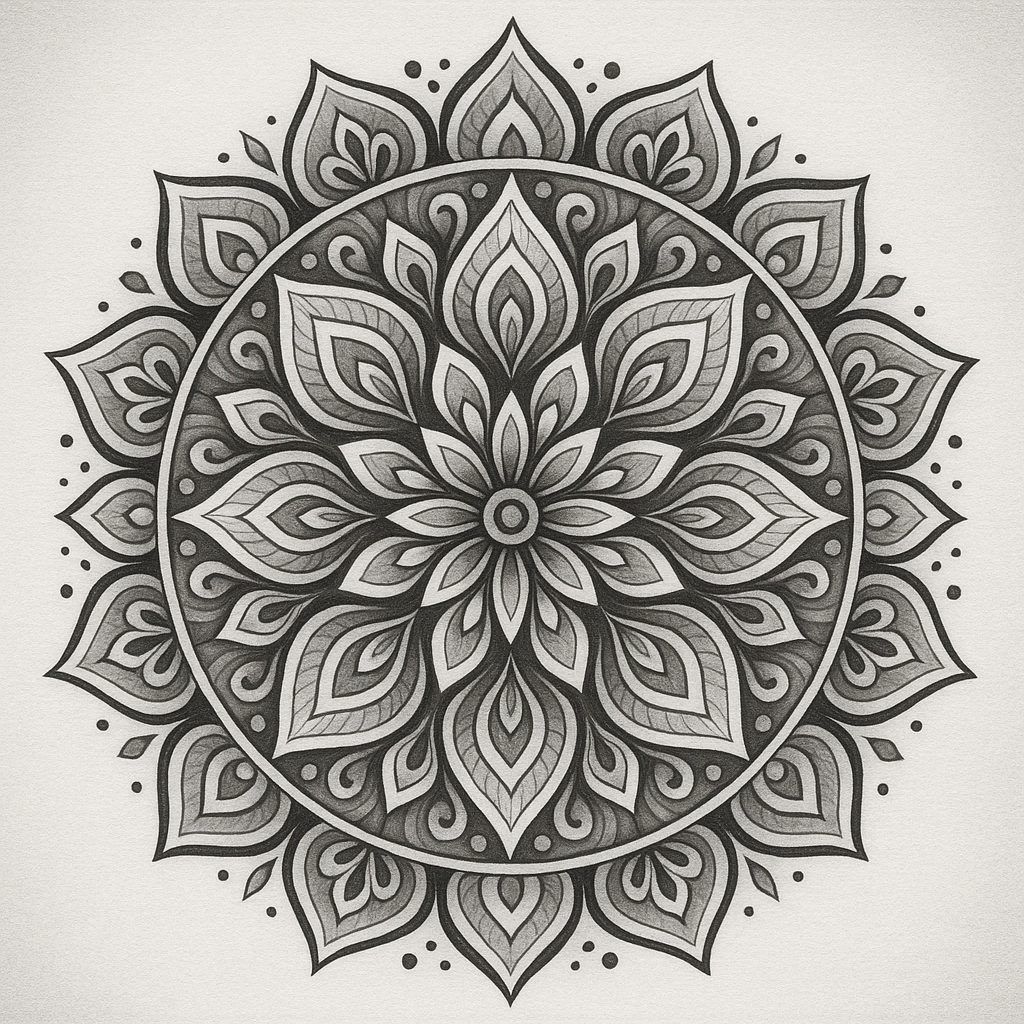
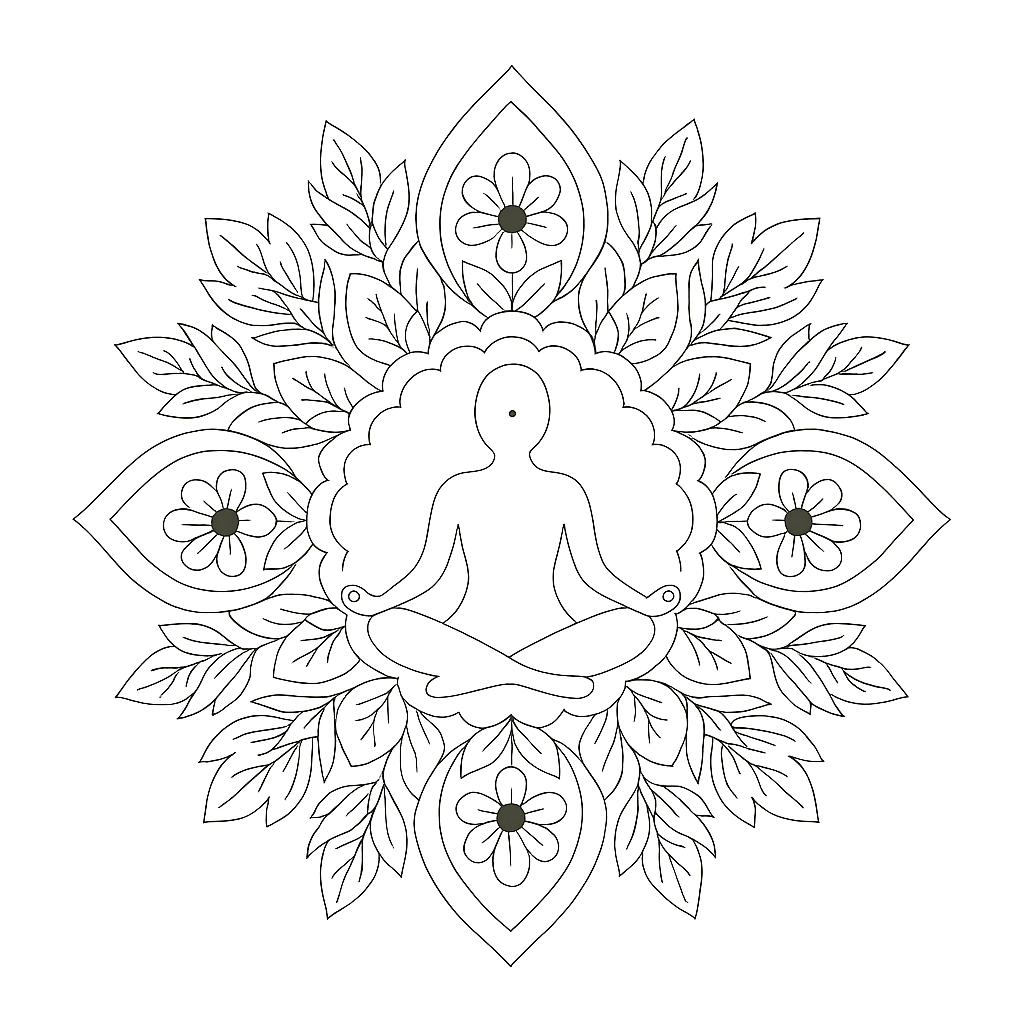
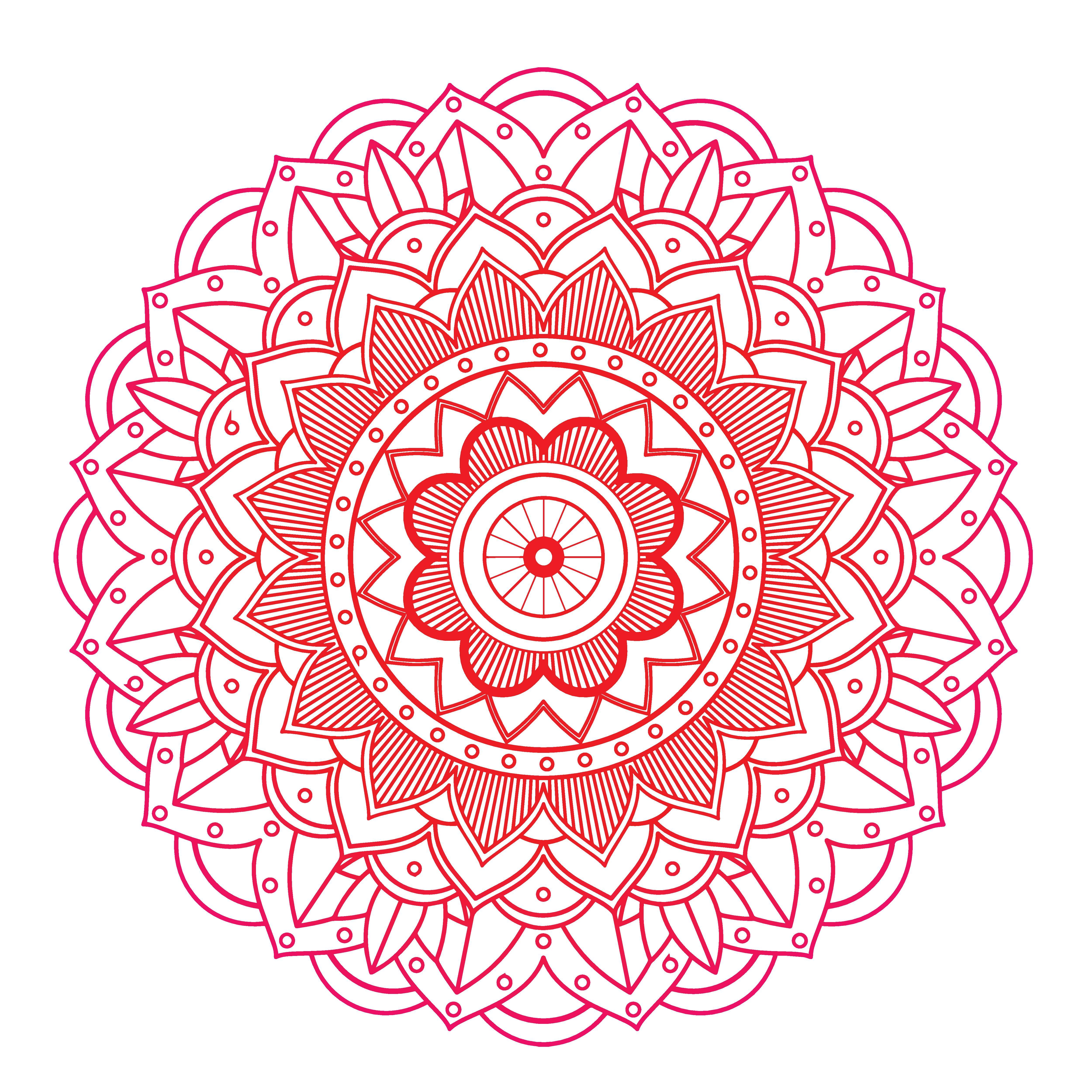
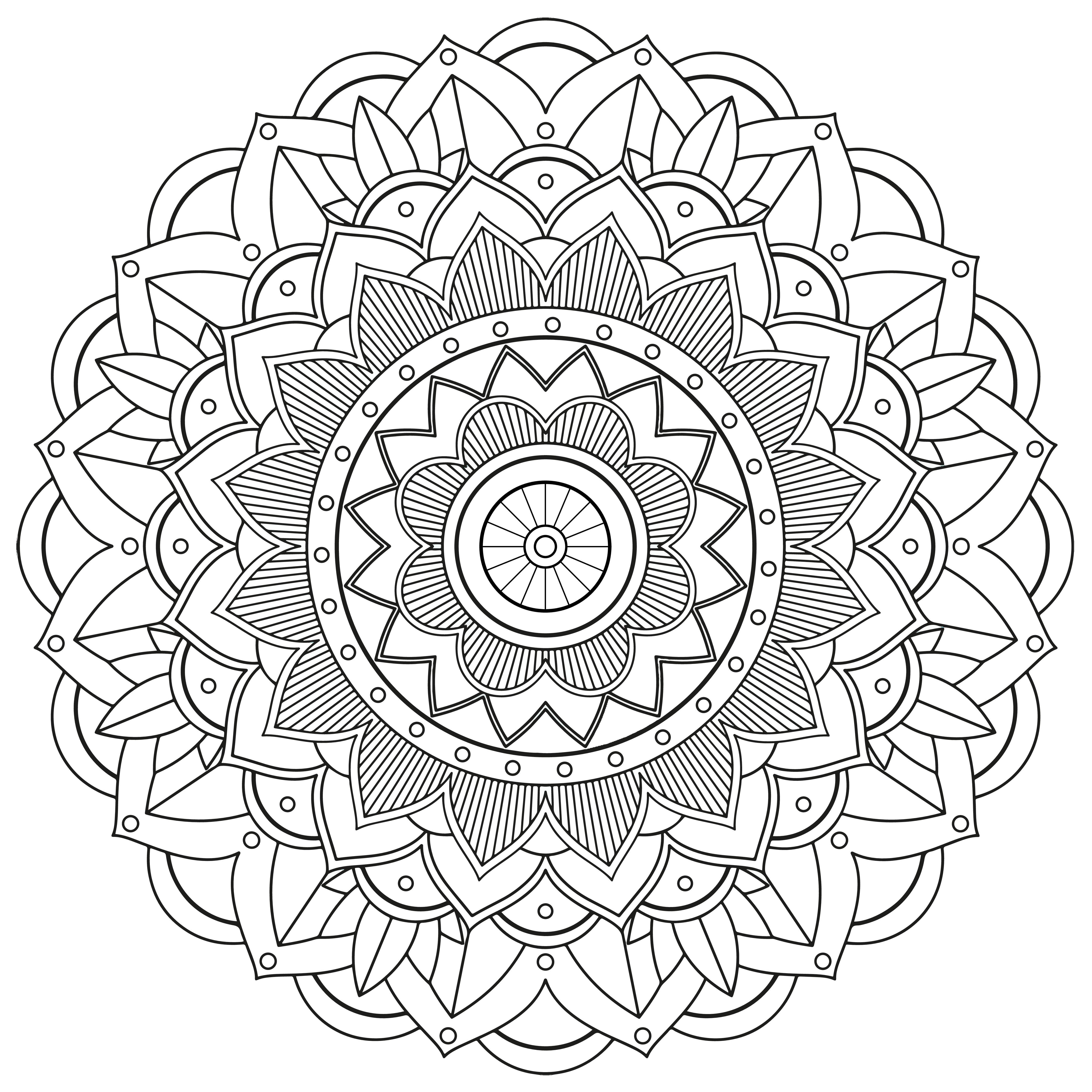
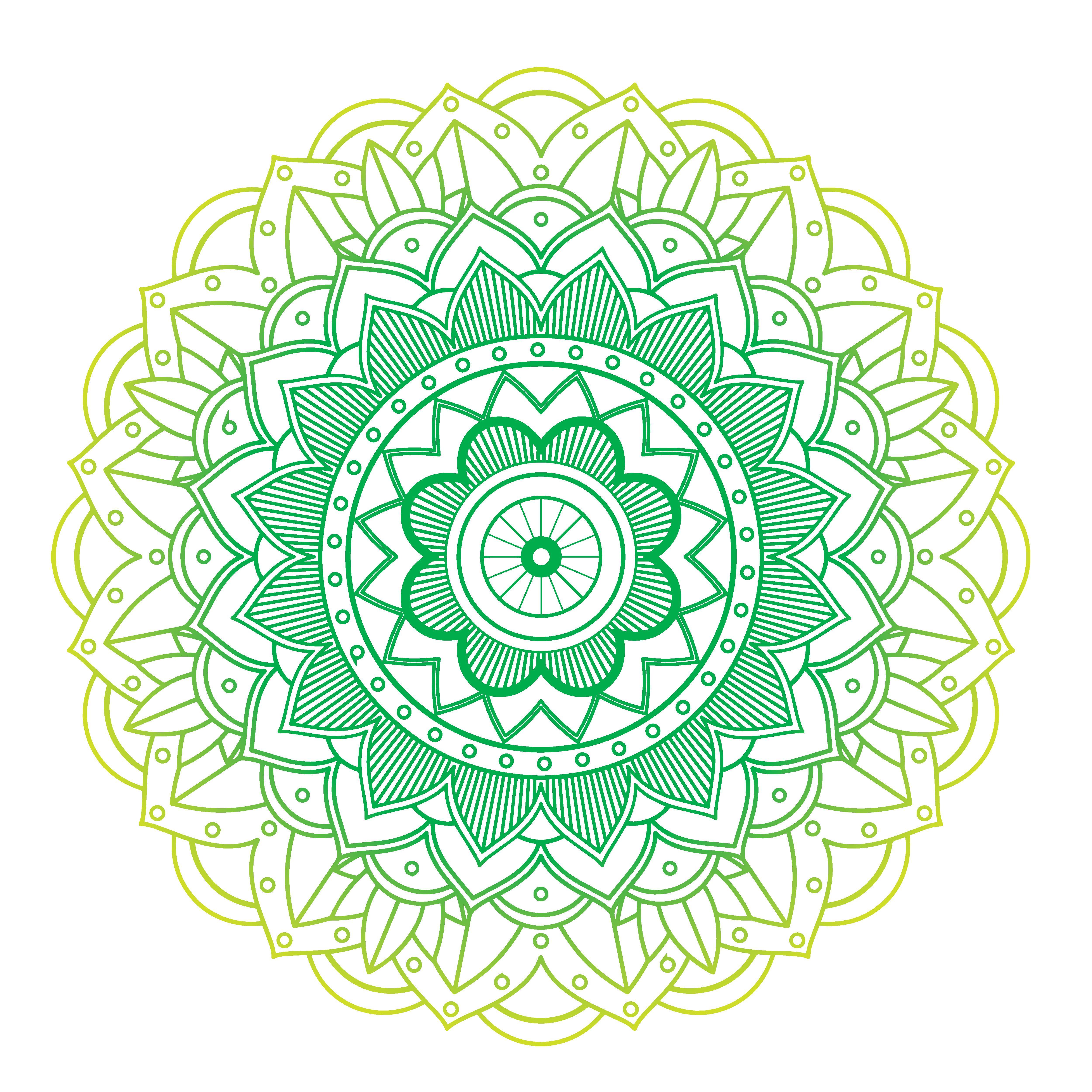
Traditional mandala drawing is a suitable and stable entry point for courses on "emotionally reactive depression." It begins with a central, circular, symmetrical, and repetitive pattern, allowing learners to establish clear boundaries before gradually returning their attention to the present moment. Complex techniques are not required, nor is the beauty of the image judged; it simply encourages you to unfold layer by layer along the lines. The center can symbolize the present moment, while the outer circle can accommodate stress, worry, memories, or physical sensations. During the drawing process, if feelings of agitation, blankness, or resistance arise, there's no need to deal with them immediately. Simply acknowledge them and move on to the next line or the next color. The significance of traditional mandalas is not to erase the problem, but to provide temporary space for chaos within an orderly circle, allowing one to regain a sense of resilience.

Click on the thumbnail to see the full image

Download current image

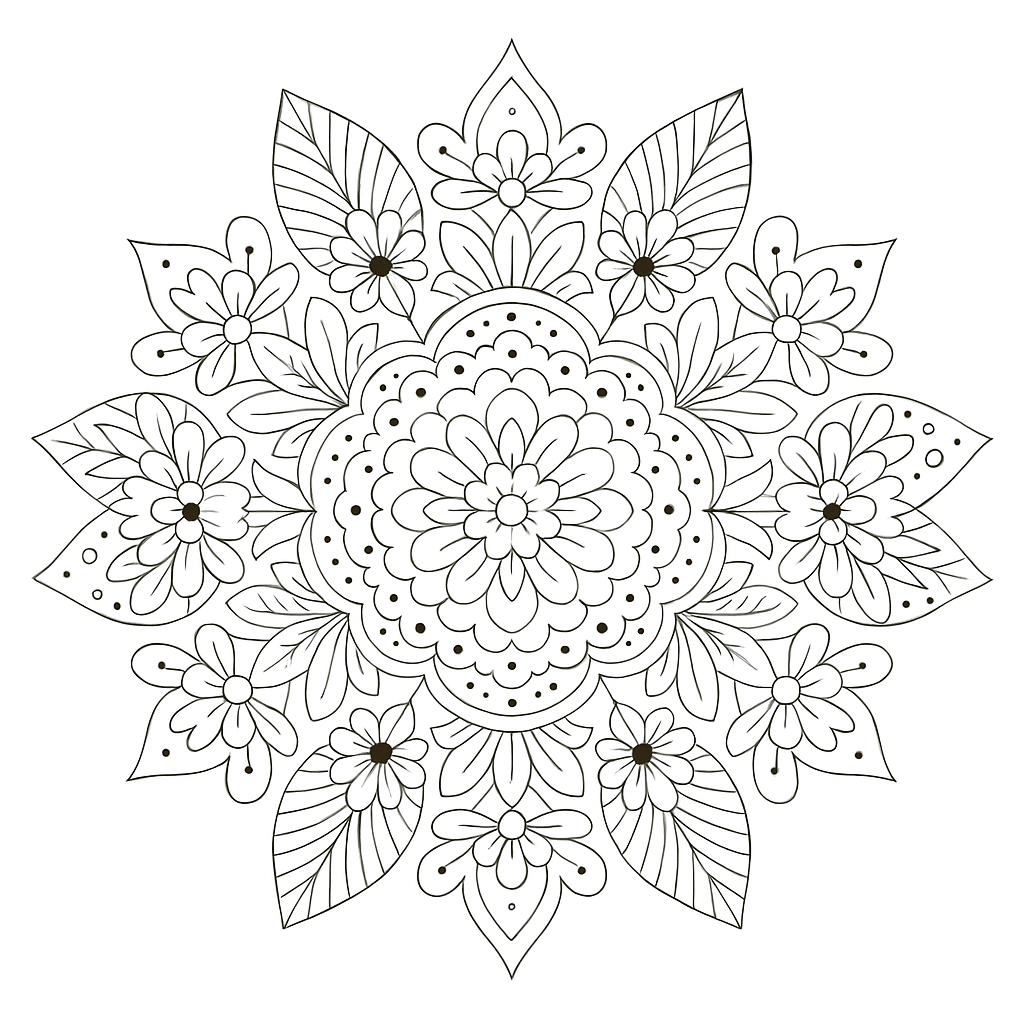
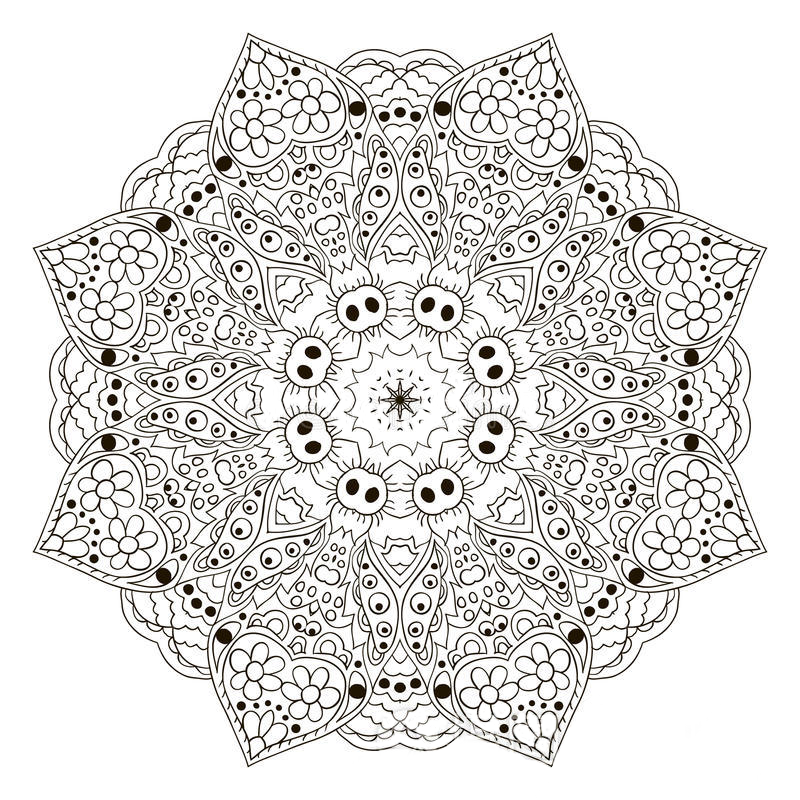
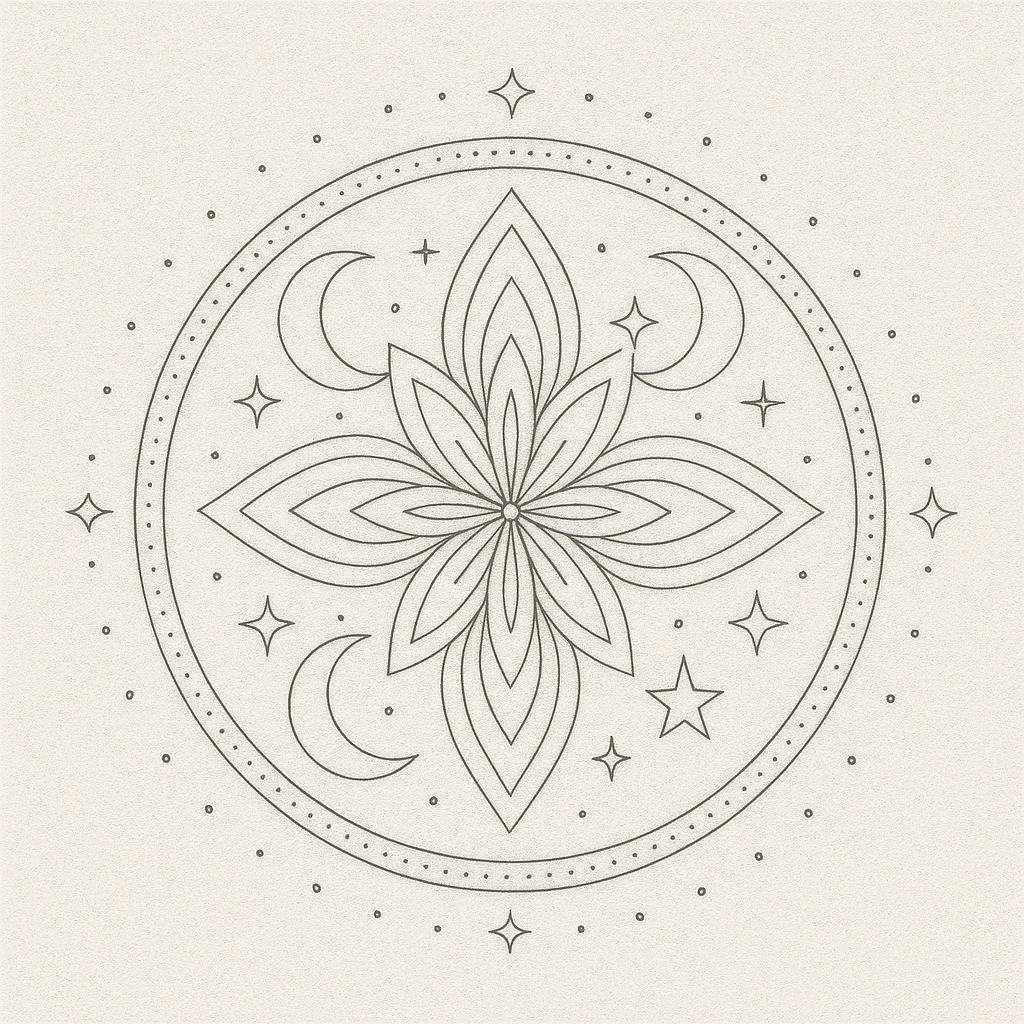
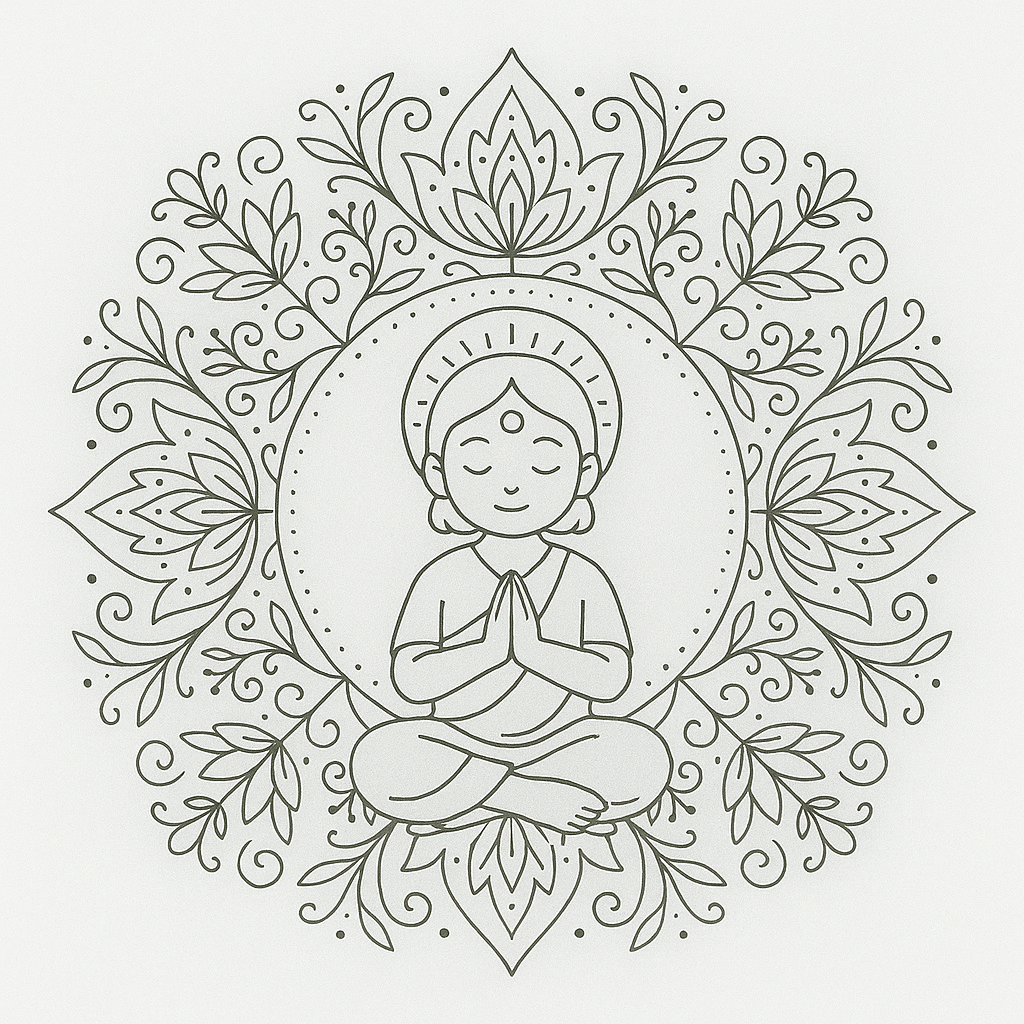
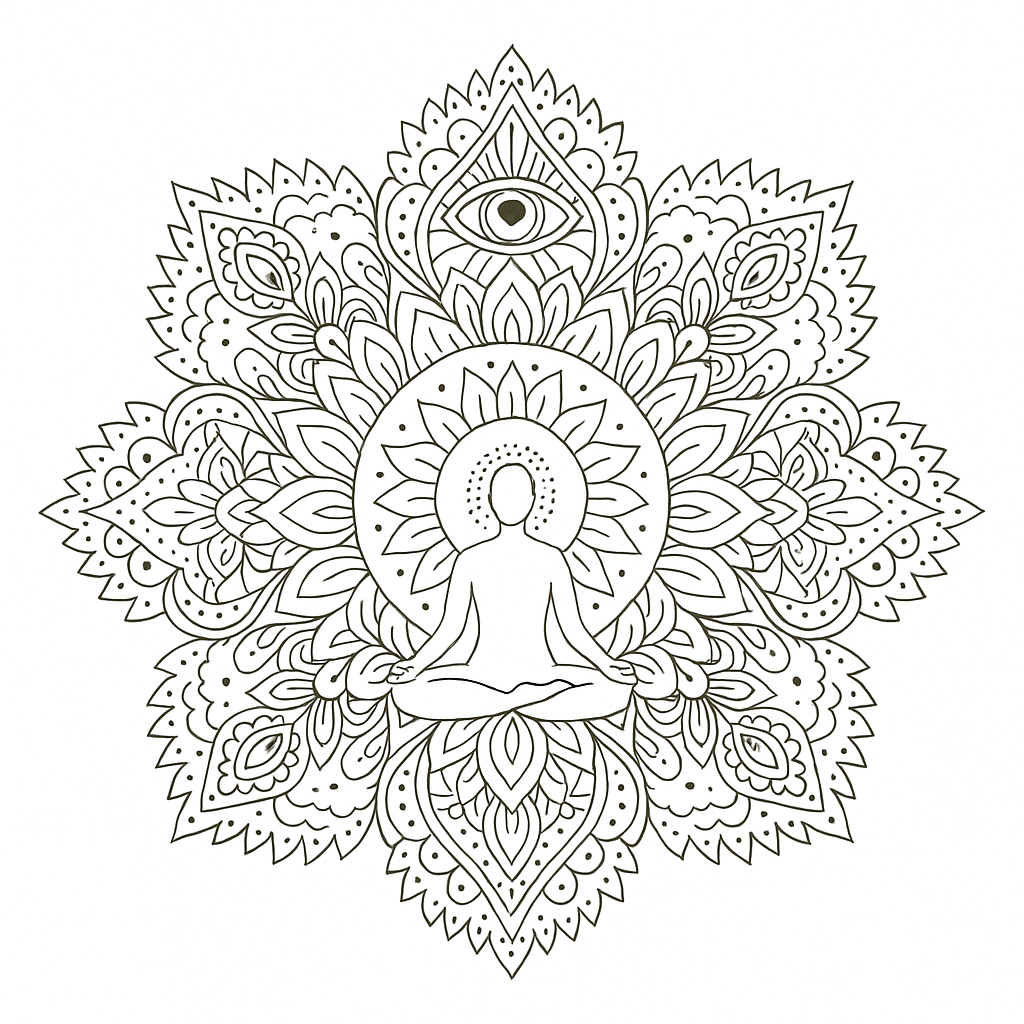
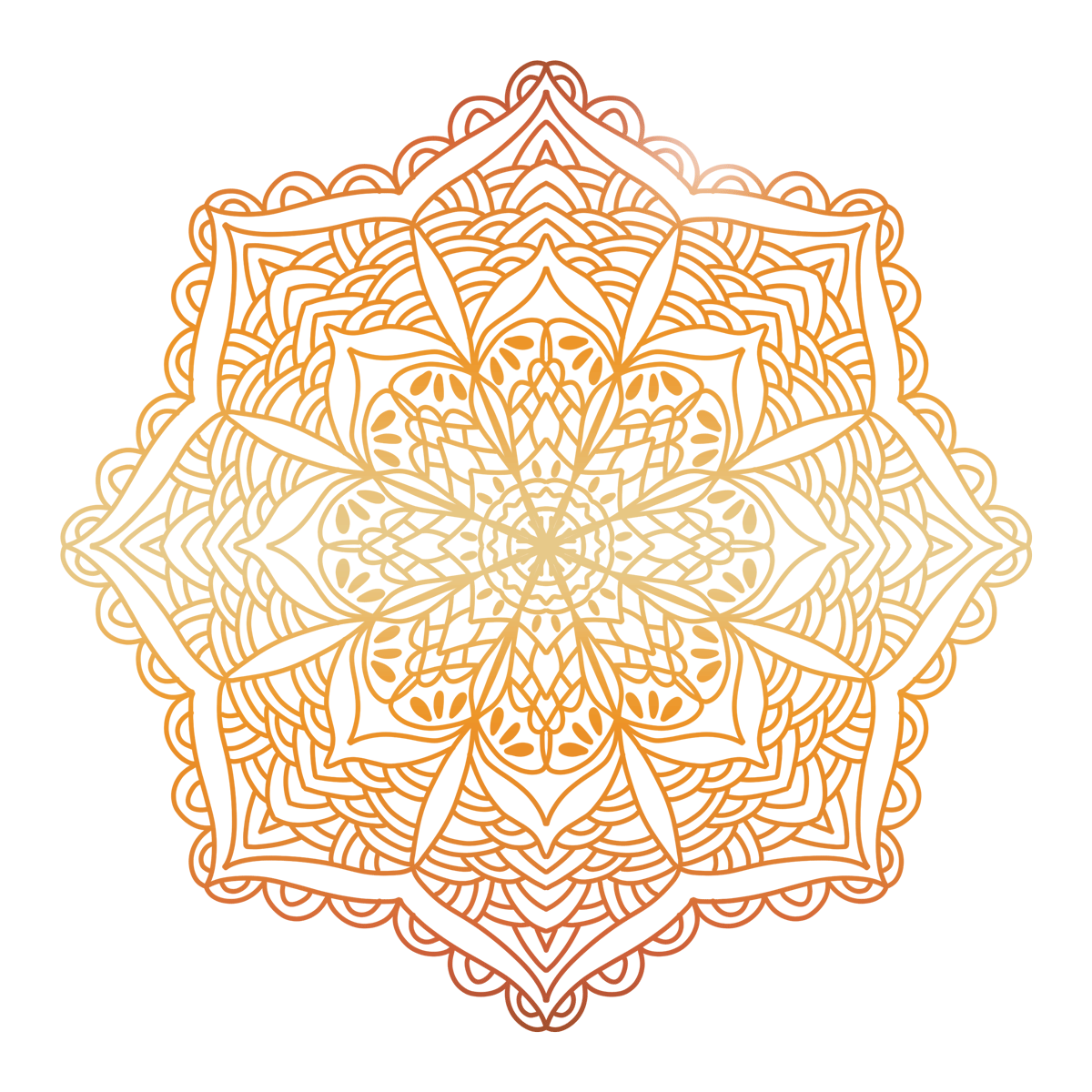
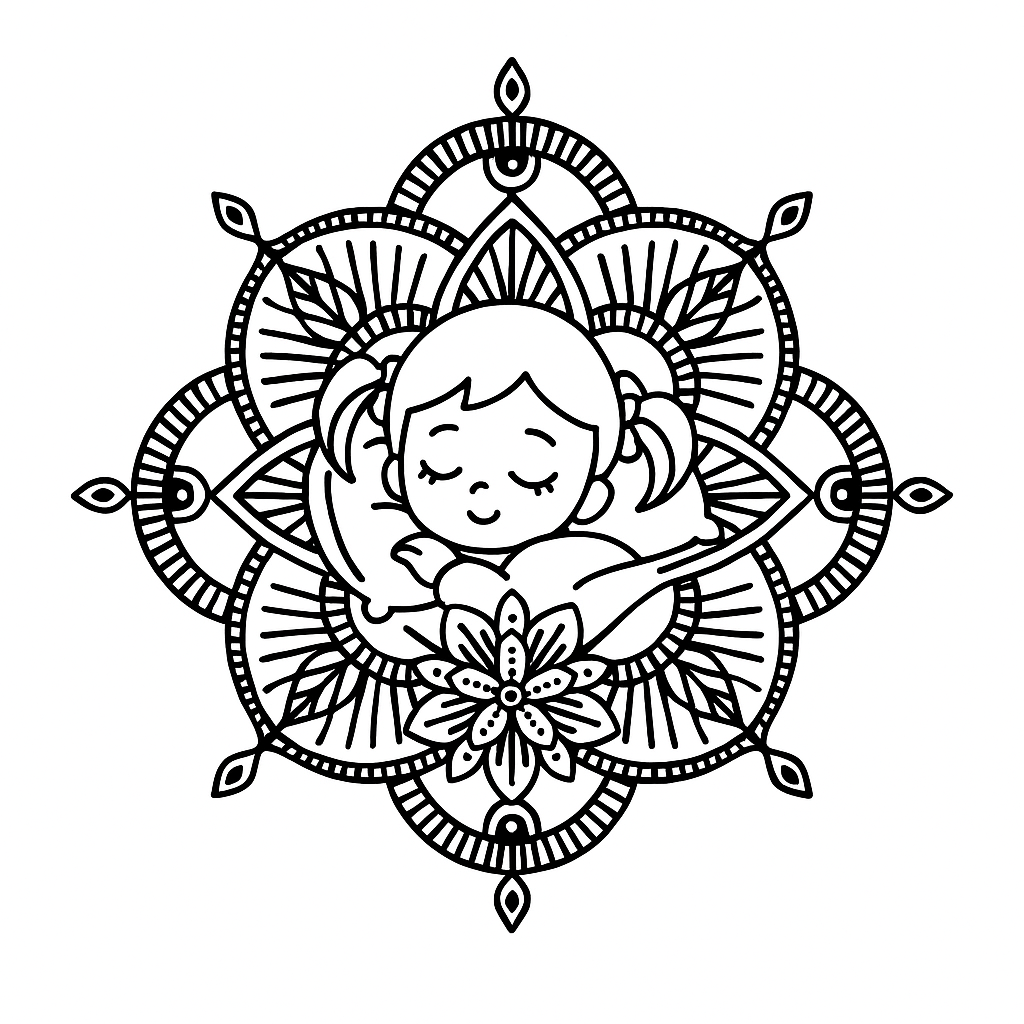
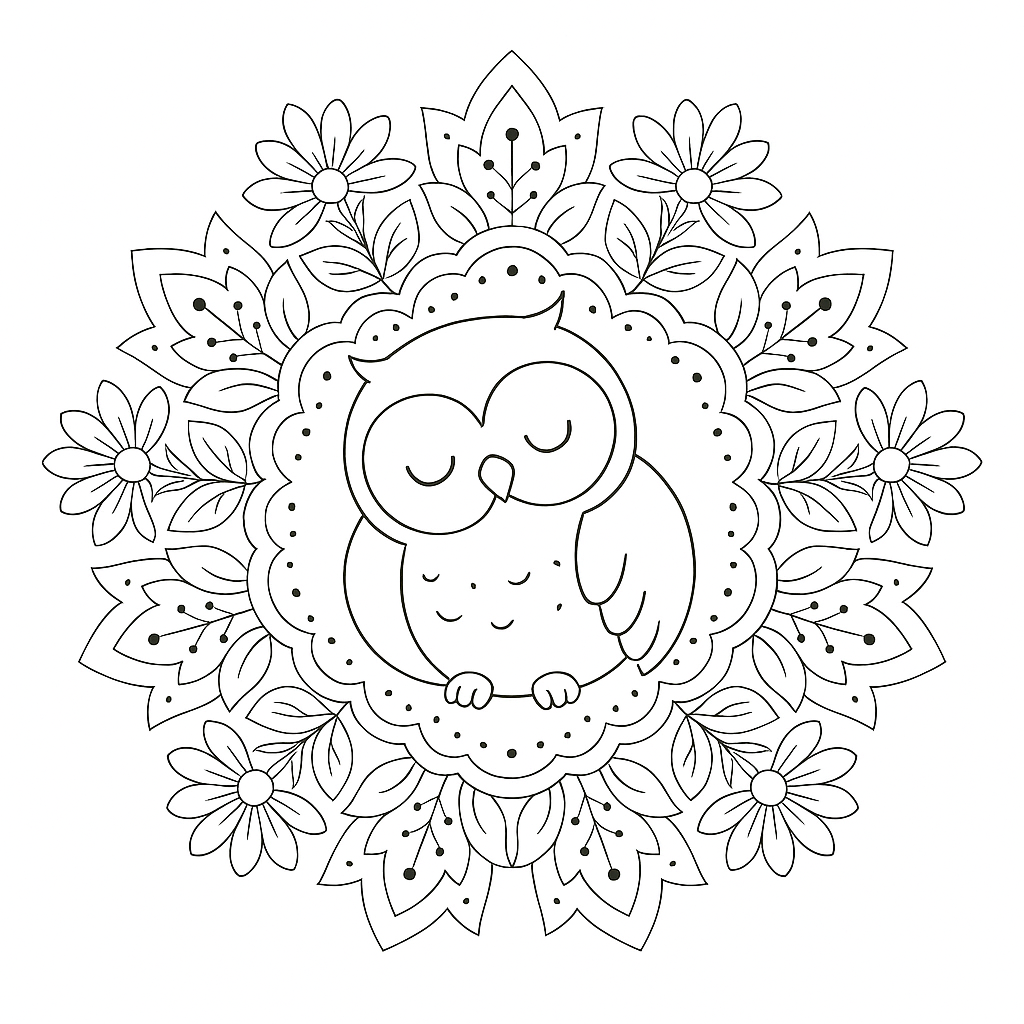
2. Dream Mandala Painting Therapy

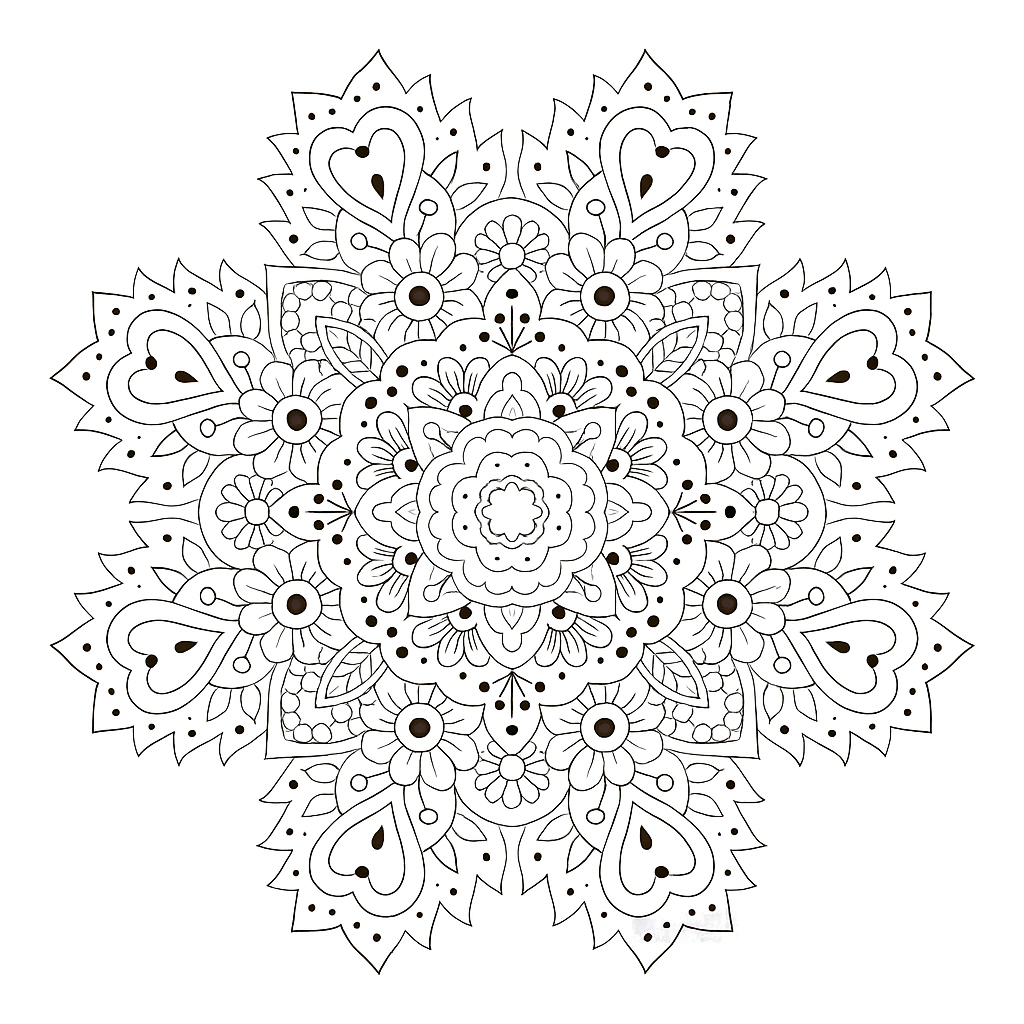
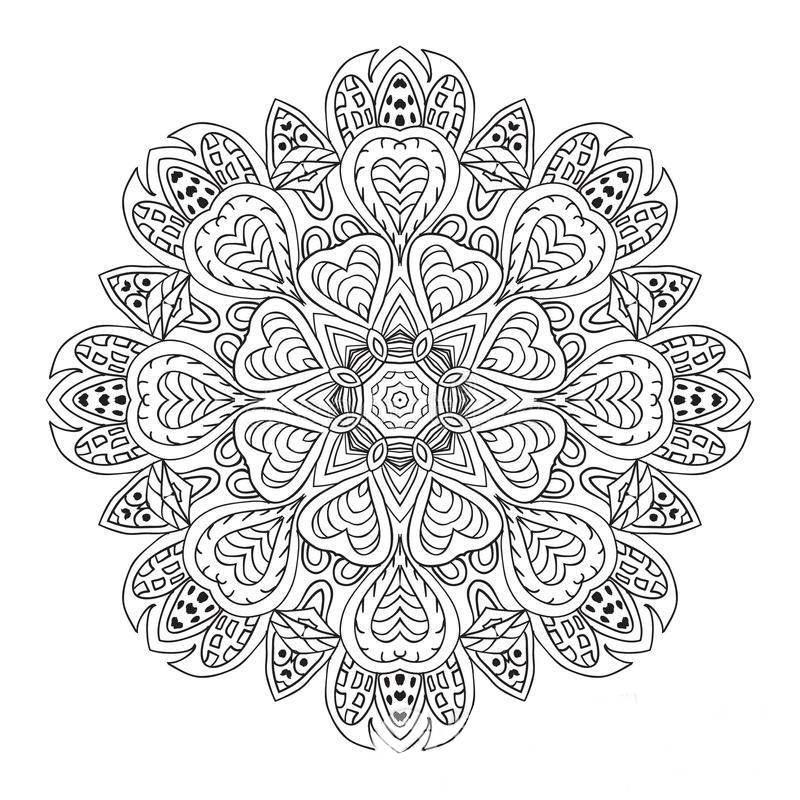
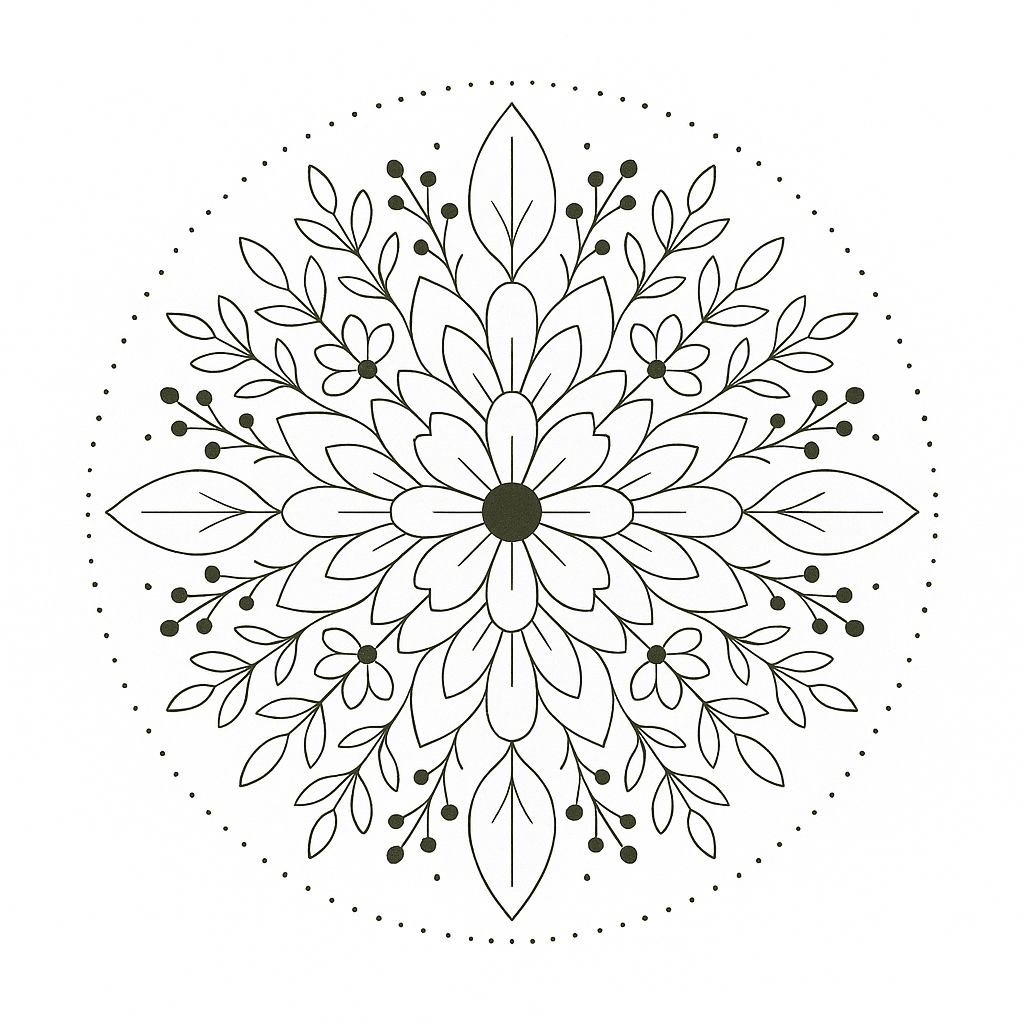
Dream mandalas are suitable for addressing the vague, fragmented, and difficult-to-describe psychological images encountered in "Emotionally Reactive Depression Courses." Some feelings are unspeakable during the day but appear in dreams, fragments, colors, or symbols. When drawing, there's no need to interpret the dream's meaning or depict its completeness. Simply choose a color block, shape, direction, or atmosphere that resonates with you most and place it within a circular space. The circle's boundary helps prevent these loose fragments from scattering, and the image allows your inner self to gradually draw closer. If the dream content makes you uncomfortable, you can reduce the intensity of the colors, leave blank spaces, or only draw the edges. The important thing is to allow the subconscious to be gently seen, not forcibly opened.

Click on the thumbnail to see the full image

Download current image

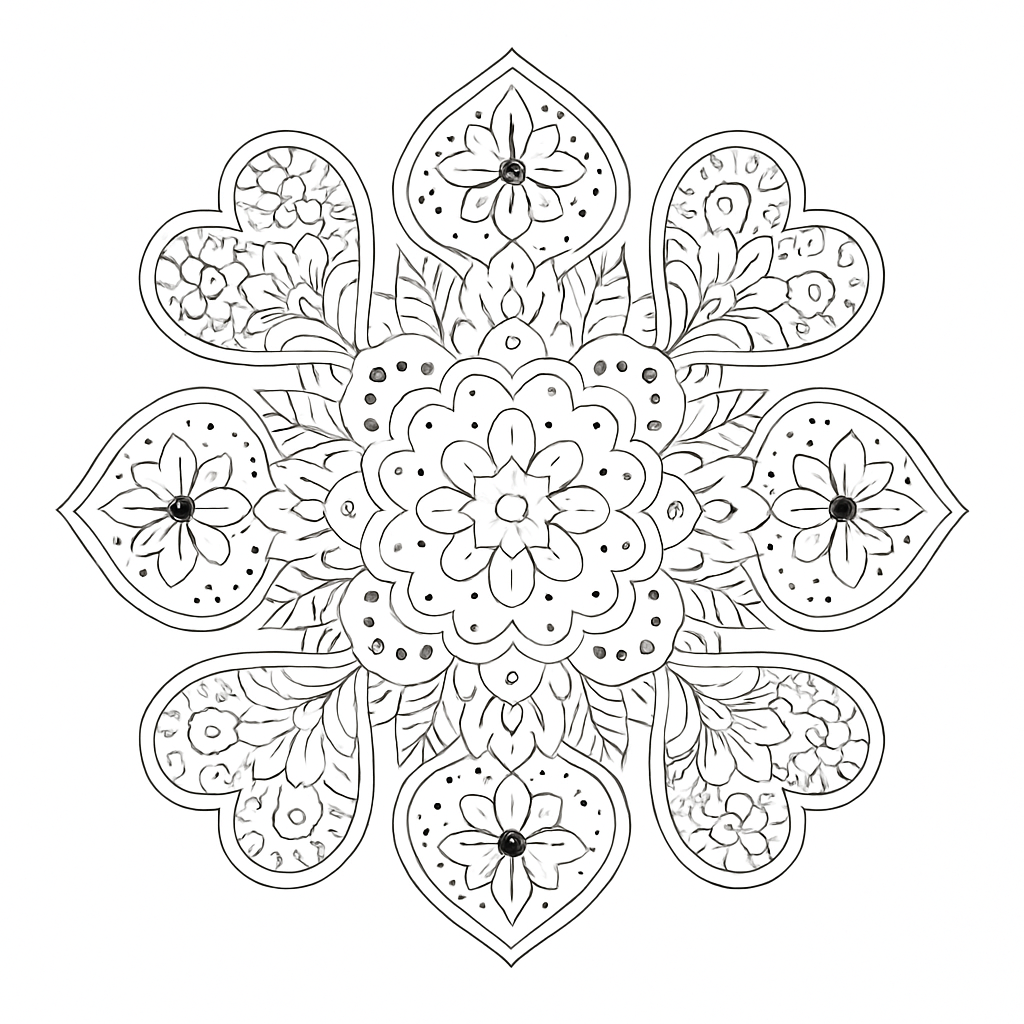
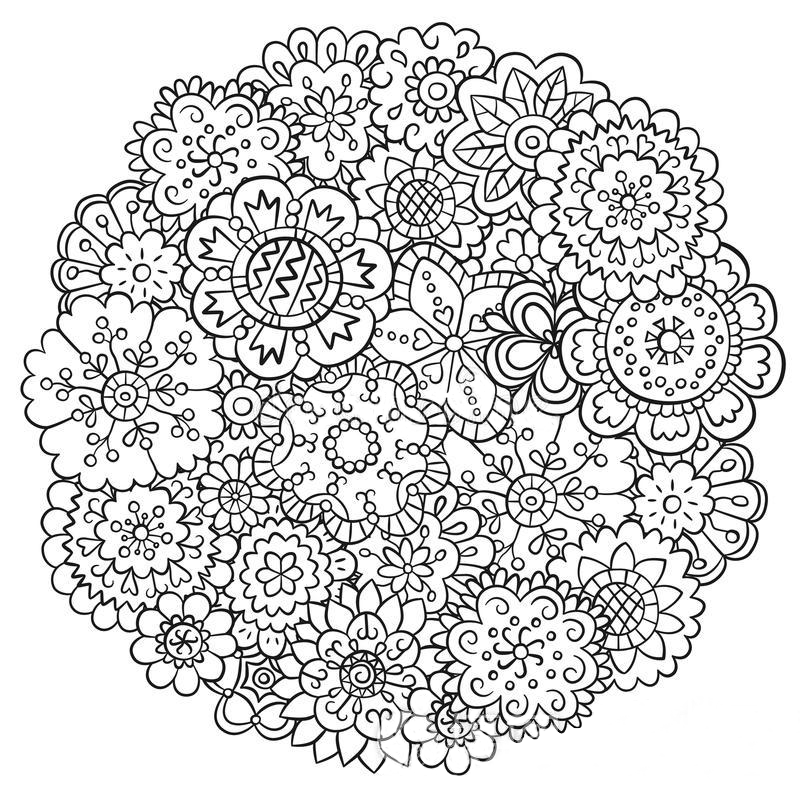
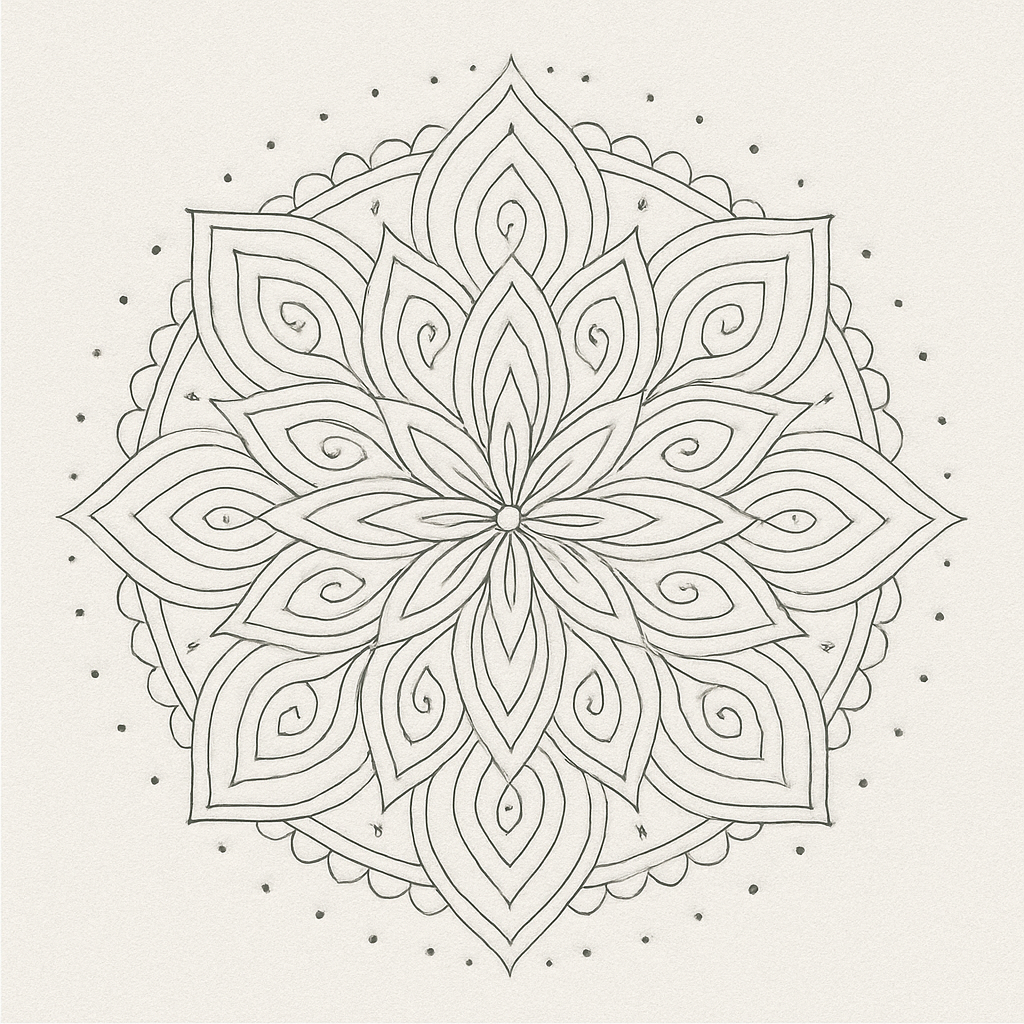
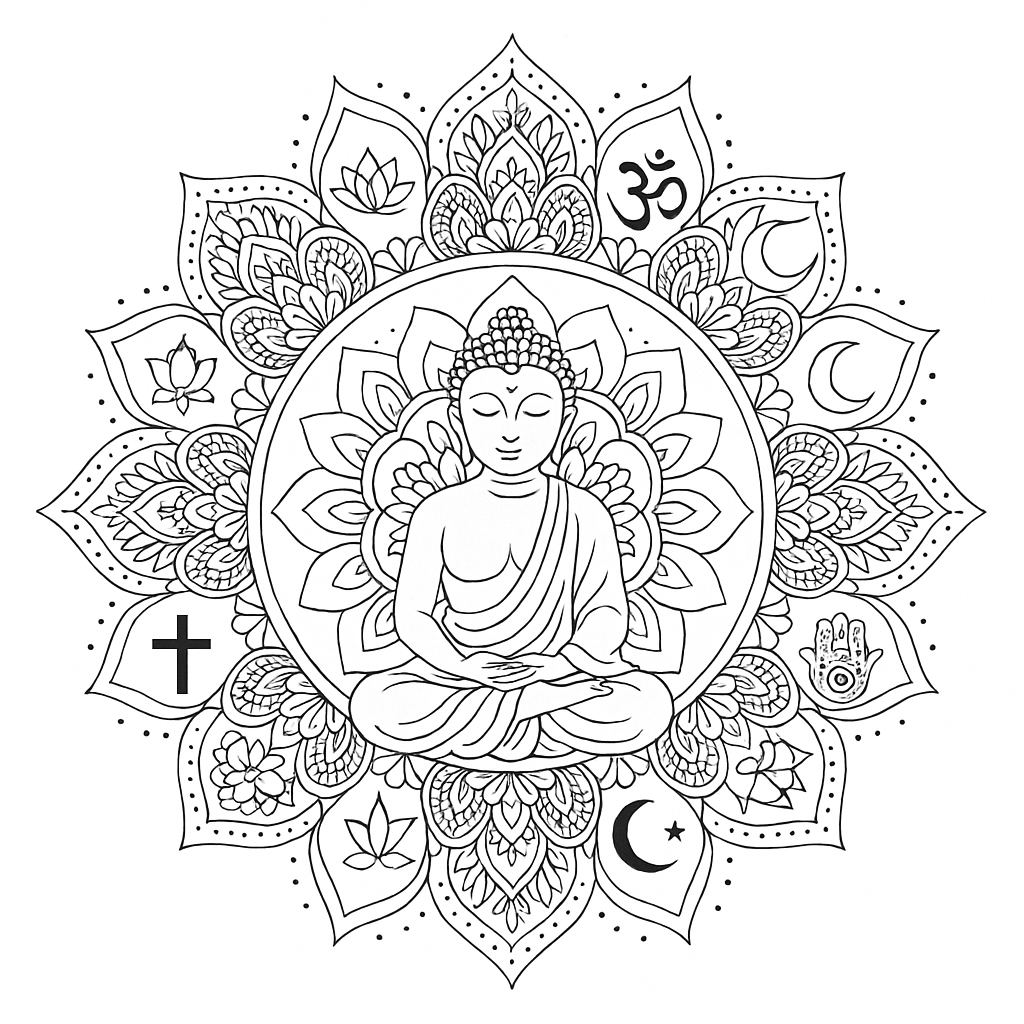
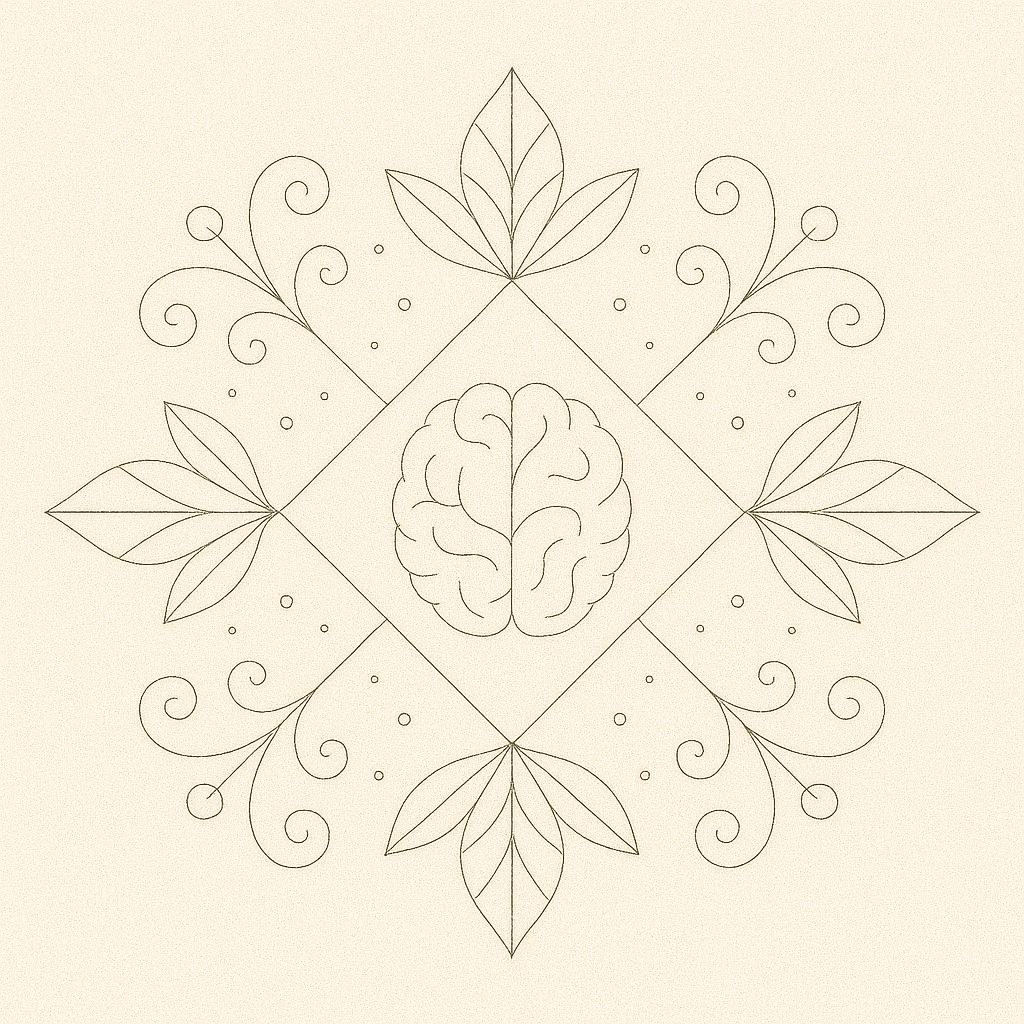
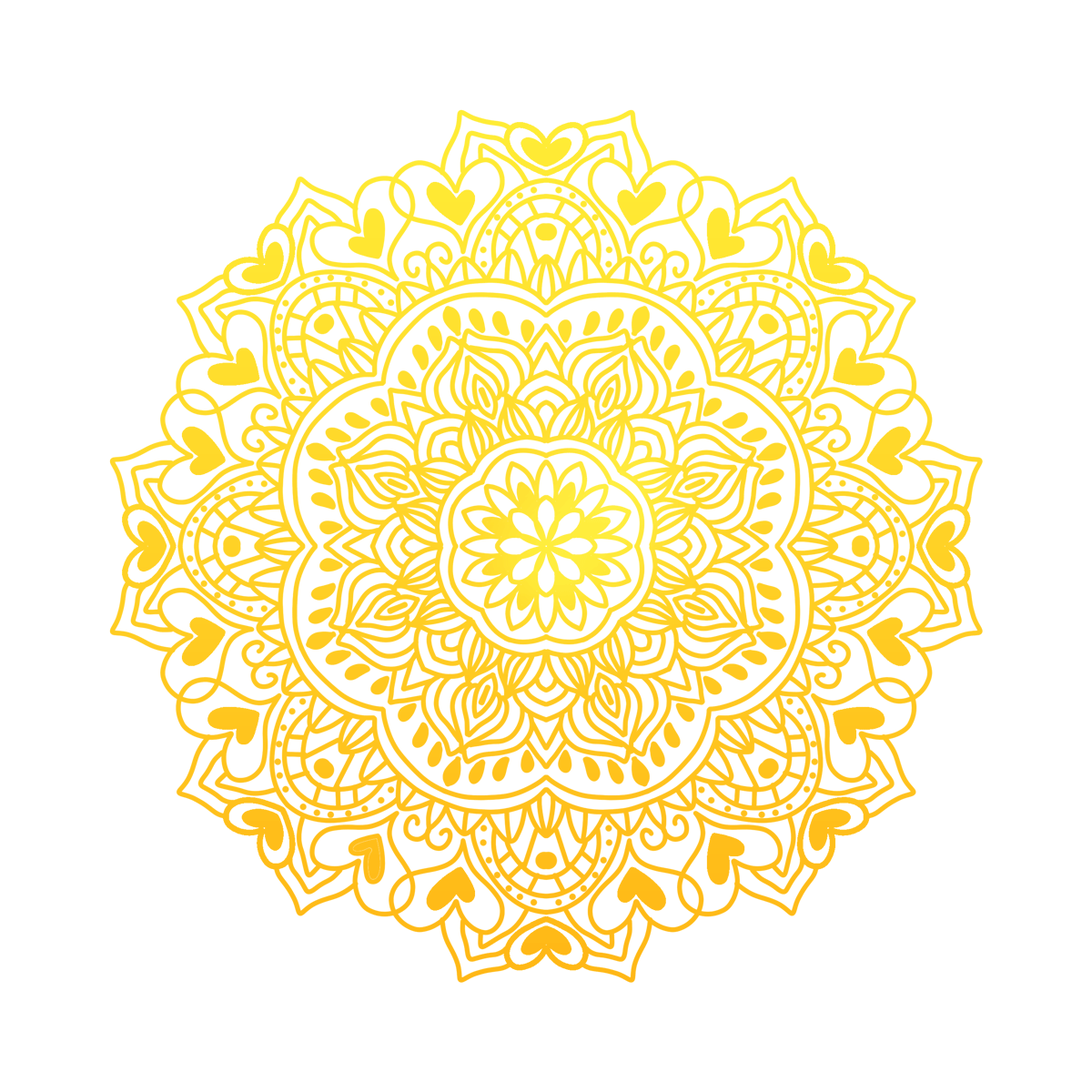
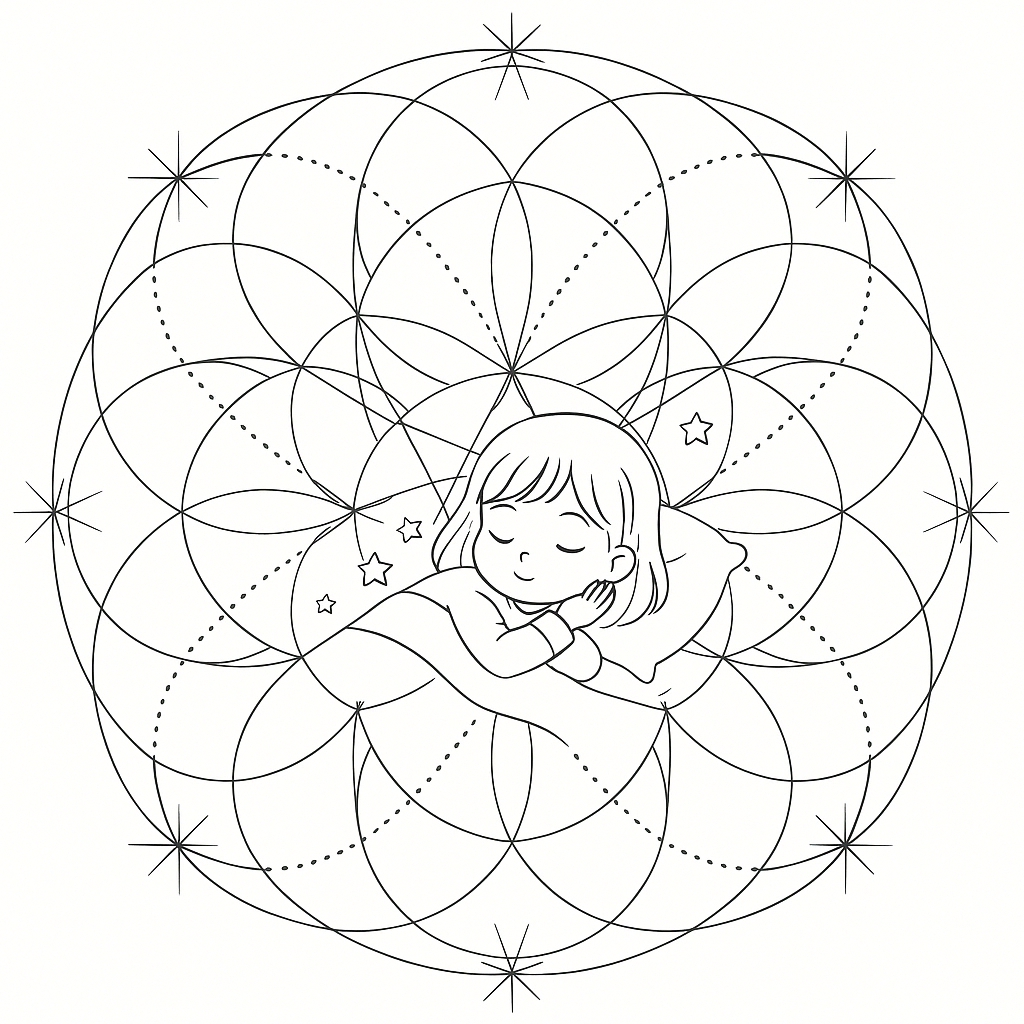
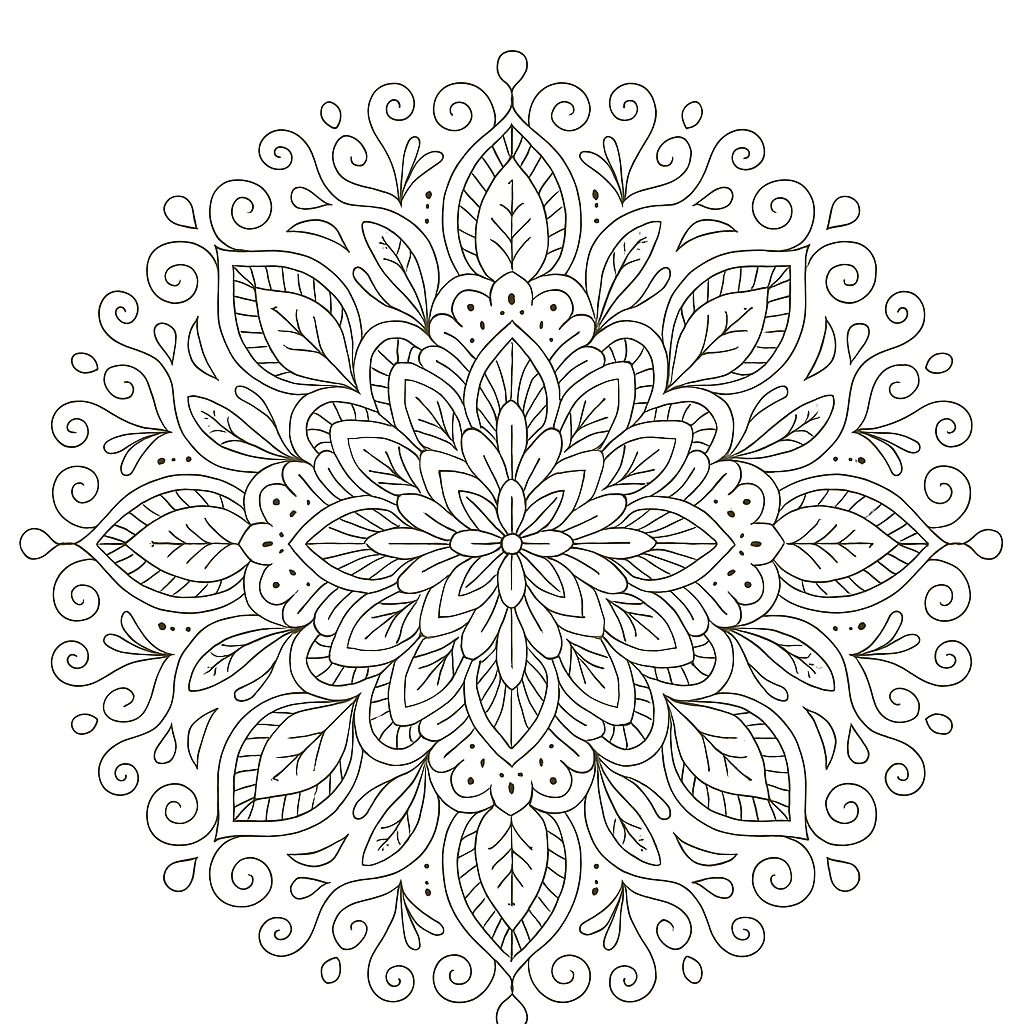
3. Psychological Mandala Drawing Therapy

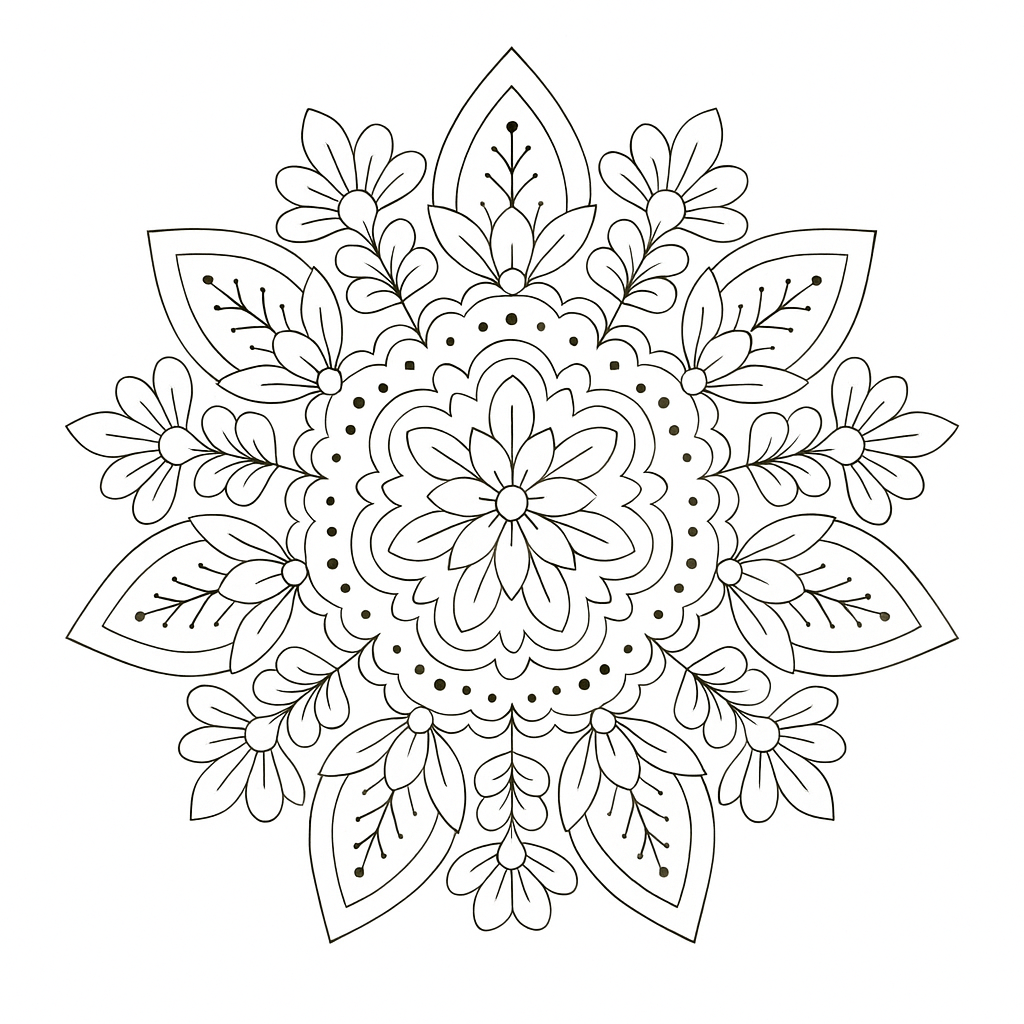
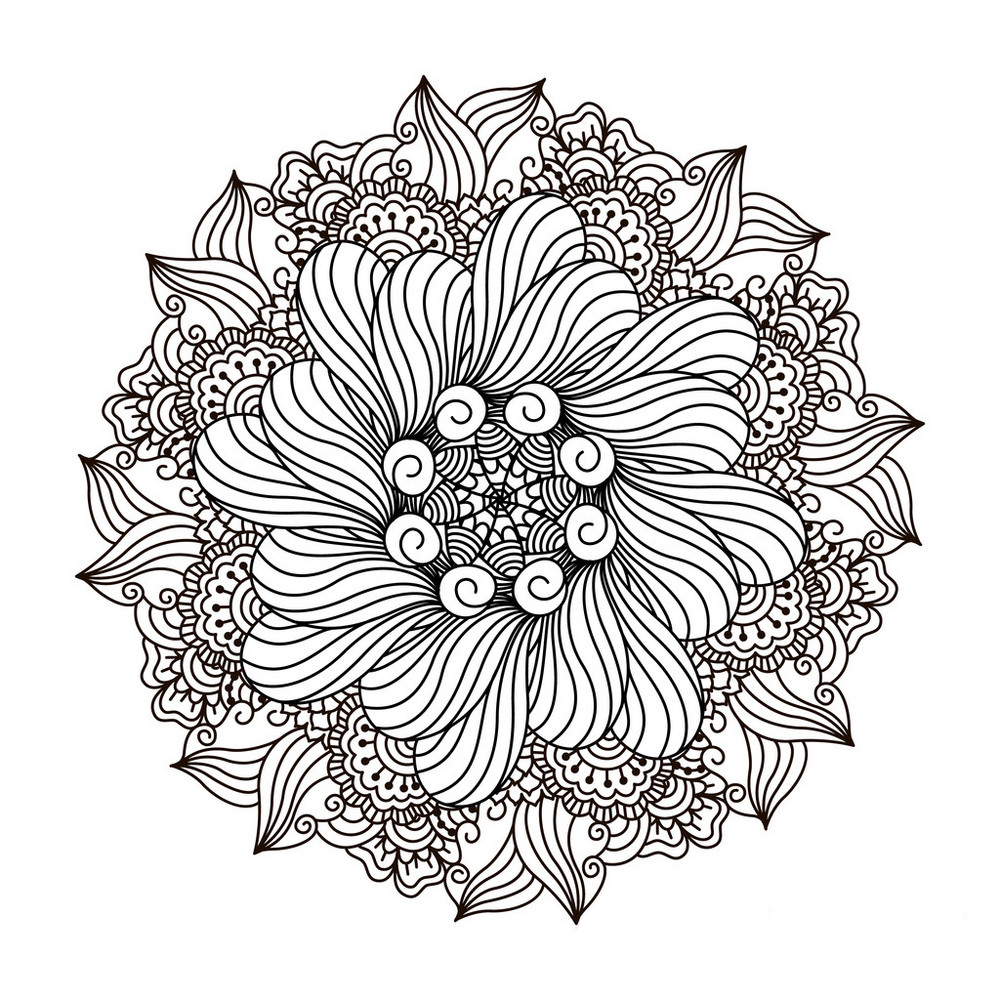
The Psychological Mandala focuses on the cycle of emotions, thoughts, physical reactions, and behaviors behind the "Emotionally Reactive Depression Course." You can think of the center circle as your current self, and the outer circle as different levels of psychological experiences: some are surface worries, others are deeper fears, shame, anger, or exhaustion. Don't rush to find the cause when drawing; simply give each feeling a color or place. This helps learners gradually shift from "I am overwhelmed by emotions" to "I am observing emotions." When the image is finished, you may find that some parts are heavy, some are light; some areas are crowded, some need blank space. This observation itself is a gentle form of psychological processing.

Click on the thumbnail to see the full image

Download current image

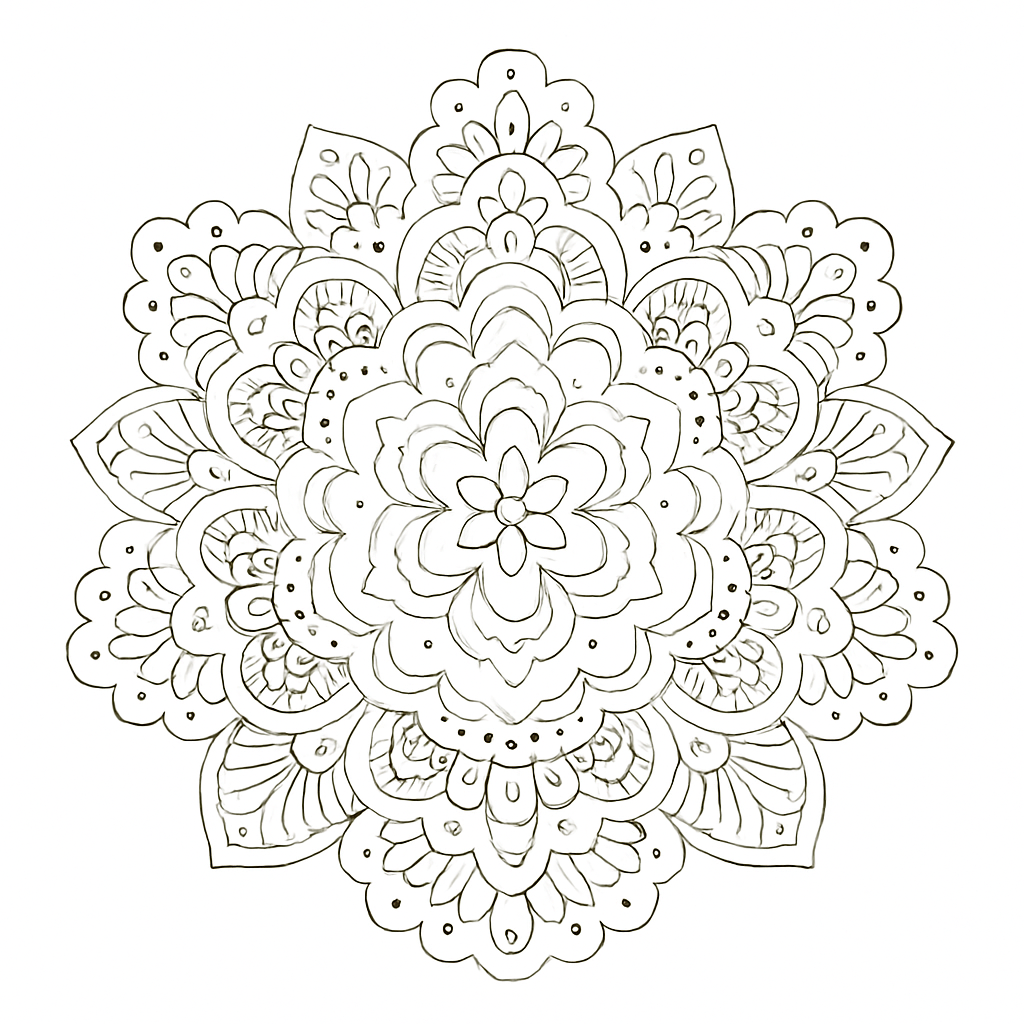
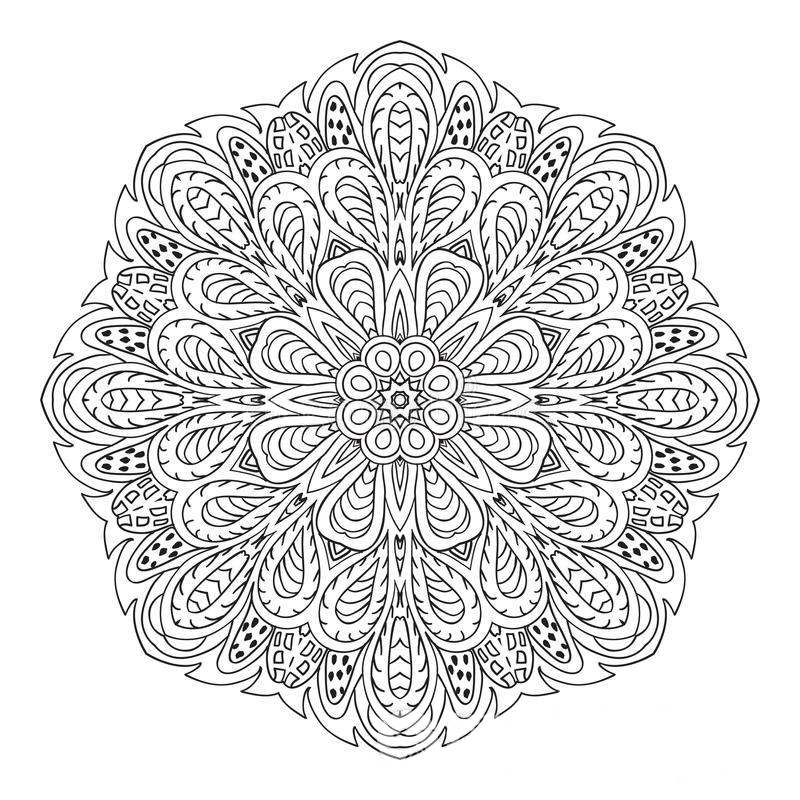
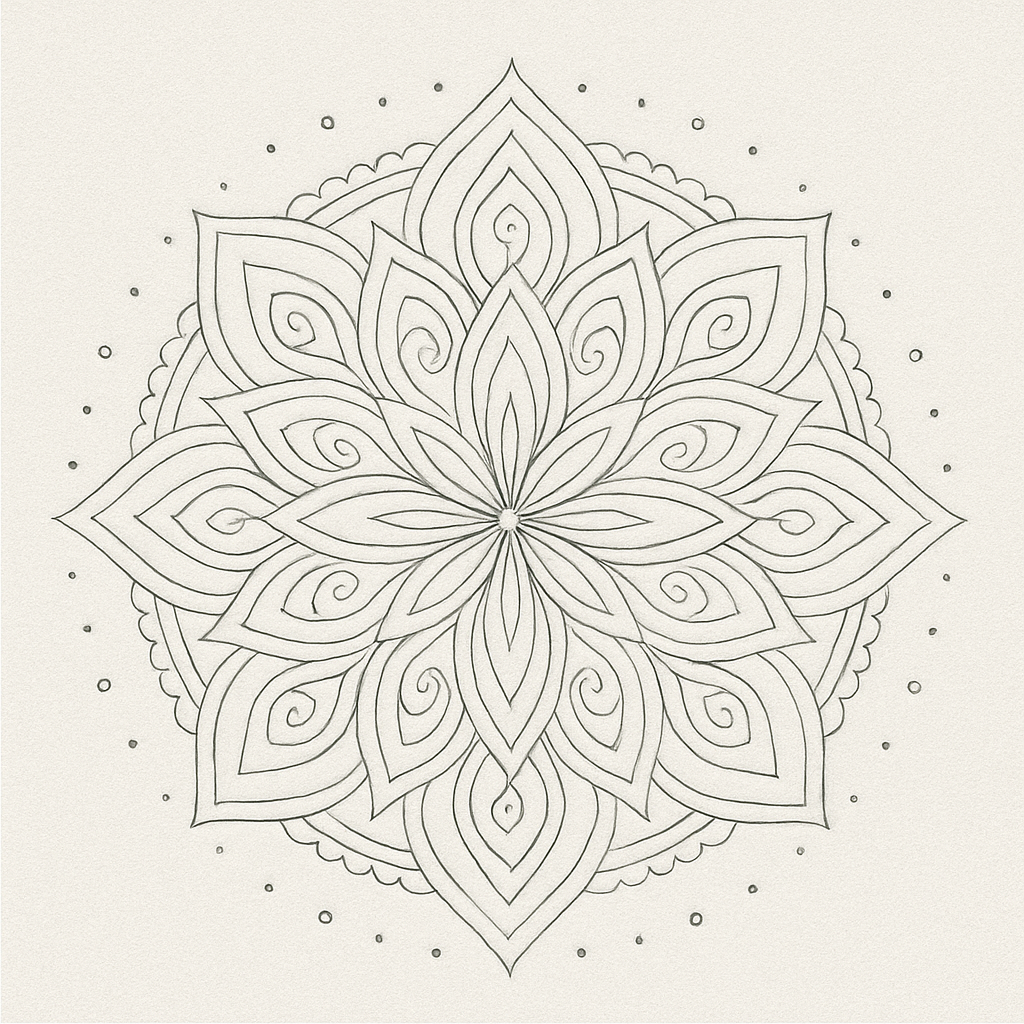
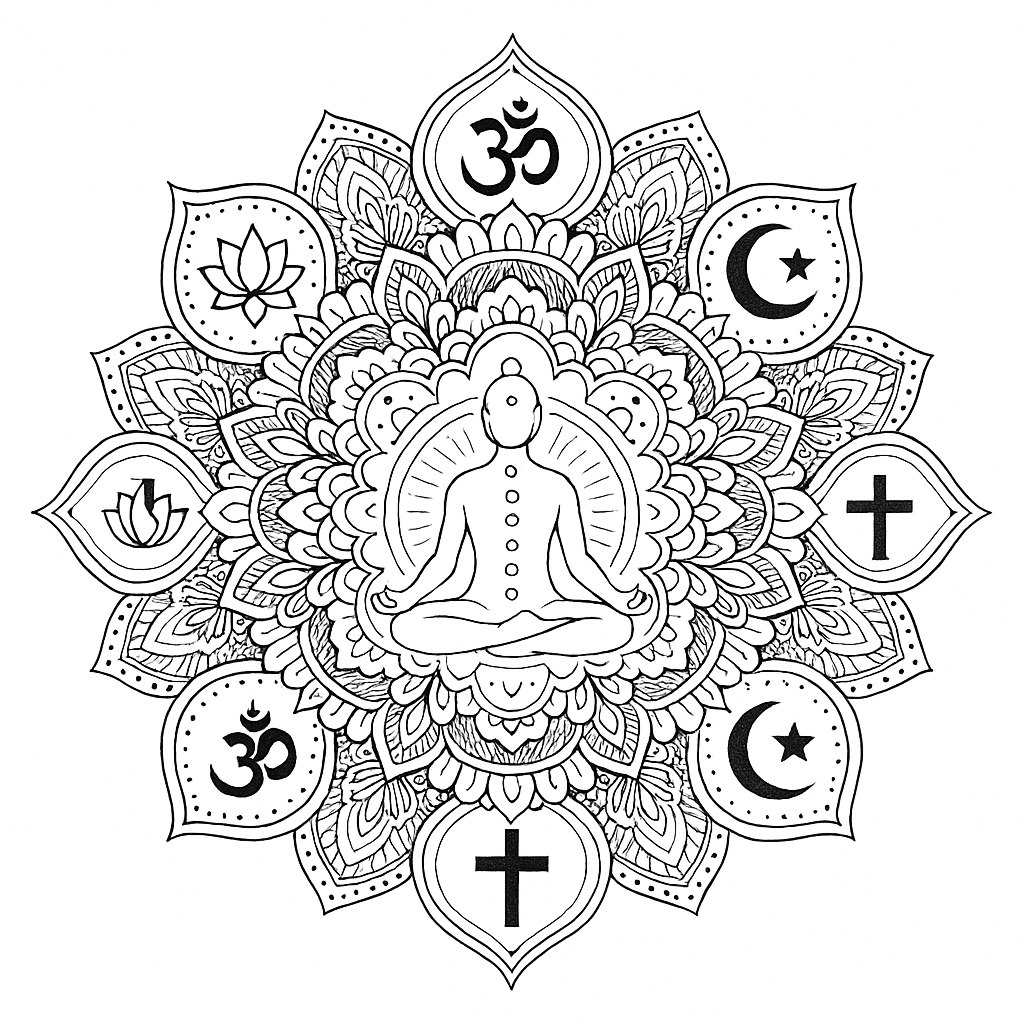
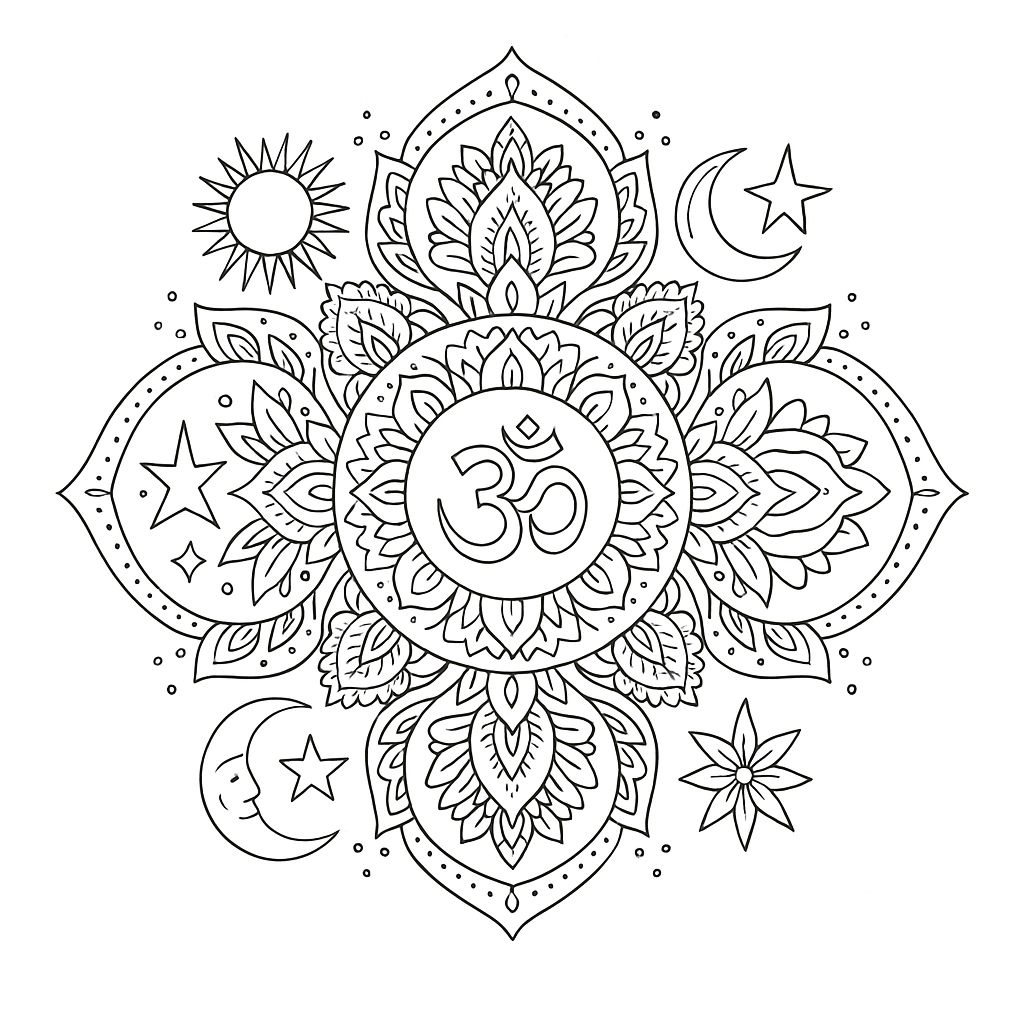
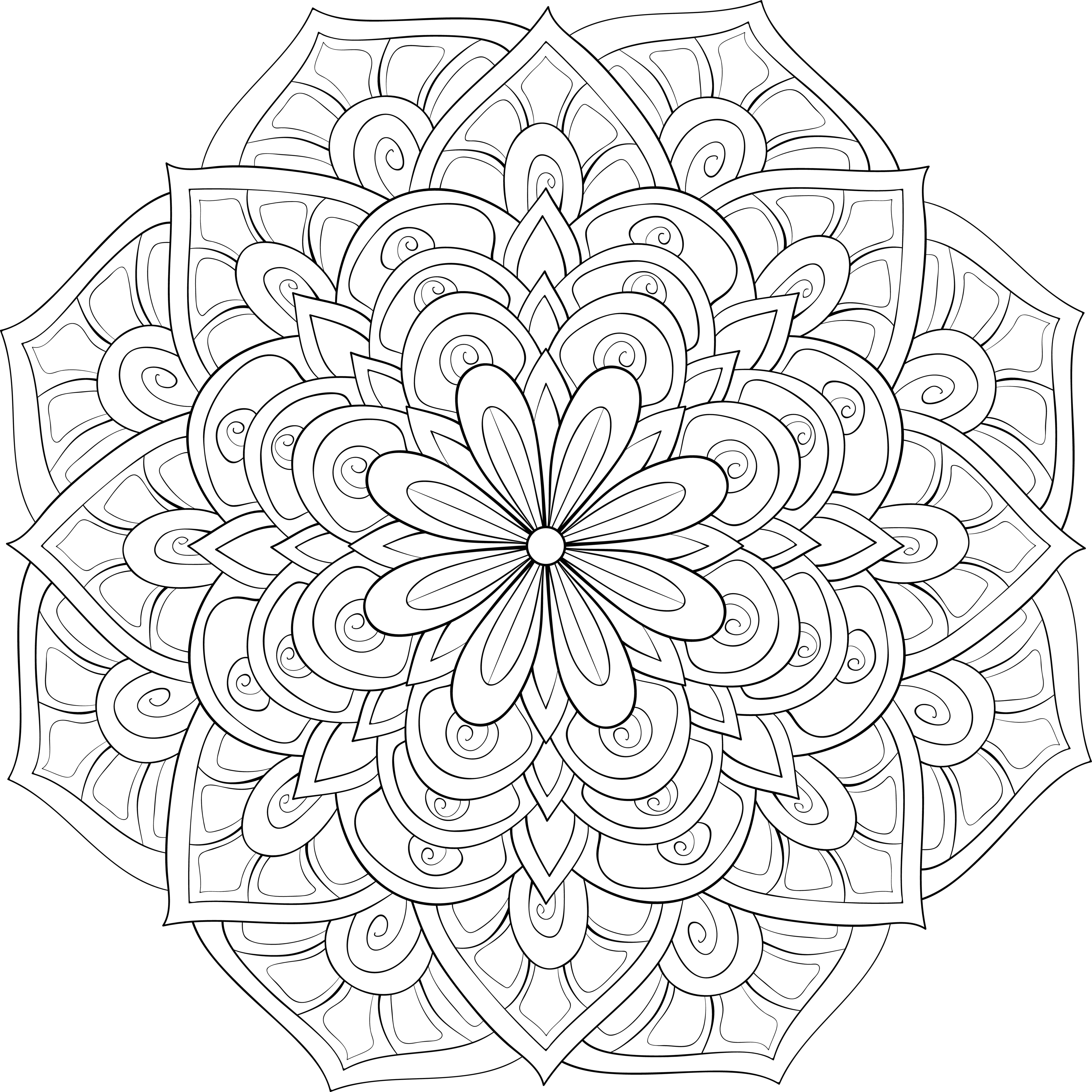
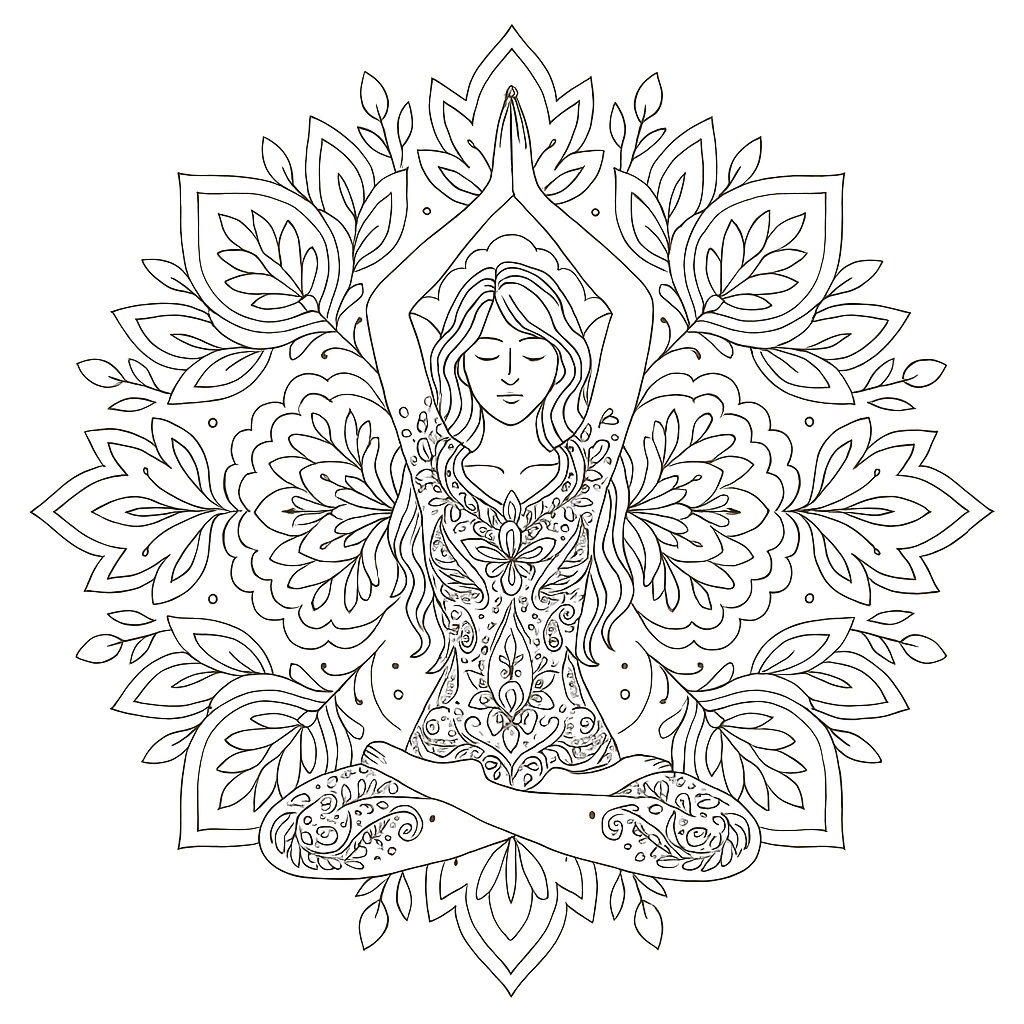
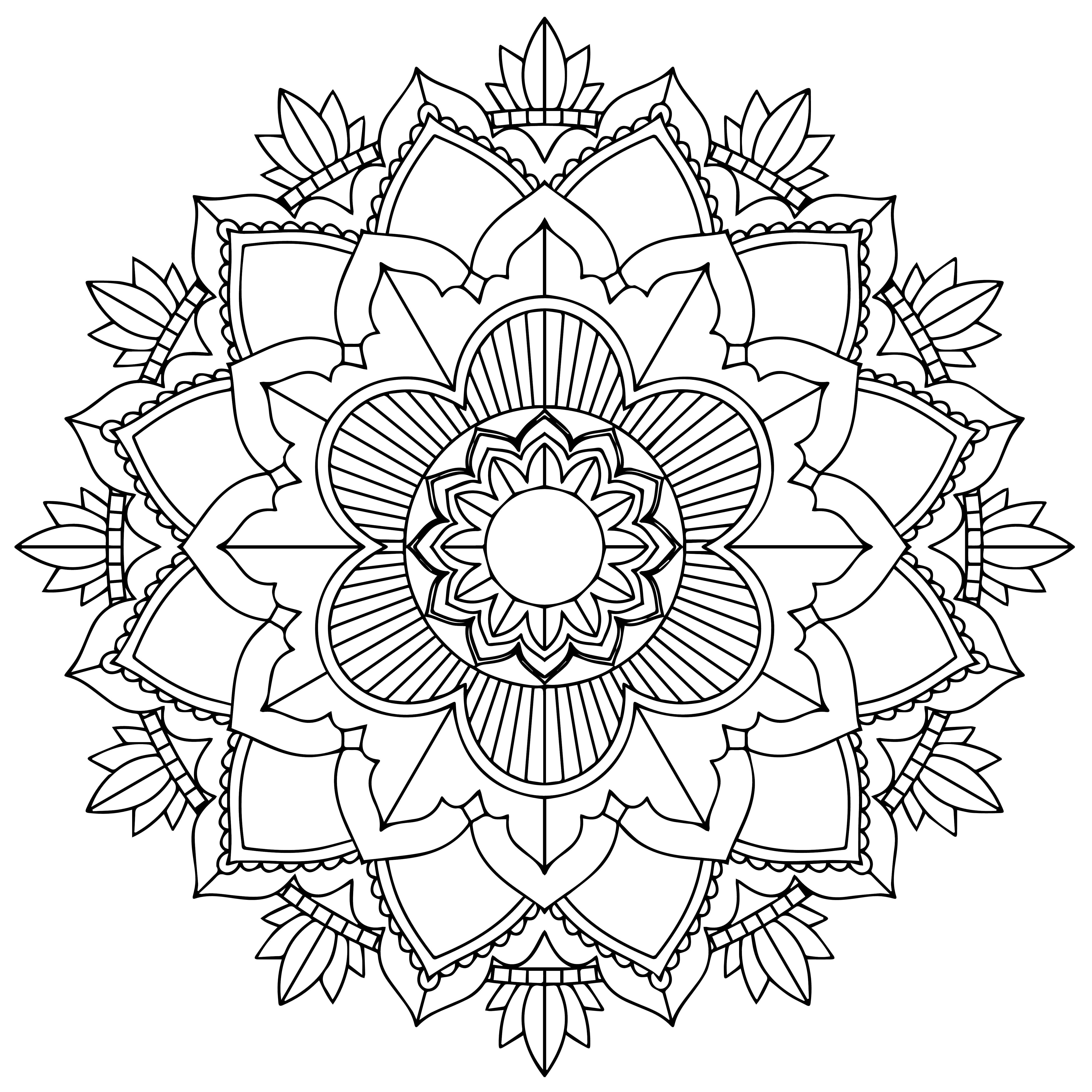
4. Mental Mandala Painting Therapy

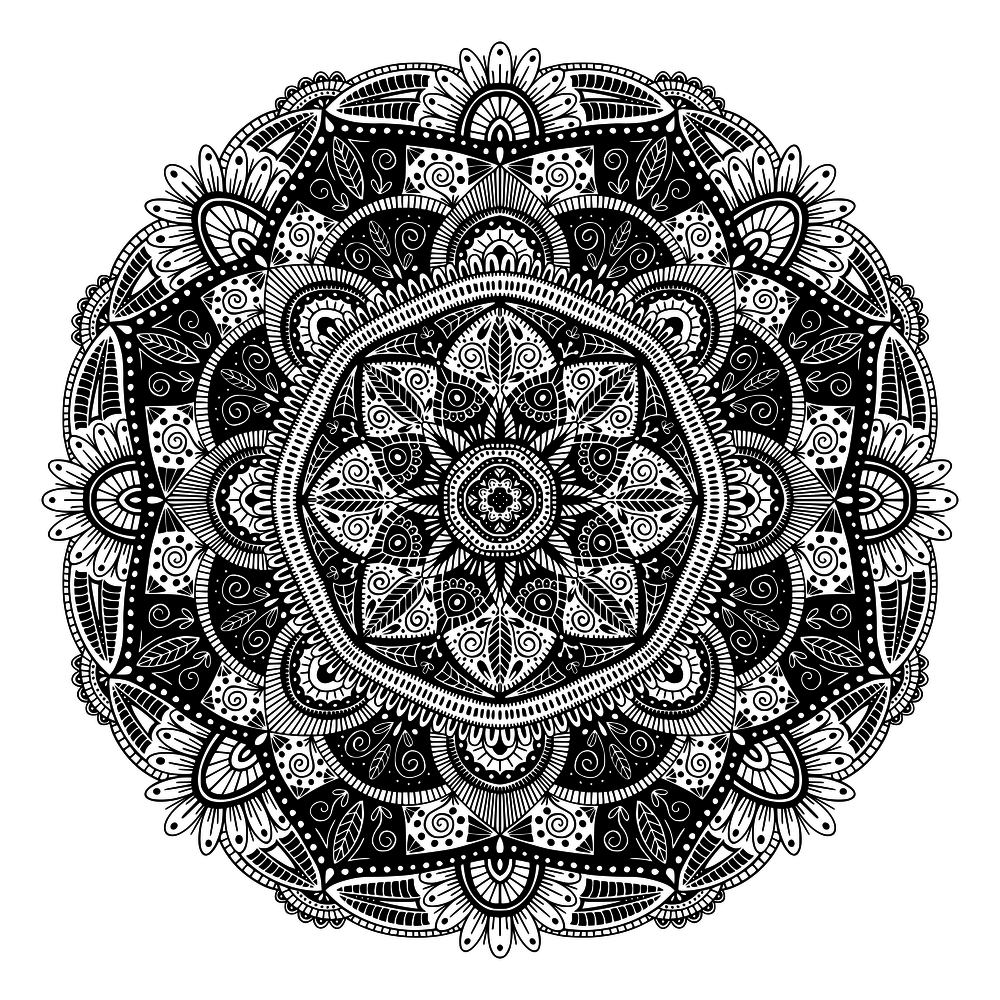
Mental mantras are not religious requirements, but rather a way to help those in "emotionally reactive depression courses" rediscover meaning, hope, inner support, and a direction in life. Often, chronic stress can cause people to see only symptoms, failures, or fears, forgetting that they still have value and deserve to be treated gently. When drawing, you can leave the center of the circle to a shape symbolizing strength, or use light, plants, mountains, water, stars, or abstract symbols to express what you still want to protect. If you can't find hope for the time being, you can start with a small patch of quiet color. The focus of mental mantras is not to make people immediately positive, but to help a weary heart slowly remember: I am not just the problem itself; I still have deep desires, dignity, and reasons to continue living.

Click on the thumbnail to see the full image

Download current image

5. Color Mandala Painting Therapy

Color mandalas are suitable for transforming the difficult-to-name emotions in "emotionally reactive depression courses" into observable color relationships. You don't need to know what each color represents, nor do you need to choose colors according to fixed standards. You can start by asking yourself: Which color does my body want to be close to today? Which color makes me nervous? Which color feels comforting? Then place these colors in the circle, letting them approach each other, separate, overlap, or leave blank spaces. Colors can help emotions release the pressure of language and also allow learners to see that the inner state is not a single state, but rather has layers, changes, and light and dark. If a certain color is too intense, you can reduce its intensity or surround it with softer colors, making the image a gentle form of self-regulation.

Click on the thumbnail to see the full image

Download current image

6. Therapeutic Mandala Painting

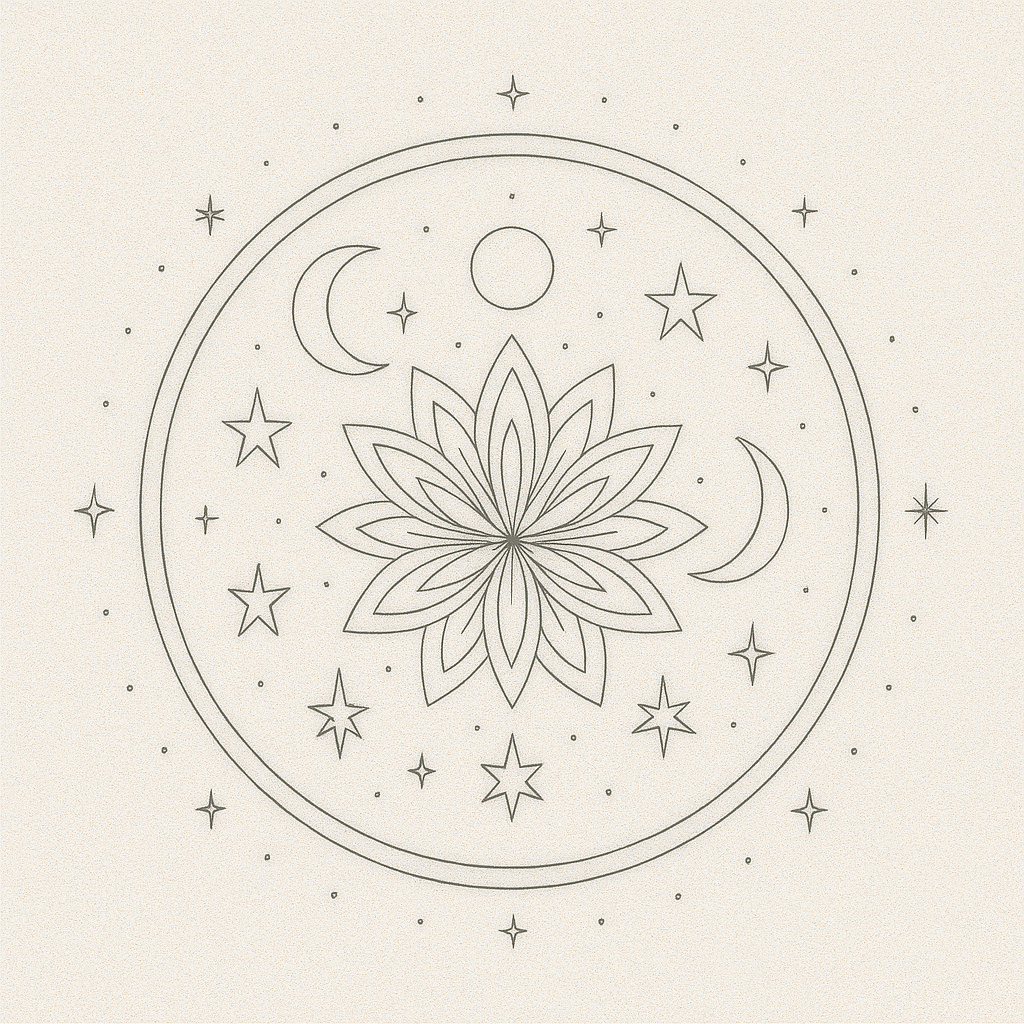
The thematic mandala will use "emotionally reactive depression" as its core practice direction, making the drawing more aligned with the learning focus of this unit. You can develop your image around themes such as security, boundaries, emotional regulation, relationship support, physical relaxation, resilience, or self-acceptance. Place the theme that needs the most attention today at the center, and gradually add resources, obstacles, desires, and small actions to the outer circle. This process isn't about solving the problem all at once, but about transforming the theme from a mental burden into a visible, approachable, and adjustable structure on paper. After finishing, don't rush to evaluate it; just observe what attracts you most, what makes you pause, and what might be reminding you: the next step can be smaller, but it can truly happen.
Click on the thumbnail to see the full image

Download current image
课程循环图标 2

7. Free Mandala Drawing Therapy

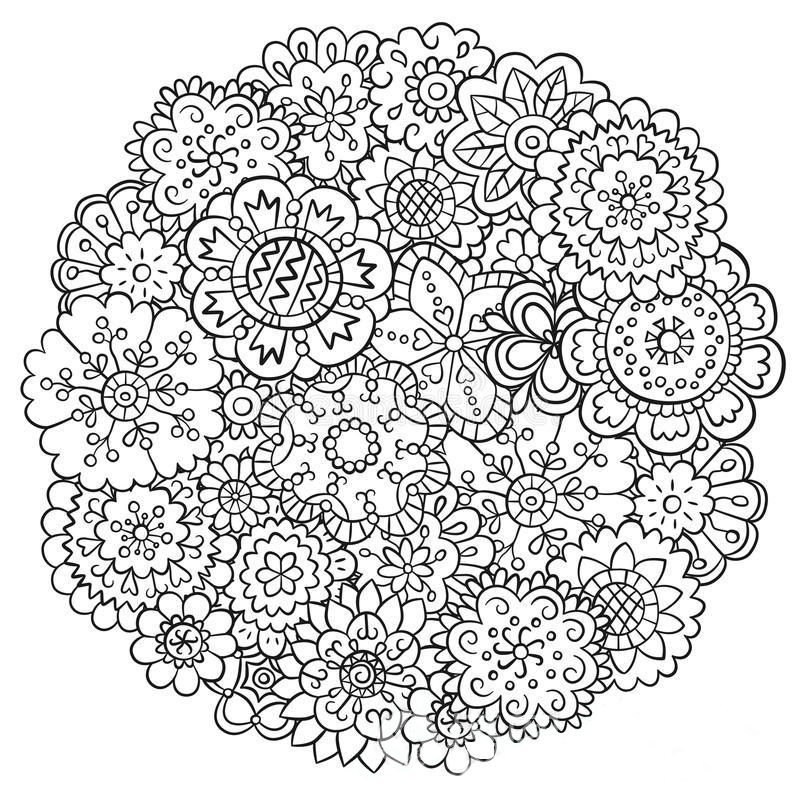
The Free Mandala offers the most relaxed space for expression in the "Emotionally Reactive Depression Course." There are no fixed patterns, colors, or steps; learners can begin with a single dot, a line, a circle of color, or any naturally occurring shape. Freedom does not mean loss of control, because the circle itself provides gentle boundaries; you can try to loosen control within those boundaries, and you can allow the image to be asymmetrical, incomplete, or imperfect. If you're tired today, keep it simple; if you have many emotions, let them unfold slowly. The value of the Free Mandala lies in allowing people to rediscover "I can choose." When the power of choice returns to your own hands, you gain more inner space, more breathing room, and more possibility to continue caring for yourself.

Click on the thumbnail to see the full image

Download current image
图标库 74

F. Mandala Journal Healing Suggestions

After completing this page of exercises, give yourself a few minutes and don't rush to analyze your mistakes. You can review the traces of the "Emotionally Reactive Depression Course" left on your body, emotions, images, or memories, noting where you felt a little better today and where you still need care. You can also write down a small next step, such as resting, seeking help, tidying up your environment, or continuing to observe. The journal is not an exam, but rather a way to gently see evidence that you are recovering.

Please log in before submitting your drawings and feelings.

This unit's comprehension test

After completing the lesson's main topic, you can access the corresponding lesson's comprehension test here.

Please log in before taking the course topic comprehension exam.