

Lesson 1536: Drunk Driving, Law, and Occupational Safety

Duration:70 minutes
Topic Introduction:This lesson discusses drunk driving, law, and occupational safety, helping learners clearly understand the real risks associated with drinking, including driving errors, workplace negligence, compliance liabilities, and relational consequences. The course is not meant to instill shame, but rather to assist you in planning alternative transportation, workplace protection, and emergency contacts in advance. It also clarifies the next steps. It helps you gradually find peace of mind.
○ Course Topic Audio
Lesson 1536: Drunk Driving, Law, and Occupational Safety
Click to view the read-aloud text
This section discusses drunk driving, the law, and occupational safety. Alcohol impairs judgment, reaction speed, emotional control, and responsibility. Sometimes, a seemingly impulsive decision can lead to irreversible consequences. Driving under the influence, bringing alcohol to work, making mistakes at work, concealing drinking, and conflicts with colleagues or clients can all affect legal safety, professional reputation, and family stability. This course is not meant to instill shame, but to help you proactively prevent risks. You can set clear rules: never drive after drinking; arrange for a designated driver or transportation before parties; avoid drinking on weekdays; temporarily entrust your car keys, cash, and sources of alcohol to a trusted person; minimize going out alone during high-risk periods. True self-protection involves planning for your future self while your mind is still clear. You don't need to wait for serious consequences to begin making changes. The earlier you take precautions, the less harm you will suffer. Remember, every reminder in this course is not meant to make you more afraid, but to help you see yourself more safely. You can approach change at your own pace, or seek help from professionals, family, or trusted friends when needed. Recovery isn't about proving you've never fallen, but about being prepared before you fall, being willing to turn back after you fall, and repeatedly bringing yourself back to a more stable life. If this resonates with you, please don't rush to criticize yourself. You can write down the most important sentence of the day, or simply record a small action you're willing to try. Change often doesn't happen suddenly, but accumulates slowly through many gentle, specific, and actionable small choices. Please prioritize safety and place yourself back in a position where you deserve to be cared for. In the learning ahead, you don't need to solve all problems at once. Identify a risk first, reduce a trigger first, contact a supporter first, take care of your body first—these all count. May you feel less shame in understanding and more strength in action, so that recovery is no longer just endurance, but slowly regaining direction in life. This can serve as a gentle reminder for you today: having a problem seen doesn't mean your life is negated; needing help doesn't mean you're not good enough. Please give yourself some time to break down complex experiences into manageable steps.

AI Healing Q&A
If you're concerned about drunk driving, work-related errors, or legal risks, you can write down common high-risk scenarios and let AI help you create a protection plan, such as designated driver assistance, key safekeeping, avoiding high-risk work areas, and contacting family in advance. Safety arrangements should be made while you are sober. For pre-organized meetings, you can also ask AI to create a pre-meeting checklist, arranging travel, keys, contact persons, and departure methods in advance. If driver's licenses, contracts, or job responsibilities are involved, you should still seek legal or workplace professional advice afterward.

○ Music therapy guidance
This lesson is best suited for listening to music with a clear, not overly exciting rhythm, helping your brain make decisions in advance. While listening, imagine a safe travel process: don't drink and drive, hand over your keys, arrange a designated driver, and avoid high-risk jobs. Let the melody act as a reminder, preventing potential consequences from happening. You can set this song as a reminder before a party, not to create tension, but to remind your sober self to be mindful of potential impulsiveness and reduce wishful thinking. Let arrangements protect you from risks. More reassurance.

○Eastern and Western Healing Teas
○ Oriental Healing Tea - Lily and Goji Berry Tea Introduction: The combination of lily and goji berries helps nourish the heart and calm the nerves, making it especially suitable for palpitations and insomnia caused by anxiety and stress. Lily can moisten the lungs and relieve coughs, and soothe the nerves, while goji berries benefit the liver and kidneys, replenish blood and qi, helping to restore physical strength and alleviate mood swings. Instructions: Place one spoonful each of lily bulbs and goji berries in hot water and steep for 5-10 minutes. Drink once daily. Especially suitable for those experiencing anxiety or physical weakness, helping to restore vitality and soothe the mind.
○ Healing Recipes
○ Mediterranean Diet: Greek Olive Platter
Recommended dishes:Greek Olive Plate Recommended reasons:The Greek Olive Plate, based on mild ingredients, light seasonings, and sustainable energy, is suitable as a daily dietary support in courses on alcohol and substance use disorders. When dealing with topics like "DUI, Law, and Occupational Safety," food doesn't act as a cure, but it can help learners bring their focus back to their bodies, reducing imbalances caused by hunger, fatigue, mood swings, or impulsive eating. It reminds you that recovery is not just about avoiding risk, but also about rebuilding your ability to care for yourself through each meal. Recipe (1–2 servings): practice: When preparing a Greek olive platter, separate the ingredients and observe their color, aroma, and the sensation in your hands. If you're feeling overwhelmed, make the simplest version; if you're feeling tired, reduce the portion size. Before taking your first bite, pause for a few seconds to savor the temperature, aroma, and texture, making this meal a gentle reminder to rejuvenate your body. If you're feeling craving, anxious, down, or impulsive today, please don't turn cooking into stress. Being able to prepare a simple meal is already a good thing; food is support, not a task. Video Title:Greek Olive Platter: A Nutritious Recipe for Stabilizing Body and Mind Rhythms hint:Please understand diet within the overall care plan: regular sleep, a stable schedule, professional support, companionship, physical examinations, and necessary treatments remain important foundations for long-term recovery.Click to view healing recipes
◉ Mediterranean Diet: Greek Olive Plate
I. Recommended Dietary Therapy and Reasons
2. Recipe and Method
3. Small rituals for body and mind
4. Dietary Therapy Experience Record
V. Instructional Videos (approximately 3–5 minutes)
6. Precautions

○Mandala Healing
Drunk driving, legal issues, and workplace risks may sound like external consequences, but they often conceal panic, wishful thinking, and regret. Try drawing clear boundaries to define "don't cross" lines, and then add methods for self-protection within the diagram, such as using a designated driver, having someone accompany you, or leaving early. After drawing these lines, look at them. They aren't restricting you, but rather reminding you: staying safe is more important than proving yourself. True mature courage often manifests in the willingness to proactively avoid risks. It also reduces the worry of those who care about you.
● AI Dynamic Geometric Vision Focus and Emotion Regulation Engine ●
AI Dynamic Geometric Vision Focus and Emotion Regulation Engine · v7.0.0
Before we begin, I'd like to know how you feel right now.
There is no standard answer; just choose the one that best reflects how you feel right now.
The experience is over. Tell us how you feel now.
There is still no standard answer; just choose the one that best reflects how you feel right now.
#FF5252
After the fluorescent line crawling is completed and stopped, first select a color, then click on the closed area in the graphic to fill in the color.
AI Digital Mandala Static Focus EngineAZ Image Coloring · 60 Colors
AI Digital Mandala Interactive Focus Engine
A–Z Free Selection · Layered Lines · 60 Color Fills

○ Calligraphy and engraving therapy practice
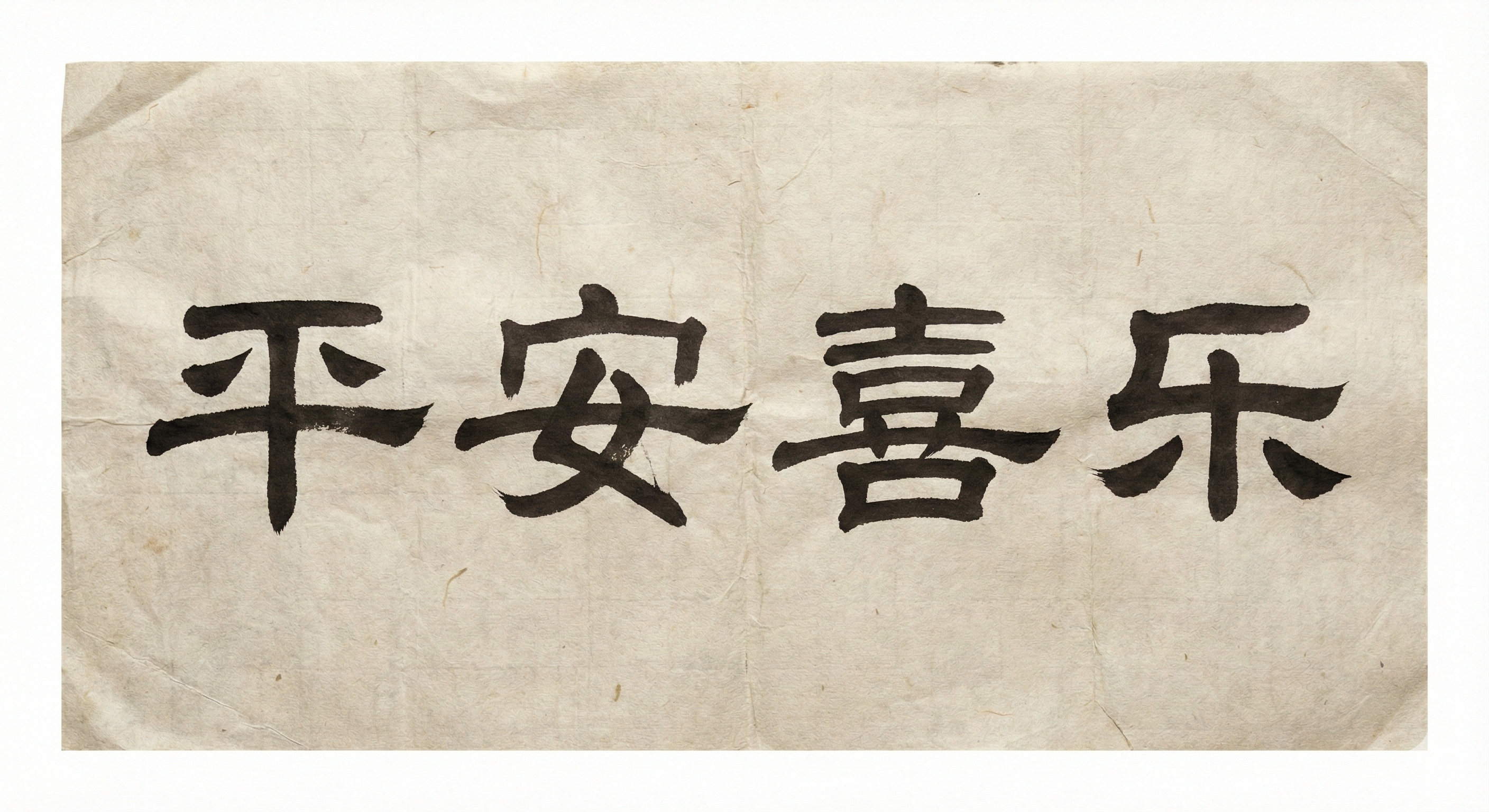
Drunk driving, laws, and occupational safety all remind us of boundaries. Practicing these boundaries helps clarify and refine those lines, allowing you to feel where you cannot cross. Don't write warnings, and don't scare yourself; simply let your strokes remind you that some restrictions protect your life, your job, and your relationships. Maintaining stable boundaries is also maintaining stable tomorrow. After practicing, remember that clear boundaries are not meant to frighten you, but to protect you in crucial moments. Being able to avoid risks in advance is a sign of maturity. This, too, protects tomorrow.

○ Art Therapy Guidance
This lesson on drunk driving, the law, and occupational safety can begin with drawing "boundaries." You can draw clear borders, stop signs, or several separate roads to show yourself what you cannot cross. Then, gradually add protective measures such as designated drivers, companionship, leaving the scene early, and refusing to take chances to your advantage. Often, truly taking care of yourself isn't about regretting it after an accident, but about proactively guarding that crucial line for yourself. Guarding that line is, in fact, protecting your future self.
Please log in before submitting your drawings and feelings.
○ Diary Healing Suggestions
Today, you can write down some safety-related boundaries: Don't drink and drive, don't drink before dangerous work, and don't make major decisions alone when emotionally unstable. Please write these boundaries down as protection for yourself, not punishment. You can also recall a near-accident or frightening experience and write down what it reminded you of. May this awareness help you keep danger at bay. Finally, you can write down a safety action you'd be willing to plan ahead. It may be simple, but it could protect you, your family, and your future from danger. Writing it down reminds you not to mistake luck for competence.
Please log in to use.
May you gradually return to a more stable, clear-headed, and gentler version of yourself through today's practice.