

Lesson 1599: Long-Term Self-Management and Family Collaboration

Duration:70 minutes
Topic Introduction:Long-term self-management requires the support of regular routines, stable relationships, digital boundaries, and family collaboration. This course will help you make these arrangements more concrete, avoiding impulsive changes and not placing all responsibility on family supervision. Good management is about gradually structuring your life and restoring choice in internet use. Family members also need to shift from control to collaboration, ensuring rules are clear yet respectful. This makes recovery easier to sustain. Collaboration makes perseverance less lonely.
○ Course Topic Audio
Lesson 1599: Long-Term Self-Management and Family Collaboration
Click to view the read-aloud text
Today, let's not rush to blame ourselves or our families, but rather work together on "long-term self-management and family collaboration." Long-term self-management requires regular routines, digital boundaries, stable relationships, and family collaboration. Let's bring usage behavior back within a controllable range and ensure communication doesn't just revolve around blame. Internet or gaming addiction is often not simply laziness; it can temporarily mask stress, loneliness, frustration, and boredom, and it can also lead to a constant pursuit of instant gratification, forgetting that our bodies and real lives are already exhausted. Therefore, this section doesn't aim to push you into shame, but rather to help you see: when you most want to pick up your phone, when you're most likely to continue playing, and when you're clearly tired but still can't stop. When these moments are recognized, boundaries cease to be just slogans and gradually become actionable arrangements. You can think of today's theme as a gentle process: first, observe the trigger points, then narrow down the goals, next, design offline transitions, and finally, gradually reconnect with reality. While listening, please don't rush to see all devices as enemies, and don't let shame push you further away. Truly helpful changes often don't involve cutting everything off all at once, but rather identifying the parts that are most harmful to the body, disruptive to sleep, and most damaging to relationships, and gradually reducing them. Perhaps today, all you need to do is put down your phone ten minutes earlier, complete a small offline task, or turn an automatic screen-scrolling session into a conscious pause. If the family is facing this issue together, remember that rules need to be clear, and the tone of voice needs to be respectful; shaming usually only makes people want to hide behind the screen more, while stable companionship makes it easier to bring people back to life. When the family adjusts together, recovery will be less confrontational and more supportive. If you feel guilty, frustrated, or want to argue after hearing this, that's okay; it means this topic touches on real life. Please don't rush to argue about winning or losing; just ask yourself: Has this usage made my body, relationships, or work/studies more difficult lately? Just being willing to honestly look at it is already a step more clear-headed than automatically scrolling down. When the family collaborates, recovery will be less of a solitary battle.

AI Healing Q&A
When long-term self-management requires family collaboration, you can write down your family's concerns, your needs, and actionable rules for the AI. The AI will help make communication more peaceful, avoiding arguments or surveillance. When regular routines, digital boundaries, and relationship support come together, behavior is more easily brought back under control. After the AI addresses your concerns, family rules can be changed to mutual agreements rather than unilateral commands; respected boundaries are easier to enforce. Collaboration is more sustainable and stable than surveillance.

○ Music therapy guidance
Long-term management requires family collaboration as well as individual rhythms. Listen to a piece of ensemble music and feel how the different parts complement each other, rather than overpowering one another. Family members can provide boundaries and companionship, and you also need to take responsibility for recording, scheduling, and planning usage. After the music ends, write down a set of small rules that the family can follow together. Collaboration is not control, but about bringing life back under control together. If rules conflict, return to the shared goal first, rather than blaming each other. Look at the goal first. Then discuss the rules.

○Eastern and Western Healing Teas
○ Healing Tea Drinks · Western Herbal Tea · Rose Tea Introduction: Rose tea has a gentle aroma, suitable for when feeling down, experiencing stress, or needing self-soothing. It doesn't aim for a strong stimulant, but rather uses its delicate floral fragrance to remind you: It's time to slow down and treat yourself gently. Directions: Add 1 teaspoon of rose petals to hot water and steep for 5-10 minutes. A small amount of honey can be added. Drink 1-2 cups daily. Those with pollen allergies should use caution.
○ Healing Recipes
○ Chinese Food Therapy · Soup Dishes · Black Sesame and Red Date Soup
Recommended dishes:Black sesame and red date soup Recommended reasons:Black sesame and red date soup, based on light, regular, and easy-to-make ingredients, is suitable as a daily dietary support in long-term self-management and family collaboration programs. During addiction recovery or behavioral adjustment, people often experience impulsivity, anxiety, emptiness, fatigue, or disrupted sleep patterns. A stable meal cannot replace treatment, but it can help the body find a gentle footing. When preparing this dish, focus on the ingredients, temperature, and your breathing, making eating a small step back to normalcy. Recipe (1–2 servings): practice: When preparing black sesame and red date soup, put your phone away for a few minutes to focus solely on the ingredients at hand. The chopping, mixing, boiling, and baking don't need to be fast or perfect. If you're in a rush, simplify the steps; if you're feeling down, allow yourself to make a small portion. Food isn't a task, but a reminder: I can still take care of myself gently. Before taking your first bite, pause for three seconds to savor the color, smell, and temperature. If you experience urges that day to gamble, scroll through social media, escape, or continue to stimulate yourself, treat this meal as a pause point. Let your body catch up before deciding on your next step. Video Title:Black Sesame and Red Date Soup: A Healing Food Recipe for Stabilizing Your Circadian Rhythm hint:Please understand diet within the context of a holistic care plan: regular sleep, financial or digital boundaries, professional support, companionship, emotional journaling, and necessary treatment remain important foundations for long-term recovery.Click to view healing recipes
◉ Chinese Food Therapy · Soup Dishes · Black Sesame and Red Date Soup
I. Recommended Dietary Therapy and Reasons
2. Recipe and Method
3. Small rituals for body and mind
4. Dietary Therapy Experience Record
V. Instructional Videos (approximately 3–5 minutes)
6. Precautions

○Mandala Healing
Long-term self-management requires family collaboration, stable routines, and clear digital boundaries. Imagine these supports as layers of lines surrounding a central point: one for sleep, one for relationships, one for usage rules, and one for emotional care. The lines don't need to be thick; consistency is key. You're not wrestling with the internet alone; recovery is more like a group of people slowly pulling your life back under control. These lines will remind you that recovery isn't a solitary battle, but a gradual stabilization together. Together, you'll be more stable. Please remember this.
● AI Dynamic Geometric Vision Focus and Emotion Regulation Engine ●
AI Dynamic Geometric Vision Focus and Emotion Regulation Engine · v7.0.0
Before we begin, I'd like to know how you feel right now.
There is no standard answer; just choose the one that best reflects how you feel right now.
The experience is over. Tell us how you feel now.
There is still no standard answer; just choose the one that best reflects how you feel right now.
#FF5252
After the fluorescent line crawling is completed and stopped, first select a color, then click on the closed area in the graphic to fill in the color.
AI Digital Mandala Static Focus EngineAZ Image Coloring · 60 Colors
AI Digital Mandala Interactive Focus Engine
A–Z Free Selection · Layered Lines · 60 Color Fills
○ Calligraphy and engraving therapy practice
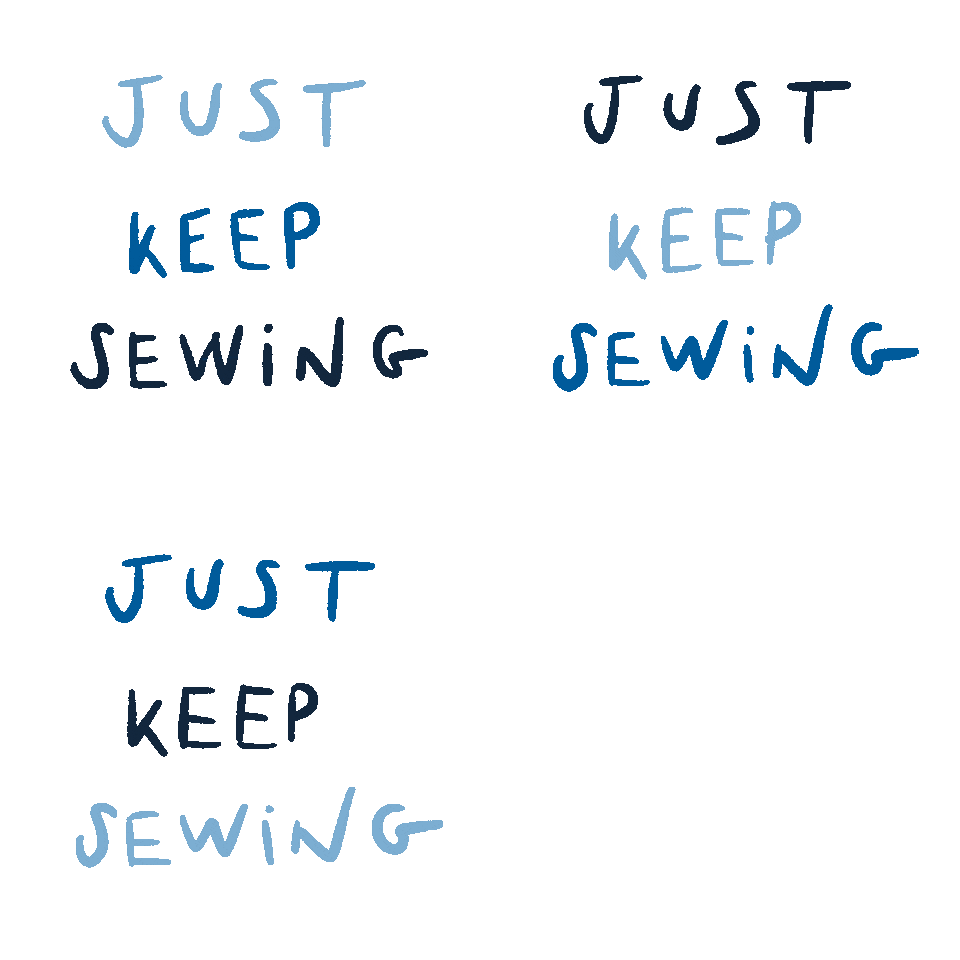
Long-term self-management isn't about enduring alone. When writing, imagine family collaboration, routines, digital boundaries, and emotional support—like several lines supporting your life. The strokes don't need to be forceful; consistency is key. This exercise reminds you that recovery requires communication and realistic planning. You can gradually learn to reclaim responsibility while also allowing trusted individuals to help stabilize the situation. Having someone to help maintain boundaries doesn't mean you lack ability; it simply makes recovery more authentic.


○ Art Therapy Guidance
Long-term self-management and family collaboration require patience, not constant monitoring. You can gradually create a more organized picture of your boundaries, family support, and areas where communication is needed. It doesn't have to be perfect, but it can help you see that recovery isn't a solitary task. Having someone willing to support you makes many things less difficult. When family members are less confrontational and more understanding, many tensions will gradually ease. Having someone there for you brings a lot of peace of mind.
Please log in before submitting your drawings and feelings.

○ Diary Healing Suggestions
Long-term relationship management often requires cooperation from both yourself and your family. Today, you can write down: how you hope your family will support you, what methods would make you more willing to cooperate, and what words are likely to cause conflict. Also, write down the parts you are willing to take on. Collaboration in a relationship isn't about suffocating each other with constant monitoring, but about gradually finding a way of interacting that is both boundary-bound and warm. Finally, write down a new way you'd like to practice with your family, such as listening first before speaking, or offering reminders instead of blaming. Stable relationships often rely on these small changes. Small changes in relationships are often the most likely to sustain long-term relationships.
Please log in to use.
May you gradually return to a more stable, clear-headed, and gentler version of yourself through today's practice.