

Lesson 128: The First Onset of "Memory Imprint"“
Duration:70 minutes
Topic Introduction:
Many people are afraid of panic attacks because the first experience is so intense, it's like it's etched into their body and memory.
The heart-pounding feeling, the suffocating sensation, the sense of loss of control at that moment make you afraid to face similar situations even now.
This lesson will help you understand that the first panic attack is not "something wrong with you," but rather that the brain has made "incorrect learning" in a chance event.
Once you understand how this imprint is formed, you are better able to transform it from a "source of fear" into a "redefinable experience".
Why does the first seizure leave a permanent scar? (Core Knowledge)
- Excessively high levels of brain memory:The amygdala marks events that evoke strong emotions as "must be remembered".
- The first establishment of the fear pattern:The intense physical symptoms were interpreted as "danger is happening".
- Error learning related to scene association:Location, sound, and smell may be incorrectly included in "hazard labels".
- Then all the fear returned to the first time:The problem isn't the present one, but rather the awakening of old memories.
Lesson 128: The Memory Imprint of the First Onset, Click to listen to the reading, View the content
Many people, when reflecting on their experiences of terror or intense anxiety, find a common starting point: the first episode often becomes the core reference point for all subsequent fear responses. That intense and sudden experience leaves a deep memory imprint on the nervous system; even after the event itself has ended, the body will automatically trigger an alarm in similar situations. This memory imprint is not ordinary recollection, but a conditioned reflex-like storage with strong emotional and physiological responses. When the first episode occurs, the brain simultaneously records the environment, physical sensations, emotional state, and interpretation of the event. This information is quickly bound together to form a highly sensitive warning template. Subsequently, whenever similar internal sensations or external cues appear, the system perceives danger as approaching again. It is important to understand that this memory is not rational storage, but a rapid learning mechanism dominated by the amygdala. Its purpose is to prevent re-encountering threats, not to accurately assess reality. This is why the fear after the first episode often seems disproportionate, even being triggered in safe environments. Many people repeatedly relive the experience, trying to understand the cause or avoid recurrence, but this repeated replay only deepens the imprint. What truly begins to loosen the memory imprint is not forgetting, but the overlay of new experiences. When you experience physical discomfort in similar situations without a disaster, your brain gradually updates its old templates. Each time you overcome discomfort with understanding and acceptance, you are providing the system with new evidence that this time is different from that time. Another important aspect is changing your narrative of the first episode. It's not proof of your vulnerability or loss of control, but rather an overreaction of the nervous system under pressure. When you stop viewing that experience as an irreversible trauma and instead see it as an understandable physiological event, the memory imprint begins to lose its authority. It's important to understand that the fading of the imprint is a gradual process; it won't disappear in one practice session but will be weakened with each new safe experience. You don't need to erase that memory; you just need to continuously reassure your body that the present moment is safe. As new experiences accumulate, the power of the first episode will gradually recede into the background and no longer dominate your present.
▲ AI Interaction: Do you still remember the details of your first panic attack?
What do you remember most vividly: your body's reaction? Or the thought, "I'm going to die"?
The first episode is often just a mistaken physiological reaction, rather than a real danger.
We can work together to reinterpret the concept of "first time" and prevent it from dominating you.
First-time memories are often associated with "sudden tension".
Use music that enters slowly and unfolds gradually to help the brain establish new "safe associations".
○ Eastern Healing Tea - Genmaicha (Brown Rice Tea)
Recommended reasons:The aroma of fried rice can evoke feelings of familiarity, safety, and warmth in the brain, making it suitable for those who have a strong first impression of the food.
practice:Brew with 90℃ hot water. When you smell the aroma of the tea, let your shoulders and neck naturally relax to enter a deeper state of relaxation.
○ Stable Nutritional · Quinoa and Avocado Energy Bowl (ID128)
During the process of understanding the memory imprint of the first episode and establishing new experiences, the body needs stable and balanced nourishment. Quinoa provides sustained and steady energy support, while the smooth fats of avocado help the nervous system regain a sense of security. This energy bowl is suitable for consumption during the practice of new situations or the recovery phase, allowing the body to gradually loosen old wary memories through a fully nourished experience. It symbolizes that new feelings are covering old imprints, allowing the body to re-remember safety.
Building new experiences
Stable energy
Open Recipe
◉ Stable Diet Therapy - Quinoa and Avocado Energy Bowl (ID 128)
The Quinoa and Avocado Energy Bowl is a light main meal that leans towards "steady-state energy": the nutty aroma and soft texture of quinoa, combined with the smoothness and delicate lipids of avocado, and garnished with a few vegetables and beans, make the whole dish visually rich and layered in flavor, without feeling heavy. It's not a high-energy, stimulating meal, but rather a bowl of stable energy that helps you slowly "recharge," suitable for weekday lunches, afternoons when you need calm and focus, or when you want to use a meal to bring your emotions and energy back to a neutral range.
Steady-state energy High fiber and light burden Suitable as a main meal
I. Recommended Dietary Therapy and Reasons
Recommended dishes:Quinoa and Avocado Energy Bowl (ID 74)
Recommended reasons: Quinoa provides a stable source of complex carbohydrates and a moderate amount of protein, while avocado offers a feeling of fullness and a smooth texture with its gentle lipids. Paired with a small amount of beans, leafy greens, and a mildly acidic sauce, this makes for a meal that is "satisfying but not heavy." These energy bowls are ideal as a main meal choice for those who need to concentrate on work, experience mood swings, or feel tired in the afternoon: they won't cause dramatic fluctuations in blood sugar, nor will they make you feel sluggish due to excessive oil or seasoning. More importantly, the vibrant colors and clear presentation themselves serve as a reminder to "eat well."
2. Recipe and Method
Recipe (1 bowl, 1 serving):
- 120–150 g of cooked quinoa (about 50–60 g of raw quinoa cooked)
- 1/2 avocado (sliced or diced)
- 4–6 cherry tomatoes (cut in half)
- 30–40 g cucumber (diced or sliced into half-moon shapes)
- 30–40 g cooked chickpeas or other beans (rinsed and drained)
- A small handful of lettuce or tender leafy vegetables (torn into pieces as desired).
- 1 tablespoon olive oil
- 1–2 teaspoons of lemon juice
- A small amount of salt
- A pinch of black pepper (optional)
practice:
- Rinse the quinoa thoroughly and cook it according to the specified ratio. Let it cool slightly before use, keeping it warm or at room temperature.
- Peel and pit the avocado, then slice or dice it; halve the cherry tomatoes; dice the cucumber; and tear the lettuce into bite-sized pieces.
- Place quinoa at the bottom of the bowl as the main base for the energy bowl.
- Arrange the avocado, cherry tomatoes, cucumber, chickpeas, and lettuce in that order, and you can arrange them in sections to make the colors clearer.
- In a small bowl, combine olive oil, lemon juice, a pinch of salt, and black pepper, stirring to make a simple and refreshing sauce.
- Before eating, pour the sauce over the entire bowl of ingredients and mix gently, or mix and taste as you eat.
3. Small rituals for body and mind
When arranging ingredients, you can deliberately create a staggered color scheme, and put some thought into the act of "just filling a bowl properly for yourself" rather than hastily mixing them together.
Before drizzling the sauce over the bowl, take a look at its color and shape and remind yourself: this is energy prepared for "stabilization and recovery," not fuel prepared for overdraft.
When you take your first bite, try chewing the combination of quinoa and avocado slowly, feeling the rhythm of them mixing in your mouth, letting your body know that you can gain strength from stability rather than forcing yourself through tension.
4. Dietary Therapy Experience Record
- Record the time of consumption (e.g., noon before a workday, dinner before working overtime) and the physical and mental state at the time.
- Observe the feeling of fullness, mental alertness, and mood fluctuations within 1–2 hours after the meal.
- If you choose this type of energy bowl as your main meal multiple times during a period of high pressure, you can record how much it helps with focus and fatigue recovery.
V. Instructional Videos (approximately 3–5 minutes)
◉ Video Title:Quinoa and Avocado Energy Bowl: A stable and light everyday main meal.
6. Precautions
- Avocados oxidize and discolor easily after being cut, so it is recommended to process them just before eating and consume them as soon as possible.
- To control total energy intake, reduce the amount of quinoa and avocado and increase the proportion of leafy green vegetables.
- For those who are more sensitive to the digestion of legumes, the amount of chickpeas can be reduced, or some legumes can be replaced with steamed pumpkin or potatoes.
hint:This energy bowl is for reference only regarding daily diet and mental well-being, and does not replace any medical diagnosis or treatment. If you have specific medical conditions or dietary restrictions, please follow the advice of a professional.
○ Suggestions for Modern Calligraphy Writing Practice
The topic of this lesson:Rewriting the "memory document"—covering up the initial traces of terror
In-depth analysis:
Most people with panic disorder cannot forget the scene of their "first attack." That experience is like a deep scar, which the brain marks as "absolute danger" and replays constantly. The key to treatment is not to "delete" the memory, but to "overwrite" it. Modern calligraphy allows us to write and stack repeatedly on the same sheet of paper. When we write smooth, beautiful lines with present awareness, we are actually building a new neural circuit (soothing) next to the old one (fear). Each practice is a "save as", updating the old disaster archive with a new safe experience.
Writing Techniques (Physiological Adjustment Version):
- The Repair Stroke:Modern calligraphy allows for "retouching." If you felt "broken" during your first memory of a stroke, then when writing, if a line is broken or imperfect, allow yourself to gently go back and fix it. This action suggests to the subconscious: no matter what happened, I have the ability to mend it; I am whole now.
- Soft Landings:The first attack often feels like a violent impact. Practice extremely gentle beginnings and endings, like a feather falling on water. Train your nervous system to experience that "beginnings and endings can be gentle," refuting the old impression that "things happen suddenly and violently."
- New Rhythm Overwrite:That memory was chaotic. Now, we write highly regular wavy lines (m-shapes) on paper, counting the beats as we write: "1-2-3, 1-2-3." We use this strong, controlled mathematical rhythm to cover up that chaotic and disordered rhythmic memory in our brain.
- The Safety Gaze:When the flashback occurs, immediately fix your gaze on the black dot where the pen tip touched the paper. Tell yourself, "I was out of control then (in the past), but at this black dot (in the present), I am in absolute control." Use visual focus to bring your consciousness back to the present.
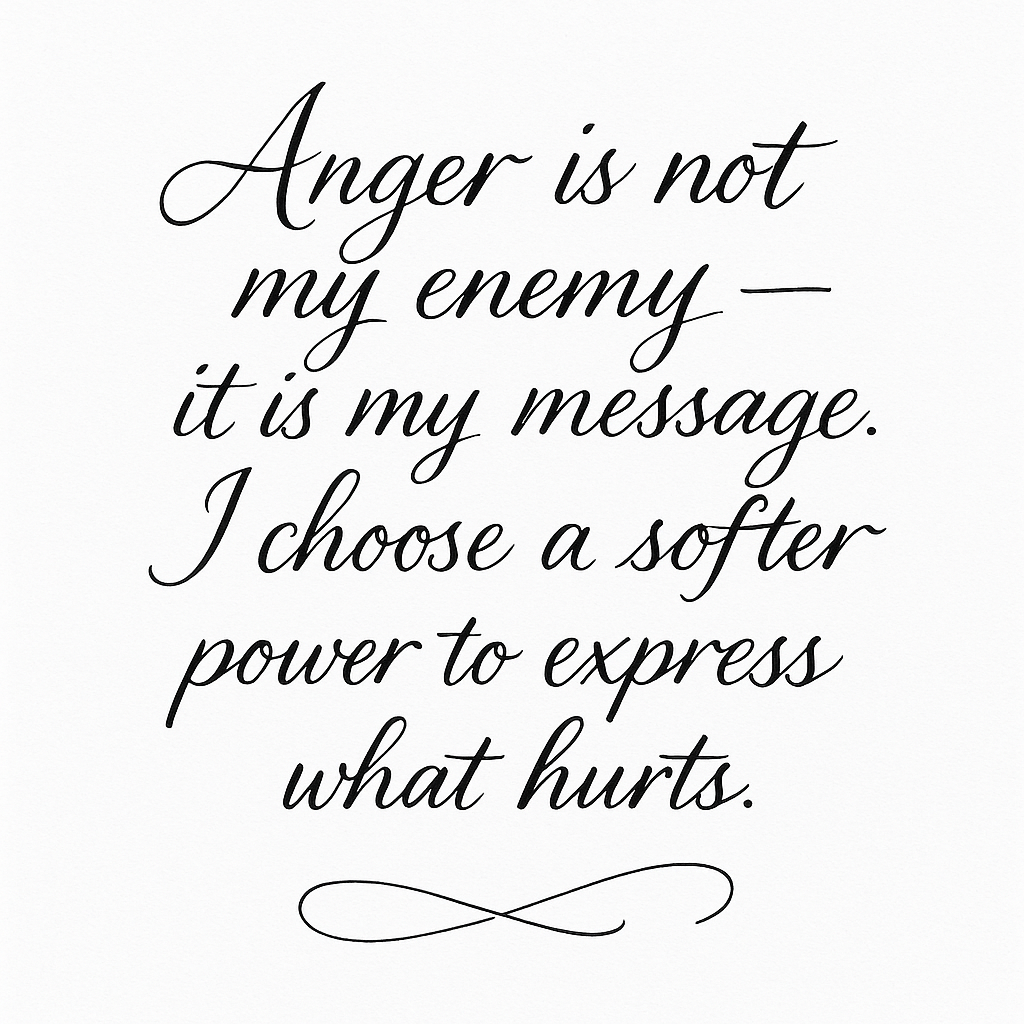
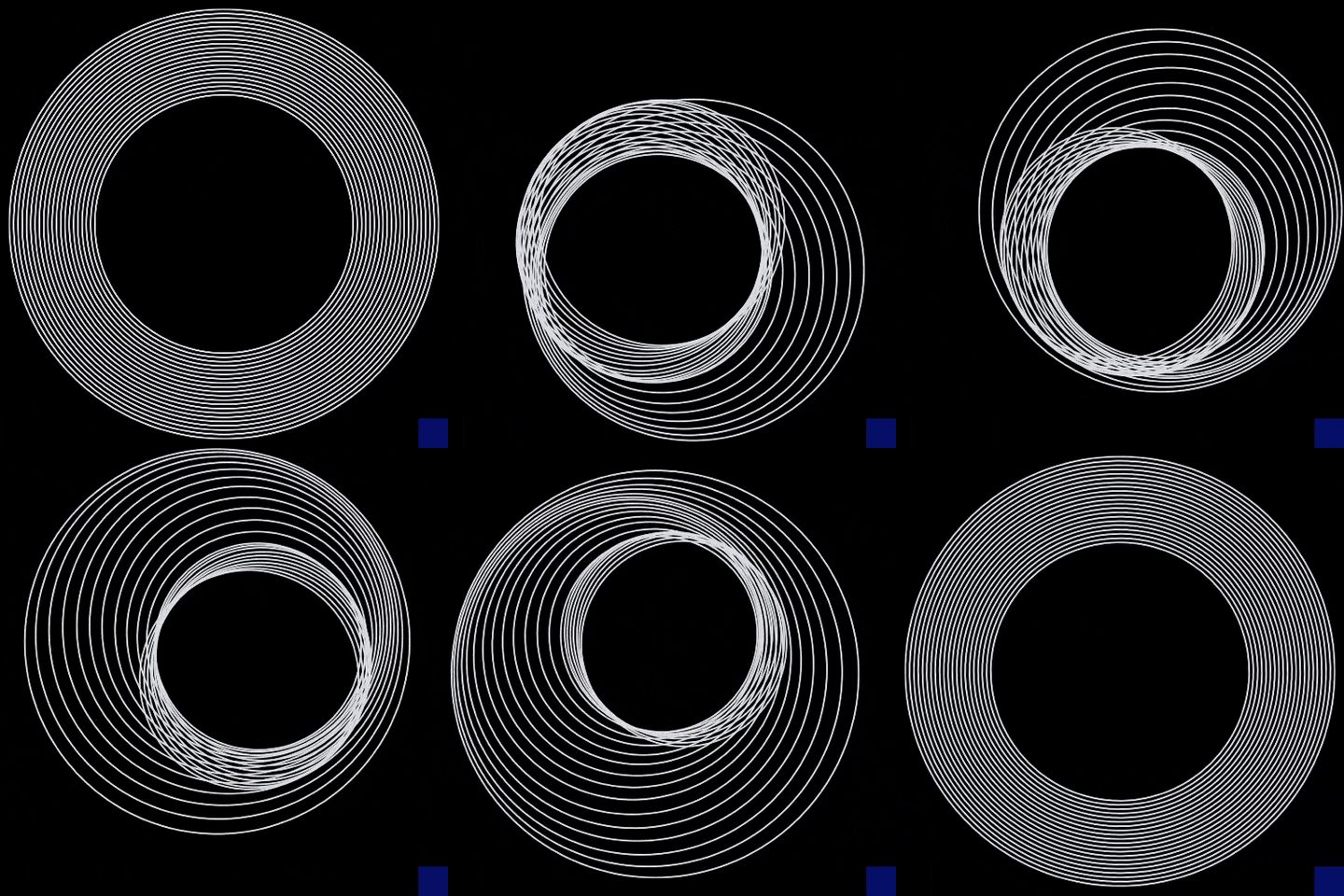
Image Healing: Mandala Stability Guidance 128
Imagine the first traumatic event as a pebble thrown into a lake, creating huge ripples. You often stare at that pebble, feeling the water will never calm down. But look at this mandala; it's still ripples. The pebble (the traumatic event) has sunk to the bottom; that was long ago. The current patterns are merely echoes of that moment, spreading outwards, fading, and eventually disappearing. You are not that pebble; you are this vast, all-encompassing lake. The surface will eventually return to its mirror-like state.
Traditional mandalas typically feature a harmonious and intricately varied circular structure, symbolizing the wholeness of the universe and the cycle of life. By viewing mandala images, individuals can perceive inner peace and strength, achieving psychological balance.
◉ Gaze at the mandala twice, while taking deep breaths.
Lesson 128: First Imprint - Drawing Guidance
① Action guidance:Draw a small dark dot, then surround it with multiple rings of gradually lighter colors to represent emotions ranging from intense to diminishing.
② Action guidance:Adding a few soft rays of light outside the color wheel symbolizes that "new experiences are covering old memories."
③ Action guidance:Write a calming phrase in the corner of the image, such as "This is the past, not the present."
Please log in before submitting your drawings and feelings.
○ 128. First Imprint: Log Guidance Suggestions
① Which moment from your first seizure is still the clearest in your memory?
② Looking back today, was it really as dangerous as it seemed at the time?
③ Do I now have more resources to deal with a similar situation?
④ How would I like to write a “new interpretation” of that experience?
Please log in to use.
The first episode may leave a mark, but a mark is not destiny. You can reinterpret it, and you can regain control of yourself.