

Lesson 1405: Treatment and Intervention of Somatic Symptom Disorders
Duration:70 minutes
Topic Introduction:This course will systematically introduce the treatment methods and adjustment strategies for somatic symptom disorders, including psychological intervention (such as cognitive behavioral therapy (CBT), physical therapy, lifestyle adjustments, nutritional support and art intervention, etc., to help students carry out the healing process from multiple levels.
○ Overview of treatment and intervention strategies
- Cognitive behavioral therapy (CBT):Identify and reframe catastrophic interpretations of the body to reduce symptom anxiety.
- Mindfulness and breathing exercises:Train your ability to be aware of the present moment and alleviate excessive body monitoring.
- Art Therapy and Expressive Writing:Transform feelings into images and words to release suppressed emotional tension.
- Diet adjustment and sleep repair:Support nervous system function through an anti-inflammatory diet and a balanced lifestyle.
▲ AI Interaction: Develop your daily healing action plan
Common interventions include mind-body education, cognitive behavioral therapy, stress management, graduated exposure, and, if necessary, medication. The goal is to expand your life, not to fight the feelings themselves.
Please choose one small thing you can do from "reduce avoidance, increase activity, and stabilize rhythm", write down when, where, and how long you will do it, and set a gentle reminder for yourself.
Establish an "anxiety process": Be aware → Breathe in four beats → Review the evidence → Implement a replacement behavior. The more familiar you are with this process, the better you'll be at stabilizing yourself when the anxiety starts.
Record one improvement today, even if it's just one less search or checking ten minutes later. Write down your success, and it will replicate itself.
Conclusion: You and your body are on the same team. Choose gentle and steady practice, and your life will gradually gain space and lightness.
Click the button below to work with AI to develop a body adjustment method that suits you and record daily healing feedback.
○ Treatment and intervention of somatic symptom disorder · Music therapy
Treatment may include psychological intervention, medication, and lifestyle adjustments. Please play soothing music to calm your mind.
Write down three things you'd like to try, like keeping a body journal, exercising regularly, or talking to a friend.
Complete one of these small things today and write down how it made you feel. Let music help you preserve this gentle power.
Conclusion: Please say to yourself: "Healing is a journey, and I am already on the journey."
Aromatherapy drinks
Recommended drinks:Lemongrass Honey Tea
Recommended reasons:Lemongrass has a calming and regulating effect on the nervous system, while honey is warming and nourishing. The combination of the two can relieve anxiety and promote sleep, making it a recommended daily drink during the recovery period.
usage:Brew 3 grams of dried lemongrass in hot water for 8 minutes, then add a teaspoon of honey. This is recommended for evening or afternoon relaxation.
Cumin Chicken Breast
Low in fat and high in protein, it helps repair muscles and maintains satiety. The refreshing cumin flavor boosts appetite and concentration, while offering minimal overall impact. This is a highly effective main dish ideal for periods of oil control and training days.
Healing Recipes
/home2/lzxwhemy/public_html/arttao_org/wp-content/uploads/cookbook/zi-ran-ji-xiong-rou.html(Please confirm that the file has been uploaded: zi-ran-ji-xiong-rou.html)🎨 Themed Mandala
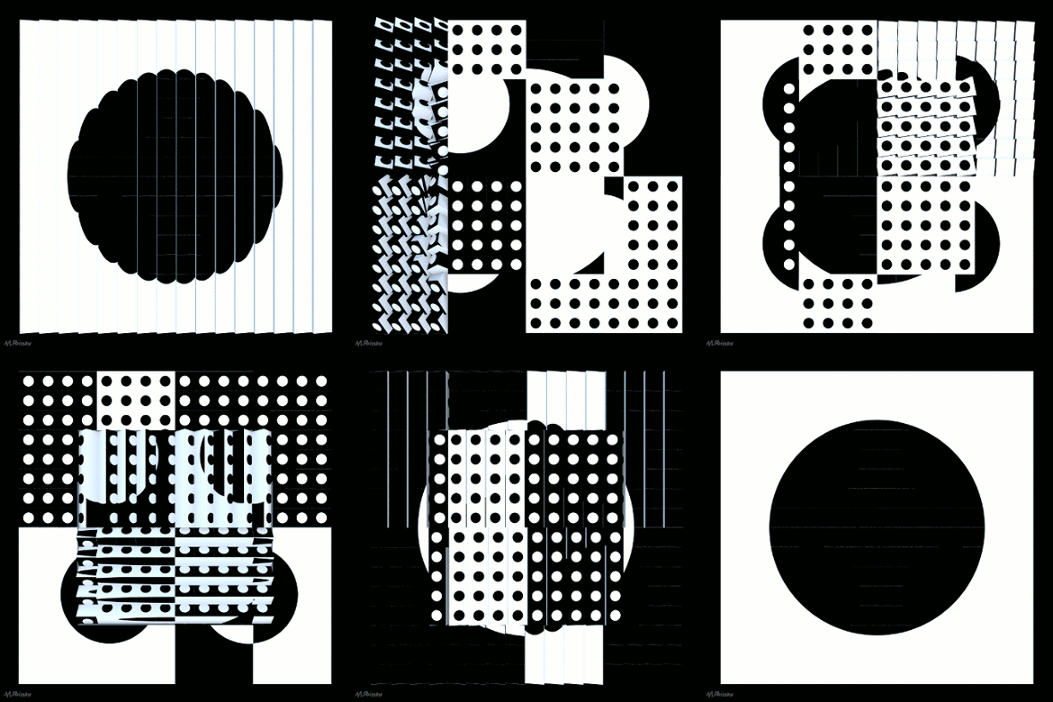
This lesson suggests drawing a mandala pattern around the concept of "recovery and stability," using a structure that expands outward from the center to symbolize the process of returning from symptoms to self-support. A combination of warm colors and dark blue tones is recommended.
Applicable issues:Somatization caused by repeated physical discomfort, chronic fatigue, and psychological stress.
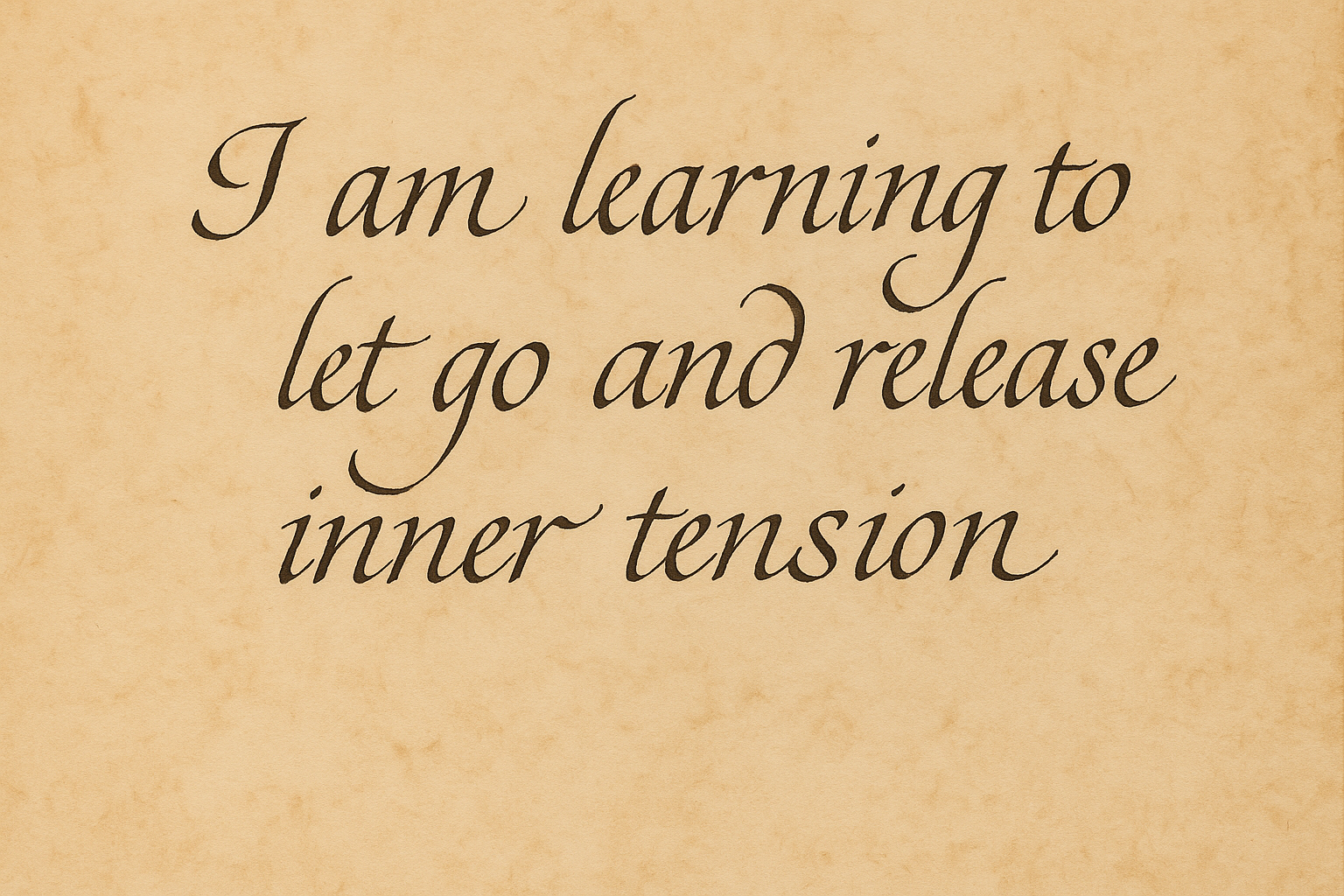
○ Medieval Gothic calligraphy practice
Calligraphy practice is a visible and stable training, and also a form of self-care by "regulating breathing while writing".
Practice sentences:
“I’m learning to heal my body in a gentle but firm way.”
I am learning to heal my body with gentleness and strength.
It is recommended to practice every morning or before going to bed to strengthen the awareness that "healing is daily accumulation" and regulate breathing through the rhythm of the lines.
○ Treatment and intervention of somatic symptom disorder: guidance and suggestions for painting therapy
This page uses drawings to illustrate the possibilities of "Treatment Pathways and Self-Intervention." Recovery from somatic symptom disorder relies on a combination of medical assessment, psychotherapy, and lifestyle adjustments. Drawing can help us make complex intervention plans visible and tangible, and build sustainable self-care through small steps.
1. Treatment Pathway Map (Medicine-Psychology-Life)
- Draw a forked path with three main branches:Medical examination and treatment(Medication/physical examination/regular review),Psychological intervention(cognitive behavioral therapy, mindfulness, emotional expression),Lifestyle habits(exercise, sleep, nutrition, social support).
- Write down the methods you have tried and your next plan next to each road, such as "Continue to walk for 10 minutes every day" and "Ask your doctor about the side effects of the medicine next time."
- Draw “support stations” at the intersections of paths: family understanding, friends companionship, and professional guidance.
2. Intervention Toolbox (Visual Resource Cards)
- Draw a toolbox on paper and divide it into sections to place:Breathing exercise cards(4-6 breaths),Attention Shift Cards(Observe the surrounding colors/sounds),Relaxation Exercise Card(stretching/walking),Notecard(Symptom journal, thought rewriting).
- Write an encouraging message on each card, such as "I can delay searching for 10 minutes" or "Three deep breaths are my little pill."
- Each time you use a card, draw a small symbol (★ or ✓) on the side to accumulate the number of uses.
3. Recovery Ladder (Small Steps—Persistence—Consolidation)
- Draw a three-step ladder: On the first step, write "1% Micro-Steps," such as stretching for 5 minutes every day; on the second step, write "Repetition and Persistence," such as continuing for two weeks; on the third step, write "Consolidation and Alignment of Values," such as "Accompanying Family for Health."
- Draw “obstacle stones” (e.g., anxiety, procrastination, doubt) and “support hands” (e.g., reminders from friends, schedule reminders, professional support) on both sides of the stairs.
- When you complete a small goal, draw a footprint on the stairs to symbolize the trajectory of progress.
Friendly reminder: Drawing can help you organize and express your feelings, but it cannot replace medical diagnosis and treatment. Treatment requires a collaborative approach involving medicine, psychology, and daily life. Seek medical attention immediately if you experience any acute red flag symptoms.
Please log in before submitting your drawings and feelings.
○ 1405. Treatment and Intervention of Somatic Symptom Disorders: Journal-Guided Suggestions
① Overview of the direction: mind-body education, cognitive behavior, stress management, gradual exposure and necessary medication, setting the pace with you.
② Choose one of the three actions: reduce symptom checks, arrange enjoyable activities, or have a regular sleep and wake-up schedule. Write down when, where, and how long you will do each action.
③ Anxiety process: Awareness → Breathe for four beats → Check evidence → Execute substitution, print and post, and practice repeatedly.
④ Reinforcement mechanism: Record and reward small successes, even if it’s just one less search.
⑤ Support network: Specific help and contact information from family/friends/professionals to reduce the burden of being alone.
⑥ Relapse plan: When the relapse is triggered, follow the "72-hour plan" and execute it according to the plan without getting distracted by the symptoms.
⑦ Conclusion: Gentle and steady practice will make room and lightness in life.
Please log in to use.
Healing isn't about avoiding discomfort, but about learning to coexist with your body. May you use gentle methods to rebuild a trusting relationship with your body.