

Lesson 1523: Causes of Alcohol Use Disorders
Duration:70 minutes
Topic Introduction:This course delves into the multiple contributing factors to alcohol use disorder, including emotional regulation disorders, traumatic experiences, social influences, and family background. Students will understand that alcohol dependence is not a sign of "weak willpower," but rather a form of psychological adaptation driven by complex interactions.
○ Common causes of alcohol use disorder
- Difficulty regulating emotions:Alcohol is used to numb emotions and become a "quick escape tool."
- Traumatic experiences:Childhood neglect, violence, loss, and other events can easily lead to a tendency toward self-medication.
- Family Mode:Growing up in a household where drinking is normalized increases the risk of dependence.
- Sociocultural pressure:Drinking becomes the only outlet for socializing and releasing stress, and gradually becomes a habitual reaction.
▲ AI Interaction: Are you also using alcohol to respond to life stress?
The causes of alcohol dependence may include genetics, environment, stress and emotion regulation.
Please write down the three situations that most often prompt you to drink, and add a gentle note of understanding next to them: "I was just trying to relax."
For each trigger, write an alternative, such as exercise, music, writing, or talking to a friend.
Give yourself permission to believe that change is possible, even if it's slow.
Conclusion: Understanding the causes is not about blaming others, but about finding a direction for change.
Click the button below to work with AI to sort out the emotions and habit structures behind your drinking behavior and explore more gentle ways to deal with it.
○ Causes of Alcohol Use Disorder · Music Therapy
Choose a double bass piece and explore the reasons behind it, perhaps stress, emotions, social culture, or past experiences.
Write down three situations that were most likely to prompt you to drink. Accompany each one with a gentle, understanding statement: "I was just trying to protect myself."
Write down another alternative you'd like to try, like exercise, music, writing, or talking to a friend. Let the rhythm help you see the possibilities.
Conclusion: Understanding the causes is not about blaming others, but about finding a direction for change.
○ Oriental healing tea
Recommended drinks:Green Tea with Jasmine
Recommended reasons:Green tea is rich in antioxidants, and jasmine is refreshing and soothing, making it suitable for adjusting the nerves after alcohol-related anxiety and stress recovery.
usage:3g green tea + 5 dried jasmine flowers, brew with 80°C water for 3-5 minutes, drink in the morning or afternoon.
○ Japanese Food Therapy, Sakamushi Asari (Sake-Steamed Clams)
Low in fat, high in protein, and rich in iron and B12, it balances blood production and vitality. The refreshing broth provides balanced hydration and electrolytes. Its fresh, light flavor makes it a perfect gentle remedy after an overworked day or when appetite is low.
Healing Recipes
/home2/lzxwhemy/public_html/arttao_org/wp-content/uploads/cookbook/sakamushi-asari.html(Please confirm that sakamushi-asari.html has been uploaded)🎨 Freedom Mandala Healing
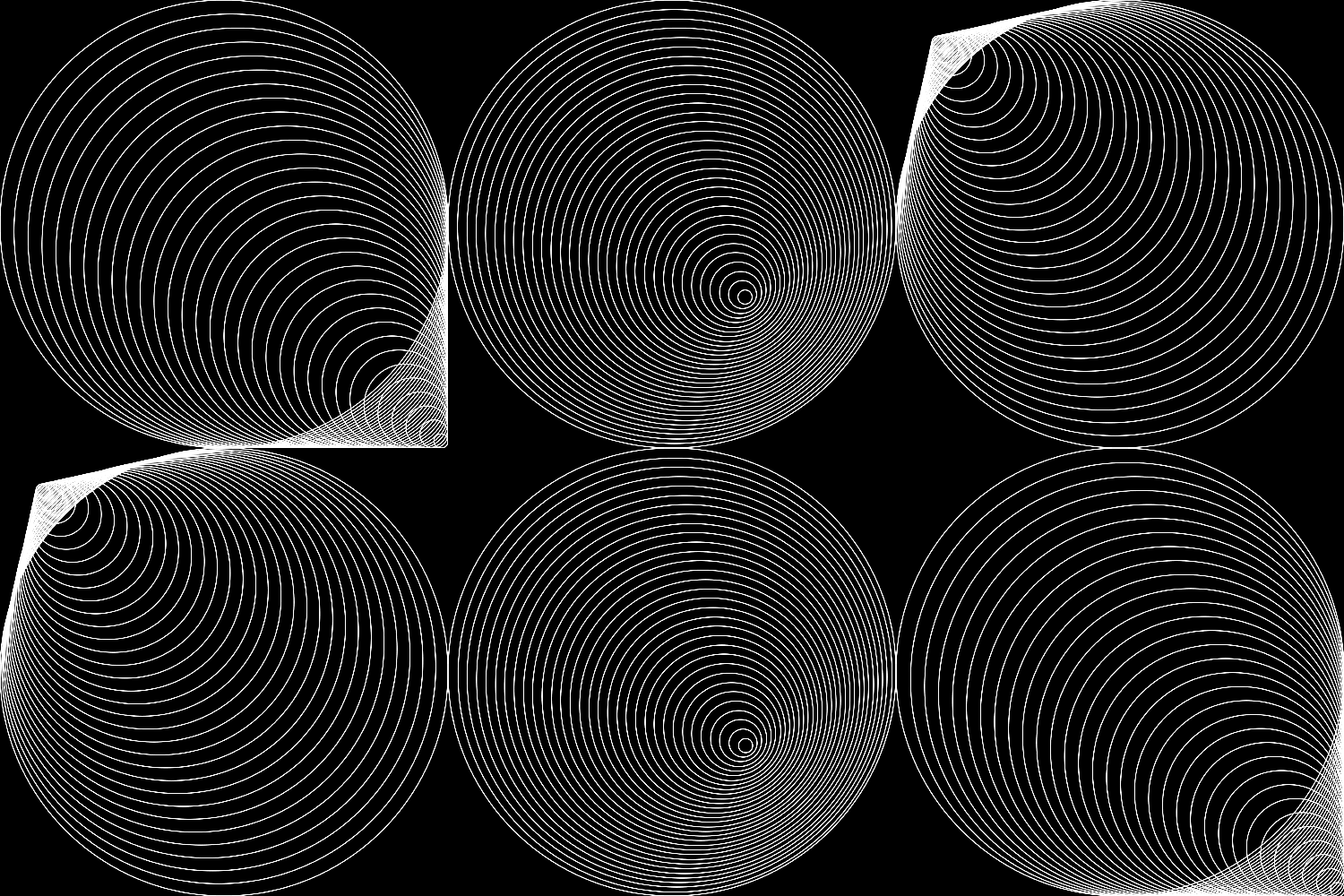
Image Healing: Free Mandala Stability Guidance 03
Observe those irregular shapes. You too can be irregular. Free lines remind us that stability is not rigidity, but rather the ability to thrive amidst change.
The free forms of the mandala help you understand that true balance is dynamic, not fixed.
Free mandalas have no fixed form, allowing the artist to express themselves freely based on their emotions. There are no rules for drawing free mandalas, encouraging individuals to express their inner world, and they are often used to help with emotional release and self-awareness.
○ Suggestions for seal carving calligraphy practice
In this course, the goal of seal carving calligraphy is to help you enhance your sense of self-control and strengthen your emotional regulation through the focused carving of each stroke. This will help you understand the causes of alcohol use disorder and promote emotional regulation and self-awareness. Depending on your needs, you can try the following methods:
- Introduction to the characteristics of seal carving:
Seal carving emphasizes rigorous composition and a balanced approach to knifework, requiring the carver to maintain inner composure amidst meticulous care. Each slow and calm stroke helps cultivate delayed gratification and concentration, helps manage impulsive tendencies, and strengthens awareness of the causes of complex emotions. - Written words:
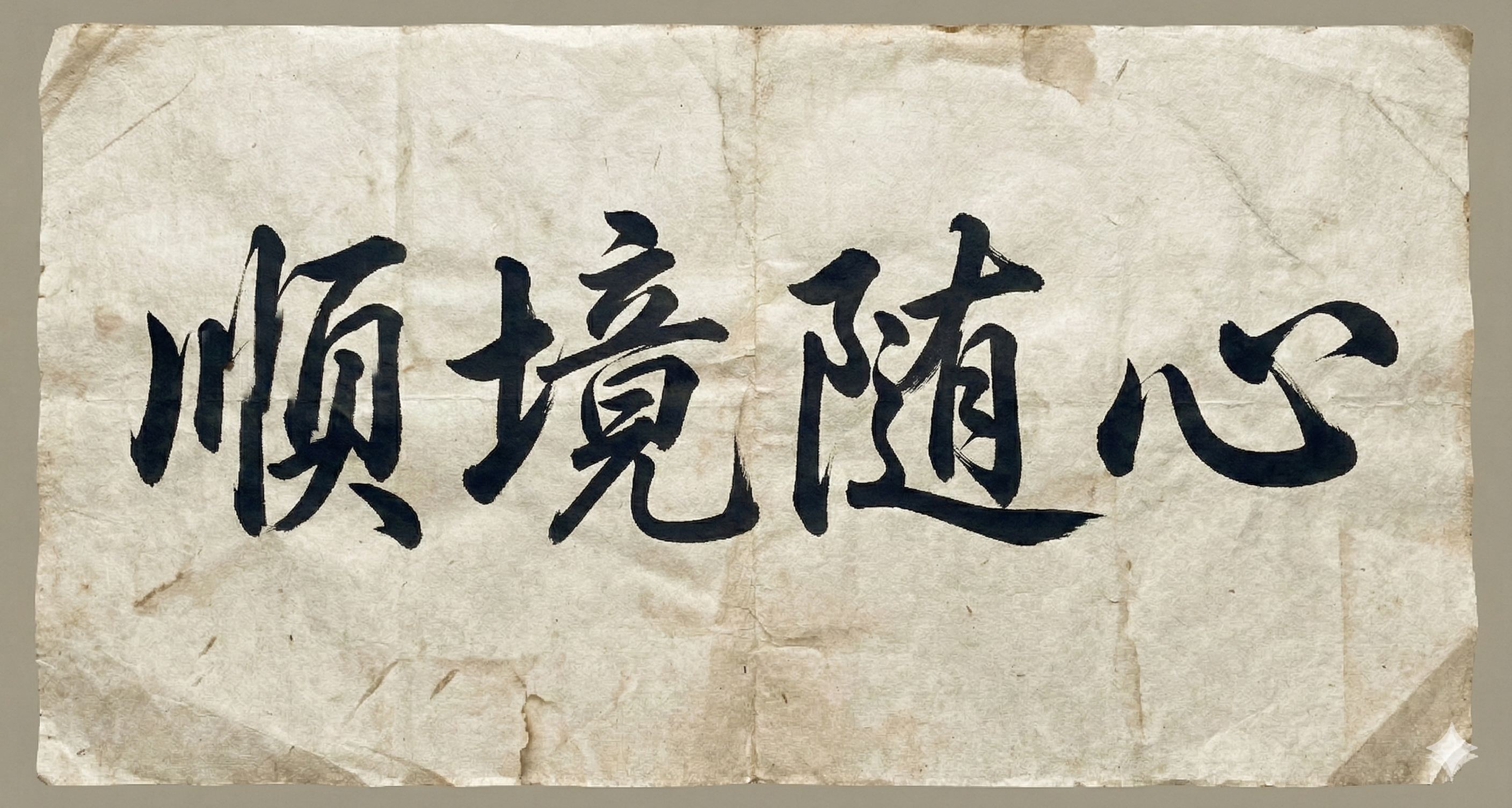
Painting plum blossoms is not easy
Unrivaled in Painting Plum Blossoms - Psychological Intention:
Alcohol use disorder is often rooted in deep, unresolved emotions and unmet psychological needs. When writing "Painting the plum blossoms without letting anyone else do it," one experiences the experience of meticulous craftsmanship, building a sense of inner accomplishment and self-confidence, and reducing reliance on external stimulants (such as alcohol) to fill inner voids. - Knife skills:
While carving, maintain steady breathing, slow down your movements, and focus on the strength and flexibility of each stroke. By carving patiently, you can train yourself to remain stable and aware amidst complex or anxious emotions. - Emotional transformation:
Projecting the inner unresolved anxiety and needs into every stroke of the carving process, using the stability of the movement to transform emotional energy, promote emotional balance, and help understand and resolve the deep-seated causes behind alcohol use disorders.
○ Causes of Alcohol Use Disorder: Guidance and Suggestions for Painting Therapy
This page uses drawing to externalize the "causal network," placing susceptibility, psychological processing, life stress, and environmental availability on a single map to help you find the entry point for adjustment. Drawing is used for awareness and communication, not to replace medical diagnosis and treatment.
1. The Four Quadrants of Causes (Biological-Psychological-Experiential-Environmental)
- Draw a large box and divide it into four sections: biological (family history, metabolic differences, sleep rhythm disorders), psychological (difficulty regulating emotions, negative automatic thoughts, reward expectations), experiential (childhood adversity, trauma, recent major stress), and environmental (high availability, social culture, overtime and nightlife).
- Write three keywords related to you in each box; mark the "adjustable points" in the upper right corner, such as fixing a regular schedule, establishing channels for emotional expression, and reducing exposure to high-risk scenarios.
- Use thin lines to connect factors that amplify each other, such as "stressful events ↔ insomnia ↔ increased cravings", to form a visual risk chain.
2. Trigger Chain and Craving Loop (Trigger → Thought → Emotion → Behavior)
- Draw a chain from left to right: triggering cue (scene/person/time period) → thought ("drinking a little will make me feel better") → emotion (nervous, empty, excited) → behavior (buying and drinking) → short-term effects and next-day consequences.
- Leave a "Rewrite Column" under "Thoughts": Change automatic thoughts into balanced sentences, such as "I need to relax now, but I can start with a ten-minute walk or a hot drink."
- Draw three alternative buttons for "Behavior": Delay for ten minutes, contact supporters, and perform brief physical activities; make a written note next to each completed action to accumulate feasible experience.
3. Risk-Protection Scale (Susceptibility Factor × Protection Factor)
- Draw a scale: write the susceptibility factors (insomnia, social pressure, depression, high availability) on the left plate, and the protection factors (regular work and rest, alternative drinks and activities, stable social support, and ways to seek help) on the right plate.
- At the bottom of the right plate, write "One protective action you can add this week," such as taking a regular evening walk, removing alcohol from your home, or having a weekly alcohol-free social.
- Draw a "monitoring scale" at the bottom of the scale: the average craving intensity this week, the actual number of drinking days, and the number of replacement behaviors completed, and use a pencil to record the trend of change.
IV. Review and Action (Three Lines)
In the blank space of your work, write:
- The factor that needs to be addressed first in the four quadrants is: ______; the next step to take is: ______
- The idea I want to rewrite in the "Inducement Chain" is: ______ → ______
- This week I will add a protective action: ______; physical evaluation after completion (0-10): ______
Tip: If you experience serious withdrawal signs (confusion, convulsions, hallucinations, high fever or obvious abnormal heart rate, etc.), you should seek medical attention immediately; you can carry this page with you and discuss with your doctor or psychologist "when it will be more obvious, which methods are effective, and the next small step that can be taken."
Please log in before submitting your drawings and feelings.
○ 1523. Causes of Alcohol Use Disorder • Journaling Recommendations
① Multidimensional perspective: Physiological sensitivity, family history, stressful environment, emotional regulation, and social culture may all be related; the causes are complex and do not mean fault.
② Trigger terrain: Write down the most common trigger from "emotion/scene/interpersonal" and design an alternative action for each one three minutes in advance.
③ Rhythm observation: record the relationship between sleep, diet, exercise and drinking desire, use data to replace imagination, and find movable handles.
④ Self-Function: What does alcohol help you do? Relaxation, socializing, numbness? For each function, find a milder alternative.
⑤ Support network: Write down the people and professional resources you can turn to for help; simplify “who to contact when needed and what to say” into a script.
⑥ Compassionate rewording: Change “I am weak-willed” to “I am looking for a safer way to adjust,” leaving space and patience for change.
⑦ Conclusion: When the cause is named, the path emerges.
Please log in to use.
Causes are not excuses, but the starting point of understanding. When you see the roots, you have the strength to start over from there.