

Lesson 956: Establishing a Psychologically Safe Environment and Rhythm
Duration:75 minutes
Topic Introduction (Overview):
During the acute stress response phase, what a person urgently needs is not "immediate recovery," but rather an environment that can temporarily calm emotions and allow the nervous system to gradually return from high alert to stability. This course will guide you on how to build a "psychologically reliable space and rhythm": this doesn't refer to decoration or furnishing, but rather to creating an internal and external environment that allows the mind and body to buffer through light, sound, body position, breathing patterns, daily routines, and social distancing. You will understand which factors can reduce stress responses (such as soft lighting, short and predictable conversations, and slow-paced movements), and which intangible factors can exacerbate tension (such as noisy environments, excessive information input, irregular eating habits, and sudden social interactions). Establishing a psychologically safe environment is not a luxury, but a prerequisite for acute recovery. Through this course, you will learn how to restore a "stable structure" to your life, thereby allowing your heart to trust the world again.
▲ AI Interaction: What kind of environment makes my nervous system feel safer?
Please write down the three environmental factors that have increased your anxiety the most in the past 48 hours: light, sound, crowds, rhythm, temperature, or amount of information.
Write down the three elements that make you feel most relaxed: warm light, steady sound, soft materials, predictable rhythm, or a fixed little corner.
AI will guide you through creating a "special environment configuration for the acute phase," helping you establish a space that truly allows your mind and body to slow down, rather than forcing you to endure it.
The goal: not to change all of life, but to redraw a small, breathing space out of the chaos.
Click the button below to work with AI to create your "Psychological Safety Environment and Rhythm Plan".
○ Music therapy: Using rhythm to create a sense of predictability“
The nervous system is often most vulnerable to unpredictability during the acute phase, so using music to create a consistent rhythm is one of the gentlest ways to stabilize it.
Choosing a melody with a stable, uninterrupted, and non-jumping rhythm, and synchronizing your breathing with the music, will be more effective than any "forced relaxation."
When playing music, please get into a comfortable position and let your chest and shoulders drop naturally; this is a "safety signal" in itself.
Whisper to yourself during the chorus: At this moment, I am allowed to slow down.
🍵 Aromatherapy Drinks
Recommended drinks:Rose petal infusion for tranquilization.
The scent of roses can soothe an overly tense chest area and alleviate the feeling of "not being able to breathe" caused by acute stress.
Directions: Steep 1 teaspoon of dried rose petals in 90°C hot water for 4–6 minutes.
During the drinking process, pay attention to whether your body gradually feels more relaxed and willing to stay longer; this is a sign that your nervous system is recovering.
○ British Vegetarian Remedy: Warm Roasted Carrot & Pea Bowl
British vegetarianism emphasizes a diet that is "easily digestible, mild, and stable." Warmly roasted carrots provide comforting energy, while pea puree offers gentle protein, allowing the body to gradually return to a resilient state. During an acute phase, minimizing the burden on the body is paramount, and these gentle foods can offer moments of calm amidst chaos.
Light burden
Easy to digest
Healing Recipes
/home2/lzxwhemy/public_html/arttao_org/wp-content/uploads/cookbook/kao-hong-shu-pei-hei-dou.html(Please confirm that the file has been uploaded: kao-hong-shu-pei-hei-dou.html)
🎨 A mandala is not about drawing something, but about observing it.
Mandala Stability Viewing · Mi Xiangwen 956
Please quietly observe the central image of the mandala.
No explanation is needed, no drawing is needed, no search for meaning is needed; just watch.
During the acute phase, your nervous system instinctively seeks out "rhythm" and "stable patterns," and the structure of a mandala precisely meets this need.
When you gaze at the center, if you feel your breathing automatically slow down within a few seconds, it means your body is receiving a "safety signal".
Stability is not something that comes from effort, but rather something that emerges naturally through observation.

○ Running script writing practice: steady rhythm
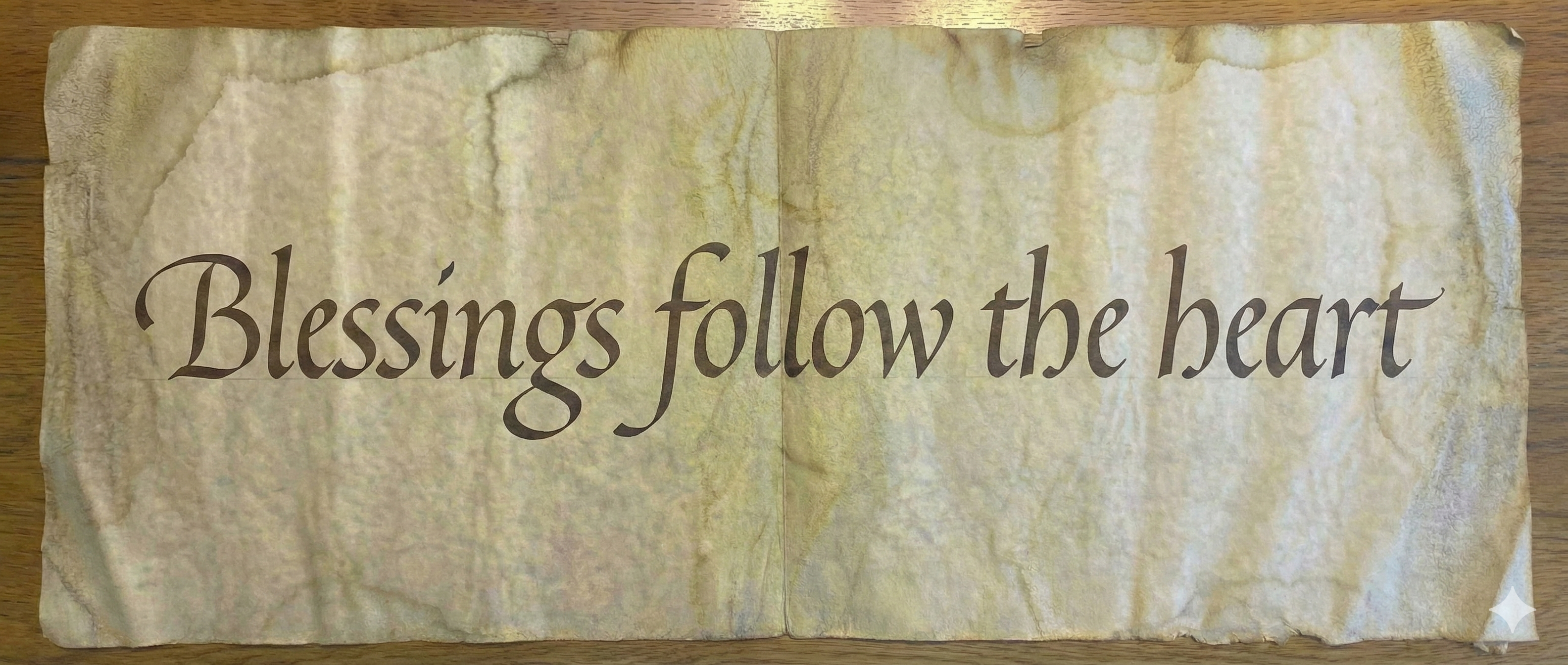
Write sentences:I deserve to be at a safe pace.
The fluidity of running script symbolizes the establishment of a stable rhythm: there are rises, falls, slowing down, and pauses.
When writing, relax your wrist, let the strokes extend naturally, and let the breath between the characters be like the rhythm of life you want to establish: gentle, slow, and predictable.
When you write slower, your nervous system becomes more stable.
Lesson 956: Psychological Safety - Art Guidance
Purpose: To help you see the outline of "safe rhythms".
Steps: Draw three long strips on a piece of paper, each representing one day.
Each bar uses different shades of color to represent your energy fluctuations for the day.
If the color gradually transitions from dark to light, this is a signal that the rhythm is being restored;
If the colors are disjointed or disordered, it indicates that the nervous system is still under stress and requires more stabilization measures.
This painting is not for beauty, but to let you see your own "rhythm chart".
Please log in before submitting your drawings and feelings.
○ 956. Psychological Safety Rhythm: Journaling Guidance Suggestions
① Write down three small rhythms you would like to incorporate into your daily routine (such as drinking water regularly, turning off the lights, washing your face, taking a walk, and taking deep breaths).
② Write down one environmental factor that makes you feel "unsafe".
③ Write down the smallest step you can take to change it.
④ Write down the comforting words you most want to say to yourself today.
Please log in to use.
Safety is not something given by the environment, but rather something that is "allowed" by both the environment and rhythms. May you regain your own rhythm.