

Lesson 959: Key Principles of Short-Term Psychological Intervention
Duration:75 minutes
Topic Introduction (Overview):
The hours to weeks following an acute stressor are the most critical phase for psychological intervention. Short-term intervention is not about quickly solving all problems, but about helping you stabilize, buffer, recover, and recognize your own resources. This course will guide you through understanding the core principles of short-term intervention: safety first, emotional containment, rhythm restoration, information simplification, social support, and reality orientation. We will not force you to "let go," "think positively," or "immediately cheer up," but rather help you restore basic psychological order from overwhelming inner turmoil. You will learn how to identify your own limits, how to practice emotional stabilization in small units, how to build a "just enough" support system, and how to conserve your mental and physical energy in the short term to prevent further entrenching of psychological trauma. Intervention is not treatment, but rather enabling you to move forward.
▲ AI Interaction: What kind of "short-term support" do you need most right now?
The core of short-term psychological intervention is to stabilize the situation first, rather than trying to solve everything. Please write down the support you need most right now: is it emotional stability, restorative sleep, conversation and companionship, or simply a space that won't pressure you?
You can also write down one thing you did well today and let AI help you find "unseen resilience".
Short-term intervention is not treatment; it's about helping you regain your footing.
Click the button below to help AI identify your most important short-term support areas.
○ Music therapy: Establishing rhythm is establishing psychological safety
The key to short-term intervention is restoring rhythm. Choose a piece of music with a steady tempo, sit or lie down, and tap the beat with your fingers. As your body begins to follow the rhythm, your nervous system is also rebuilding its "internal order."
The repetition, loops, and stability in music can gradually calm the chaos following acute stress.
During the chorus, tell yourself: I am getting back into my rhythm, and rhythm is safety.
🍵 Aromatherapy Drinks
Recommended drinks:Chamomile & Bergamot Tranquilizing Drink.
Chamomile soothes nervous tension, while bergamot helps restore emotional well-being. In short-term psychological interventions, this combination can reduce overwhelming emotional waves and provide a gentle sense of stability to the body.
Instructions: Steep 1 teaspoon of chamomile and a few drops of bergamot peel in hot water for 5 minutes.
As you drink it, feel the temperature drop down your chest; that's your body reorganizing itself.
○ British Vegetarian Therapy: Warm Root Veg Plate
British short-term conditioning emphasizes "warmth, softness, and absorbability." Warmly roasted root vegetables (carrots, beets, potatoes, parsnips) can provide a sense of stability for disrupted energy levels after acute stress. The warmth and soft texture help the body quickly return to the "digestion-absorption-recovery" rhythm, making it the most recommended vegetarian stabilization group for short-term interventions.
Gentle comfort
Short-term recovery
Healing Recipes
/home2/lzxwhemy/public_html/arttao_org/wp-content/uploads/cookbook/kao-hong-shu-pei-hei-dou.html(Please confirm that the file has been uploaded: kao-hong-shu-pei-hei-dou.html)
🎨 Mandala Stability Viewing · Mi Xiangwen 959
Focus your attention on the center of the mandala; no explanation, transformation, or understanding is needed.
You just need to look and let the order of the lines help your mind return from chaos to structure.
As you watch, your breathing slows, your chest relaxes, and your attention shifts from "the unbearable" back to "this little space in the present moment."
Mandalas are not meant to be drawn, but rather to allow you to recapture the feeling of "I am still here, I am still here" through viewing them.
The purpose of MiXiangWen is not to create images, but to help your spirit find a new anchor.
See, it's a short-term intervention.

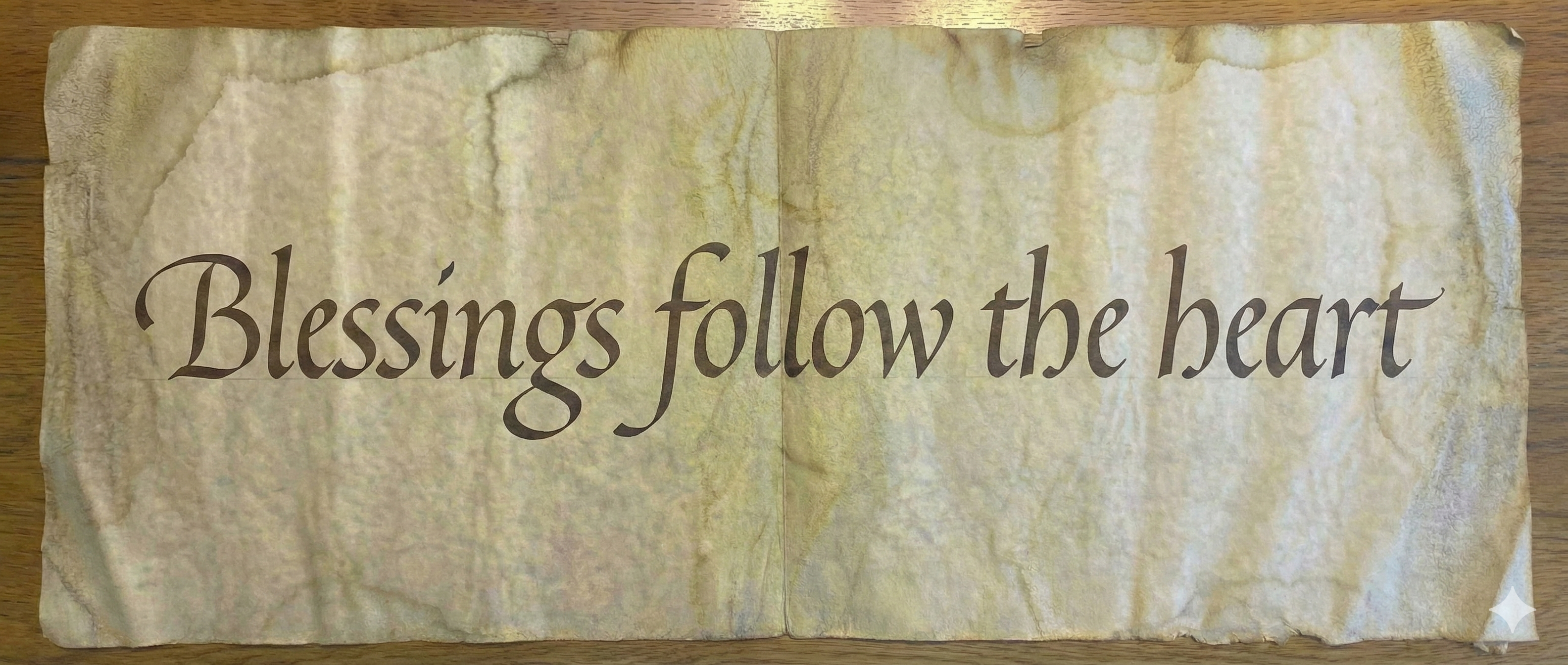
○ Running script: Stable core writing practice
Write sentences:I am slowly recovering.
The lines of running script possess a flowing, paused, and slow power, making it highly suitable as a "body-mind integration training" tool in short-term interventions.
Use a lighter wrist movement than usual, allowing the strokes to fall naturally. Each stroke is a message to your body: "I'm getting back to my rhythm."“
Don't pursue beauty, just pursue the feeling.
Lesson 959: Short-Term Intervention - Art Guidance
Objective: To help you find a "visible point of order" in the midst of chaos.
Steps: Draw a simple frame on a piece of paper, and then draw three parallel lines inside the frame.
This is an exercise symbolizing "psychological restructuring." When you slow down and maintain your breathing while drawing lines, the order of the frame and lines will naturally stabilize your nervous system.
After you finish, look at it for a minute and feel the changes in your body.
Please log in before submitting your drawings and feelings.
○ 959. Short-term intervention - log-guided recommendations
① Write down the most chaotic moment of your day.
② Write down how you want it to be handled: soothed? contained? slowed down?
③ Write down one small, stable movement that you can do immediately.
④ Write down a short-term support statement: I just need stability, not perfection.
Please log in to use.
Short-term psychological intervention is about "getting yourself on your feet first," not about running towards the finish line. Staying steady is a strength in itself.