

Lesson 1041: Integration Exercises for Traumatic Memories
Duration:75 minutes
Topic Introduction (Overview):
Traumatic memories are not stored in the brain as "stories"; they often exist as fragmented sensory cues: smells, light and shadow, sounds, muscle contractions, heartbeats, or even an inexplicable tension. After acute stress, the hippocampus and amygdala of the brain often fail to cooperate in "archiving events," so many people are unexpectedly transported back to the past by subtle cues. This course will guide you to understand how traumatic memories are stored and teach you how to perform gentle integration exercises in a safe environment to prevent the past from resurfacing in an intrusive way.
Trauma integration is not about forcing yourself to "think more positively," nor is it about forcing yourself to relive the past. Rather, it's about connecting the feelings, images, and physical reactions from your memories with the safety of your present moment, within a controlled framework. You will gradually integrate these fragments into the present through breath anchoring, narrative segmentation, body scanning, grounding movements, and symbolic drawing. Mandalas are not about drawing anything, but about observing—observing how memories loosen, how they rearrange, and how they slowly move from chaotic fragments towards a clear whole, allowing you to regain your inner sense of order.
▲ AI Interaction: Gentle Contact with Traumatic Memories
Traumatic memories don't need to be confronted all at once. They need to be segmented, named, and placed.
Please write down a small fragment that you would like to experience: a color, a ray of light, a sound, or an emotion.
Then write down two physical reactions: chest tightness? shallow breathing? shoulder stiffness? Just name them, no explanation is needed.
Finally, I'll write a sentence to support myself: "I am safe, and I am getting to know the past."“
Click the button below to let AI accompany you in trauma segmentation and integration exercises.
○ Body Awareness & Music Therapy
Choose a piece of instrumental music with a steady rhythm and simple melody, and let it become the "rhythmic support" for you to integrate your memories.
In the music, take a slow scan from the soles of your feet to your head, observing which parts of your body are "hearing memories" and which parts are "returning to the present moment".
When a certain part is particularly tense, do not suppress it; simply focus your attention on the most stable beat of the music.
Let music help you distinguish: the past belongs to the past, and your body is sitting in the chair of the present.
🍵 Herbal Healing Tea: Stable Support for Trauma Integration
Recommended drinks:Rose petals + lemon balm soothing tea.
Roses can relax chest constrictions, while lemon balm can balance the mild excitement and alertness that occur in the brain when recalling memories.
Usage: Soak for 3-5 minutes. Before drinking, smell the aroma to allow your nervous system to enter a state of "permission without fear".
○ German Whole Grain Therapy: Warm Rye Berry Bowl
German whole grain therapy emphasizes "stability, slow absorption, and warmth to the body." Warm rye with blueberries and pumpkin seeds provides stable blood sugar, antioxidants, and magnesium during trauma recovery, helping to reduce energy spikes, tremors, or chest tightness during recall, and allowing the mind and body to maintain a longer tolerance window.
Healing Recipes
/home2/lzxwhemy/public_html/arttao_org/wp-content/uploads/cookbook/kao-hong-shu-pei-hei-dou.html(Please confirm that the file has been uploaded: kao-hong-shu-pei-hei-dou.html)
🎨 Dream Mandala Healing · Mi Xiangwen 1041 · Fragments Returning to Their Place
You dream that you are searching for scattered shards of glass in a dimly lit room. Each shard reflects a different light, some glaring, some warm, but you know they belong to the same whole object.
Instead of rushing to piece them together, you gently place each piece in the center of the floor, allowing them to form a circular structure. The center symbolizes your current breath, and the outer ring represents the fragments gradually converging. You are not repairing, but observing—watching how these fragments soften under your gaze, no longer cutting you. Trauma integration is about allowing the fragments to return to their place, rather than forcing yourself to forget.

○ Humanist Calligraphy: Integrated Sentence Writing
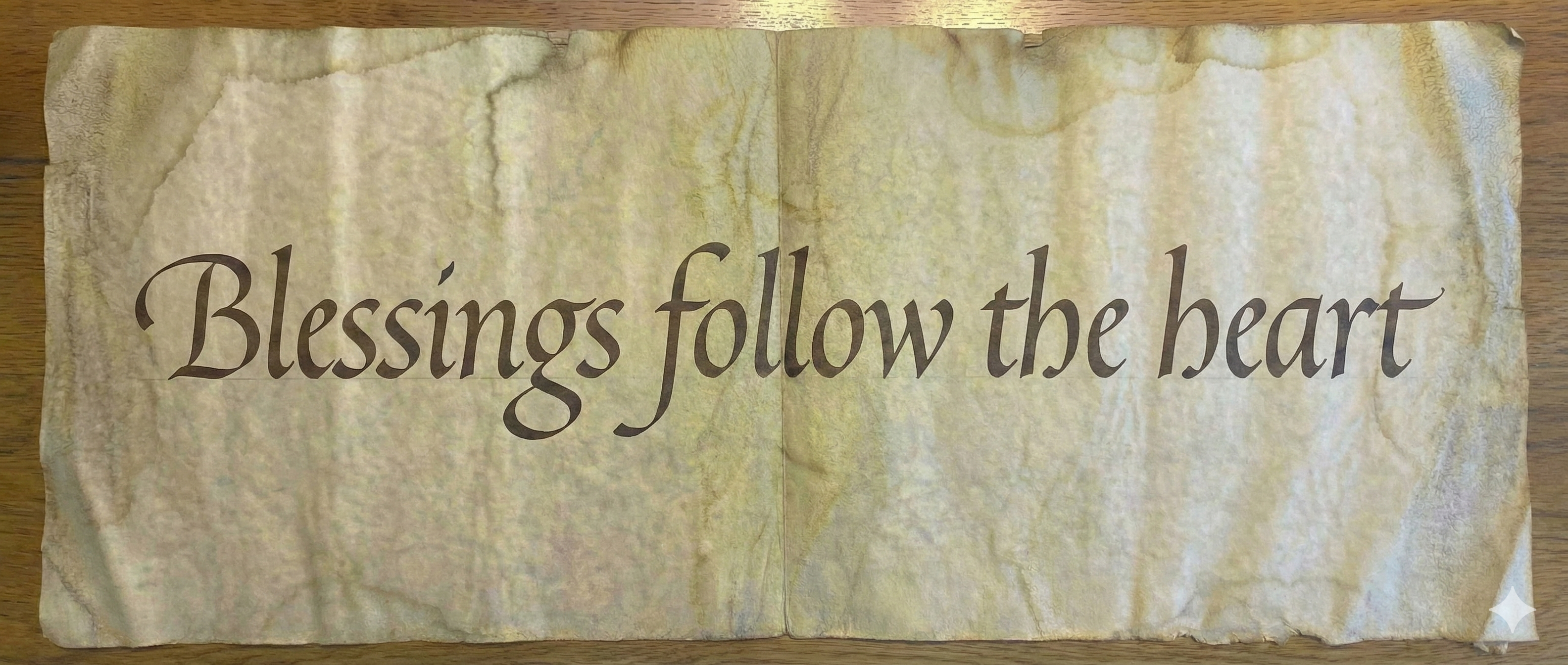
Humanistic calligraphy emphasizes a balanced structure and breath, making it ideal for practicing a stable rhythm during trauma integration.
- Written words:gather · breathe · integrate
- Corresponding Chinese:Gathering, Rest, and Harmony.
- hint:After writing each letter, pause and let your body know: "I am steadily placing the past into the present."“
Lesson 1041: Trauma Integration - Art Guidance
Objective: To visualize fragmented memories and bring them to order on paper.
Steps: Draw a small circle in the center of the paper to represent "now". Then draw several fragments of different sizes around the perimeter, and write a tiny memory clue (color, object, sound, action) on each fragment that you are willing to engage with. Finally, connect these fragments to the center of the circle with soft lines, symbolizing "I am allowing them to come near me, but I will not be swallowed up by them".
Please log in before submitting your drawings and feelings.
○ 1041. Traumatic Memory Integration: Journal-Guided Suggestions
① What is one memory fragment you would like to revisit today?
② What are the two bodily reactions when you approach it? Name them only.
③ What does this fragment resemble? Write a metaphor.
④ Which "anchoring action" did you use today? How did it help you?
⑤ Write a reassuring statement: "The fragments are approaching me, but I am in control."“
⑥ Conclusion: Integration is not about repair, but about allowing the past to find its place in the safe present.
Please log in to use.
When the fragments are placed in the present moment, your life regains its continuity. Integration is how you regain control of your own story.