

Lesson 1088: Strategies for Dealing with Traumatic Triggers and Re-experiencing
Duration:75 minutes
Topic Introduction (Overview):
In complex trauma, being triggered and re-experiencing are often not choices of consciousness, but rather automatic bodily responses to past threats.
A tone of voice, an expression, a certain smell, or a similar scene can instantly transport the body back to the tense state it was in at the time of the trauma: a sudden increase in heart rate, a feeling of heaviness in the stomach, etc.
Numbness in the hands and feet, difficulty breathing, and flashes of clear or blurry images in the mind. It's important to understand that these reactions do not indicate weakness, but rather that the nervous system is still trying to protect you.
This course will guide you from "controlling emotions" to "understanding your body," and from suppressing reactions to rebuilding safety. We will learn a three-tiered strategy: the first tier is preventing triggers from escalating excessively;
The second layer involves maintaining a subtle connection with the present moment during the re-experiencing; the third layer involves gently helping the body cool down after the event. A mandala is not about drawing something, but about observation—observing how the triggers begin and spread.
Watch as your body slowly returns to the present moment through awareness, breath, and soothing. You will learn to transform triggers from a shock into a window into self-understanding.
▲ AI Interaction: What can you do in the first second after the trigger appears?
When you are triggered, your body often reacts first: chest tightness, throat constriction, hand tremors, and rapid heartbeat. At this moment, you don't need to figure out the reason; just recognize: "Oh, I've been triggered."“
Please write down three sentences:
① What am I feeling in my body right now? (For example: It feels like my chest is being grabbed)
② Is my current location safe? (Yes/No)
③ Can I draw my attention back to a "reality that is happening right now"? (Touch the table, look at your feet, listen to ambient sounds)
Click the button below to practice the "Three-Step Grounding Method When a Trigger Arrives" with us.
○ Stabilize the nervous system with music guidance
Choose a piece of music with a stable rhythm and deep, low frequencies, and try tapping your legs or a table with your fingers to bring your body back to the "rhythmic present moment".
With each tap, take a deep breath and say, "I'm here, I'm safe now."“
Note: The goal is not to prevent triggering, but to retain a little control over the process.
🍵 Eastern Healing Teas - 24 Varieties - Calming Longan Black Tea
Recommended reasons:After being triggered, the body and mind feel exhausted, as if suddenly drained of energy. Longan is warming and nourishing, while black tea is invigorating but not overly stimulating, helping to restore energy and a sense of stability.
usage:Remove the shells from 4–6 longans and steep them with black tea for 3–5 minutes. Drink warm. The sweet aroma can help cool the nervous system.
○ Chinese Food Therapy · Soup · Yam, Corn and Pork Rib Soup
Yam strengthens the spleen, corn calms emotions, and pork ribs provide warm physical support, making this a suitable soup for the "post-trigger recovery period".
Among the 40 types of soups in Chinese dietary therapy, this type of soup emphasizes "returning to the body and returning to stability," allowing tension and fear to be slowly relieved in warm food.
Healing Recipes
/home2/lzxwhemy/public_html/arttao_org/wp-content/uploads/cookbook/kao-dou-pei-hei-mai-mian-bao.html(Please confirm that the following has been uploaded: kao-dou-pei-hei-mai-mian-bao.html)
🎨 Dream Mandala Healing · Mi Xiangwen 1088 · "Triggering Ripples"“
In my dream, you were standing beside a body of water when suddenly a pebble fell into the water, and ripples spread rapidly in circles, as if to engulf you.
You instinctively step back, but suddenly realize that the ripples won't hurt you; they just expand and expand, then slowly fade and disperse.
Imagine this scene as a mandala: the center is the moment the pebble falls; the outer ring is ripples; and the outermost layer is the vast expanse where the water eventually returns to calm.
Mandala is not about drawing something, but about observing—observing how the triggers spread, and also observing how peace will slowly return.

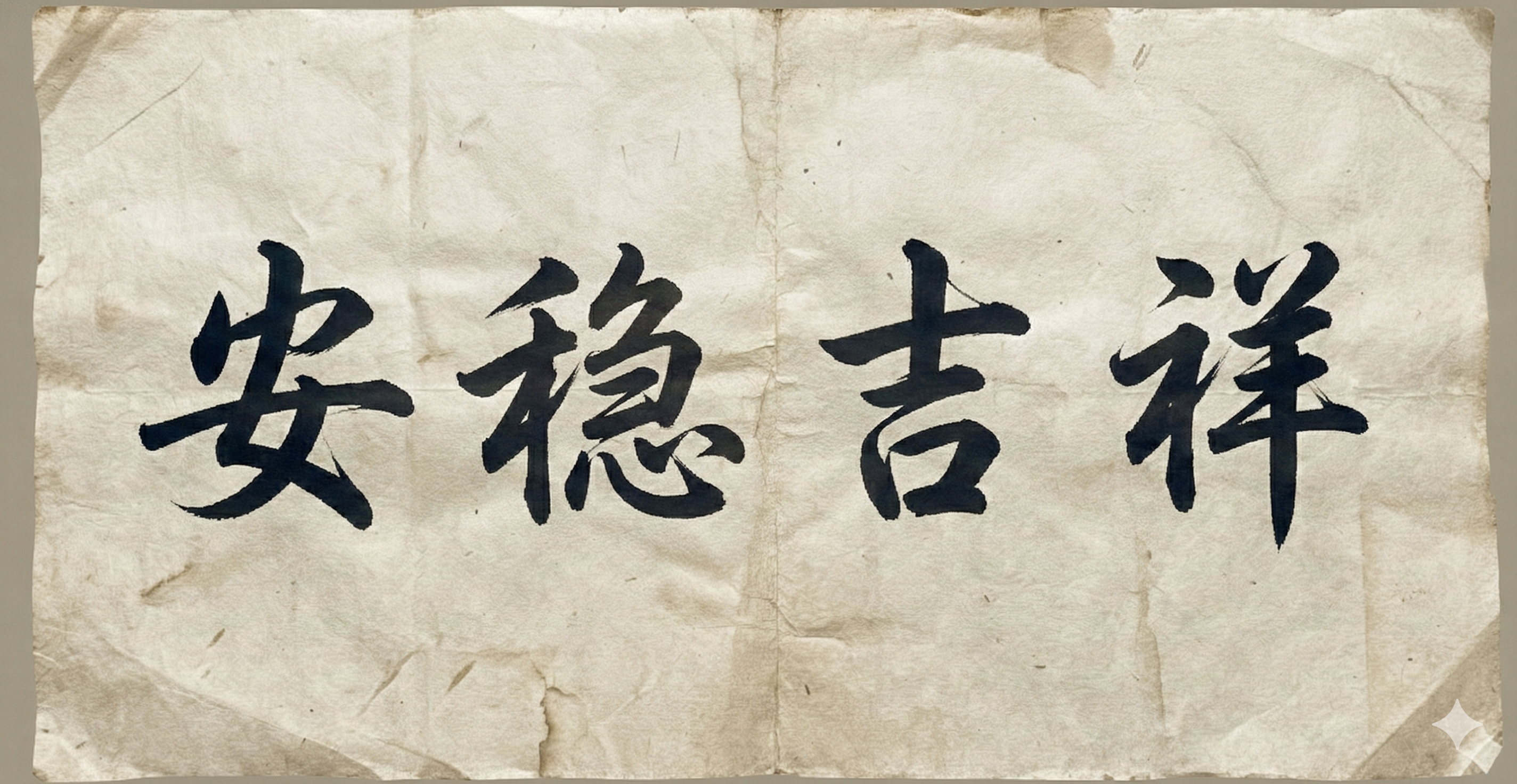
○ Running script writing practice for "The ripples will eventually dissipate"
The fluidity of running script allows you to practice the process of "fluctuation and stabilization" while writing.
- Written words:Waves disperse, heart remains calm.
- English equivalent:Waves fade, the heart steadies.
- hint:When writing the character "波" (wave), the lines can be slightly messy; when writing the character "稳" (steady), deliberately slow down the pace of your strokes.
Lesson 1088: Triggered Ripples - Drawing Guide
Objective: To transform the trigger from "overwhelming" to "observable fluctuations".
Draw a dot in the center of the paper to symbolize the moment of triggering. Then draw concentric circles of ripples spreading outwards: the closer to the center, the denser they are, and the softer they become as they move outwards.
The outermost circle is drawn with almost invisible light lines, symbolizing that "the trigger will eventually fade away." Finally, write the sentence: I am both outside and inside the ripples.
Please log in before submitting your drawings and feelings.
○ 1088. Trauma Triggering and Re-experiencing: Log-Guided Suggestions
① What was your most obvious trigger today? Write down the trigger source (sound, smell, scene, tone of voice, etc.).
② What part of your body reacted first at that time? (Heart, stomach, hands, back)
③ How many "ripples" did you experience from triggering to recovery? Please write down the changes in order.
④ Which grounding action is most helpful to you? Touching an object, taking a deep breath, observing colors? Please write it down.
⑤ Write a sentence to yourself: The trigger is an echo of the past, not a threat in the present.
⑥ Conclusion: Re-experiencing is not a regression, but rather the body's effort to complete the unfinished protective actions.
Please log in to use.
When you understand that the trigger doesn't pull you back, but rather tells you "there are still parts here that haven't been taken care of," you begin to truly grasp the direction of recovery.