

Lesson 1282: Pain Tolerance Basics: Crisis Survival Kit
Duration:75 minutes
Topic Introduction:This lesson will introduce the basic concept of pain tolerance, helping you understand how to "get through" and stabilize yourself during moments of extreme emotional fluctuation, impulsive outbursts, or self-harm urges, rather than making decisions you'll regret later. We'll use a "crisis survival kit" approach, compiling specific methods to temporarily stabilize emotions, reduce tension, and protect relationships and personal safety, including steps such as cooling down intense emotions, distraction, soothing the senses, and self-reminders. Pain tolerance doesn't mean denying your grievances or stopping seeking help; rather, it's about building a temporary protective wall for yourself during the most dangerous minutes or hours, allowing you time to heal your real wounds after the emotional storm has passed.
▲ AI Interaction: Design Your Own Crisis Survival Kit
Think back to the last time you felt like you were about to collapse: maybe it was after being rejected, after an argument, after being ignored, or when you suddenly felt so empty that you didn't want to do anything.
Write down the three things you most want to do at that moment that might hurt you, and mark them next to each other with "Will you regret it afterward?"
Next, please list at least three alternative behaviors that can help you "get through this period," such as: taking a cold shower, listening to a familiar song while hugging a blanket, or sending a simple message to someone you trust most.
Write another "crisis mode phrase" for yourself, such as: "I'm feeling really bad right now, but I'll make sure I'm safe first, and I can deal with other things later."“
In conclusion, the crisis survival kit does not deny pain, but rather gives you an extra way to survive pain.
Click the button below to work with AI to improve your crisis survival kit and design corresponding "transition plans" for different levels of emotional crises, giving you more buffer space during the most dangerous moments.
○ Pain Tolerance · Music Therapy
Please choose a piece of music that is neither too intense nor completely bland and weak. The rhythm can have slight fluctuations, like accompanying you as you walk up a long slope.
When you're on the verge of an emotional breakdown, don't immediately force yourself to calm down. Just press play and let the music act as a thin film between you and your impulse.
Try making some small, repetitive movements to the music, such as gently clenching your fist and then releasing it, or slowly swinging your toes, to give your body a "safe exit".
When the impulse is strongest, you can repeat a sentence in your mind in time with the beat, such as "Hold on for two minutes" or "Listen to this part of the chorus first", to reduce the time from "I can never hold on" to "Just a little bit more".
Music won't solve the problem, but it can help you smooth out the sharpest edges.
Aromatherapy Drinks: Lavender Mint Relaxing Drink
Recommended reasons:Lavender brings a calming and relaxing scent, while peppermint has a refreshing and slightly invigorating effect. The combination of the two can help relax the nervous system a little when under high pressure or on the verge of emotional breakdown. The drink itself is not a medicine, but a gentle "environmental signal" telling the body: it's time to slow down.
usage:Take 2 grams of dried lavender flowers and 3 grams of peppermint leaves, steep in hot water at approximately 90°C for 5 minutes, and drink slowly once the temperature is suitable. It is recommended to drink a small cup before and after practicing pain tolerance, focusing on the aroma, temperature, and the flow of the drink, treating the drinking process as a brief moment of mindful observation.
○ Simple Root Vegetable Warmer (Christian Fasting Style)
Primarily consisting of simple root vegetables, a small amount of whole grains, and olive oil, with light seasonings, this diet avoids excessive frying and high sugar intake, allowing the body to find a balance between warmth and lightness. In the fasting tradition, a simple diet symbolizes returning to one's essence, letting go of excessive pursuits, and preserving a quiet, reliable foundation amidst chaos. For pain tolerance training, this simple yet nutritious diet helps alleviate the extreme swings between overeating and complete loss of appetite, providing a foundation for emotional stability.
Healing Recipes
/home2/lzxwhemy/public_html/arttao_org/wp-content/uploads/cookbook/kani-tofu-ankake.html(Please confirm that kani-tofu-ankake.html has been uploaded)Psychological Mandala
Psychological Healing: Psychological Mandala Imagery 32
At this moment, you don't need to draw anything; simply observe. Slowly focus your gaze on the center of the mandala, noticing how the lines extend outwards in concentric circles, some tight, some loose, much like the contraction and expansion of your emotions. When inner pain surges, don't rush to suppress or erupt; simply whisper in your heart, "I see this power." If you find yourself drifting off or falling into self-blame, gently bring your attention back to a detail in the mandala: an arc, a patch of color, a point of intersection. Remember: the mandala isn't about drawing something; it's about observing. In observing, you practice the ability to say, "I can be here with the pain at the same time."
Please gaze slowly at the mandala three times, each time doing only one thing: breathing, observing, without judgment, allowing the image to become a buffer between you and your impulses.

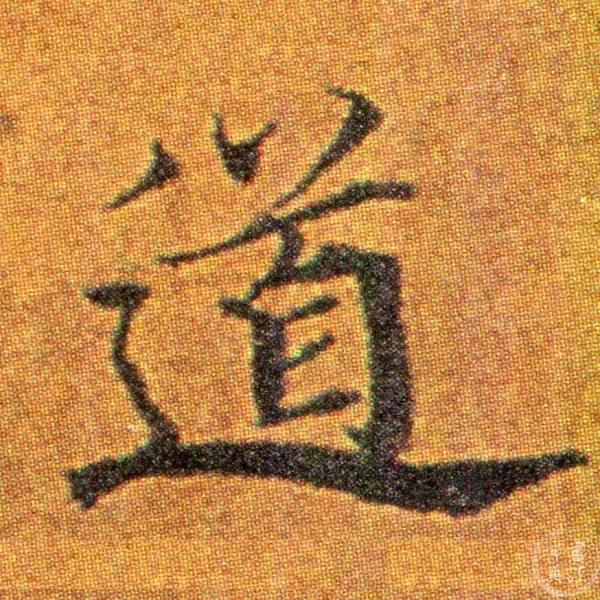
○ Italian Renaissance · Humanist Script
Humanist Script, originating from the Italian Renaissance, features upright characters, clear structure, and even line spacing, emphasizing readability and balance. It retains the solemnity of classical writing while possessing a gentle humanistic touch, like a calm yet firm voice saying to the chaotic parts of one's heart, "I am here."“
- Sentence writing:
- I will survive this moment.
- I will get through this moment.
- Writing Tips:
- When practicing Humanist Script, try to keep the height and spacing of each letter as consistent as possible, as if you're building a neat row of "mental pillars" for yourself. When you feel like giving up the most, write down "I will survive this moment" stroke by stroke, narrowing your focus from "it will always be like this" to "just get through these few minutes."







○ Pain Tolerance: Guiding Suggestions for Art Therapy
This course uses art therapy to transform the concept of a "crisis survival kit" into visual images, helping you see your pain, impulses, and will to survive on paper. The drawing process does not pursue aesthetics, but rather allows you to observe the intensity, distance, and changes of emotions with each stroke, finding more concrete support for "first and foremost, surviving."
I. Emotional Storm Radar Chart
- Draw a circular radar and divide the circle into several quadrants: anger, sadness, emptiness, fear, shame, etc.
- Based on the intensity of the most recent crisis, draw color blocks of varying distances from the center in the corresponding quadrants, with the outermost blocks representing higher intensity.
- After completing the task, step back and observe which emotion most frequently reaches the edge of the "storm circle".
II. Safety Object Map
- Draw a small icon symbolizing "me" in the center of the paper, and draw several objects representing a sense of security around it, such as a blanket, a cup, a book, and a notebook.
- Connect yourself to these objects with lines, and write a short phrase next to each line: "It reminds me of..." "I am more present when I use it."
- This image can serve as a visual reference when designing a physical crisis survival kit.
III. The Path from Impulse to Buffer
- Write down one of your common impulsive behaviors on the left side of the paper, such as self-harm, throwing things, or suddenly blocking everyone.
- Write down your ideal, gentler alternative on the right side of the paper, such as contacting someone you trust, writing in a journal, or lying down and listening to music.
- Draw a path in the middle and use three or four small icons to represent buffer steps, such as "wash your face with cold water", "hold an ice cube", "listen to a song", and "write a sentence".
- Remind yourself: You don't need to get to the right in one step. Just getting to the small icon in the middle is already progress.
Friendly reminder: If you feel overwhelmed by emotions while drawing, please allow yourself to stop, drink some water, stand up and walk around a few steps, or temporarily leave the picture. If you experience persistent suicidal thoughts or real danger, please contact local professional resources or emergency services first. Drawing and practice can never replace necessary safety precautions.
Please log in before submitting your drawings and feelings.
○ 1282. The Basis of Pain Tolerance: Journal-Guided Recommendations
① Record the most recent situation in which you felt "about to collapse". Write down what happened, where you were, and what you were thinking at the time.
② Describe the three most noticeable physical reactions at that moment, such as: heartbeat, breathing, muscle sensations, or sensations in the stomach or head.
③ Write down the three impulsive actions you most wanted to do at that moment, and mark the degree of "short-term comfort/long-term regret" next to them.
④ List at least three alternative actions that can be included in the crisis survival kit, provided that they can be started within 10 minutes.
⑤ Write yourself a crisis mode self-reminder, such as: "I'm feeling really bad right now, but I'll make sure I'm safe first."“
⑥ Conclusion: Please write a sentence to record one of your insights from today about "getting through the present moment" rather than "solving all problems immediately".
Please log in to use.
In moments of heightened emotion, give yourself more time and space to ensure safety.