

Lesson 1321: When the world is too chaotic, I need some gentle, steady rhythm.
Duration:75 minutes
Topic Introduction:
For children and adolescents with Disruptive Mood Disorder (DMDD), "chaos" isn't the disorder seen by outsiders, but a sense of oppression that rushes in from the outside: too loud, too many people, too fast-paced, too many demands, too sudden instructions… each one feels like it's pushing you out of your safe haven. This course focuses on rebuilding "rhythm"—not metronome-like discipline, but a gentle, consistent, and predictable rhythm of life, allowing your brain and emotions to find a foothold amidst the chaos. We'll guide you to understand why a life lacking rhythm makes emotions more prone to exploding, why sudden changes can cause you to lose control instantly, and why "I'm just too tired, too full, too noisy" is often misunderstood as "You're throwing a tantrum again." This course will combine the calming energy of Eastern healing tea, the nourishing symbolism of Chinese soups, the stable strokes of Chinese calligraphy, and the breathing rhythm of "a mandala is not about drawing something, but about observing," allowing you to practice establishing your own "gentle anchor point" in a changing world.
▲ AI Interaction: Write down "What are the fixed points in my day?"“
Please list the three times of day when you feel most confused (e.g., when you wake up in the morning, when you change classrooms, after school, before meals, and before bed).
Write a sentence under each time period: "If there is a fixed rhythm here, how long do I need it to be?" For example: I need to prepare mentally 5 minutes in advance, I need a space where I won't be rushed, and I need to know what the next step is.
Choose a time period that you most want to change, and write down an "actionable rhythm point," for example:
“"Take two deep breaths before changing classrooms," "Drink three sips of warm water before eating," and "Listen to the same piece of music before going to bed."
Click the button below to create your "first gentle rhythm line" in life with AI.
○ Gentle Rhythms · Music Therapy
Rhythm is the "handrail" of emotions. When the world is too fast and you are too chaotic, a piece of music with a slow rhythm and a clear repetitive structure is like pressing the "back to the beginning" button for you.
Please play a piece of music with a steady rhythm; don't aim for emotional impact—aim for predictability.
Let your breathing sway gently with the music, and use the music to remind your brain: the rhythm can be slow, light, and gentle; you don't always have to be in a rush.
○ Eastern Healing Tea: Astragalus and Red Date Calming Tea
Recommended reasons:Astragalus replenishes qi, while red dates soothe the mind, helping to restore a sense of stability after emotional depletion. It's suitable as a "reboot point" during a chaotic day.
usage:Steep 3g of astragalus root and 2 red dates (cut open) in 95°C hot water for 6 minutes. While drinking, focus on the aroma of the tea and silently repeat, "I don't need to get better immediately, I just need a stable period."“
○ Lotus Seed and Lily Bulb Soup for Calming the Mind (Chinese Dietary Therapy - Soup)
Both lotus seeds and lilies have traditional uses for calming the mind, purifying the heart, and stabilizing emotions.
For children who are prone to outbursts and easily overwhelmed by chaos, this type of soup is not just about nutrition, but also about rhythm:
——warm
Slow
—— Soft
—Predictable
The process of taking each spoonful into your mouth is like telling your body: "No need to rush, no need to hurry, no need to fight."“
Let the temperature of the soup establish the gentlest, most consistent rhythm of your day.
Stable rhythm
Suitable for emotionally sensitive people
Healing Recipes
/home2/lzxwhemy/public_html/arttao_org/wp-content/uploads/cookbook/xiang-liao-jian-san-wen-yu.html(Please confirm that the following has been uploaded: xiang-liao-jian-san-wen-yu.html)
Psychological Mandala (Viewing)
Psychological Healing: Psychological Mandala - 72 Thoughts
A mandala is not something you draw, but something you look into.
When you gaze at the center of the mandala, try to feel the rhythm inherent within it:
—From the inside out
—Slowly spreading
—Layer by layer stability
Just like the pace of life you're learning.
If you feel the world is too fast, too noisy, or too chaotic right now, focus your gaze on one of the outer lines and watch how it circles around, stroke by stroke, reminding you:
“"I can gradually stabilize myself."”
Watching itself is a way to practice rhythm.

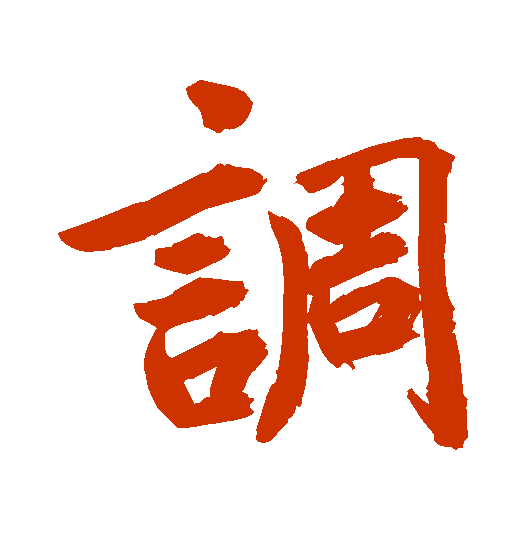
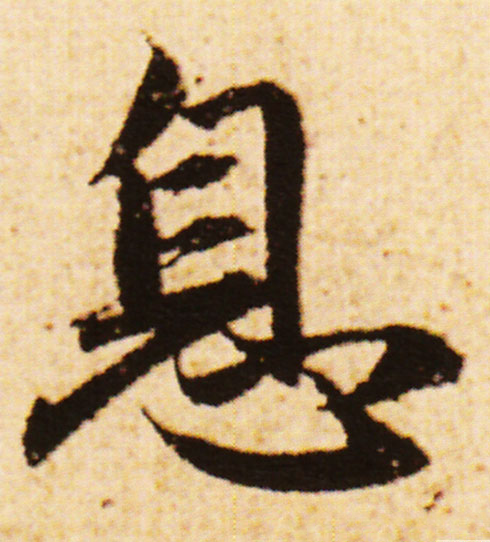
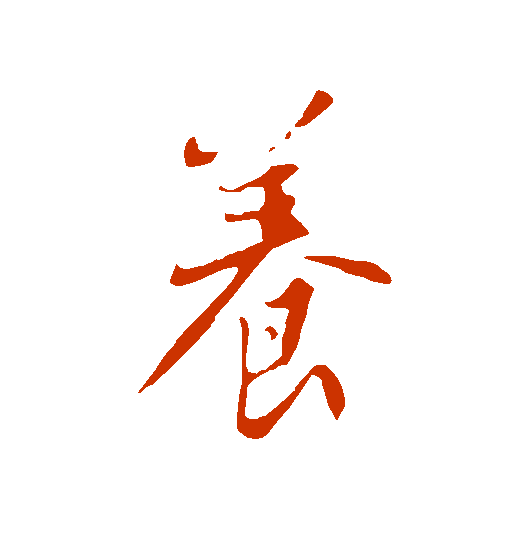
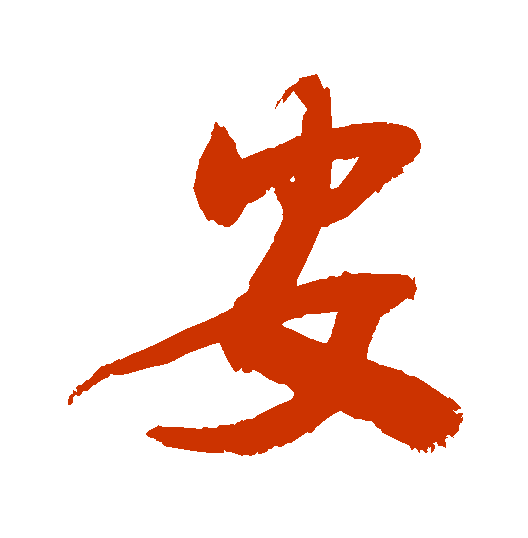
○ Chinese Calligraphy - Clerical Script (Practice for a stable rhythm)
The horizontal strokes of the clerical script are wide and have a steady, undulating quality, as slow and substantial as breathing.
By writing in the clerical script, you will experience a rhythm that is "unhurried, orderly, and weighty," making it perfect as an exercise for stabilizing your emotions throughout the day.
- Sentence writing:
- The rhythm is slowly bringing me back.
- The rhythm helps me return to myself.
- Writing Tips:
- Each stroke should be done a little slower than your usual speed;
Each vertical stroke should be a little more steady than your usual strength.
You're not writing; you're training your "emotional pace."




○ Returning to "Rhythm" in Painting Therapy
When your mind is cluttered with confusion, what you need isn't explanation, but a simple, repetitive, predictable action. Drawing is one of them.
I. Breathing Ripple Diagram
- Draw a circle in the center of the paper.
- Starting from the center of the circle, expand outwards in concentric circles, like breathing: draw one circle when you inhale, and draw one circle when you exhale.
- Observe after drawing for 3 minutes: Has your heart rate slowed down? Has the feeling of confusion lessened?
II. Fixed Rhythm 1-2-1 Line Practice
- Draw a long line (1), two short lines (2), and then another long line (1).
- Repeat 10 sets, maintaining the same frequency and intensity.
- This is a symbol of "rhythm encore": you can create your own order from chaos.
Please log in before submitting your drawings and feelings.
○ 1321. Gentle Rhythm · Log Guidance Suggestions
① Write down the three times of the day when you are most likely to lose control, and describe how your body feels at those times.
② List the fixed rhythm you need most (e.g., advance preparation, quiet space, temperature, time structure).
③ Complete the sentence: "When the world is too chaotic, my body is actually calling for help; it's telling me—"“
④ Write a sentence that you would like to add to your life starting today: "I would like to give myself at least one fixed time every day so that I can slowly come back to myself."“
Please log in to use.
The world may still be fast-paced and chaotic, but your life can start to have a little bit of its own rhythm from today onwards.
That little bit will slowly bring you back from the storm.