

Lesson 1392: Eliminating Sleep Deprivation Syndrome
Duration:60 minutes
Topic Introduction: This course focuses on "ruling out sleep deprivation syndrome," which means determining whether you are chronically sleep-deprived before assessing narcolepsy or unexplained daytime sleepiness. Many people believe they have "slept eight hours enough," but in reality, they go to bed late, sleep intermittently, or fall asleep under high stress, resulting in extremely low sleep efficiency. Others mistakenly attribute short-term stress, continuous work, or jet lag fatigue to "narcolepsy." This course will teach you to assess whether you still fall into the category of "recoverable with sleep" or have exceeded the typical explanation for sleep deprivation by observing your sleep volume, sleep continuity, sleep rhythm stability, and whether you have been catching up on sleep or repeatedly waking up late over the past two to six weeks. We will also remind you that at least two weeks of sleep tracking and lifestyle adjustments are necessary before a narcolepsy assessment, along with herbal teas, Ayurvedic spiced chicken breast, mandala visualization exercises, and medieval Gothic calligraphy to help you maintain mental and physical stability and clarity during the assessment process.
How to determine if you have "sleep deprivation syndrome"?“
- Sleep volume assessment:Have you consistently slept less than 6–7 hours on average over the past two weeks?
- Restorative observation:After catching up on sleep for two to three consecutive days, does your drowsiness decrease significantly? If so, it's likely due to insufficient sleep.
- Disruption of rhythm:Do you often experience "accumulated fatigue" due to disrupted circadian rhythms caused by staying up late, work, and stress?
- Daytime performance:The fatigue caused by lack of sleep is more related to decreased attention, irritability, and slowed movements than to sudden sleep onset or sleep attacks.
- Exclusion principle:If severe sleepiness persists even after catching up on sleep, it is necessary to consider narcolepsy, sleep-disordered breathing, or other neurological problems.
▲ AI Interaction: Am I really a heavy sleeper, or am I just chronically sleep-deprived?
Understanding this is crucial to determining whether you need further sleep medicine testing. Don't rush to label yourself; just write down the facts first.
Step 1: Review your sleep timeline over the past two weeks, including bedtime, wake-up time, total sleep duration, and whether you took naps.
Step Two: Write down your sleep volume during the three days of "free sleep". Did you naturally sleep longer? Did you recover significantly?
Step 3: Write down your behavior and emotions when you are most sleepy during the day, and observe whether they are related to the amount of sleep or to other factors such as stress, circadian rhythm, and diet.
Click the button below to let AI help you integrate patterns, assist you in determining whether "drowsiness is mainly caused by insufficient sleep," and generate an analysis summary that can be shared with professionals.
○ Eliminating Sleep Deprivation: Music Therapy
When you suspect you are accumulating sleep debt, music can be a small experiment to observe your body's reactions.
Exercise 1: When you feel mentally fatigued, play some slightly upbeat music while doing some light physical activity. Observe whether you regain some alertness within a few minutes.
Exercise 2: If listening to the same music does not significantly improve the condition the day after catching up on sleep, you can mark it in your diary as "drowsiness not determined by the amount of sleep".
Exercise 3: Use consistent, soft music before bed to help the nervous system enter a more stable sleep pattern, thereby improving the "effectiveness" of nighttime sleep.
In conclusion, music is not a diagnostic tool, but it can help you observe whether your body has a significant response to "catching up on sleep," which is an important clue to rule out sleep deprivation.
○ Herbal tea healing drink
Recommended drinks:Verbena and Mint Stress-Relieving Tea
Recommended reasons:If your fatigue stems from long-term stress and a delayed sleep rhythm, this refreshing and gentle herbal tea can help relax and stabilize your rhythm, making it easier for your body to enter deep sleep at night.
usage:Steep 2 grams of verbena and a suitable amount of mint in hot water for 4–6 minutes. It is recommended to drink this after dinner or 1 hour before bedtime, accompanied by a few minutes of gentle breathing exercises.
○ Ayurvedic spiced chicken breast – helps distinguish between "fatigue-related drowsiness" and "sleepiness-related drowsiness".“
Spiced chicken breast, seasoned with a combination of turmeric, cumin, cardamom, and pepper, provides sustained and stable energy, reducing the "false drowsiness" caused by blood sugar fluctuations. If daytime drowsiness persists despite stable energy intake and adequate sleep, there is more reason to suspect narcolepsy or other sleep disorders than simply sleep deprivation.
○ Theme Mandala - Viewing Guide
This mandala is composed of two distinct "fatigue structures": the outer ring features a chaotic, discontinuous pattern with scattered color blocks, symbolizing fragmented fatigue caused by sleep deprivation; the inner ring is a deeper, richer, but evenly darker tone, representing drowsy fatigue where "no matter how much you sleep, you can't feel energetic." At the center is a faint but clear halo, symbolizing that your awareness is becoming sharper and calmer.
Simply observe: First, move your gaze to the outer circle, feeling the disarray brought on by "compressed sleep"; then slowly move to the inner circle, observing the deeper, more persistent drowsiness. Finally, stop at the central halo and gently affirm to yourself: "I am willing to distinguish between different types of drowsiness, rather than blaming myself for mixing them together."“
Applicable issues:People who experience chronic fatigue but are unsure of the cause, are afraid of whether their condition is "very serious," and find it difficult to determine whether they need to undergo a sleep medicine evaluation.
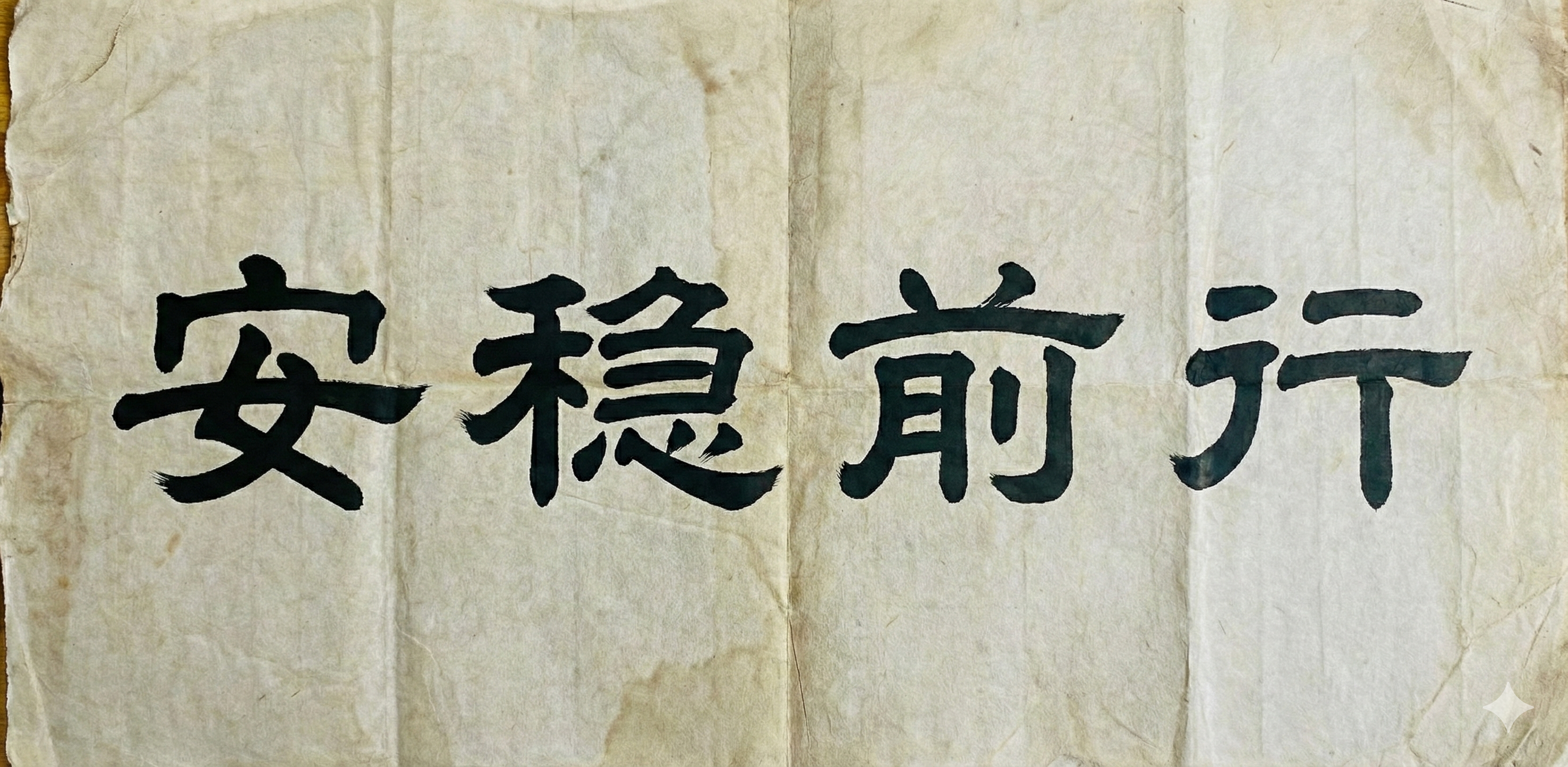
○ Medieval Gothic calligraphy practice
The process of eliminating sleep deprivation requires steady, patient, and precise observation. The strong structure and distinct rhythms of Gothic form symbolize that you are building clearer judgment for yourself.
Practice sentences:
“"I'm trying to figure out the source of my drowsiness."”
I am clarifying the source of my sleepiness.
Please write using the compact structure of Gothic script, imagining each vertical line as a small pillar supporting your thinking. Next to each sentence, write down an observation from today, such as: "Significant improvement after catching up on sleep" or "Still feeling heavy after catching up on sleep," to provide clues for future evaluations.
○ Excluding Sleep Deprivation Syndrome: Guiding Suggestions for Art Therapy
This page uses illustrations to help you distinguish between two seemingly similar but actually different types of drowsiness: "not getting enough sleep" and "excessive sleepiness," allowing you to find a clearer balance between emotion and reason.
1. Draw your "sleep debt stacking diagram".“
- Draw five to seven small squares on a piece of paper to represent the past week.
- Use light colors to indicate the duration of your sleep each night, and write down how you feel next to it, such as "I feel dizzy when I wake up" or "I feel refreshed".
- Observe whether there is a trend of "long-term insufficiency" or "compression over several consecutive days".
2. Draw the "change curve after catching up on sleep"“
- Draw a curve from left to right: the left side represents before catching up on sleep, and the right side represents 1–3 days after catching up on sleep.
- The curves indicate daytime drowsiness, changes in attention span, and mental clarity.
- If the curve rises significantly after catching up on sleep, it usually indicates sleep deprivation; if there is almost no improvement, further evaluation for narcolepsy or other sleep disorders is necessary.
Note: Excluding sleep deprivation is not to deny your fatigue, but to help you break free from vague drowsiness and move on to the next step of assistance and diagnosis with clearer information.
Please log in before submitting your drawings and feelings.
○ 1392. Exclusion of Sleep Deprivation Syndrome: Journal-Guided Suggestions
① Write down your total sleep duration for the past week (this can be approximate) and mark which days you experienced significant sleep deprivation.
② Describe the changes in mental state during the day 1–2 days after catching up on sleep, and observe whether the improvement is significant.
③ Write down the three times you felt most tired in the past two weeks and record whether they were directly related to lack of sleep.
④ Summarize today's assessment in one sentence: "More like sleep deprivation / Maybe not sleep deprivation", and write down the next steps, such as improving the rhythm or considering further evaluation.
Please log in to use.
Once you've ruled out sleep deprivation, you've opened a new door to a more accurate and gentler understanding of yourself.