

Lesson 1416: Physical and Mental Reactions to Chronic Stress
Duration:60 minutes
Topic Introduction: This course focuses on the profound impact of chronic stress on the body and mind. Many people experience stress not from a single instance, but from prolonged periods of tension, gradually putting their bodies into a "chronic overload mode." Chronic stress leads to persistently elevated cortisol levels, affecting sleep, the immune system, the digestive system, muscle tone, and pain sensitivity, ultimately resulting in various discomforts: fatigue, weakness, dizziness, changes in appetite, digestive disorders, mood swings, decreased concentration, and hypersensitivity to bodily sensations. These physical and mental reactions are not signs of "damage," but rather the body's way of telling you that you're overloaded. This course will guide you through understanding how chronic stress alters your body's rhythms and help you find the keys to recovery: regular sleep, a gentler lifestyle, emotional regulation, and reducing monitoring and self-criticism. You will learn how to gradually pull your body out of this "chronic overload mode" and return to a stable, sustainable state.
○ Physical and mental response patterns to chronic stress
- Physiological exhaustion:Overuse of the sympathetic nervous system leads to persistent fatigue and drowsiness.
- Brain fog and cognitive decline:The brain prioritizes conserving energy, thus reducing focus and memory abilities.
- Increased bodily sensitivity:Minor sensations are amplified, leading to incorrect interpretations of "physical abnormalities."
- Emotionally volatile or empty:The nervous system under prolonged pressure often oscillates between "irritability" and "numbness".
[arttao_Healing_Course_tts_group1416_1420]
▲ AI Interaction: What signals does your body send out under stress?
Write down three moments from the past two weeks that made you feel like your body "couldn't take it anymore".
Write down the more likely explanations behind these three experiences (stress exhaustion, rather than illness).
Write another sentence to support yourself: "I'm tired, not broken."“
○ Music therapy for stabilizing physical and mental exhaustion
Exercise 1: Play a fixed, slow-paced melody as a "stop signal" for your body.
Exercise 2: Let your breathing follow the slow rhythm of the music, rather than the rhythm of your anxiety.
Exercise 3: When feeling drowsy and confused, use music to guide your body from tension to a relaxed state.
○ Herbal tea healing drink
Recommended drinks:Lavender & Licorice Soothing Tea
Recommended reasons:It helps the tense nervous system to relax and prevents fatigue from being mistaken for an illness.
usage:Suitable for drinking when you are "tired and tense" to restore a sense of mini energy.
○ Christian Fasting and Dietary Therapy: A Method for Reconstructing Body and Mind Rhythms
Prolonged stress puts the body in a high-consumption mode, while a light, fasting diet can help the system get rid of "overload" and restore rhythmic clarity. Fasting is not the same as starvation, but rather a simplification of the diet to allow the body to regain a "light, steady, and clear" rhythm, thereby reducing stress-induced drowsiness and mental fog.
Reconstructing rhythm
Stabilize nerves
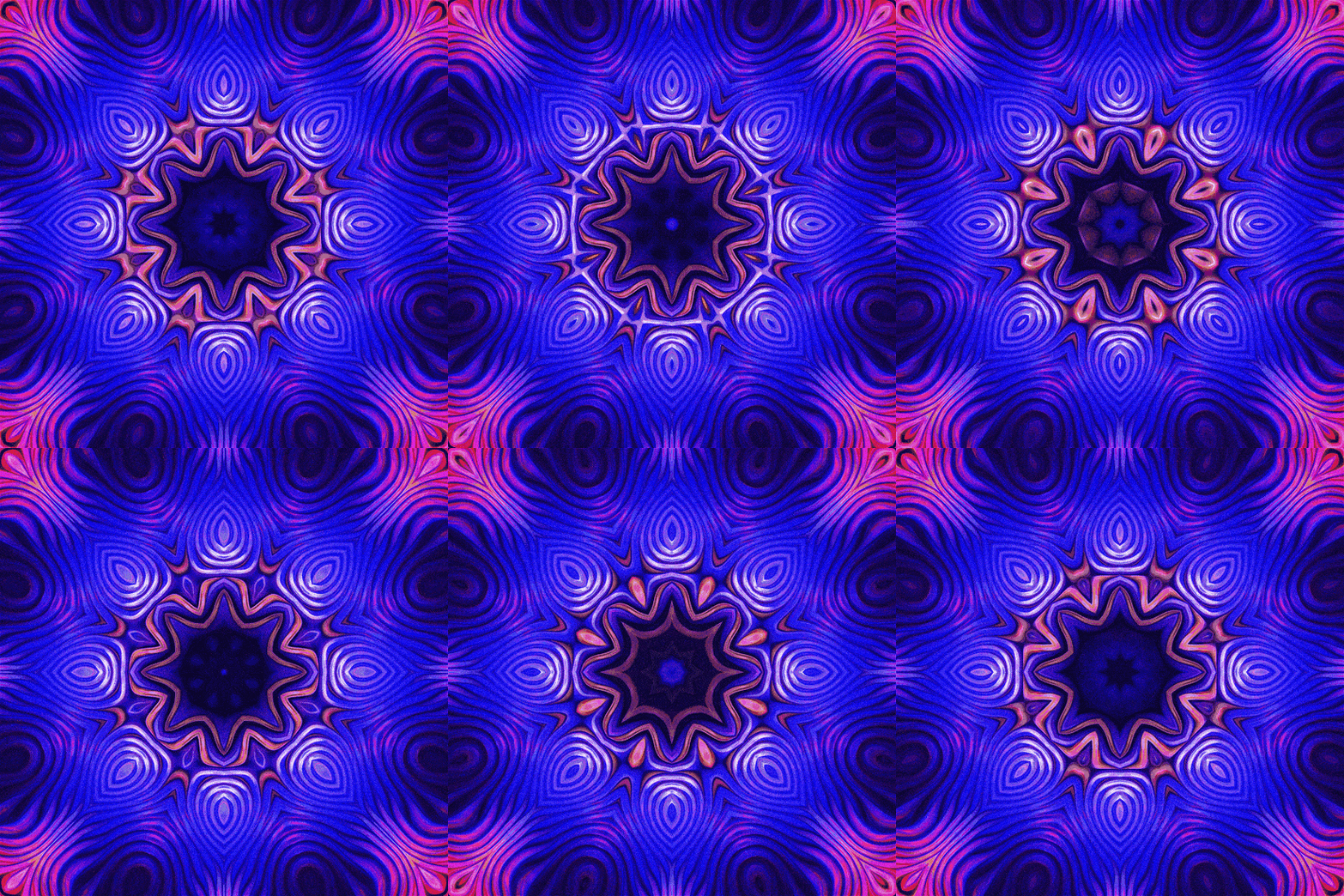
○ Theme Mandala - Viewing Guide: Tranquility After Exhaustion
The fading of the outer ring symbolizes the depletion of energy, while the gradual transition to a stable dark color towards the center symbolizes restoration and focus.
Please watch quietly, without analysis or comparison, and let your vision guide you from the feeling of being oppressed back to the feeling of being able to bear it.
Target:Shift your focus away from stress and return to your body's natural rhythm.
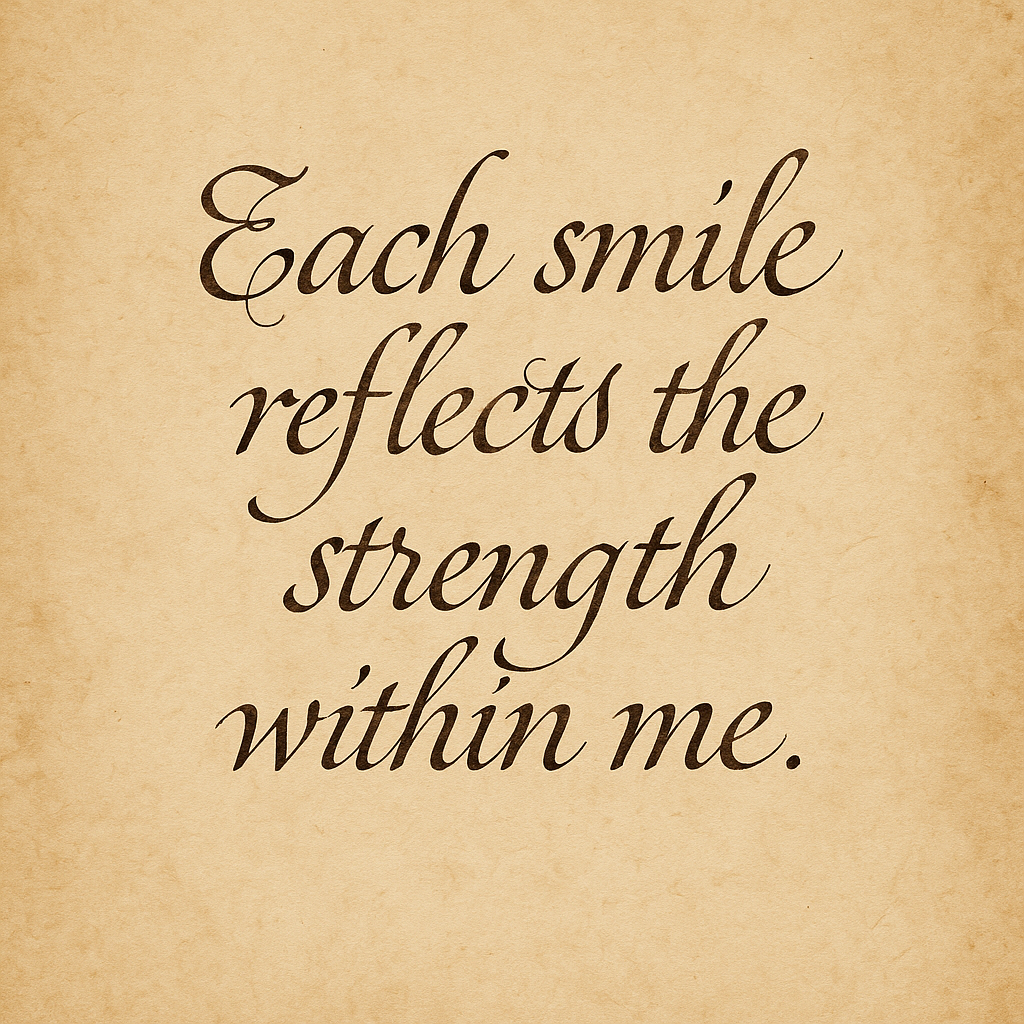
○ Medieval Gothic calligraphy practice
The solid vertical lines symbolize "the power to stand up again".
Practice sentences:
“"Exhaustion is not failure."”
Fatigue is not failure.
Each time you write, it symbolizes that you are recovering a bit of strength from exhaustion.
○ Long-term stress "energy dissipation diagram" · Guided art therapy
Painting allows you to see how stress slowly drains your energy, making you more willing to establish a recovery rhythm for yourself instead of continuing to force your body to endure.
1. Draw a "Daily Energy Curve".“
- Draw the energy lines of a day from morning to night.
- Observe when energy drops sharply and when it "holds on".
2. Draw the "Restore Window"“
- Use different colors to mark the times when you can rest and relax on the map.
- The act of "allowing oneself to recover" itself is a form of healing.
Once the energy chart is visible, you will no longer mistakenly believe that your "sudden drowsiness is due to illness."
Please log in before submitting your drawings and feelings.
○ 1416. Long-term stress - journaling guidance
① Did you experience a sudden drop in energy today? Describe the scenario.
② Is this fatigue more likely due to stress than illness? Write down your reasons.
③ Write down a gentle sentence of permission: "I don't need to force myself anymore."“
Please log in to use.
Only when stress is recognized can the body have a chance to restore its true energy.