

Lesson 1437: The Correct Way to Record Symptoms
Duration:60 minutes
Topic Introduction:
This lesson focuses on "how to correctly record physical symptoms," because the most common problem encountered by many clients with somatic symptom disorder is: the more they record, the more anxious they become; the more detailed their writing, the more they feel that "nothing is right" about their body; and frequently checking their records actually strengthens their vigilance over the symptoms, keeping their brain constantly in surveillance mode. In fact, the task of recording symptoms is not to "collect all discomfort," but to help you establish a more stable, objective, and structured way of observation, allowing you to shift from "being led by symptoms" to "I am observing symptoms."
The correct way of recording emphasizes three core principles: ① Record within a limited time, not at any time; ② Record trends, not every single detail; ③ Record the impact, not the fear.
This course will guide you on how to observe your body in a more scientific and psychological way. For example, you'll learn to use a three-column structure of "symptoms-situation-emotion," use fixed recording periods, train your descriptive language to avoid catastrophizing, and gradually help your brain withdraw from over-monitoring. Recording is a training exercise, not a task of supervising your body; as you learn to record more gently, your body's alertness will gradually decrease.
Error logging vs. correct logging
- Error log:Recording all day → Over-monitoring → Over-amplification in the mind.
- Correct record:1-2 times a day → Focus on trends → Help establish stable judgments.
- The key point is not "whether there are symptoms", but "what it affects".
[arttao_Healing_Course_tts_group1432_1437]
▲ AI Interaction: Create Your Record Template
Question 1: What aspects of your current recording methods constitute "over-surveillance"?
Question 2: If you could only record once a day, which trend would you most like to observe?
Question 3: Please write a one-sentence description of stability, such as: "My symptoms today are tolerable."“
○ Music guidance reduces tension during monitoring
Playing soft, slow-paced melodies helps the brain enter a "viewing rather than scanning" mode.
Music can help you stabilize your emotions before writing, preventing your words from being filled with panic.
○ Eastern Healing Tea: Ginseng and Jujube Warming Tea
effect:It replenishes Qi and warms the spleen, stabilizes the gastrointestinal system, and has a gentle soothing effect on chest and abdominal discomfort, fatigue, and palpitations caused by tension.
○ Healing Soup: Astragalus and Longan Spleen-Strengthening Soup
When the body is weak and energy is low, symptom records often turn into "searching for problems".
Once your spleen and stomach are nourished and your energy is stabilized, you can observe your body in a more objective and calm way.
This soup is mild and nourishing, calming and soothing, making it suitable for the transition period when training for "correct recording".
Calm the mind and soothe the nerves
Strengthens the spleen and stomach
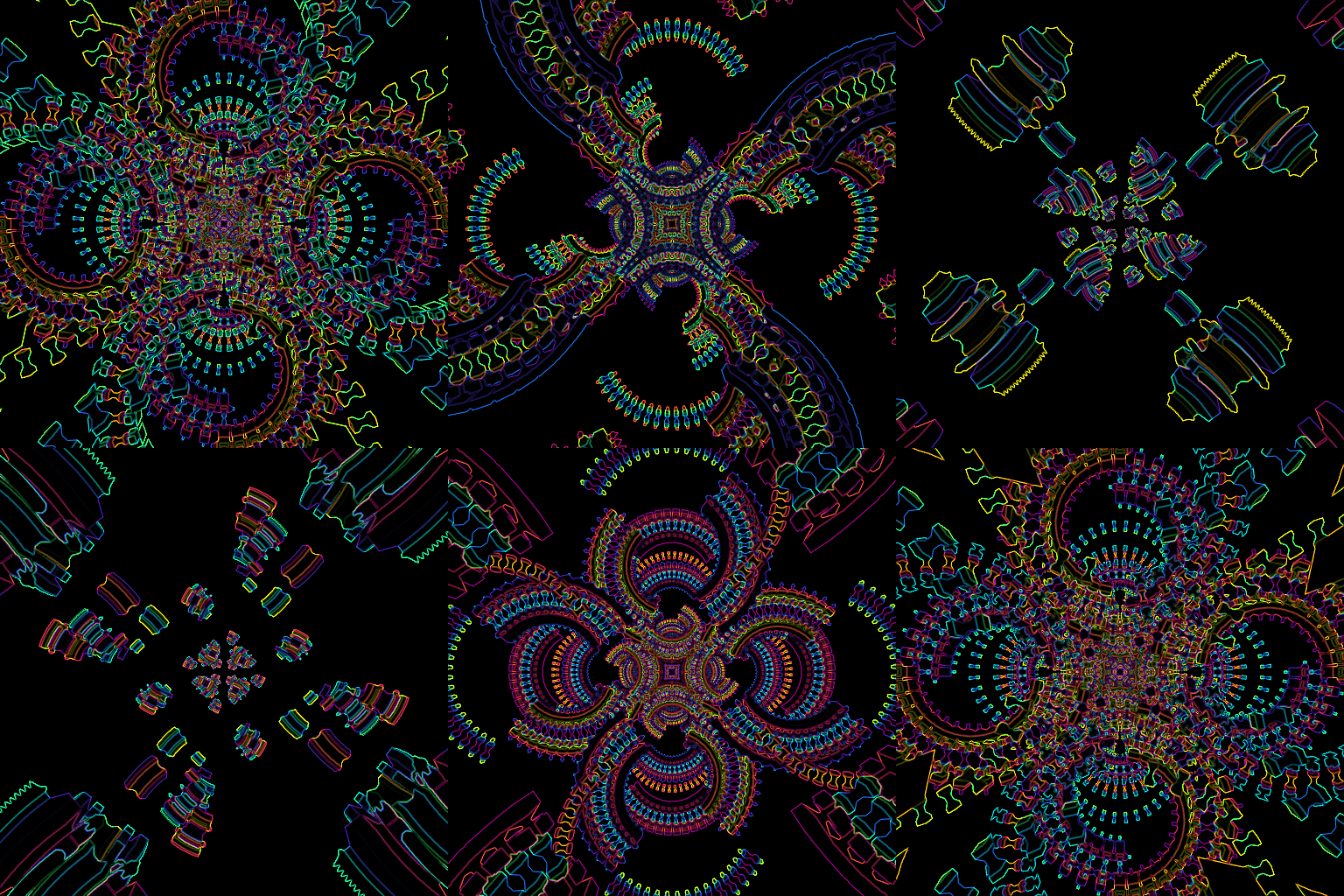
○ Mandala Viewing: The Flow of Trends
A mandala is not about drawing something, but about observing it.
By carefully observing the gradual change from the outer circle to the inner circle, you will find that:
Not every line needs to be "recorded".
What really matters is the overall rhythm, pattern, and trend.
View your body in the same way—focus on the whole, not every small fluctuation.
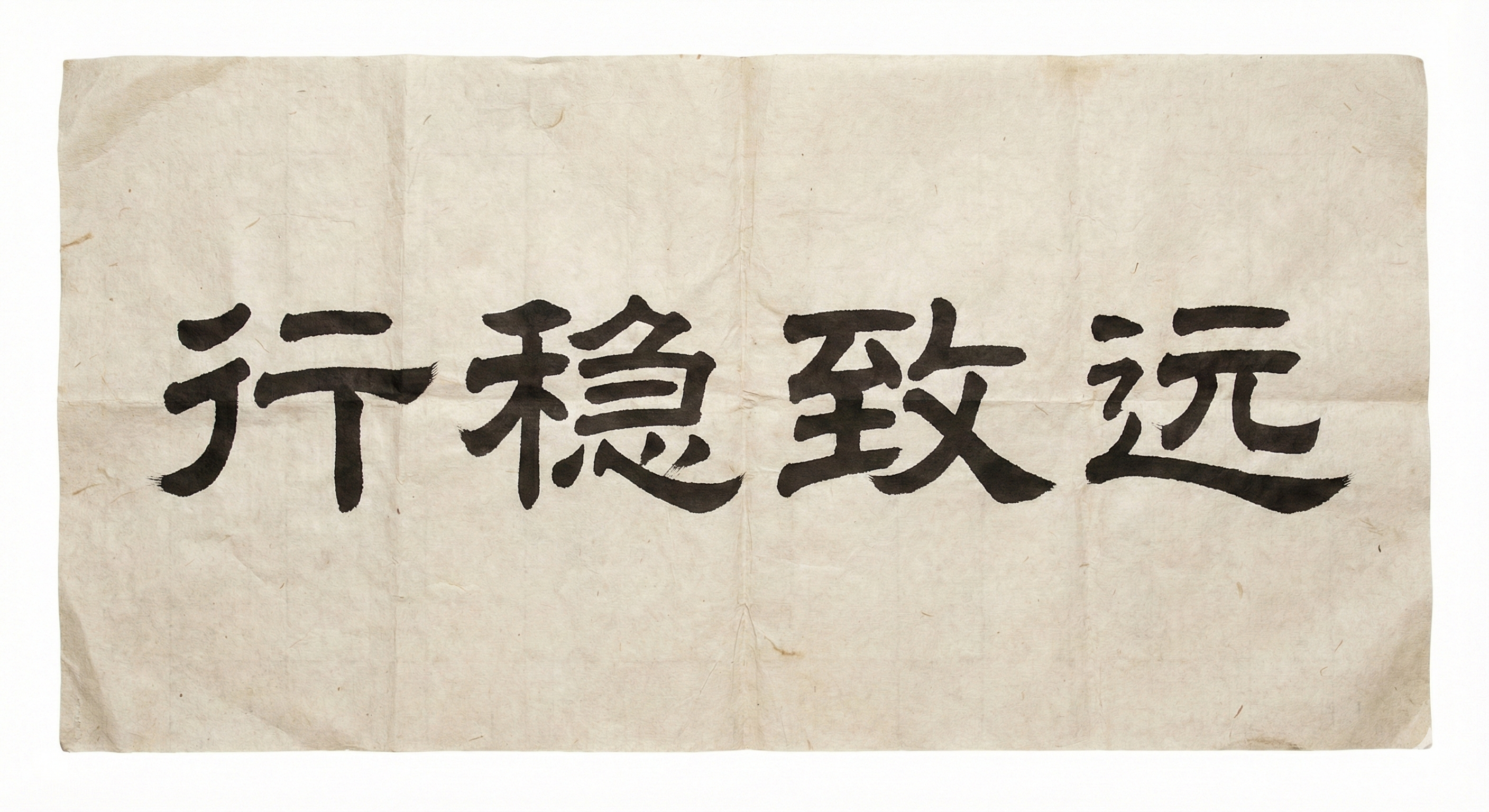
○ Chinese Calligraphy - Regular Script Practice: Use stable characters to write about a stable self.
The clear structure of regular script helps the brain establish a sense of order.
It helps you avoid getting confused, fearful, or overly detailed when documenting your body.
Experience in writing that "I can observe steadily, without being led astray".
Practice sentences:“"Only record trends."”
○ Accurate Recording: Trends and Influences - Art Therapy
Through drawing, you can practice letting go of the "symptom details" and seeing the "symptom trends".
Trends can bring a sense of control, while monitoring details only amplifies anxiety.
1. Draw the "trend curve"“
- Draw a long, gently undulating line to symbolize the natural fluctuations of a day.
- Don't label every fluctuation; only label the three key points you observe.
II. Draw the "Influence Levels"“
- Circle the "level of impact on life": slight, moderate, high.
- It allows you to see the true impact of the symptoms, rather than the imagined danger.
Once you learn to read trends, you will no longer be intimidated by every fluctuation.
Please log in before submitting your drawings and feelings.
○ 1437. The Correct Way to Record Symptoms: Journaling Guidance
① Write down three behaviors that you are currently "over-recording".
② Describe the trend you want to observe (e.g., daily energy changes, degree of symptom impact).
③ Write a reminder: "Recording is observation, not surveillance."“
Please log in to use.
When the recording becomes stable, the body will also calm down.