

Lesson 1559: Quick Recovery After a Pullback: Personal Retrospective and Support System Calls
Duration:60 minutes
Topic Introduction: This course focuses on how to quickly escape feelings of self-blame and loss of control and get back on track after a "relapse" or minor relapse in medication use. Many people, after a brief period of stability, automatically extrapolate to "I've completely failed" and "All my efforts were in vain" upon resuming medication use, resulting in a more severe vicious cycle. The course will combine cognitive-behavioral therapy with debriefing tools to guide you in distinguishing between "relapse events" and "identity labels," tracing the trigger-craving-response-consequence chain, designing rapid back-to-track steps within 24 hours and 7 days, and learning to proactively access support systems (family, peer support, professionals, crisis hotlines, etc.). The goal is not to achieve zero errors, but to get back on the right track more quickly and safely after each deviation.
○ Four key elements for a rapid return to normalcy after a pullback
- Distinguishing between events and identities:Treat this "downturn" as a specific event, rather than a denial of the "entire person," to avoid falling into a "this is just how I am" mindset of giving up.
- Golden 24 Hours:After the initial decline, take three actions as soon as possible: stop further use, get enough sleep and hydration, and contact at least one supporter to break the chain of deterioration early on.
- Structured debriefing:Use the "trigger-thought-emotion-behavior-consequence" framework to review the event and identify a small aspect that can be adjusted, rather than blaming everything.
- Supports system calls:List available resources: family, friends, peer support groups, professional therapy, online support and crisis hotlines, and pre-determine "who to contact first" for different levels of risk.
▲ AI Interaction: Design a "Quick Retracing Script" for Yourself“
Please recall the most recent pullback or near-pullback situation: When and where did it happen? What were you thinking and how did you feel at the time?
Write down the four stages of this event: "trigger - desire - behavior - result", and mark the small step that you think is the easiest to adjust.
Write down: If you feel the urge to use it again within the next 24 hours, what are the three things you would want to do first? (For example: text someone, drink a hot beverage, go outside for some fresh air.)
Click the button below to work with AI to organize your "Quick Backtrack Script" and turn the abstract "I need to get back on track" into actionable steps.
○ The Return to Track Process: Music Therapy
Choose a piece of music with a steady rhythm and a gradually building melody as your "retro track". Play this music whenever you feel yourself slipping back into old patterns.
During the first 3 minutes of the music, write down your current feelings and physical state; in the middle section, write down the smallest adjustment you can make; before the music ends, write down an encouraging message for yourself.
Let the same music become a consistent prompt for you to return from a state of "chaos" to a state of "thinking".
○ Oriental healing tea
Recommended drinks:Osmanthus Oolong Grounding Tea
Recommended reasons:Oolong tea is gentle and refreshing, while osmanthus is good for soothing the liver and relieving depression. It is suitable to drink after a period of reflection, as it can refresh you without being too stimulating, helping you stay clear-headed and self-aware.
usage:Steep 4g of oolong tea and a few osmanthus flowers in 80℃ hot water for 2–3 minutes. You can sip it slowly while writing your reflection log.
○ Japanese-style Tofu & Seaweed Nabe Hot Pot
Made with kelp broth as a base, and incorporating soft tofu, kelp, carrots, and a small amount of mushrooms, this dish provides high-quality protein and minerals, offering a light yet satisfying experience. It's suitable for consumption when adjusting your lifestyle and resuming a regular diet after a period of adjustment, helping to reduce the urge to overeat and indulge in greasy foods.
🎨 Free Mandala Healing (Watch)
Image Healing: Free Mandala Guided Tour 11
Mandala drawing is not about drawing anything, but about observing. You don't need to create a perfect pattern; you just need to allow yourself to gradually quiet down while observing.
Choose a mandala image and do only one thing: slowly move your gaze outward from the center, then back to the center from the outer edge. As your gaze moves in and out, experience the feeling of gradually returning from chaos to the "center." No explanation is needed; simply linger and feel.

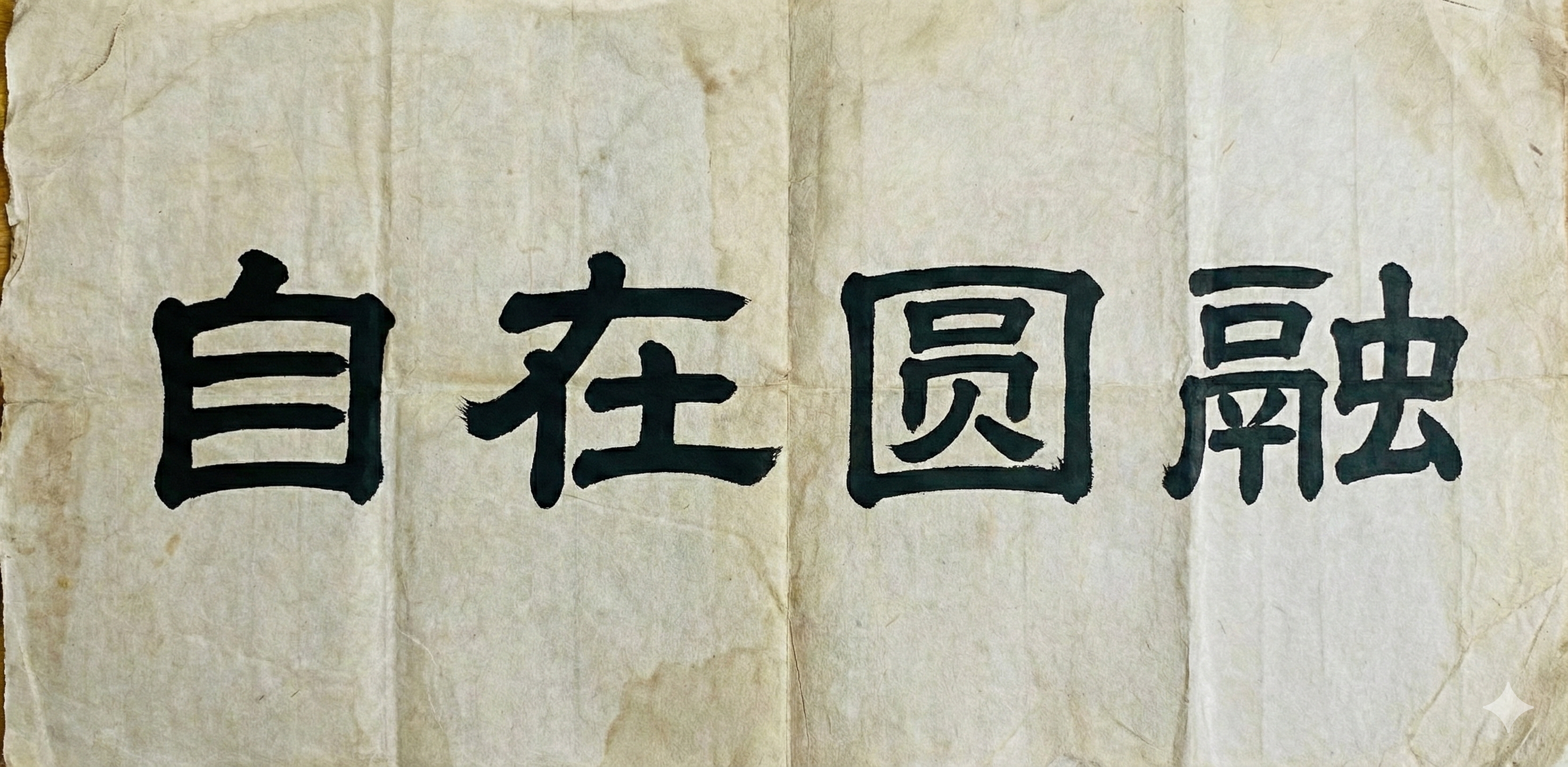
○ Suggestions for seal carving calligraphy practice
Under the theme of "Quickly Getting Back on Track After a Fall," seal engraving calligraphy can help you put your determination to "start over" into the rhythm of each stroke, carving a piece of evidence for yourself that you "can stand up again."
- Introduction to the characteristics of seal carving:
Seal carving emphasizes continuous lines and clear transitions, similar to adjustment after a setback: acknowledging that deviations have occurred, while choosing a new direction for oneself at each turning point. - Written words:
Resurrect and never give up
Rise Again, Never Abandon - Psychological Intention:
When carving "Resurgence Without Giving Up," you can recall the moments when you persevered after every setback in the past. Let each cut symbolize "I can get back on track, instead of being defined by a single mistake." - Knife skills:
It is recommended to adopt a relatively slow and steady rhythm of strokes: start with a slightly heavier touch, move the brush lightly and steadily, and finish cleanly, symbolizing the process of "acknowledging—adjusting—concluding." With each stroke, remind yourself: this matter has temporarily come to an end, and you can move on to the next step. - Emotional transformation:
When you feel guilty for "failing again," you can write next to the seal: "I allow myself to learn, rather than demanding perfection from myself." Let the seal carving process become a ritual of reconciliation with yourself, rather than another trial.
○ Quick return to normalcy after a pullback: Guiding suggestions for art therapy
This page uses visualization to help you organize the entire process of "before the pullback - during the pullback - after the pullback", identify key points that can be adjusted, avoid putting all the responsibility on yourself, and at the same time create visual prompts for a quick return to the track in the future.
I. Timeline of the pullback event
- Draw a horizontal timeline from "the previous 24 hours" to "the present moment" and then to "the next 24 hours".
- Mark the three stages on the axis:omen(Sleep, mood, interpersonal changes)tipping point(Specific context)Subsequent reactions(Use again or try to save yourself).
- Write a sentence next to each node: If a similar situation occurs again, what is one small thing you can do more or less?
II. Concentric Circles of Support Systems
- Draw three concentric circles: write "People I can contact immediately" in the innermost circle, "People I need to muster up some courage to contact" in the middle circle, and "Professional and emergency resources" in the outermost circle.
- Next to each name, label the contact information and "the appropriate context for contact" (e.g., only at night during a crisis, or when it is appropriate to discuss plans).
- Write a reminder next to the concentric circles: "I don't need to carry everything alone."“
Tip: Drawing is meant to help your brain reorganize experiences, not to make your drawings look good. Each time you draw a falling experience, you have a better chance of recognizing and getting back on track sooner next time.
Please log in before submitting your drawings and feelings.
○ 1559. Quick return to track after pullback - Log-guided suggestions
① Describe the situation of the most recent pullback or near pullback: What happened? What did you most want to escape at that time?
② Write down the parts of this experience where you did "a little bit better than before" (even if it's very small).
③ Design a "24-hour backtracking plan" for yourself: What are the three things you can do immediately today?
④ Write down one support resource you would like to contact or reconnect with, and set a specific timeframe for doing so.
Please log in to use.
A pullback is not the end, but rather part of learning how to get back on track. Every return to normalcy is a new form of growth.