

Lesson 325: Prolonged Depression and Decreased Self-Esteem

Course duration:70 minutes
Hope is not just a word of encouragement, but a structure that needs to be repeatedly placed in your life. This section will guide you in setting hope anchors, reviewing rhythms, and establishing support resources, so that long-term care is not just about willpower, but becomes a sustainable daily care system. When practicing, don't rush to achieve immediate improvement; instead, first identify a small action you can start with. You can also write down your physical reactions, emotional changes, and actionable steps as a basis for later review.
○ Course topic audio
Lesson 325: Prolonged Depression and Decreased Self-Esteem
Click to view the read-aloud text
In Lesson 325, we gradually delve into "Prolonged Depression and Decreased Self-Evaluation." Prolonged depression makes it increasingly easy to underestimate oneself. One mistake is interpreted as "I'm just not good enough"; a period of stagnation is seen as "I'll never be good enough." Prolonged depression obscures self-evaluation like a fog. You might only remember your procrastination, failures, and slowness, but it's difficult to remember your perseverance, care, and resilience. Your mind subtly interprets a bad state as a bad person, and temporary inability as inability to achieve anything at all. Today, please separate these two things: My current difficulties do not mean I am worthless. This separation will leave a path for your heart. When you begin to separate yourself from the depressive voice, your heart will have more space. That space is small, but it allows you to stop completely accepting "I can't do it." Today, rewrite a self-deprecating statement into a sentence closer to the truth. It's not about forcing optimism, but about minimizing harm. You don't need to like yourself immediately; just stop taking the depressive voice as the whole truth. If self-deprecation intensifies, treat seeking help as protection, not as failure. You can visualize Lesson 325 in a concrete way: for example, if you don't do something well, your mind immediately jumps to "I feel terrible." This small detail in Lesson 325 is very close to the real situation of "prolonged depression and declining self-esteem." It reminds you that healing through Lesson 325 isn't about becoming someone else, but about gradually understanding why you are the way you are, and then choosing a less hurtful response. When practicing with "prolonged depression and declining self-esteem," try not to record yourself in a judgmental tone, but rather like you would with someone who has been struggling for a long time—give yourself some patience. Please write "I'm not good" and "I'm having a hard time right now" separately. The former is hurtful; the latter is closer to the truth and more likely to offer comfort. Keep the one point from Lesson 325 that resonates with you most; don't rush to complete it all. After listening to Lesson 325, take care of your physical health first, then deal with those heavy thoughts.

AI Healing Q&A
Building hope doesn't require sudden optimism. AI-powered healing and Q&A can help you find anchors of hope: a person, a small thing, a stable habit. You can write down the faint evidence that still supports you. AI will help you create a long-term care plan, making hope gradually sustainable. Take your time; you don't need to be perfect all at once. Just take one small step today. If the pain intensifies, seek professional support promptly. Give yourself some patience and space. Take your time; you don't need to be perfect all at once.

○ Music therapy guidance
To build hope, prepare a calming, subtly luminous piece of music. While listening, don't force yourself to be optimistic; simply recall a small piece of evidence that you still want to hold onto. Long-term care requires repeated, gentle reminders: hope doesn't have to be overwhelming; it can be like a low-lying light, quietly accompanying you on your next small step. Take it slow; you don't need to be perfect all at once. Just one small step today is enough. If the pain intensifies, seek professional support promptly. Give yourself some patience and space. Take it slow; you don't need to be perfect all at once.

○East-West Healing Tea Drinks
Drinking tea can become a regular ritual for long-term care. Drink a cup of lily tea, jujube tea, or light tangerine peel tea at the same time every day. This repetitive, small action helps the body form a safe memory, gradually supporting recovery.
○ Healing Recipes
Morinda officinalis chicken soup
Chicken soup with Morinda officinalis is a suitable healing recipe after this lesson. The gentle, slow-cooked chicken soup is ideal as a stable source of nourishment during the building of hope and long-term care. It reminds you that recovery is not a sudden burst of energy, but rather the gradual reintegration of repetitive care into your daily life. After consuming it, you can record your stomach discomfort, feelings of fullness, and mental stability. Maintain a quiet pace while eating, avoiding rushing yourself to recover. This record can help you see the subtle connections between your body and emotions.
Hope anchor, slow-cooked chicken soup, long-term care
Open the healing recipe
◉ Eastern Food Therapy · Soup · 325, Morinda officinalis Chicken Soup
I. Recommended Dietary Therapy and Reasons
Recommended dishes:Morinda officinalis chicken soup
Recommended reasons: Morinda officinalis chicken soup is a mild, delicate, and easy-to-eat oriental medicinal dish, suitable as daily support during periods of prolonged depression and mental and physical recovery. The soup is primarily slow-cooked, emphasizing warmth, lightness, and sustained nourishment, providing physical stability when fatigued, experiencing loss of appetite, or emotional numbness. It doesn't aim for strong stimulation, but rather, through a bowl of warm soup, allows one to slowly restore rhythm, breathing, and a sense of being cared for.
2. Recipe and Method
Recipe (1–2 servings):
- 300g of chicken or black-boned chicken, cut into pieces and blanched.
- Herbal ingredients 12 g
- Three red dates (optional)
- 1100 ml of clean water
- 3 slices ginger
- a pinch of salt
practice:
- Clean the main ingredients thoroughly, and blanch meat or bones in cold water first.
- After scooping them out, rinse off the scum with warm water and put them in a stew pot for later use.
- Add ingredients such as herbs, beans, roots, or dried fruits.
- Pour in water, bring to a boil over high heat, then reduce to a simmer.
- Simmer for 60–90 minutes to allow the flavors to meld and the ingredients to soften.
- Easily cooked leafy greens, goji berries, or chrysanthemums can be added 5–10 minutes later.
- Finally, add a small amount of salt to taste and serve warm.
3. Small rituals for body and mind
When preparing Morinda officinalis chicken soup, you can first observe the color, aroma and texture of the ingredients, and gradually shift your attention from external matters back to the actions in your hands.
During heating or stirring, slow down and feel the ingredients transform from scattered pieces into a cohesive whole. Remind yourself: I don't need to perform perfectly right away; I just need to gently bring myself back to the present moment.
When you take your first bite, feel the warmth, softness, and simple aroma to let your body know that it is safe and bearable at this moment, and you can relax a little.
4. Dietary Therapy Experience Record
- Record the time of consumption: whether it is breakfast, lunch, dinner, or a supplement when feeling down, tired, or after class practice.
- Observe whether there are any changes in stomach burden, fullness, refreshment, and mental stability within 30–60 minutes after consumption.
- If you consume Morinda officinalis chicken soup when you are feeling down, stressed, or have an unstable appetite, you can record whether it helps you regain a sense of control over your body.
V. Instructional Videos (approximately 3–5 minutes)
Video Title:Morinda officinalis Chicken Soup: A mild and stable oriental culinary recipe
6. Precautions
- It is recommended to eat it warm, and it is not recommended to consume large quantities of the cold version when you are physically tired.
- Herbal, sweet, or animal-based ingredients should be used in small amounts according to individual constitution.
- Do not eat too much at one time to avoid overeating or putting extra strain on your stomach.
- For first-time users, it is recommended to try a small amount and observe the body's reaction.
- If you have a chronic illness, are pregnant, have allergies, are taking medication, or have special dietary restrictions, please consult a professional first.
hint:This recipe is for daily physical and mental well-being and is not a substitute for any medical diagnosis or treatment. If you have chronic illnesses, are pregnant, have food allergies, are taking medication, or have special nutritional restrictions, please prioritize following the advice of your healthcare provider and nutritionist.

Mandala Viewing Healing
When cultivating hope, look at the center of the mandala and imagine it as a small lamp. The outer ring can be dark, that's okay. Hope doesn't have to be intense optimism; it can also be a tiny glimmer of light that still cares for itself. While viewing, gently remember: I can leave a little more space for this lamp. Take your time; you don't need to be perfect the first time. Just take one small step today. If the pain intensifies, seek professional support promptly. Give yourself some patience and space. Take your time; you don't need to be perfect the first time.
● AI Dynamic Geometric Vision Focus and Emotion Regulation Engine ●
AI Dynamic Geometric Vision Focus and Emotion Regulation Engine · v7.0.0
Before we begin, I'd like to know how you feel right now.
There is no standard answer; just choose the one that best reflects how you feel right now.
The experience is over. Tell us how you feel now.
There is still no standard answer; just choose the one that best reflects how you feel right now.
#FF5252
After the fluorescent line crawling is completed and stopped, first select a color, then click on the closed area in the graphic to fill in the color.
AI Digital Mandala Interactive Focus Engine
A–Z Free Selection · Layered Lines · 60 Color Fills
AI Digital Mandala Static Focus EngineAZ Image Coloring · 60 Colors
○ Calligraphy and engraving therapy practice
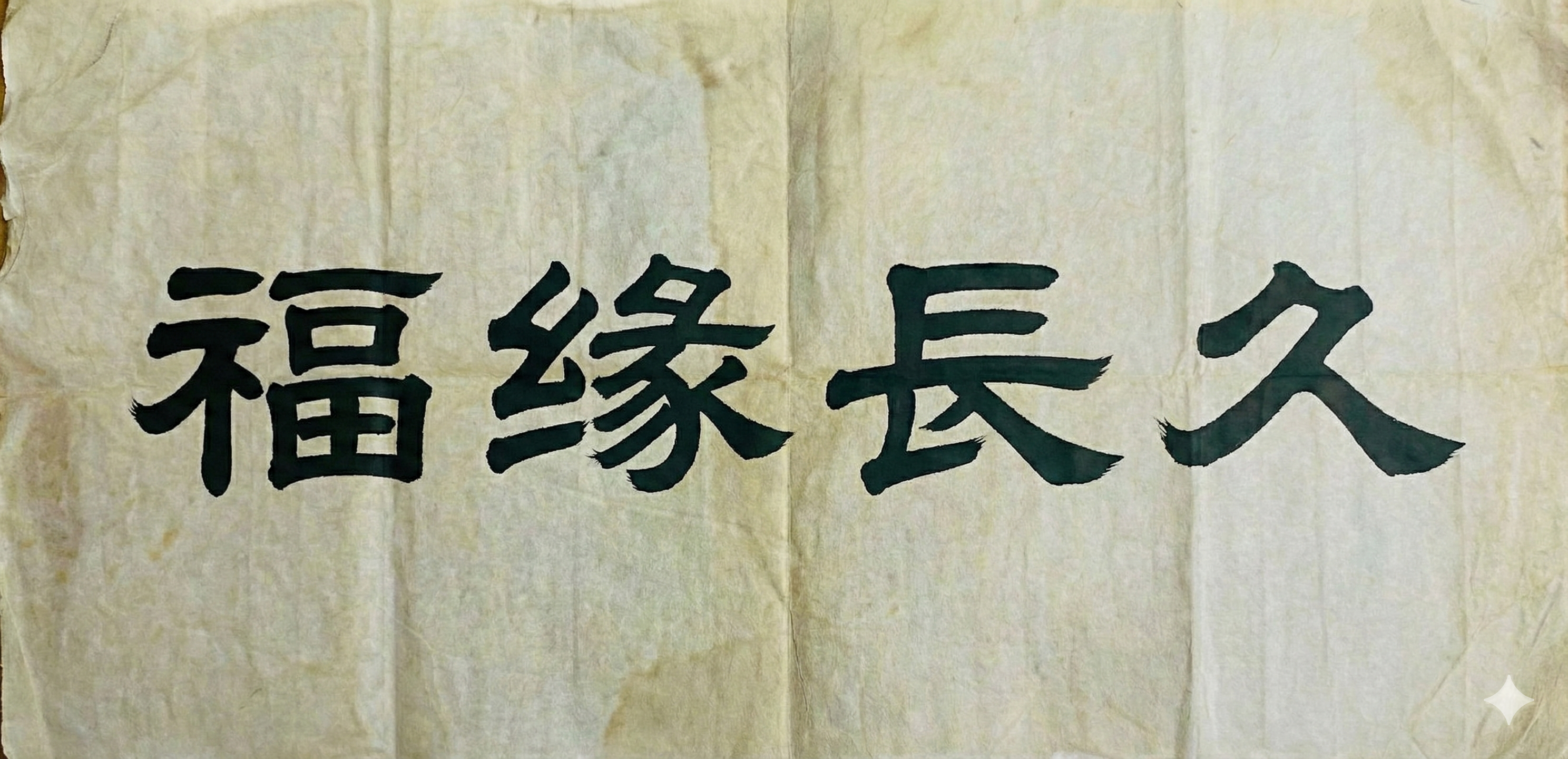
When building hope, writing inscriptions doesn't require grand aspirations. Simply let the action begin, stop, and continue steadily. Hope isn't always a bright emotion, but rather the continued willingness to do small things to care for yourself. Each completion leaves a small but real anchor point for long-term care. Take it slow. Even a little bit counts. If you feel uncomfortable, pause. Give yourself some space. Take it slow. Even a little bit counts. If you feel uncomfortable, pause. Give yourself some space. Take it slow.

○ Art Therapy Guidance
When building hope, draw a very small anchor point. It doesn't have to be bright or huge; it could be a light, a small circle, a line, or a stable corner. Long-term support isn't about sudden bursts of energy, but about the repeated appearance of these tiny supports. Carefully preserve this glimmer of hope. Take it slowly. It doesn't need to be perfect. If it feels uncomfortable, stop. Even a little bit counts. Take it slowly. It doesn't need to be perfect. If it feels uncomfortable, stop. Even a little bit counts. Take it slowly.
Please log in before submitting your drawings and feelings.

○ Diary Healing Suggestions
Today, write down an anchor of hope: it can be small—a person, a sentence, or a small task that can still be accomplished. Also, write down a small, long-term action for nurturing that hope, such as reviewing your energy and support weekly. Hope doesn't have to be bright; it can be faint. As long as you're willing to hold onto it, it will slowly become a support. Take it slow; stability and security are more important than speed. After writing, give yourself a gentle affirmation: I'm learning; I don't need to be perfect right away. If you can only do a little today, acknowledge that little bit counts too. Keep your small actions light, so that you truly have a chance to achieve them tomorrow.
Please log in to use.
May you gradually return to a more stable, clear-headed, and gentler version of yourself through today's practice.