

Lesson 582: Action Strategies for Enhancing Psychological Resilience
Course duration:70 minutes
Mental resilience isn't about being forever strong, but about knowing how to get back after a fall. You can ask AI to help you break down difficulties into three parts: adjustable, supportive, and patient, finding an action that is powerful yet not self-imposed. You don't have to bear all the changes alone. This is also the beginning of taking care of yourself again. Let Q&A be a gentle resting place. If necessary, please contact offline professional support promptly. Your feelings deserve to be taken seriously. See things clearly before making a choice; it will be more stable.
○ Course topic audio
Lesson 582: Action Strategies for Enhancing Psychological Resilience
Click to view the read-aloud text
Today, I want to gently approach you with the topic: Action Strategies for Enhancing Psychological Resilience. Psychological resilience isn't about being born strong or instantly recovering from setbacks. It's more like a skill that can be practiced, allowing you to avoid being completely crushed by pressure, change, and setbacks, and to gradually find new support. Many people mistakenly believe resilience is simply endurance, but true resilience isn't about stubbornly persevering; it's about knowing when to stop, when to seek help, when to adjust, and when to continue. Enhancing psychological resilience can begin in four directions. First, rebuild meaning. Difficulties aren't always good, but they can remind you of your own value, boundaries, and needs. Second, build relationship support. A person who endures everything alone for a long time will become increasingly emotionally closed off; having someone to listen to you is already a form of protection. Third, enhance self-efficacy. Don't wait until you're completely in a good state to act; instead, experience what you can still do through small things. Fourth, practice behavioral flexibility. You don't have to only endure, only escape, only analyze; you can also choose to pause, express, act, seek help, or withdraw depending on the situation. Today, please write a psychological resilience action plan. The first column should list your current stress; the second, how it affects you; the third, what it reminds you of; the fourth, a support resource; and the fifth, a small action you can complete today. This action should be small enough not to overwhelm you, such as walking for five minutes, organizing an email, sending a request for help, or breaking a task down into three steps. Please don't underestimate these small actions. Mental resilience isn't a single, massive change, but rather regaining a sense of direction through repeated difficulties. You can be sad, or you can move forward; you can be tired, or you can choose to protect yourself first. Next, set yourself a low-standard practice cycle. Do only one small thing today, only one sentence to review tomorrow, and only one supporter this week. Resilience is most vulnerable to being held hostage by perfectionism. Once the goal is too big, the body will feel pressured and want to escape even more. Keep the practice light, short, and realistic. If you feel you lack resilience, don't rush to deny it. Often, it's not that you lack resilience, but that you haven't had enough rest, support, or opportunities to start over after failure. Resilience needs recovery space and needs to be allowed to slow down. You can prepare a "resilience kit" for yourself: a soothing breathing exercise, someone to connect with, a realistic yet gentle word, and a small action that can be completed in ten minutes. When stress comes, don't rush to find solutions; just open this kit and start with the easiest item. Remember, mental resilience isn't about springing back immediately after being bent, but about knowing you still have a foothold when you bend. Your foothold can be very small: a glass of water, a breath, a person, or the words "I can still do a little more." After reading aloud, please write a sentence: I am willing to gradually improve my mental resilience through meaning, support, effectiveness, and flexible action.
AI Healing Q&A
Mental resilience isn't about being forever strong, but about knowing how to get back after a fall. You can ask AI to help you break down difficulties into three parts: adjustable, supportive, and patient, finding an action that is powerful yet not self-imposed. You don't have to bear all the changes alone. This is also the beginning of taking care of yourself again. Let Q&A be a gentle resting place. If necessary, please contact offline professional support promptly. Your feelings deserve to be taken seriously. See things clearly before making a choice; it will be more stable.

○ Music therapy guidance
To improve mental resilience, listen to a piece of gentle yet uplifting music. While listening, write down the stress, its meaning, supportive resources, and a small action. The melody will remind you: resilience isn't about being painless, but about having some room to maneuver even in difficult times.
○East-West Healing Tea Drinks
Golden milk and coconut oil are ideal for strategies that enhance mental resilience. Coconut oil provides a smooth texture and energy support, while turmeric milk helps the body relax. While drinking, write down four points: meaning, support, effectiveness, and flexible action, allowing resilience to gradually grow from small fulcrums.
○ Healing Recipes
Monastic dark bread is good for improving mental resilience. Simple and substantial, it provides a stable and satisfying feeling, ideal for replenishing basic energy during stressful times. Chew it slowly, writing down four aspects: meaning, support, effectiveness, and flexible action. Remind yourself: resilience isn't about forcing yourself, but about having a support system.
Open the healing recipe
◉ Healing Recipe: Whole Grain Dark Bread
I. Recommended Dietary Therapy and Reasons
Recommended dishes:Monastic Dark Bread (providing firm support and enhanced elasticity)
Recommended reasons:This lesson presents action strategies to enhance psychological resilience. Whole-grain dark bread, substantial, simple, and chewy, is suitable for providing stable support during periods of stress. It symbolizes the foundation of resilience: meaning, support, self-efficacy, and behavioral flexibility. Chewing slowly also reminds you that you don't have to force yourself to endure. Don't try to immediately change your mood while eating; simply treat this food as a gentle pause, allowing your body to receive support first, making it easier for your mind to reconsider.
2. Recipe and Method
Recipe (1–2 servings):
- 150 g rye flour
- Whole wheat flour 80g
- Appropriate amount of warm water
- A small amount of yeast
- A pinch of salt
practice:
- Wash the main ingredients and prepare the parts that need to be cut into pieces, steamed, boiled until soft, or prepared in advance.
- Rye flour and whole wheat flour are mixed into a soft dough, which is then fermented and baked into plain black bread.
- Use low heat, stir gently, or bake at a low temperature to allow the ingredients to meld together in a gentle rhythm.
- Keep the seasoning light, with less salt, sugar, and oil, and avoid using strong, pungent flavors that overpower the ingredients.
- Let it cool slightly after serving before eating. Take your first bite slowly to appreciate the temperature, aroma, and texture.
3. Small rituals for body and mind
When preparing whole-grain dark bread, you can first arrange the ingredients neatly, noting their color, shape, and texture, allowing your attention to gradually shift from emotional reactions, relational stimuli, event interpretations, or self-blame back to the present moment.
During the process, take three slow breaths. Don't rush to explain, respond to, or fix all the problems. Just let your body know: I am doing something small that can be accomplished.
When you take your first bite, first feel the temperature and texture, then gently tell yourself: I am taking care of myself, I am willing to take it slow, and I can choose to take the next step again.
If you're still feeling emotional, stop and don't force yourself to continue. What's truly important isn't eating a complete meal, but rather sending your body a safe, gentle signal that it's time to pause.
4. Dietary Therapy Experience Record
- Record the time of consumption; is it a regular meal or a meal to settle down after emotional fluctuations?
- Observe changes in stomach comfort, body temperature, and mood intensity within 30–60 minutes after consumption.
- Write a sentence: After this dietary therapy, what new action do I want to take care of myself?
V. Instructional Videos (approximately 3–5 minutes)
Video Title:Whole-grain dark bread: Gentle dietary support in the Emotional Coping Disorder course
6. Precautions
- Dietary therapy should be small, mild, and light; there is no need to force yourself to finish a meal when you are not feeling well.
- If you are allergic to grains, beans, nuts, eggs, dairy, fish, honey, or vanilla, please substitute this food.
- This recipe is for daily health maintenance and is not a substitute for medical diagnosis and treatment; please follow medical advice for special physical conditions.
hint:If you experience emotional distress, noticeable or persistent physical symptoms, please seek professional help promptly.

Mandala Viewing Healing
To enhance mental resilience, visualize a mandala with flexible curves. The center represents pressure, while the outer ring represents meaning, support, effectiveness, and flexible action. While viewing, imagine yourself not forcing yourself, but finding a foothold even after bending.
● AI Dynamic Geometric Vision Focus and Emotion Regulation Engine ●
AI Dynamic Geometric Vision Focus and Emotion Regulation Engine · v7.0.0
Before we begin, I'd like to know how you feel right now.
There is no standard answer; just choose the one that best reflects how you feel right now.
The experience is over. Tell us how you feel now.
There is still no standard answer; just choose the one that best reflects how you feel right now.
#FF5252
After the fluorescent line crawling is completed and stopped, first select a color, then click on the closed area in the graphic to fill in the color.
AI Digital Mandala Interactive Focus Engine
A–Z Free Selection · Layered Lines · 60 Color Fills
AI Digital Mandala Static Focus EngineAZ Image Coloring · 60 Colors

○ Calligraphy and engraving therapy practice
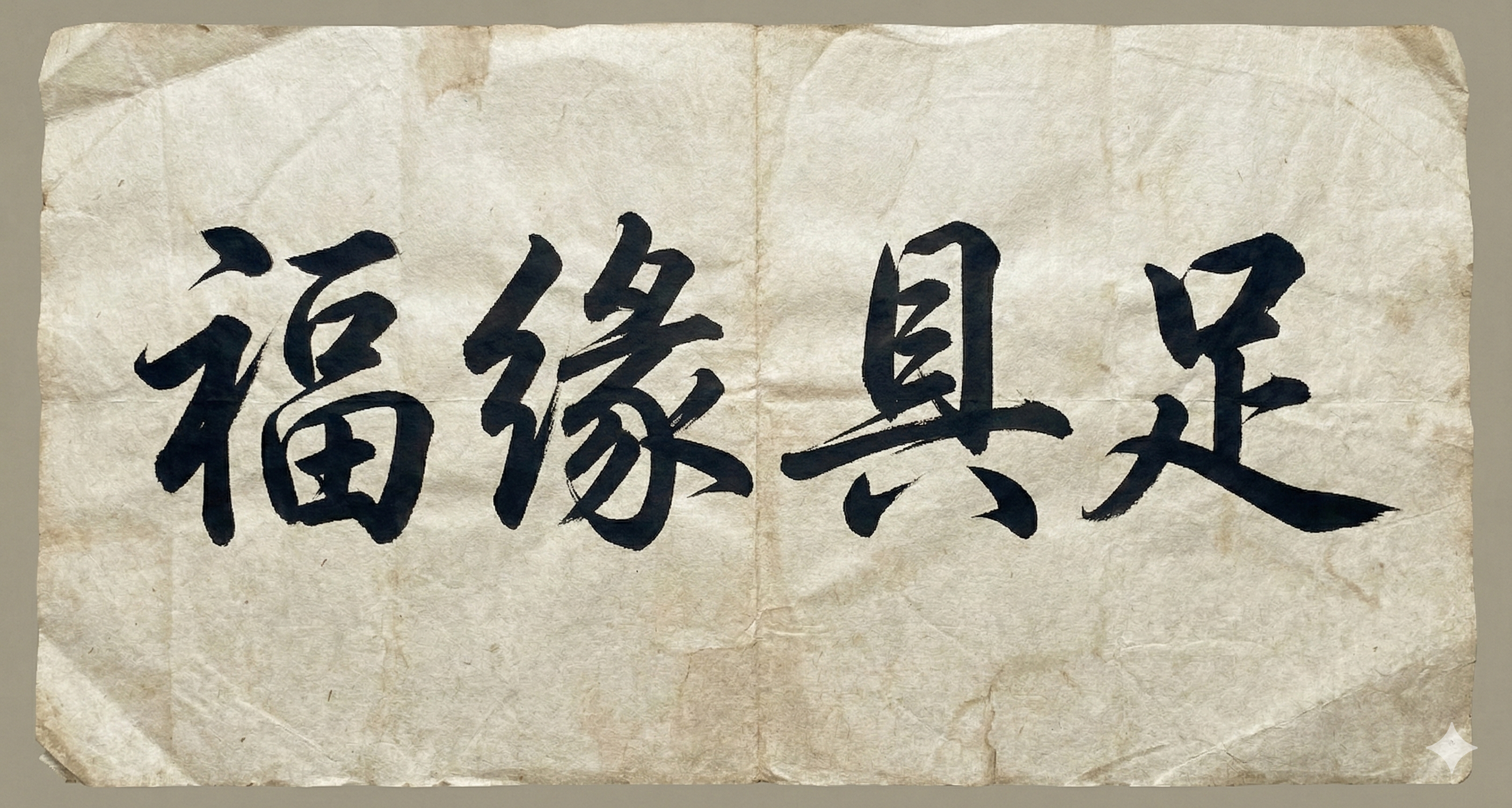
To improve mental resilience, engage in a writing or engraving exercise that allows for variation. Do not specify the characters, nor demand absolute consistency. Allow slight deviations to exist, reminding yourself that resilience is not rigid perfection, but rather the ability to continue amidst change.

○ Art Therapy Guidance
Please draw a tree that represents psychological resilience. The roots represent support, the trunk represents small actions, and the branches and leaves represent meaning and flexibility. Don't draw a perfect, large tree; just draw a small branch that can grow today. This image reminds you that resilience comes from continuous small supports.
Please log in before submitting your drawings and feelings.

○ Diary Healing Suggestions
Please write down your current stress and answer four questions: What does it remind me of? Who can support me? What small actions can I still take? How can I be more flexible? Mental resilience isn't about being painless, but about retaining some room to maneuver even in difficult situations.
Please log in to use.
May you gradually return to a more stable, clear-headed, and gentler version of yourself through today's practice.