

Lesson 907: Identifying Trauma Triggers and Coping Strategies

Duration:70 minutes
Topic Introduction:Before a trigger occurs, the body often sends signals: a rapid heartbeat, tight hands, a desire to escape, an urge to lash out, or a sudden blankness. Today, learn to recognize these warning signs earlier, treating them as reminders to take care of yourself, not as evidence to blame yourself. The earlier you see them, the better your chances of staying calm. Even small steps count. Allow yourself time. May you be treated gently. Give yourself some time. Today, just one step is enough. It's okay to go slowly. Take care of yourself first. Let your heart slowly calm down.
○ Course Topic Audio
Lesson 907: Identifying Trauma Triggers and Coping Strategies
Click to view the read-aloud text
Today we gently approach "Identifying Trauma Trigger Signals and Coping Strategies." Trigger signals often precede emotional outbursts. These might include a tightness in the chest, cold hands, fixed gaze, a desire to leave immediately, a change in tone, or a sudden mental blank. Recognizing these warning signs is not about self-criticism, but about protecting yourself earlier. Today, please name one of the most common signals, like giving your body a gentle reminder. Treat today's content as companionship, not an exam. You don't need to appear strong, nor do you need to articulate all your feelings at once. Trauma recovery often happens gradually: recognizing bodily signals, expressing your needs, and allowing yourself rest all contribute to recovery. Remember, no course can replace professional diagnosis, treatment, or crisis support. If you have suicidal thoughts, a strong sense of loss of control, or symptoms that are severely impacting your life, please contact in-person professionals or local emergency resources immediately. Being willing to connect with yourself today is already a significant achievement. Even if you only stabilize for a minute, understand a single reaction, or avoid blaming yourself once more, these are not insignificant; they are all steps back to yourself. Please prioritize safety. Any practice that causes you excessive pain can be temporarily set aside, and you can slowly approach it again when you have more support. You don't have to walk this path alone. When appropriate, you can share these feelings with professionals, trusted individuals, or relationships that truly support you. You can think of this voice message as a warm hand gently placed on your shoulder, not rushing you, not judging you, but simply accompanying you to confirm: you are learning to take care of yourself right now. If a sentence makes your heart ache, please exhale slowly first, don't rush to continue thinking, give your body some buffer, let it know that there is still a way out. When learning about trauma topics, the most important thing is not to be brave enough not to react, but to still be willing to accompany yourself back in a gentler and safer way when you do react. Please allow your pace to be different from others. Some people can express themselves quickly, while others need a long time to dare to approach it; both paces are worthy of respect.
AI Healing Q&A
AI-powered healing Q&A helps learners identify early warning signs, such as a racing heart, neck and shoulder tension, a desire to escape, or sudden anger. During the interaction, the signals, scenarios, and responses can be recorded. The AI will assist in building a personal warning checklist and stabilizing actions, allowing you to take care of yourself earlier. After the Q&A session, please name the earliest signal to remind yourself to pause the next time it occurs. The earlier you see the warning signs, the easier it is to protect yourself before the reaction escalates. Contact professional support if necessary. Safety first.
○ Music therapy guidance
When practicing recognizing trigger signals, choose a piece of very calm background music. Listen to it and record the changes in your body: heartbeat, palms, shoulders, breathing. The music is like a small lamp, helping you see the warning signs earlier, rather than waiting until emotions surge before realizing you're feeling unwell. If you find a certain signal recurring, don't blame yourself. Take it as your body reminding you that you need rest, to leave, or to ask for help. The music accompanies you in practicing responding to yourself more gently and earlier. Let your mind return to the present moment. You are already practicing.
○Eastern and Western Healing Teas
○ Licorice and Goji Berry Tea: Licorice is mild, and goji berries are nourishing, making this a gentle tonic suitable for when you feel weak, tired, or stressed after trauma. Take 5 goji berries and 1 teaspoon of licorice, steep in hot water for 5–10 minutes, and add a small amount of honey if desired. Those with high blood pressure or taking medication should consult a professional before drinking licorice tea.
○ Healing Recipes
○ Mediterranean Diet - Mediterranean Herb Chicken
Recommended dishes:Mediterranean Herb Chicken Recommended reasons:This lesson practices recognizing trauma triggers and coping strategies. Mediterranean roasted chicken provides stable protein, making it a comforting meal when the body is prone to tension and low energy. The aromas of rosemary, thyme, and lemon can transform the cooking process into a gentle awareness exercise. Food cannot prevent triggers from occurring, but it can help the body avoid bearing emptiness and fatigue alone. Recipe (1–2 servings): practice: Before preparing this dish, please stop and observe your current state: are you tense, numb, tired, anxious after waking up, panicked after being triggered, or worried about your body's reaction? Please do not blame yourself; simply treat these reactions as signals that need to be gently recorded. Before eating, take three slow breaths, observe the color of the cup or bowl, and feel the support under your feet and in the chair. If you are experiencing intense flashbacks, panic, suicidal thoughts, severe insomnia, or a significant decline in function today, please prioritize safety, seeking help, and professional support before eating. Take your first bite slowly. Daytime meals can be combined with sunlight, short breaks, and light activity; evening meals should be portion-controlled to avoid overeating, excessive sweetness, or drinking too much water that may affect sleep. Video Title:Mediterranean Herb Chicken: A therapeutic recipe that supports stable rhythms and gentle self-care in courses on identifying trauma triggers and coping strategies. hint:If PTSD-related symptoms continue to worsen, significantly affecting sleep, work, interpersonal relationships, or diet, or are accompanied by intense fear, depression, dissociation, or self-harming thoughts, please contact an in-person doctor, psychologist, trauma therapist, or emergency resources promptly.Click to view healing recipes
◉ Mediterranean Diet - Mediterranean Roasted Chicken
I. Recommended Dietary Therapy and Reasons
2. Recipe and Method
3. Small rituals for body and mind
4. Dietary Therapy Experience Record
V. Instructional Videos (approximately 3–5 minutes)
6. Precautions

○Mandala Healing
When viewing this image, pay attention to your body's first reactions: Is your breathing faster, are your shoulders tense, or do you suddenly feel a urge to escape? The mandala is like a gentle mirror, helping you see the pre-trigger signals sooner. Seeing them isn't a problem, but rather helps you take care of yourself more promptly. Even a short pause counts. May you be treated gently. It's okay to go slowly. Please take your time. Take care of yourself first. Just a little today. No need to force it. Let your heart slowly calm down.
● AI Dynamic Geometric Vision Focus and Emotion Regulation Engine ●
AI Dynamic Geometric Vision Focus and Emotion Regulation Engine · v7.0.0
Before we begin, I'd like to know how you feel right now.
There is no standard answer; just choose the one that best reflects how you feel right now.
The experience is over. Tell us how you feel now.
There is still no standard answer; just choose the one that best reflects how you feel right now.
#FF5252
After the fluorescent line crawling is completed and stopped, first select a color, then click on the closed area in the graphic to fill in the color.
AI Digital Mandala Static Focus EngineAZ Image Coloring · 60 Colors
AI Digital Mandala Interactive Focus Engine
A–Z Free Selection · Layered Lines · 60 Color Fills

○ Calligraphy and engraving therapy practice
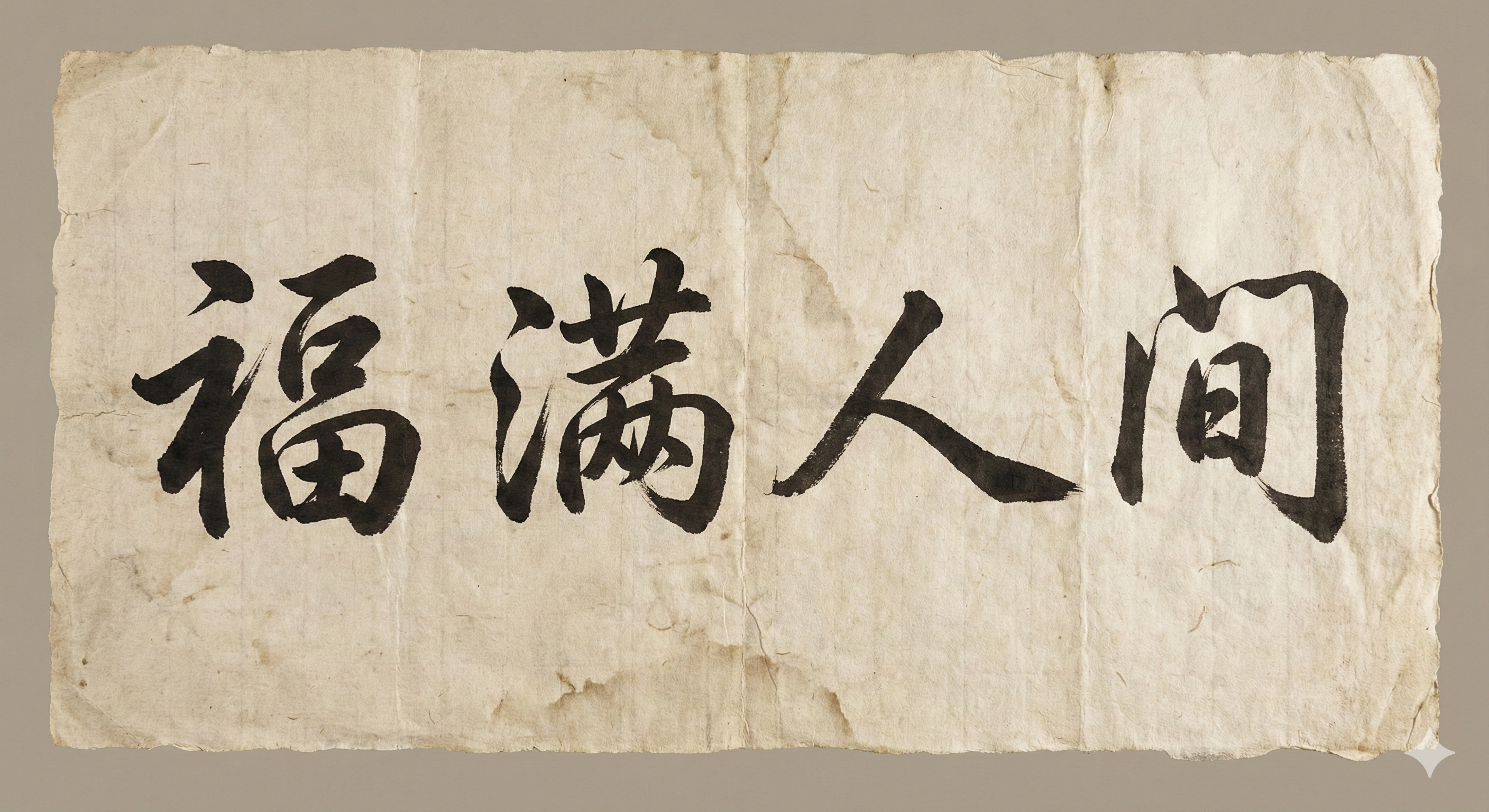
When practicing calligraphy, pay attention to the subtle signals your body gives you before you stop: a tighter grip on the pen, shallower breathing, raised shoulders, or a sudden urge to stop. Don't blame yourself when you see these reactions. Pause for a few seconds, then continue with even lighter pressure. Let practice be a gentle reminder to recognize and care for yourself. You are on your way. It's okay to go a little slower. May you be treated gently. Take your time. Take care of yourself first. Just a little today. Don't force yourself. Let your heart slowly calm down. Put safety first.

○ Art Therapy Guidance
Today, please visualize the bodily signals you're about to trigger: heartbeat, shoulders, palms, breathing—all can be represented by lines. Seeing these signals isn't about blaming yourself, but about taking care of yourself sooner. After drawing, choose the most obvious signal and gently circle it. You're on your way. It's okay to go a little slower. May you be treated gently. Please take your time. Take care of yourself first. Just a little today. No need to force it. Let your heart slowly calm down. Put safety first. Even a short pause counts.
Please log in before submitting your drawings and feelings.

○ Diary Healing Suggestions
Today, please record one warning sign in your journal, the more specific the better: palms, shoulders, stomach, breathing, tone of voice, or the urge to run away. Then write down the first step you're willing to take when this signal appears. Seeing these warning signs isn't a problem; it means you're protecting yourself earlier. You're already on your way. It's okay to go a little slower. May you be treated gently. Please take your time. Take care of yourself first. Just a little bit today. No need to force it. Let your heart calm down slowly. Put safety first. Even a small record counts. You're already on your way. It's okay to go a little slower. May you be treated gently.
Please log in to use.
May you gradually return to a more stable, clear-headed, and gentler version of yourself through today's practice.