

Lesson 908: The Relationship Between Trauma and Sleep Disorders

Duration:70 minutes
Topic Introduction:When sleep is affected by trauma, falling asleep, waking up startled, nightmares, and post-wake anxiety can all occur. Today, please don't attribute poor sleep to a lack of willpower, but understand that your nervous system is still on alert. We will begin by caring for you through your pre-sleep rhythm, nighttime soothing, and returning to the present moment after waking. Please allow yourself some time. May you be treated gently. Please give yourself some time. Today, just one step is enough. It's okay to go slowly. Take care of yourself first. Let your heart slowly calm down. Put safety first. You don't have to bear this alone.
○ Course Topic Audio
Lesson 908: The Relationship Between Trauma and Sleep Disorders
Click to view the read-aloud text
Today we gently approach the relationship between trauma and sleep disorders. Sleep is often the first place affected by trauma. Difficulty falling asleep, waking up in the middle of the night, nightmares, and a rapid heartbeat upon waking can all make one feel unsafe at night. Please don't interpret this as a lack of effort; often, it's because the nervous system is still on night duty. Today's exercise is to establish a small, consistent routine before bed, letting the body know that the night can gradually subside. If your emotions suddenly become too intense while listening or practicing, please stop, look at your surroundings, touch something within reach, and remind yourself that you are learning, not reliving the event. You can pause, ask for help, or simply take the smallest step. May you gradually shift your focus from "Why am I still like this?" to "How can I better take care of myself?" The past cannot be easily erased, but now you can gradually have more choices, more boundaries, and the right to be supported. Please prioritize safety. Any exercise that causes you excessive pain can be temporarily set aside, and you can slowly approach it again when you have more support. You don't need to complete this journey alone. When appropriate, share these feelings with professionals, trusted individuals, or relationships that truly support you. Think of this voice message as a warm hand gently placed on your shoulder, neither rushing nor judging you, but simply reassuring you that you are learning to care for yourself. If a sentence makes your heart ache, exhale slowly, don't rush to think further, give your body some breathing space, let it know there's still a way out. When learning about trauma, the most important thing isn't being brave enough not to react, but being willing to return to yourself in a gentler, safer way when you do react. Allow yourself to move at a different pace than others. Some people can express themselves quickly, others need a long time to dare to approach it; both paces are respectable. After today, you can simply write down one sentence: What did I see? What do I need? How am I willing to protect myself? That's enough. If you feel tired, pause the lesson, drink water, move around, look out the window. Being able to stop in time is also a form of mature self-care.

AI Healing Q&A
AI-powered healing Q&A helps learners understand the relationship between trauma and sleep, preventing them from attributing insomnia, awakenings, or nightmares solely to willpower. When asking questions, describe your sleep onset time, frequency of awakenings, post-dream feelings, and pre-sleep stimuli. The AI can organize sleep-soothing steps; for severe insomnia, please consult a professional. After the Q&A, please choose a small pre-sleep adjustment to reduce nighttime stimulation and tension. Sleep adjustments should be gentle and consistent, starting with a small habit. Please strive for more stability in the present moment.

○ Music therapy guidance
Before bed, avoid music with intense rhythms and sad lyrics; choose low volume and slow tempo. Set a timer for ten to fifteen minutes; it doesn't need to play until late at night. If you wake up after a nightmare, listen to a familiar, soothing melody to let your body know that the night is still somewhat safe. If you're still afraid after waking up, don't immediately check your phone. Let the familiar melody help you reassure yourself about your bed, walls, lights, and breathing. As your body gradually understands safety, sleep will have a chance to return little by little. You're already practicing.

○Eastern and Western Healing Teas
Orange Blossom Tea: With its gentle aroma, orange blossom tea is a soothing beverage suitable for those experiencing restlessness at night, pre-sleep anxiety, or difficulty calming the mind. Use 2–3 dried orange blossom segments, steep in hot water for 5–10 minutes, and drink slowly in the evening or before meditation. Focus your attention on the aroma while drinking the tea, letting your body know that this is a safe moment.
○ Healing Recipes
○ Mediterranean Diet: Baked Eggplant Puree (Melitzanosalata)
Recommended dishes:Baked eggplant puree (Melitzanosalata) Recommended reasons:This lesson focuses on trauma and sleep disorders. Baked eggplant puree has a soft texture and mild flavor, making it suitable for a small, light meal with whole-wheat crackers in the evening when you don't have a big appetite and don't want to go to sleep on an empty stomach. It won't add too much burden to your body at night like a heavy meal. This recipe can't directly cure insomnia, but it can help you establish a gentle rhythm before bedtime—neither too hungry nor too full. Recipe (1–2 servings): practice: Before preparing this dish, please stop and observe your current state: are you tense, numb, tired, anxious after waking up, panicked after being triggered, or worried about your body's reaction? Please do not blame yourself; simply treat these reactions as signals that need to be gently recorded. Before eating, take three slow breaths, observe the color of the cup or bowl, and feel the support under your feet and in the chair. If you are experiencing intense flashbacks, panic, suicidal thoughts, severe insomnia, or a significant decline in function today, please prioritize safety, seeking help, and professional support before eating. Take your first bite slowly. Daytime meals can be combined with sunlight, short breaks, and light activity; evening meals should be portion-controlled to avoid overeating, excessive sweetness, or drinking too much water that may affect sleep. Video Title:Baked Eggplant Puree (Melitzanosalata) - A therapeutic recipe for stabilizing circadian rhythms and gentle self-care, used in a course supporting the relationship between trauma and sleep disorders. hint:If PTSD-related symptoms continue to worsen, significantly affecting sleep, work, interpersonal relationships, or diet, or are accompanied by intense fear, depression, dissociation, or self-harming thoughts, please contact an in-person doctor, psychologist, trauma therapist, or emergency resources promptly.Click to view healing recipes
◉ Mediterranean Diet: Baked Eggplant Puree (Melitzanosalata)
I. Recommended Dietary Therapy and Reasons
2. Recipe and Method
3. Small rituals for body and mind
4. Dietary Therapy Experience Record
V. Instructional Videos (approximately 3–5 minutes)
6. Precautions

○Mandala Healing
If nights often bring you restlessness, use this mandala as a short respite before sleep. Slowly observe the repetition of circles and lines, allowing your eyes and breath to slow down. It won't bring immediate sleep, but it can remind your body: it's time to let go of your alertness a little and slowly return to your room. May you be treated gently. It's okay to go slowly. Please take your time. Take care of yourself first. Just a little today. No need to force it. Let your heart slowly settle back. You are already on your way.
● AI Dynamic Geometric Vision Focus and Emotion Regulation Engine ●
AI Dynamic Geometric Vision Focus and Emotion Regulation Engine · v7.0.0
Before we begin, I'd like to know how you feel right now.
There is no standard answer; just choose the one that best reflects how you feel right now.
The experience is over. Tell us how you feel now.
There is still no standard answer; just choose the one that best reflects how you feel right now.
#FF5252
After the fluorescent line crawling is completed and stopped, first select a color, then click on the closed area in the graphic to fill in the color.
AI Digital Mandala Static Focus EngineAZ Image Coloring · 60 Colors
AI Digital Mandala Interactive Focus Engine
A–Z Free Selection · Layered Lines · 60 Color Fills

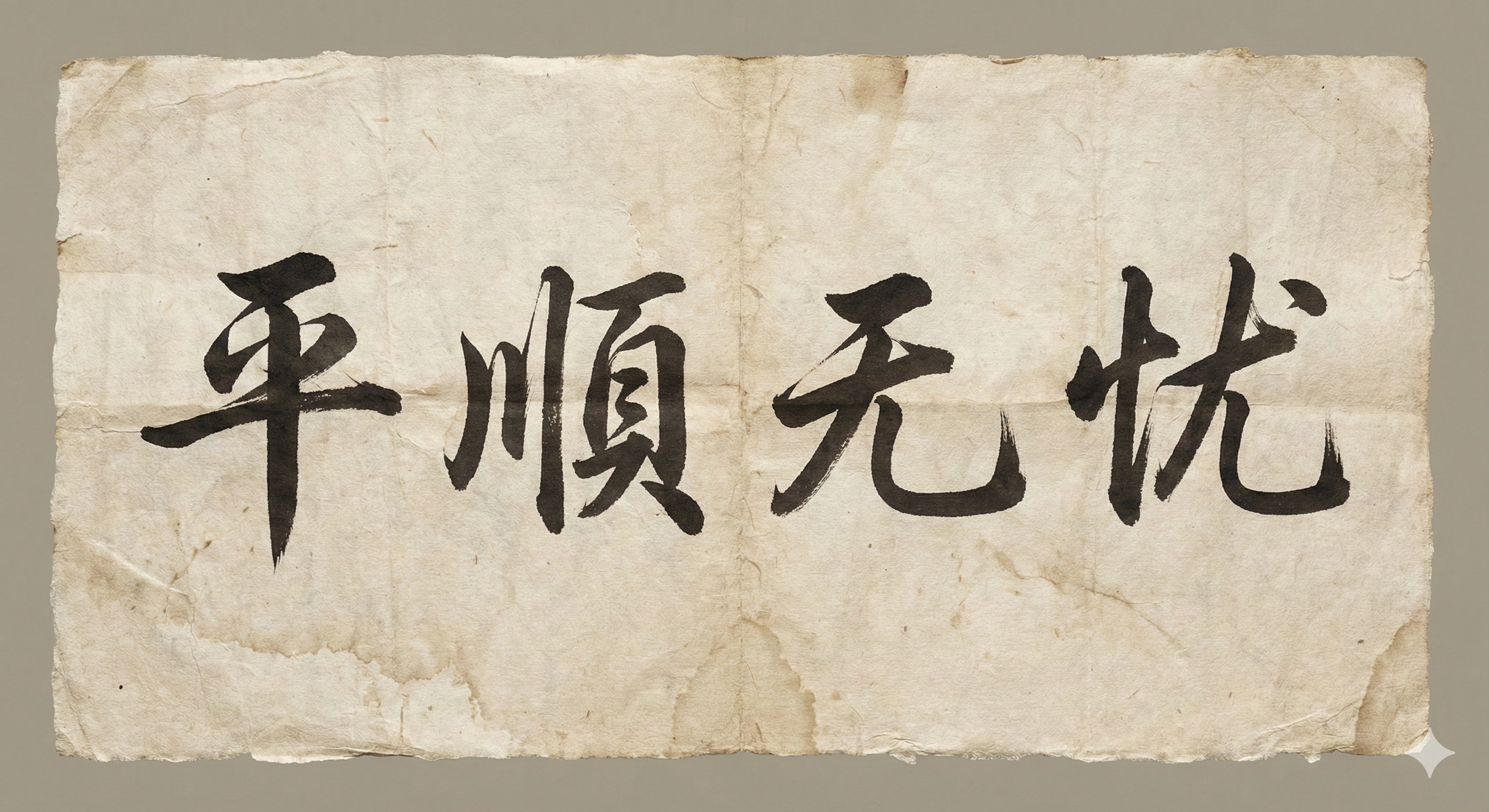
○ Calligraphy and engraving therapy practice
For those with restless sleep, please slow down your pace during practice and don't practice for too long at night. Slow down your strokes, slow down your breathing, and let your eyes and hands relax together. No specific content is specified here; simply make the repetitive writing motion a part of your pre-sleep routine to help your body be less alert. It's okay to go slow. May you be treated gently. Please take your time. Take care of yourself first. Just a little bit today. No need to force yourself. Let your heart slowly calm down. Put safety first.
○ Art Therapy Guidance
If you have trouble sleeping, draw a "bedtime calming picture." You can draw nighttime, the bedside, the view outside the window, or a color area that helps you relax. The picture doesn't need to be complicated; just let your eyes and body slowly calm down. It's like a gentle reminder: nighttime can be a little safe. It's okay to take it slow. May you be treated gently. Please take your time. Take care of yourself first. Just a little bit today. No need to force it. Let your heart slowly settle down. Put safety first. Even a short rest counts.
Please log in before submitting your drawings and feelings.

○ Diary Healing Suggestions
Please record your sleep status last night or most recent session: falling asleep, waking up suddenly, dreams, physical sensations upon waking, and daytime fatigue. Don't blame yourself for not sleeping well; just write down a small plan to lighten your day. For example, turn off the lights earlier, avoid stimulating information, or prepare a reminder to wake up. It's okay to take it slow. May you be treated gently. Please take your time. Take care of yourself first. Just a little bit today. No need to force yourself. Let your heart calm down slowly. Put safety first. Even a small record counts. You're already on your way. It's okay to take it slow. May you be treated gently. Please take your time.
Please log in to use.
May you gradually return to a more stable, clear-headed, and gentler version of yourself through today's practice.