

Lesson 1188: The Illusory "Function Enhancement" and Risk Identification

Duration:70 minutes
Topic Introduction:This section debunks the illusion of heightened function during the hypochondriac phase. Increased efficiency, more ideas, and more active social interactions may mask underlying issues such as late nights, impulsive spending, relationship friction, and overexertion. Learning to identify these risks can help you protect yourself even when things seem to be going well. Understanding just one point today is enough. Don't rush to change everything. Prioritize safety. Gentle observation is more helpful than blame.
○ Course Topic Audio
Lesson 1188: The Illusory "Function Enhancement" and Risk Identification
Click to view the read-aloud text
Now, gently turn your attention back to yourself. Today, we'll learn about "The 'Illusory Functional Improvement' and Risk Identification During Hypomania." We'll dismantle the illusion of increased efficiency and improved performance during hypomania, identify the risks of burnout from staying up late, impulsive decision-making, and relationship friction, and prevent high energy from pushing your life into risk. If you've ever felt suddenly powerful, full of ideas, and highly efficient during certain periods, only to subsequently fall into depression, fatigue, self-blame, or withdrawal, please don't rush to blame yourself. One of the difficulties of bipolar II disorder is that it often doesn't manifest as a clear, complete manic episode, but rather oscillates between hypomania and depression. Hypomanic periods can mislead you into thinking you're in a great state, while depressive periods can make you feel like a failure, a regression, or useless. This section is designed to help you see these changes more clearly, rather than labeling yourself with even heavier burdens. You can gently observe: Has your sleep become shorter or more irregular recently? Has your energy suddenly increased or decreased significantly? Have you started making too many plans? Have you been talking more? Have you been acting more impulsively? Or have you started avoiding, procrastinating, or repeatedly blaming yourself? These are not pieces of evidence to judge you, but rather signals to help you take care of yourself sooner. In your practice, try to replace guessing with recording, immediate reactions with pausing, and enduring alone with seeking help. If you are receiving medication or psychotherapy, please bring any observed changes to discuss with your doctor or therapist. Do not increase or decrease your medication on your own, and do not suddenly stop care just because you feel better temporarily. Today, you only need to take one small action: record a change in mood, sleep, or energy, or establish a stable bedtime routine for yourself. Take it slow; stability is not achieved overnight. Every time you are willing to see yourself, protect your rhythms, and seek support, you are bringing your life back to a safer, more sustainable direction. You don't need to complete all the changes alone; real-world support can be built up gradually. Allow yourself to start with the smallest step; there's no need to rush to prove you're all better. If you're feeling a bit tired after hearing this, take a break, drink some water, and feel the ground beneath your feet.

AI Healing Q&A
The "Hyperactivity Enhancement" feature is useful for addressing the question, "I'm clearly more efficient, so why am I still in danger?" Please describe your late nights, spending habits, social interactions, planning, and relationship frictions. AI will help you see hidden risks and suggest maintaining your circadian rhythm first. If you are experiencing strong emotions, please prioritize safety. Contact a doctor or real-life support if needed. Take your time; you don't need to explain everything at once. Please prioritize sleep and safety. This is only a supplementary tool and not a substitute for treatment. Please record a small action after asking your question.

○ Music therapy guidance
The illusion of heightened alertness is best enjoyed with slow piano music. Let the sound help you step back from the overconfidence of "I'm so great right now," and observe your own struggles with staying up late, impulsiveness, and burnout. True stability is about having limits even with high energy. Don't listen for too long; safety is paramount. If your emotions are significantly heightened, choose a slower sound. If you feel heavy-hearted, first connect with reality for support. Let the music bring you back to the present moment. Prioritize sleep and safety. After listening, please record a physical sensation. Take your time.

○Eastern and Western Healing Teas
○ Eastern Healing Tea - Biluochun. Introduction: Biluochun is a specialty green tea from Jiangsu Province, named for its snail-like shape and emerald green color. It has a fragrant and mellow taste. Biluochun is rich in tea polyphenols, amino acids, vitamin C, and other components, and has the effects of clearing heat and detoxifying, anti-oxidation, and reducing lipids and aiding weight loss. Its unique floral aroma and refreshing taste make it stand out among green teas. Usage: Take 1 teaspoon of Biluochun tea leaves, put them in warm water (approximately 75-80°C), and steep for 2-3 minutes. Drink 1-2 cups daily, especially suitable for drinking in the hot summer, as it is refreshing, thirst-quenching, and helps relax the mind and body.
○ Healing Recipes
○ Ancient Roman Dietary Therapy: Raisin Lentils
Recommended dishes:Raisin Lentils (braised red lentils) Recommended reasons:Raisin and red lentil stew, based on simple grains, olive oil, herbs, beans, or mild protein, is a suitable daily dietary reference for stabilizing rhythms in bipolar II disorder programs. It doesn't aim for strong stimulation or heavy flavors, but rather helps the body obtain clear, gentle, and sustainable energy. When addressing the topic of "hypoactive 'functional illusions' and risk identification," regular eating and low-burden meals can remind learners that emotional care also needs to start from the physical foundation. Recipe (1–2 servings): practice: When preparing raisin and red lentil stew, first place the ingredients separately on a plate and observe their color, shape, and aroma. This process can help you gradually shift your focus from emotional fluctuations back to what you are doing. Don't strive for perfection while cooking; simply slow down your movements and take longer breaths. Before taking your first bite, remind yourself: I am gently supporting my body today with a simple meal. If you're in a good mood today, slow down your movements; if you're in a bad mood, minimize your steps. Food is not a task, but a gentle respite for your mind and body. Video Title:Raisins and Red Lentils: A Mild and Stable Ancient Roman Dietary Recipe hint:Please understand diet within the overall care plan: regular sleep, medication as prescribed, follow-up visits, psychological support, and a stable lifestyle remain important foundations for the long-term management of bipolar II disorder.Click to view healing recipes
◉ Ancient Roman Dietary Therapy: Raisin Lentils
I. Recommended Dietary Therapy and Reasons
2. Recipe and Method
3. Small rituals for body and mind
4. Dietary Therapy Experience Record
V. Instructional Videos (approximately 3–5 minutes)
6. Precautions

○Mandala Healing
The illusion of heightened alertness is best experienced by viewing mandalas with ample white space. Efficiency, excitement, and confidence are represented by bright blocks of color, but the boundaries serve as reminders of late nights, impulsiveness, and overexertion. True stability requires a slower pace. Record a physical sensation after viewing. Don't watch for too long; safety is paramount. If you feel unwell, please pause. Take it slow; be patient. Slow down your gaze and breathing. Prioritize sleep and safety. Achieving even a little today is good. Take your time.
● AI Dynamic Geometric Vision Focus and Emotion Regulation Engine ●
AI Dynamic Geometric Vision Focus and Emotion Regulation Engine · v7.0.0
Before we begin, I'd like to know how you feel right now.
There is no standard answer; just choose the one that best reflects how you feel right now.
The experience is over. Tell us how you feel now.
There is still no standard answer; just choose the one that best reflects how you feel right now.
#FF5252
After the fluorescent line crawling is completed and stopped, first select a color, then click on the closed area in the graphic to fill in the color.
AI Digital Mandala Static Focus EngineAZ Image Coloring · 60 Colors
AI Digital Mandala Interactive Focus Engine
A–Z Free Selection · Layered Lines · 60 Color Fills

○ Calligraphy and engraving therapy practice
The illusion of increased speed and energy can make it easy to write faster and faster. Don't set specific goals for your practice. Pay close attention to your speed, pressure, and the urge to stop. If necessary, put down your pen and let your body return to its natural limits. Be gentle with yourself. Take it slow; don't force it. Relax your wrist after practice. Don't strive for perfect neatness. If you feel discomfort, stop immediately. Safety first. Achieving a little today is good enough. Let your breathing naturally follow your movements. Don't set specific goals; focus on rhythm.
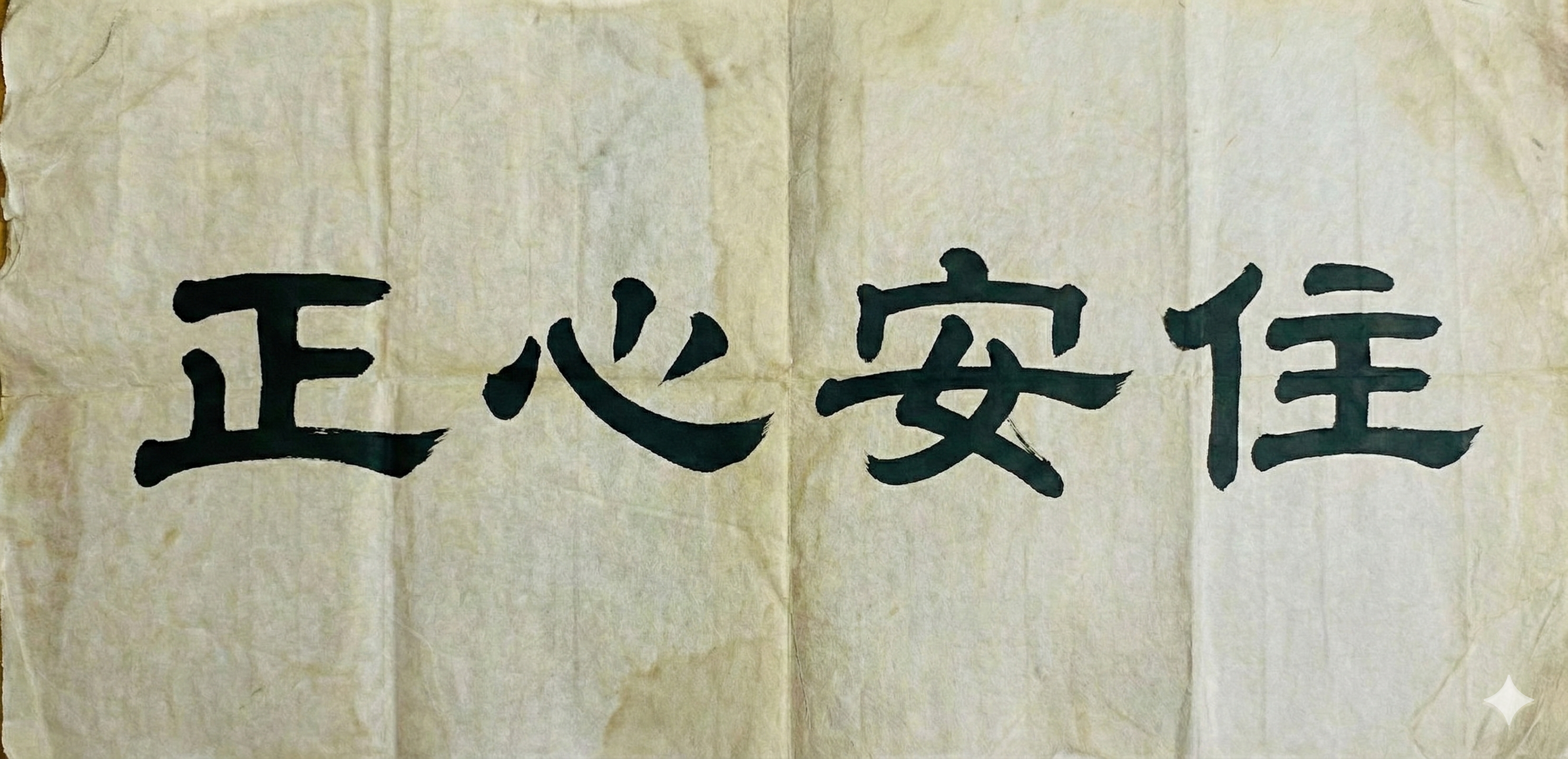

○ Art Therapy Guidance
The illusion of heightened alertness can be expressed with bright blocks of color and defined boundaries. Draw the relationship between excitement, efficiency, staying up late, and impulsiveness, reminding yourself: even when things seem to be getting better, be mindful of overexertion. Be gentle with yourself. Take your time, don't force yourself. Stop and look at your work after you finish. Don't explain it to anyone. If you feel uncomfortable, pause. Put safety first. Completing just a little today is good enough. Let the colors accompany you slowly. Don't strive for beauty, just strive for observability. Take your time.
Please log in before submitting your drawings and feelings.

○ Diary Healing Suggestions
Journaling Healing Suggestions: Please write down the most impactful aspect of your current "illusory functional improvement" regarding hypothermia, and a small action you'd like to try. You can record whether increased efficiency is due to factors like staying up late, overexertion, impulsiveness, or relationship friction. True stability isn't just about how much you accomplish, but also about feeling safe. Let words be a gentle companion. After writing, please pause and feel your body. It doesn't have to be complete; just be truthful. If you're feeling overwhelmed, prioritize your safety. Accomplishing even a small thing today is commendable. Please save this record for your future self. Take it slow; there's no need to rush to change everything.
Please log in to use.
May you gradually return to a more stable, clear-headed, and gentler version of yourself through today's practice.