
Lesson 1197: The Effects of Eating Rhythms and Blood Glucose Fluctuations on Mood

Duration:70 minutes
Topic Introduction:This section explains the impact of eating rhythms and blood sugar fluctuations on mood. Skipping breakfast, overeating, or consuming too much refined sugar can make your body more unstable. By eating regularly, having gentle snacks, and following a low-burden diet, you can provide more physical support for your emotions. Gentle observation is more helpful than blame. Let care begin small. Allow yourself to learn slowly. Understanding just one thing today is good enough.
○ Course Topic Audio
Lesson 1197: The Effects of Eating Rhythms and Blood Glucose Fluctuations on Mood
Click to view the read-aloud text
Now, gently turn your attention back to yourself. Today we'll learn about "The Effects of Eating Rhythms and Blood Sugar Fluctuations on Mood." Understanding the impact of eating rhythms and blood sugar fluctuations on mood will help you avoid skipping breakfast, overeating, or excessive refined sugar intake, and support your body's rhythms with stable eating habits. If you've ever experienced periods where you suddenly felt very energetic, had many ideas, and were highly efficient, only to subsequently fall into a slump, fatigue, self-blame, or withdrawal, don't rush to blame yourself. One of the difficulties with bipolar II disorder is that it often doesn't manifest as a clear, complete mania, but rather oscillates between hypomania and depression. Hypomanic phases can be misleading, making you feel great, while depressive phases can make you feel like a failure, a regression, or useless. This section is designed to help you see these changes more clearly, rather than labeling yourself more harshly. You can gently observe: Has your sleep become shorter or more irregular recently? Has your energy suddenly increased or decreased significantly? Have you become overly organized in your planning? Have you talked more? Have you become more impulsive? Or have you started to avoid, procrastinate, or repeatedly blame yourself? These are not pieces of evidence to judge you, but rather signals to help you take care of yourself earlier. In your practice, try to replace guessing with recording, immediate reactions with pausing, and enduring alone with seeking help. If you are receiving medication or psychotherapy, please discuss any changes you observe with your doctor or therapist. Do not adjust your medication on your own, and do not suddenly stop care just because you feel better temporarily. Today, you only need to take one small action with you: record a change in mood, sleep, or energy, or establish a stable bedtime routine for yourself. Take it slow; stability doesn't happen overnight. Every time you are willing to see yourself, protect your rhythm, and seek support, you are bringing your life back to a safer, more sustainable direction. Allow yourself to start with the smallest step; there's no need to rush to prove you're all better. If you're feeling a bit tired after hearing this, take a break, drink some water, and feel the ground beneath your feet. Remember, gentleness is not indulgence, but helping yourself move forward in a safer way.

AI Healing Q&A
The eating rhythm Q&A can help you understand the relationship between breakfast, snacks, overeating, or refined sugar and your mood. Please describe your meal times, hunger, and mood changes; the AI will assist in finding more stable and less stressful adjustment methods. Please prioritize sleep and safety. This is only a supplementary tool and not a substitute for treatment. Please record a small action after asking a question. If you are experiencing strong emotions, please ensure your safety first. Contact your doctor or real-life support if needed. Take your time; you don't need to describe everything at once. Please take your time.

○ Music therapy guidance
Themes related to eating rhythms and blood sugar fluctuations can be accompanied by gentle, calming music. While listening, pay attention to whether your body feels hungry, tense, or tired. Music helps you slow down and reminds you that regular eating is also part of emotional care. Let the music bring you back to the present moment. Please prioritize sleep and safety. After listening, please note a bodily sensation. Don't listen for too long; safety is paramount. If your emotions are significantly heightened, choose a slower sound. If you feel overwhelmed, please connect with real-world support. Take it slow.
○Eastern and Western Healing Teas
○ Korean Ginseng and Jujube Tea. Introduction: Ginseng and jujube tea is a traditional Korean health drink that combines the nourishing properties of ginseng and jujubes. Jujubes help replenish blood and energy, improve immunity, while ginseng can boost energy and relieve stress. The combination helps restore physical strength, enhance the body's resilience, and regulate mood swings caused by anxiety or fatigue. Instructions: Add 5 jujubes and 1 slice of ginseng to hot water and boil for 10-15 minutes. Honey can be added to taste. Drink 1-2 times daily to help boost energy, relieve fatigue, and balance emotions.
○ Healing Recipes
○ Ancient Roman Dietary Therapy: Apple Honey Mash
Recommended dishes:Apple Honey Mash Recommended reasons:Apple and honey porridge, based on simple grains, olive oil, herbs, beans, or mild proteins, is suitable as a daily dietary reference for stabilizing rhythms in bipolar II disorder programs. It doesn't aim for strong stimulation or heavy flavors, but rather helps the body obtain clear, gentle, and sustainable energy. When addressing the topic of "the effect of eating rhythms and blood sugar fluctuations on mood," regular eating and low-calorie meals can remind learners that emotional care also needs to start from the physical foundation. Recipe (1–2 servings): practice: When preparing apple and honey porridge, first place the ingredients separately on a plate and observe their color, shape, and aroma. This process can help you gradually shift your focus from emotional fluctuations back to what you are doing. Don't strive for perfection while cooking; just slow down and breathe deeply. Before taking your first bite, remind yourself: I am gently supporting my body today with a simple meal. If you're in a good mood today, slow down your movements; if you're in a bad mood, minimize your steps. Food is not a task, but a gentle respite for your mind and body. Video Title:Apple and Honey Porridge: A Mild and Stable Ancient Roman Dietary Recipe hint:Please understand diet within the overall care plan: regular sleep, medication as prescribed, follow-up visits, psychological support, and a stable lifestyle remain important foundations for the long-term management of bipolar II disorder.Click to view healing recipes
◉ Ancient Roman Dietary Therapy: Apple Honey Mash
I. Recommended Dietary Therapy and Reasons
2. Recipe and Method
3. Small rituals for body and mind
4. Dietary Therapy Experience Record
V. Instructional Videos (approximately 3–5 minutes)
6. Precautions

○Mandala Healing
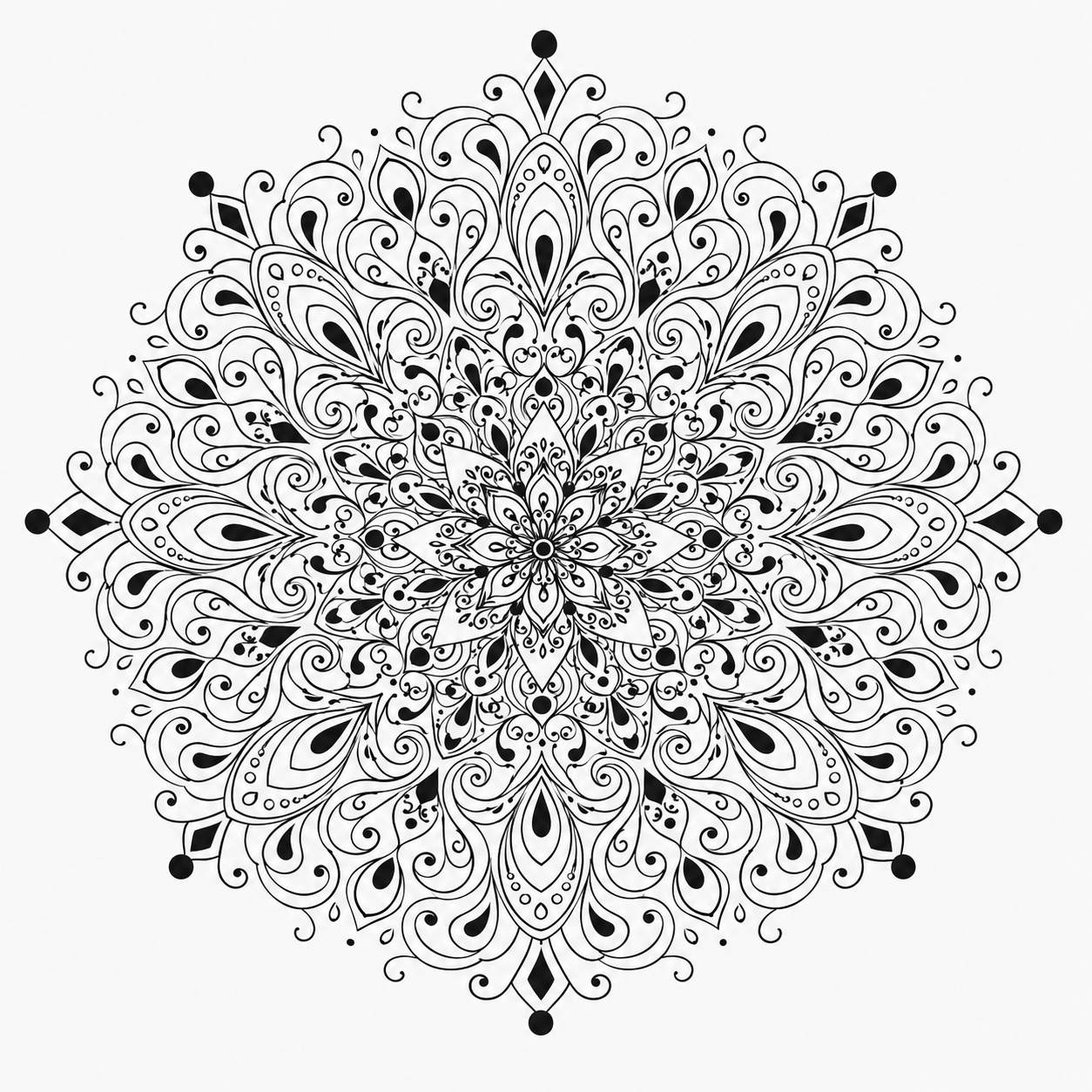
Eating rhythms and blood sugar fluctuations can be understood using a mandala. Regular meals, gentle snacks, and the body's energy form the outer ring supporting the center. While viewing, pay attention to whether your body feels hungry, tense, or tired. If you feel uncomfortable, please pause. Take it slow and be patient. Slow down your gaze and breathing. Prioritize sleep and safety. Completing a little today is good. After viewing, please record a feeling in your body. Don't watch for too long; safety is paramount. Take it slow. Take care of yourself first.
● AI Dynamic Geometric Vision Focus and Emotion Regulation Engine ●
AI Dynamic Geometric Vision Focus and Emotion Regulation Engine · v7.0.0
Before we begin, I'd like to know how you feel right now.
There is no standard answer; just choose the one that best reflects how you feel right now.
The experience is over. Tell us how you feel now.
There is still no standard answer; just choose the one that best reflects how you feel right now.
#FF5252
After the fluorescent line crawling is completed and stopped, first select a color, then click on the closed area in the graphic to fill in the color.
AI Digital Mandala Static Focus EngineAZ Image Coloring · 60 Colors
AI Digital Mandala Interactive Focus Engine
A–Z Free Selection · Layered Lines · 60 Color Fills

○ Calligraphy and engraving therapy practice
The exercises on dietary rhythm and blood sugar fluctuations have no specific content. Please practice gently after meals or at fixed times, noting whether your body feels hungry, tense, or tired, allowing care to begin with regularity. Please be gentle with yourself. Take it slow, don't force it. Relax your wrists after practicing. Don't strive for perfection. If you feel uncomfortable, please stop. Please prioritize safety. Completing a little today is good enough. Let your breathing gradually match the movements. There are no prescribed contents, only focus on the rhythm. Please take it slow.

○ Art Therapy Guidance
Eating rhythms and blood sugar fluctuations can be mapped onto a body energy chart. Represent hunger, satiety, fatigue, and alertness with color. The image helps you understand that regular eating is also part of stabilizing your emotions. Be gentle with yourself. Take your time, don't force yourself. Stop and look at your drawing after you finish. Don't explain it to anyone. If you feel unwell, please stop. Please prioritize safety. Completing just a little today is good enough. Let the colors accompany you slowly. Don't strive for beauty, just strive for observability. Take your time.
Please log in before submitting your drawings and feelings.

○ Diary Healing Suggestions
Journaling Healing Suggestion: Please write down the most impactful aspect of your eating rhythm and blood sugar fluctuations today, along with a small action you'd like to try. You can record meal times, hunger pangs, binge eating urges, or mood changes after eating sweets. Regular eating also provides support for emotional stability. After writing, please pause and feel your body. It doesn't have to be complete; just be truthful. If you're feeling overwhelmed, prioritize your safety. Completing even a small task today is commendable. Please save this record for your future self. Take it slow; there's no need to rush to change everything. When needed, contact real-world support. Let words be a gentle companion.
Please log in to use.
May you gradually return to a more stable, clear-headed, and gentler version of yourself through today's practice.