
Lesson 1373: Daytime Stress Management and Nighttime Sleep Performance

Duration:70 minutes
Topic Introduction:If daytime stress is constantly suppressed, it often manifests as insomnia at night. This section helps you understand the connection between high workloads, emotional suppression, and nighttime wakefulness, and teaches you to release stress beforehand during the day to make room for sleep at night. Small adjustments can be the beginning of recovery. It's important to let your body relearn safety. Gentle and stable rhythms are worth establishing slowly. Observe carefully, and don't rush to blame yourself.
○ Course Topic Audio
Lesson 1373: Daytime Stress Management and Nighttime Sleep Performance
Click to view the read-aloud text
When the nights grow long, it's easy to feel fear, frustration, and even start to dislike your bed and bedroom. Remember, you're not alone. Insomnia can be understood and can be gradually improved through journaling, behavioral adjustments, emotional care, and professional support. This section focuses on "Daytime Stress Management and Nighttime Sleep Performance." Understanding that daytime stress, without an outlet, can easily turn the night into a time when the brain continues to work is crucial. This isn't about solving all your problems immediately, but about moving sleep difficulties away from chaos and self-blame and placing them in a position where they can be observed and adjusted. Begin with gentle observation. Observe the relationship between daytime suppression, rushing to finish tasks, emotional tolerance, and nighttime wakefulness. Focusing solely on "Why can't I fall asleep yet?" will only intensify anxiety; seeing the underlying clues will make sleep less of an uncontrollable outcome. Next, choose a small, consistent exercise. Schedule small release windows during the day so that the night doesn't bear the entire burden of emotional processing. Don't overcomplicate the changes; the simpler and more repeatable the changes, the easier it is for your nervous system to gradually rebuild a sense of security. This course content cannot replace evaluations by doctors, psychologists, or sleep specialists, but it can help you better record, communicate, and seek help. Please bring today's content back to a real night. Improved sleep isn't about commanding your body, but about taking better care of yourself both day and night. Every time you record your sleep, every time you reduce stimulation, every time you ease your anxiety, you're helping sleep slowly return. Don't see missing a night as a failure; it's simply a signal that needs gentle observation. Your daytime rhythm, your evening environment, and your pre-sleep thoughts can all be gradually adjusted. When anxiety rises, return to your breathing, your body, and the present moment, rather than continuing to chase sleepiness. Stabilizing sleep isn't about forcing yourself, but about accompanying your body step by step back to a regular rhythm. If you only achieve a little today, please acknowledge that you're already taking care of yourself. Please give your body some time; it needs to relearn the night through repeated safe experiences. Please make today's practice gentler and more steady, allowing your body to gradually regain trust in the night.

AI Healing Q&A
If daytime stress has no outlet, it often manifests as insomnia at night. You can describe your workload, emotional distress, unfinished tasks, and physical tension to the AI. The AI will help you design small releases during the day, such as short breaks, task wrapping, or emotional journaling. Sleep isn't just something to deal with at night; taking care of stress during the day paves the way for a better night. Even finding a small, manageable space helps you gradually bring sleep back to a sense of security; there's no need to rush to prove you're doing a good job.

○ Music therapy guidance
If daytime stress has no outlet, it easily turns into the brain working overtime at night. Music therapy doesn't have to be used only before bed; you can also schedule short periods of quiet music during the day to help release some emotions beforehand. Listening to a few minutes of low-stimulation melodies after get off work is like putting a period to the day. This way, you don't have to bear all the stress at night. Please treat music as daytime care, not something you only use when you're about to break down.

○Eastern and Western Healing Teas
○ Cocoa Healing· Citrus Cocoa Drink
introduce:Citrus fruits are rich in Vitamin C, which can boost immunity and enhance mental health. The refreshing aroma of citrus combined with the warm taste of cocoa can uplift the spirit and relieve stress-induced tension. This drink is suitable for drinking in the morning to help cleanse the body of toxins and restore vitality and positive energy.
usage:Mix 2 tablespoons of raw cocoa powder with 250ml of hot water, add fresh citrus juice (from one citrus fruit), stir well, and finally add honey to taste. Drink every morning to help wake up your body, refresh your mind, and relieve stress.
Course Reminder:After using the "Daytime Stress Management and Nighttime Sleep Performance" course, please treat tea as a gentle support in sleep care, not a therapeutic substitute. Before and after drinking tea, observe your sleep onset time, number of nighttime awakenings, stomach comfort, body tension, daytime stress, and screen time before bed to help you gradually see the relationship between beverages, circadian rhythms, and sleep.
Notice:People with insomnia may be more sensitive to caffeine, cocoa, ginseng, ginger, chili, strong tea, sugar, and nighttime water intake. It is recommended to consume drinks containing green tea, black tea, matcha, cocoa, or ginseng in the morning or afternoon, avoiding them before bedtime. If you have chronic insomnia, palpitations, gastroesophageal reflux, diabetes, kidney disease, are pregnant, breastfeeding, are currently taking medication, or have special health conditions, please prioritize following the advice of your doctor and nutritionist.
○ Healing Recipes
○ Japanese Dietary Therapy: Yuzu Steamed Egg
Recommended dishes:Yuzu Chawanmushi Recommended reasons:If daytime stress has no outlet, it will continue to be active at night. Steamed egg with grapefruit is soft and easy to digest, making it a good reminder to schedule small stress-relieving moments during the day, allowing you to bear less stress at night. This recipe, based on the principles of gentleness, low stimulation, and repeatability, helps the body achieve some stability in its eating rhythm. It cannot directly "induce sleep," but it can be integrated into a regular sleep schedule, bedtime ritual, and stress management, becoming part of sleep care. Recipe (1–2 servings): practice: When preparing this dish, please slow down, don't rush, and pay more attention to the temperature, aroma, and changes in the ingredients. If you're experiencing sleep problems tonight, don't worry about whether you'll be able to sleep; just treat this meal as a gentle signal to your body. Before consuming, please pause for three breaths and observe your current physical condition: Are your eyes tired? Are your shoulders and neck tense? Is your stomach comfortable? Are you still feeling rushed? Diet is not meant to control sleep, but to help your body return to a regular rhythm. Take your first bite slowly. When eating in the evening, control your portion size and avoid eating too much, too sweet, too spicy, or too late. Let food be part of your bedtime slowdown, not a new stimulus. Video Title:Steamed Egg with Grapefruit: A gentle dietary approach to slowing down and stabilizing sleep rhythms, as discussed in a sleep disorder course. hint:Improved sleep usually comes from a combination of factors: a fixed wake-up time, daytime light exposure, regular activity, de-stimulation before bedtime, emotional relaxation, and, if necessary, undergoing CBT-I or professional evaluation.Click to view healing recipes
◉ Japanese Dietary Therapy: Yuzu Steamed Egg
I. Recommended Dietary Therapy and Reasons
2. Recipe and Method
3. Small rituals for body and mind
4. Dietary Therapy Experience Record
V. Instructional Videos (approximately 3–5 minutes)
6. Precautions

○Mandala Healing
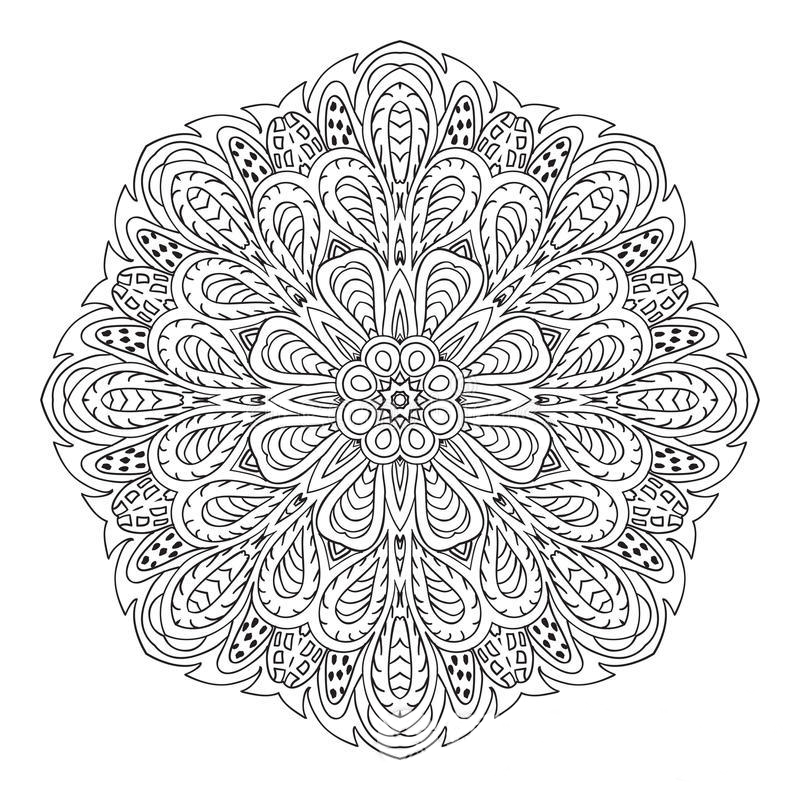
If daytime stress has no outlet, it easily turns into the brain working overtime at night. Mandala viewing doesn't have to be limited to bedtime; it can also be done briefly during periods of high daytime stress. Pause when focusing on the center, and slowly relax your tension when looking at the outer rings. Releasing some stress during the day reduces the amount of emotional processing you feel at night. Treat these few minutes as daytime care; don't wait until you break down to allow yourself rest.
● AI Dynamic Geometric Vision Focus and Emotion Regulation Engine ●
AI Dynamic Geometric Vision Focus and Emotion Regulation Engine · v7.0.0
Before we begin, I'd like to know how you feel right now.
There is no standard answer; just choose the one that best reflects how you feel right now.
The experience is over. Tell us how you feel now.
There is still no standard answer; just choose the one that best reflects how you feel right now.
#FF5252
After the fluorescent line crawling is completed and stopped, first select a color, then click on the closed area in the graphic to fill in the color.
AI Digital Mandala Static Focus EngineAZ Image Coloring · 60 Colors
AI Digital Mandala Interactive Focus Engine
A–Z Free Selection · Layered Lines · 60 Color Fills

○ Calligraphy and engraving therapy practice
If daytime stress has no outlet, it's easy to continue working overtime at night. Calligraphy practice doesn't have to be limited to before bed; you can also practice briefly during periods of high stress in the day. It doesn't specify particular words or phrases, but simply allows the strokes to pause for a few minutes, letting you relieve some tension. Releasing a little during the day means you won't bear the full burden of stress at night. Please allow yourself small moments of recovery during the day; don't wait until you break down to start taking care of your sleep.

○ Art Therapy Guidance
If daytime stress has no outlet, it's easy for it to resurface at night. When you paint, you can express the emotions you've suppressed during the day, instead of waiting until bedtime to deal with them. Perhaps it's work stress, unfinished tasks, or the fatigue you've been holding back. Letting these feelings be seen during the day reduces the burden you bear at night. After painting, create a quiet space for yourself and remind your body that some of today's stress has been absorbed.
Please log in before submitting your drawings and feelings.

○ Diary Healing Suggestions
For today's log, please connect the stress of the day with your sleep at night. Write down what made you tense today, what emotions you suppressed, and what tasks you didn't finish. If you can't sleep at night, it might be that the unresolved stress from the day is still lingering. Finally, write down a small action: schedule a short break tomorrow during the day, even if it's just five minutes. Releasing some stress in advance will reduce the forced overtime at night and allow for more sleep.
Please log in to use.
May you gradually return to a more stable, clear-headed, and gentler version of yourself through today's practice.