
Lesson 1440: Long-term strategies for improving somatic symptom disorders

Duration:70 minutes
Topic Introduction:Long-term improvement requires integrating cognition, behavior, medical collaboration, lifestyle, and family support. This section helps you establish a maintainable review mechanism, not aiming for complete symptom elimination, but rather gradually restoring function, trusting your body, and returning to life. May you slowly learn to cooperate with your body again. Please observe gently first, without rushing to blame yourself. Each record helps you get closer to the clues.
○ Course Topic Audio
Lesson 1440: Long-term strategies for improving somatic symptom disorders
Click to view the read-aloud text
Please listen to this section with gentleness and honesty. Physical discomfort is real, and so is worry; it's just that when worry, scanning, checking, and avoidance cycle repeatedly, the body finds it harder to calm down. This section focuses on "Long-Term Strategies for Improving Somatic Symptom Disorders." Long-term improvement isn't about achieving complete symptomlessness, but about gradually restoring function, reducing worry, building trust in the body, and reintegrating into life. This statement might give you some space: symptoms need to be taken seriously, but not necessarily monitored around the clock; the body needs care, but not to be taken over by fear. When learning, please start with specific situations. Cognition, behavior, medical collaboration, routines, exercise, diet, and family support can all be part of a stabilizing system. Please try to record the time, intensity, emotions at the time, what you were doing, how you responded, and whether that response made the body feel more at ease or strengthened the worry. Next, please choose a small, steady exercise. This section helps you establish an annual review and long-term maintenance mindset. Change doesn't require you to immediately stop worrying, but rather to have a gentler option when worry arises: pause, breathe, observe function, return to your plan, or contact reliable professional support. The course content cannot replace a doctor's diagnosis, necessary examinations, or psychological treatment. If you experience acute, severe pain, difficulty breathing, altered consciousness, continued deterioration, or significant bleeding, please seek medical help immediately. After listening, please write down one observation that resonated with you today, and a small action you're willing to try. It can be small, such as reducing one search, postponing one examination, taking three slow exhalations, or changing your symptom log to a daily journal. Small actions will gradually help your body regain a sense of security. Every time you reduce unnecessary examinations, you're giving your life a little more space. You can gradually learn to cooperate with your body again, instead of constantly fighting it. True recovery often comes from stable repetition, not from a one-time complete solution. If you can only do a little today, please acknowledge that you are already taking care of yourself. Your body is not the enemy; it is reminding you that you need support in its own way.
AI Healing Q&A
Long-term improvement requires integrating cognition, behavior, lifestyle, and doctor-patient collaboration. You can ask AI to help you with monthly or annual reviews: which methods were effective, which risks remain, and how to maintain them in the future. AI will remind you to focus on functional life rather than completely eliminating every sensation. Your body will fluctuate, but you can become better at taking care of yourself and less driven by fear.

○ Music therapy guidance
Long-term improvement requires gentle, repetitive, and maintainable approaches. Music can be part of your annual review and daily routine: identify which sounds help you lower your alertness, which make you more anxious, and when is it most effective to use it. Consider music alongside cognitive exercises, activity recovery, regular sleep patterns, and doctor-patient collaboration. The goal is not to completely eliminate every sensation, but to ensure that you can reliably take care of yourself even when your body experiences fluctuations.

○Eastern and Western Healing Teas
○ Western Healing Tea: Turmeric and Honey Golden Milk
introduce:Ginger-gold milk combined with honey not only has anti-inflammatory and antioxidant properties but also promotes gut health and digestion. Honey has natural antibacterial properties and helps soothe gastrointestinal discomfort and boost overall immunity. This drink is particularly effective in relieving sleep problems and low mood caused by anxiety and stress.
usage:Heat 250ml of milk until warm, add 1/2 teaspoon of turmeric powder, stir well, and then add 1 teaspoon of honey for flavor. Drink this every night before bed to help calm nerves and reduce tension and anxiety.
Course Reminder:After completing the course on "Long-Term Strategies for Improving Somatic Symptom Disorders," please treat tea drinking as part of your mental and physical well-being and observation of bodily sensations, rather than as a means of repeatedly confirming your physical safety. Before and after drinking tea, you can record physical discomfort, intensity of worry, urges to check, urges to search online, stomach comfort, sleep, and mood changes to help yourself gradually shift from a symptom-oriented approach to one focused on function and daily life.
Notice:It's important to respect your actual physical experience when dealing with somatic symptom disorders and avoid turning tea drinking into a new safe behavior. If you experience acute, severe pain, difficulty breathing, altered consciousness, worsening symptoms, significant bleeding, severe dehydration, or red flag symptoms as indicated by your doctor, please contact in-person medical resources immediately. Beverages containing licorice, ginger, ginseng, green tea, black tea, peppermint, turmeric, black pepper, honey, or milk are not suitable for everyone. If you have chronic illnesses, are pregnant, breastfeeding, are taking medications, have blood pressure or blood sugar issues, gastroesophageal reflux, or food allergies, please prioritize following the advice of your healthcare provider and nutritionist.
○ Healing Recipes
○ Japanese Dietary Therapy: Ginger Oil Spinach Stir-Fry
Recommended dishes:Ginger Oil Spinach Stir-Fry Recommended reasons:Suitable for summarizing long-term improvement strategies, this recipe reminds you to integrate cognition, behavior, lifestyle, family support, and medical collaboration into a maintainable system. Based on the principles of gentleness, stability, and low stimulation, it is suitable as a small exercise for mental and physical well-being within a somatic symptom disorder program. It cannot replace medical examinations, doctor's diagnoses, or psychotherapy, but it can help you build a sense of security in your daily life: "I am taking care of my body." Recipe (1–2 servings): practice: When preparing this dish, please focus on the actions at hand: washing, chopping, stirring, heating, and serving. If you repeatedly notice discomfort in a certain part of your body, don't rush to check or explain it; just think to yourself: I see this feeling. Before consuming, take three slow exhales and observe whether you feel any tension in your shoulders, neck, chest, stomach, palms, and jaw. Allow your body to feel these sensations, while gently focusing your attention back on the color, temperature, aroma, and taste. Please take your first sip slowly. If you experience significant pain, chest tightness, difficulty breathing, worsening symptoms, or red flag symptoms as indicated by your doctor today, please seek medical attention first. If it is just amplified familiar anxiety, please use the course exercises to bring your attention back to your function and the present moment. Video Title:Stir-fried spinach with ginger oil: A gentle and nourishing dietary approach to support physical safety and focus in courses on somatic symptom disorder. hint:Long-term improvement of somatic symptoms requires the joint participation of stable doctor-patient collaboration, cognitive behavioral exercises, reduced repeated examinations, regular routines, moderate physical activity, emotional expression, and family support.Click to view healing recipes
◉ Japanese Dietary Therapy: Ginger Oil Spinach Stir-Fry
I. Recommended Dietary Therapy and Reasons
2. Recipe and Method
3. Small rituals for body and mind
4. Dietary Therapy Experience Record
V. Instructional Videos (approximately 3–5 minutes)
6. Precautions

○Mandala Healing
Long-term improvement requires a combination of cognitive, behavioral, and lifestyle changes, as well as collaboration between doctors and patients. When viewing a mandala, you can visualize the center as a sense of physical security, and the outer ring as representing sleep, exercise, diet, follow-up appointments, family support, and value-based actions. The image reminds you that the goal is not to completely eliminate every sensation, but to be able to steadily take care of yourself even when your body experiences fluctuations. You will become less and less controlled by fear.
● AI Dynamic Geometric Vision Focus and Emotion Regulation Engine ●
AI Dynamic Geometric Vision Focus and Emotion Regulation Engine · v7.0.0
Before we begin, I'd like to know how you feel right now.
There is no standard answer; just choose the one that best reflects how you feel right now.
The experience is over. Tell us how you feel now.
There is still no standard answer; just choose the one that best reflects how you feel right now.
#FF5252
After the fluorescent line crawling is completed and stopped, first select a color, then click on the closed area in the graphic to fill in the color.
AI Digital Mandala Static Focus EngineAZ Image Coloring · 60 Colors
AI Digital Mandala Interactive Focus Engine
A–Z Free Selection · Layered Lines · 60 Color Fills

○ Calligraphy and engraving therapy practice
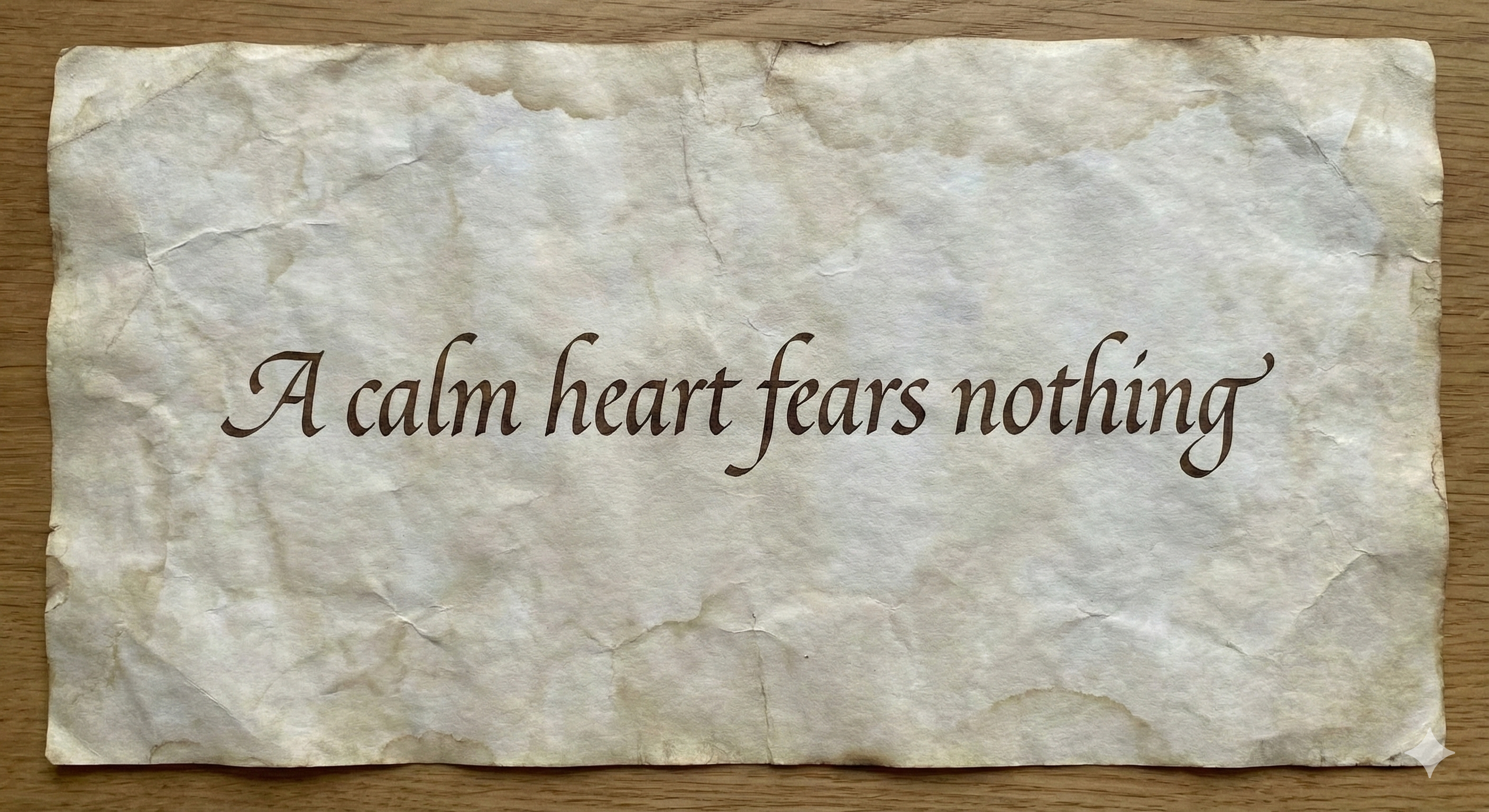
Long-term improvement requires a combination of cognitive, behavioral, and lifestyle changes, as well as collaboration between doctors and patients. The calligraphy practice doesn't specify any particular words or phrases; it's simply a tool for annual review and daily stability, helping you recall which methods are effective and which signals to pay attention to. The goal isn't to eliminate every bodily sensation, but to be able to steadily take care of yourself even when your body fluctuates. You will become less and less controlled by fear.

○ Art Therapy Guidance
At the end of the course, you can draw a long-term care map. Put cognitive adjustment, behavioral exercises, sleep patterns, exercise and diet, doctor-patient collaboration, family support, and value-based actions on the same sheet of paper. Please don't strive for a perfect route; your body will fluctuate, and life will change. The map is simply a reminder that the goal is not to eliminate every sensation, but to gently and steadily care for yourself even when you have sensations.
Please log in before submitting your drawings and feelings.

○ Diary Healing Suggestions
The journal section is for guiding you after the "Long-Term Strategies for Improving Somatic Symptom Disorders" lesson. Write down the most impactful point from today's lesson, and a small action you're willing to try. You can summarize effective exercises and recurring difficulties, and write down a small action you're willing to stick to long-term. Please write in an honest, concise, and manageable way. There's no need for deep analysis, and you don't need to write it for anyone else; the important thing is to let your feelings be gently seen. After you're finished, gently close the journal and take a slow breath. It doesn't need to be complete, nor does it need to appear strong.
Please log in to use.
May you gradually return to a more stable, clear-headed, and gentler version of yourself through today's practice.
This unit's comprehension test
After completing the lesson's main topic, you can access the corresponding lesson's comprehension test here.