

Lesson 1457: Exposure and Rumination Training (Information/Sensory/Context)

Duration:70 minutes
Topic Introduction:The course title and description aim to gently guide you into "Exposure and Rumination Training (Information/Sensation/Situation)." It introduces methods for engaging with fearful information, sensations, and situations within a safe framework, while practicing stopping repetitive verification to gradually reduce anxiety. This content is for psychological education and self-care reference only and cannot replace medical diagnosis, psychotherapy, or emergency treatment. There is no need to rush to change yourself.
○ Course Topic Audio
Lesson 1457: Exposure and Rumination Training (Information/Sensory/Context)
Click to view the read-aloud text
Before we begin, take a deep breath. Today we'll learn about "Exposure and Rumination Training (Information/Sensory/Context)." Exposure and rumination training isn't about pushing you into fear, but rather about gradually engaging with information, sensations, and contexts within a safe framework, while practicing avoiding repetitive verification. This will help learners understand the training principles, allowing their bodies to gradually discover that anxiety can rise and fall. Remember, health anxiety isn't a sign of weakness, but rather an overprotective mindset formed by the nervous system and thought patterns. Our goal isn't to ignore the body, but to care for it with greater boundaries and clarity. When learning, please don't push yourself too hard. You can focus on understanding just one concept, noting just one trigger point, or trying delayed confirmation only once. If you experience physical discomfort, please follow your doctor's advice first; if it's just heightened anxiety, slow your breathing and give your body time to confirm safety. At the end, give yourself a gentle reminder: I can care for my health without being completely consumed by fear. Today, we only need to take one step forward, not complete all the changes at once. Take it slow; stability is more important than perfection. You can silently repeat to yourself: Observe first, then act; be calm first, then judge. Every time you're willing to stop, you're paving the way for new feelings of security. Don't rush to convince your fears; simply bring your attention back to a small, actionable movement. Allow yourself to gently and professionally relearn how to connect with your body. When you're willing to reduce the need for constant confirmation, you're giving life more space. Take it slow, be calm first. Take it slow, be calm first. Take it slow, be calm first. Take it slow, be calm first. Take it slow, be calm first. Take it slow, be calm first. Take it slow, be calm first. Take it slow, be calm first. Take it slow, be calm first. Take it slow, be calm first. Take it slow, be calm first. Take it slow, be calm first. Take it slow, be calm first. Take it slow, be calm first. Take it slow, be calm first. Take it slow, be calm first. Take it slow, be calm first. Take it slow, be calm first. Take it slow, be calm first. Take it slow, be calm first.

AI Healing Q&A
Exposure training isn't about forcing yourself to be afraid, but rather about engaging with fearful information, sensations, or situations within a safe framework, and practicing without repeatedly seeking confirmation. You can describe the minimum acceptable steps to the AI. The AI will help you design progressive exercises and methods to stop rumination. If there are real medical risks involved, please consult a doctor first. The goal is to teach the brain: I can continue living even with uncertainty.
○ Music therapy guidance
Music can serve as a safe companion during exposure and rumination training. Choose calm, low-stimulation sounds and play them when encountering mildly frightening information, sensations, or situations to help you avoid immediately fleeing or seeking confirmation. Music is not about suppressing your fear, but about supporting you to remain in the situation despite uncertainty. If there are real medical risks involved, please consult a doctor first.
○Eastern and Western Healing Teas
○ Eastern Healing Tea - Winter Melon Flower Tea: Winter melon flower tea has cooling, heat-clearing, and relaxing properties, making it suitable for hot weather, stress-induced headaches, irritability, or feeling heavy-hearted. Its light taste helps the body gradually calm down from tension and anxiety. Instructions: Steep an appropriate amount of winter melon flowers in hot water for 5-10 minutes, adding a small amount of honey if desired. Drink once daily, suitable for hot weather or when feeling hot. When used in conjunction with the course "Exposure and Rumination Training (Information/Sensation/Situation)," the process of brewing tea, waiting, and slowly sipping can be used as a small exercise of pausing the search and repeatedly confirming information. Gentle Reminder: This tea recipe is for daily dietary and emotional well-being reference only and cannot replace medical diagnosis, psychotherapy, medication, or emergency treatment. Pregnant women, breastfeeding mothers, children, those with chronic illnesses, allergies, or those currently taking medication should consult a professional first.
○ Healing Recipes
○ Western Herbal Nutrition: Chamomile Honey Warm Tea
Recommended dishes:Chamomile Honey Warm Tea Recommended reasons:Exposure and rumination training requires a safe framework. The post-course diet can serve as a small step in stabilizing the nervous system after practice, helping the body understand that anxiety, once it rises, will gradually subside. This diet is based on gentle, stable, and low-stimulation principles, helping the body gain some sustainable support. It cannot replace medical evaluation, nor can it directly treat anxiety disorders, but it can be used as part of regular eating habits, rhythm management, and mind-body observation. Recipe (1–2 servings): practice: Before preparing this dish or drink, please pause and observe the intensity of your current anxieties: are they ordinary health concerns, or have you developed an urge to repeatedly search, self-check, seek confirmation, or avoid the issue? Please do not blame yourself; simply treat these reactions as signals that need to be gently recorded. Before eating or drinking, take three slow breaths and observe your eyes, head, shoulders, neck, chest, stomach, and heartbeat. If you are thinking of searching or repeatedly checking right now, treat this recipe as a pause point before deciding whether you really need to take the next step. Take your first bite slowly. Daytime meals can be combined with sunlight, short breaks, and activity; evening meals should be portion-controlled to avoid overeating, excessive sweetness, or drinking too much water that may affect sleep. Video Title:Chamomile and Honey Warm Drink: A gentle dietary approach to health anxiety observation and stabilizing rhythms, supported by exposure and rumination training (information/physical/situational) courses. hint:If you are constantly plagued by fear of illness, require frequent checkups or verification, are unable to work or study, experience significant sleep impairment, or show signs of acute physical danger, please contact a doctor, psychologist, or emergency resources in person as soon as possible.Click to view healing recipes
◉ Western Herbal Nutrition: Chamomile Honey Warm Tea
I. Recommended Dietary Therapy and Reasons
2. Recipe and Method
3. Small rituals for body and mind
4. Dietary Therapy Experience Record
V. Instructional Videos (approximately 3–5 minutes)
6. Precautions
○Mandala Healing
Before doing exposure exercises, you can look at a mandala to confirm your safe boundaries. The center represents a small point you're willing to engage with today, while the outer circle serves as a reminder to stop constantly seeking confirmation, continue breathing, and maintain your activity. Exposure isn't about throwing yourself into fear and forcing yourself to endure it; it's about allowing your brain to learn new experiences within your comfort zone. The image acts like a quiet companion, reminding you that fear is acceptable, but you don't have to run away immediately.
● AI Dynamic Geometric Vision Focus and Emotion Regulation Engine ●
AI Dynamic Geometric Vision Focus and Emotion Regulation Engine · v7.0.0
Before we begin, I'd like to know how you feel right now.
There is no standard answer; just choose the one that best reflects how you feel right now.
The experience is over. Tell us how you feel now.
There is still no standard answer; just choose the one that best reflects how you feel right now.
#FF5252
After the fluorescent line crawling is completed and stopped, first select a color, then click on the closed area in the graphic to fill in the color.
AI Digital Mandala Static Focus EngineAZ Image Coloring · 60 Colors
AI Digital Mandala Interactive Focus Engine
A–Z Free Selection · Layered Lines · 60 Color Fills

○ Calligraphy and engraving therapy practice
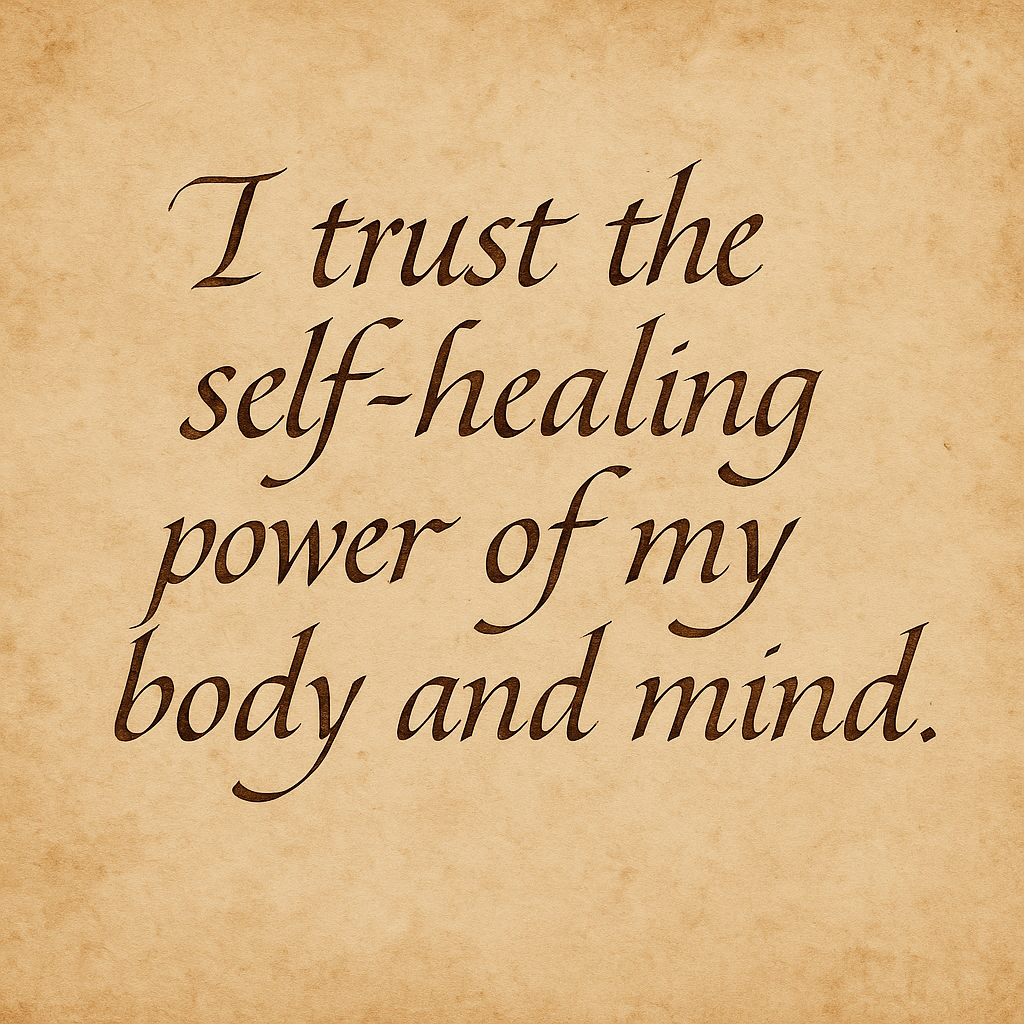
Before and after exposure and rumination training, writing can serve as a stable framework. The exercises don't specify content; they only help you confirm safe boundaries and stop the urge to repeatedly seek confirmation. Write a little before starting to slow your body down; write a little more afterward to help your mind settle. Exposure isn't about toughing it out, but about learning within manageable limits: fear is acceptable, but I don't have to run away immediately.

○ Art Therapy Guidance
Before exposure practice, you can draw a small staircase. Place the easiest trigger on the lowest step, and gradually increase the difficulty as you go up. Draw a support symbol next to each step, representing breathing, stopping verification, pausing the search, or contacting support. Please don't draw it as a very steep mountain. The practice is not about overcoming fear, but about gradually learning within a safe range: it's okay to be afraid, but I can also stay still.
Please log in before submitting your drawings and feelings.

○ Diary Healing Suggestions
The journal section is designed to help you write down the most impactful point from today's lesson, and a small action you'd like to try, after the "Exposure and Rumination Training (Information/Sensation/Context)." You can record your anxiety curve after a safe exposure and write down a small step you completed without repeated verification. Please write in an authentic, concise, and manageable way. There's no need for deep analysis, and you don't need to write it for anyone else; the important thing is to let your feelings be gently seen. Take your time. After you're finished, gently close the journal and take a slow breath. It doesn't need to be complete, nor does it need to appear strong.
Please log in to use.
May you gradually return to a more stable, clear-headed, and gentler version of yourself through today's practice.