

Lesson 1533: Family Intervention, Communication, and Boundaries

Duration:70 minutes
Topic Introduction:This course focuses on family intervention, communication, and boundaries, helping learners and their families gradually break free from cycles of blame, concealment, and control. The course will guide you on how to express needs, explain risks, and set boundaries regarding money and alcohol, ensuring support doesn't become indulgence and that boundaries are imbued with respect. It also clarifies the next steps. It reduces the burden of one person bearing the burden alone.
○ Course Topic Audio
Lesson 1533: Family Intervention, Communication, and Boundaries
Click to view the read-aloud text
This lesson focuses on family intervention, communication, and boundaries. Drinking problems often affect more than just one person; they impact partners, parents, children, and the overall atmosphere of the family. Family members may feel anger, fear, or disappointment, and their attempts to help may escalate into control, blame, or constantly cleaning up the mess. Learning family communication helps clarify support and minimize harm. For learners, it's a chance to practice honestly and openly explaining their situation: "I'm facing a drinking problem, what kind of help do I need, and what responsibilities am I willing to take?" For family members, boundaries are equally important, such as not covering up dangerous behaviors, not providing unlimited financial support, and not escalating conflicts during drunken arguments. Boundaries are not a lack of love, but rather protecting the relationship from further depletion. Truly effective support is both warm and principled; it acknowledges the pain while maintaining safety. Remember, every reminder in this course is not meant to make you more afraid, but to help you see yourself more safely. You can approach change at your own pace, or seek help from professionals, family, or trusted friends when needed. Recovery isn't about proving you've never fallen, but about being prepared before you fall, being willing to turn back after you fall, and repeatedly bringing yourself back to a more stable life. If this resonates with you, please don't rush to criticize yourself. You can write down the most important sentence of the day, or simply record a small action you're willing to try. Change often doesn't happen suddenly, but accumulates slowly through many gentle, specific, and actionable small choices. Please prioritize safety and place yourself back in a position where you deserve to be cared for. In the learning ahead, you don't need to solve all problems at once. Identifying a risk, mitigating a trigger, contacting a supporter, taking care of your body—these all count. May you feel less shame in understanding and more strength in action, so that recovery is no longer just endurance, but a gradual regaining of direction in life. This can serve as a gentle reminder for you today: having your problems seen doesn't mean your life is negated; needing help doesn't mean you're not good enough. Please give yourself some time to break down complex experiences into manageable steps.
AI Healing Q&A
Before discussing drinking with family members, you can ask AI to help you organize your thoughts more clearly: what I've encountered, what responsibilities I'm willing to take, and what support I need. It can also help you write boundary statements, making communication less accusatory and more reassuring. If arguments are common at home, you can have AI rewrite the message into calmer text before choosing a more stable time to communicate. Confirming the other person's sobriety and availability beforehand can reduce misunderstandings and escalation of emotions. It's advisable to first convert the message into text and then find a suitable time to speak.

○ Music therapy guidance
Before engaging in family communication, play some gentle, non-harsh music to calm emotions. While listening, practice replacing blame with expression: What have I encountered? What do I need? What am I willing to take responsibility for? If you're still feeling confused, wait a moment before speaking, allowing the conversation to begin clearly. If you feel like crying while listening, it might be because things have been building up in the relationship for too long. Let the melody catch your emotions first, and once you've calmed down, decide what to say. Avoid rushing to hurt others with your words.

○Eastern and Western Healing Teas
○ Eastern Healing Tea - Longan and Red Date Tea Introduction: Longan and red dates are believed to replenish qi and blood, and calm the mind. Longan can help improve insomnia caused by anxiety, while red dates help enhance physical strength and boost immunity. This tea can help alleviate low mood and lack of energy caused by depression, restoring physical and mental health. Instructions: Boil 10 red dates and 5 longans in hot water for 20 minutes. Honey can be added before drinking. Drink once daily to help restore physical strength, soothe emotions, and improve mood.
○ Healing Recipes
○ Mediterranean Diet: Spinach and Chickpea Stew
Recommended dishes:Spinach and chickpea stew Recommended reasons:Spinach and chickpea stew, based on mild ingredients, light seasoning, and sustainable energy, is suitable as a daily dietary support in alcohol and substance use disorder programs. When addressing the theme of "family intervention, communication, and boundaries," food doesn't play a therapeutic role, but it can help learners bring their attention back to their bodies, reducing imbalances caused by fasting, fatigue, mood swings, or impulsive eating. It reminds you that recovery is not just about avoiding risk, but also about rebuilding the ability to care for yourself through each meal. Recipe (1–2 servings): practice: When preparing spinach and chickpea stew, separate the ingredients beforehand and observe their color, aroma, and the sensation of your hands. If you're feeling overwhelmed, opt for the simplest version; if you're physically tired, reduce the portion size. Before taking your first bite, pause for a few seconds to savor the temperature, aroma, and texture, making this meal a gentle reminder to reconnect with your body. If you're feeling craving, anxious, down, or impulsive today, please don't turn cooking into stress. Being able to prepare a simple meal is already a good thing; food is support, not a task. Video Title:Spinach and chickpea stew: A nourishing recipe for stabilizing your body and mind's rhythms. hint:Please understand diet within the overall care plan: regular sleep, a stable schedule, professional support, companionship, physical examinations, and necessary treatments remain important foundations for long-term recovery.Click to view healing recipes
◉ Mediterranean Diet: Spinach and Chickpea Stew
I. Recommended Dietary Therapy and Reasons
2. Recipe and Method
3. Small rituals for body and mind
4. Dietary Therapy Experience Record
V. Instructional Videos (approximately 3–5 minutes)
6. Precautions

○Mandala Healing
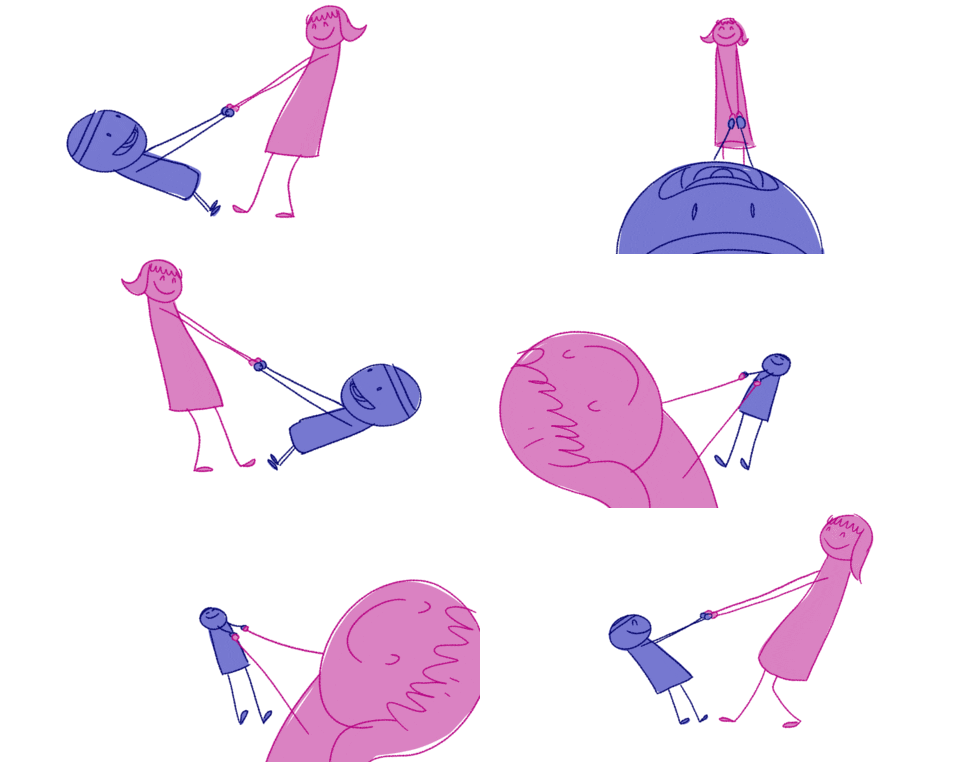
Love, disappointment, worry, and boundaries are often intertwined within a family. Imagine these feelings as circles of varying distances: some close together, others needing space. You don't need to solve everything in one diagram; simply honestly present your current feelings. A mandala can help you see that support isn't about endless concessions, and boundaries aren't about indifference; both coexist, and the relationship has a better chance of stabilizing. When relationships have boundaries, the emotional tension gradually decreases. Both of you will feel more at ease.
● AI Dynamic Geometric Vision Focus and Emotion Regulation Engine ●
AI Dynamic Geometric Vision Focus and Emotion Regulation Engine · v7.0.0
Before we begin, I'd like to know how you feel right now.
There is no standard answer; just choose the one that best reflects how you feel right now.
The experience is over. Tell us how you feel now.
There is still no standard answer; just choose the one that best reflects how you feel right now.
#FF5252
After the fluorescent line crawling is completed and stopped, first select a color, then click on the closed area in the graphic to fill in the color.
AI Digital Mandala Static Focus EngineAZ Image Coloring · 60 Colors
AI Digital Mandala Interactive Focus Engine
A–Z Free Selection · Layered Lines · 60 Color Fills

○ Calligraphy and engraving therapy practice
Family communication is filled with love, but it also often involves grievances and boundaries. Please maintain a clear sense of distance in your writing; don't cramm the paper too full. When practicing, you don't need to write any dialogue; just feel where you want to connect and where you need to leave space. Boundaries are not indifference; they are protecting the relationship from further damage. After practicing, you can put the paper away; don't rush to show it to anyone. First, let yourself feel the security of having your boundaries respected before deciding whether to continue communicating. Your heart will feel less conflicted. Leave space first.


○ Art Therapy Guidance
Support, worry, disappointment, and boundaries within a family are often intertwined. When drawing, you can use elements of varying distances and densities to represent the closeness, tension, and space within a relationship. You don't need to solve all the problems on this paper; simply honestly present your current feelings. After finishing the drawing, you might understand better: gentleness doesn't mean having no boundaries, and clear boundaries can actually reduce the strain on a relationship. Seeing the true nature of the relationship will gradually ease your mind.
Please log in before submitting your drawings and feelings.

○ Diary Healing Suggestions
Family communication often leaves one wanting to get closer yet also wanting to distance oneself. Today's journal entry can have three parts: what I hope my family understands, what I'm willing to take responsibility for, and what I cannot accept. Please try to express yourself clearly and without being aggressive. For now, let the words speak for themselves; don't rush to send them to anyone. Just let yourself see that support needs warmth, but also boundaries, and these two things can coexist. For now, let the words speak for themselves; keep this draft for yourself. Once your emotions have calmed down, then decide whether to use it for communication or simply for self-reflection. Let the words carry your emotions first; communication doesn't need to be rushed.
Please log in to use.
May you gradually return to a more stable, clear-headed, and gentler version of yourself through today's practice.