
Lesson 1660: Take care of your emotions first when procrastinating
Duration:70 minutes
Topic Introduction:When procrastinating, people often think they're just lazy, but often it's actually fear, frustration, or excessive pressure that drives them to seek refuge online. This lesson aims to help you prioritize your emotions before tackling tasks. Break down tasks into smaller, manageable steps and allow yourself time to slow down. Once your emotions are acknowledged, taking action becomes much easier. If you soothe yourself before starting, you'll find that action doesn't always require coercion; it can also be achieved through gradual understanding. Calm your mind before tackling the small tasks at hand.
○ Course Topic Audio
Lesson 1660: Take care of your emotions first when procrastinating
Click to view the read-aloud text
Procrastination isn't always laziness. Sometimes, procrastination stems from tasks that are too difficult, chaotic, or frightening; sometimes, it's because you're already exhausted and don't know where to begin; and sometimes, it's a resistance to something you can't quite articulate. The internet acts as a temporary escape in these situations, shielding you from that pressure. But after browsing, the task remains, and your mind feels even heavier. Today's lesson aims to remind you that when procrastinating, prioritize your emotions before tackling the task. Ask yourself: What am I truly afraid of? Is it failing, or not knowing how to begin? Then break the task down into smaller, manageable steps, small enough to be willing to take even a small action. For example, don't write the entire article, just open the file; don't complete all the work, just list three key points. Once your emotions are recognized, action won't be so difficult. Don't rely solely on forcing yourself forward. Often, a person who feels understood has more energy to begin than one who is criticized. Settle your mind first, then take that small step. Next, you can apply "Prioritizing Emotions When Procrastinating" to a small exercise: write down the emotions behind your procrastination, then break the task down into a small, willing action. In the theme "Take Care of Your Emotions Before Procrastination," you don't need to immediately change your habits perfectly, nor do you need to prove your self-control to anyone; simply stopping to observe is already a process of recovery. If you feel the urge to return to the screen during practice, gently acknowledge this impulse by focusing on taking care of your emotions before procrastination, and give yourself some breathing room. You are learning to take care of your emotions before procrastination, which requires patience and understanding. You can also leave a personal reminder after finishing "Take Care of Your Emotions Before Procrastination" and place it somewhere easily visible tomorrow. This reminder doesn't need to be beautifully written; just be sincere, useful, and understandable tomorrow. Regarding taking care of your emotions before procrastination, don't strive for complete change; simply make yourself a little more clear-headed than yesterday. If you can only do a little today, consider it a real practice from Lesson 1660. Lesson 1660 doesn't require you to immediately become someone else; it only invites you to slowly return to yourself.

AI Healing Q&A
When procrastinating, addressing your emotions first is more effective than simply scolding you. You can tell the AI the task you're avoiding, and describe your physical and mental reactions when you think about it. The AI will help you distinguish between fear, frustration, fatigue, and not knowing where to begin, and break the task down into the easiest steps. After receiving guidance, only do the first step. Don't rush to complete everything. Starting even a little is already more powerful than continuing to run away. Let action grow from understanding. Begin slowly.

○ Music therapy guidance
When procrastinating, prioritize your emotions. Listen to some gentle, soothing music. Don't continue browsing the web while listening; instead, set the task aside and calm your mind. While listening, ask yourself: What am I afraid of? What's the smallest step I need to take? After the music ends, only take the first step; you don't have to finish everything. Starting even a little is more empowering than continuing to blame yourself. When your emotions are taken care of first, action no longer relies solely on coercion but gradually becomes feasible.

○Eastern and Western Healing Teas
Golden milk and cinnamon are a good way to address your emotions when procrastinating. Heat 250ml of milk, add 1/2 teaspoon of turmeric powder and 1/2 teaspoon of cinnamon powder, and stir well. When drinking this in the evening, don't rush to blame yourself for procrastinating; just let your body warm up first. Once your emotions are settled, break the task down into the smallest steps, making action less difficult. After drinking the milk, you can break the task down to the lightest step and start with that; you don't need to force yourself to finish it all at once. Starting small is more effective than continuing to run away.
○ Healing Recipes
○ Ancient Roman Diet: Roman Mixed Vegetables
Recommended dishes:Roman Mixed Vegetables Recommended reasons:Roman Mixed Vegetables, based on grains, olive oil, beans, vegetables, herbs, or mild protein, is suitable as a daily rhythm support in courses on digital lifestyle imbalance and internet addiction recovery. Digital lifestyle imbalance often leads to rushed meals, delayed sleep, and a weakened sense of physical well-being. This dish doesn't aim for stimulation, but rather helps the body achieve stable, refreshing, and sustainable energy. When faced with the theme of "taking care of emotions before procrastination," it reminds you that recovery isn't about forcefully fighting against the screen, but about giving your body a gentle resting place. Recipe (1–2 servings): practice: When preparing Roman Mixed Vegetables, put your phone out of your reach and give yourself some uninterrupted cooking time. Washing, chopping, waiting, and stirring don't need to be perfect; just be slow and steady. When your attention wanders back to the screen, focus on the color, temperature, and aroma of the ingredients. Before taking your first bite, remind yourself: I am gently supporting my recovery today with a real meal. If you're feeling tired today, simplify your cooking to the bare minimum; if you're feeling irritable, slow down your movements. Food isn't a new task, but rather a gentle support for your mind and body. Video Title:Roman Mixed Vegetables: A gentle and nourishing recipe for a digital lifestyle recovery. hint:Please understand diet within the overall recovery plan: regular sleep, moderate exercise, digital boundaries, real-world connections, emotional journaling, and necessary professional support remain important foundations for recovering from digital life.Click to view healing recipes
◉ Ancient Roman Diet: Roman Mixed Vegetables
I. Recommended Dietary Therapy and Reasons
2. Recipe and Method
3. Small rituals for body and mind
4. Dietary Therapy Experience Record
V. Instructional Videos (approximately 3–5 minutes)
6. Precautions

○Mandala Healing
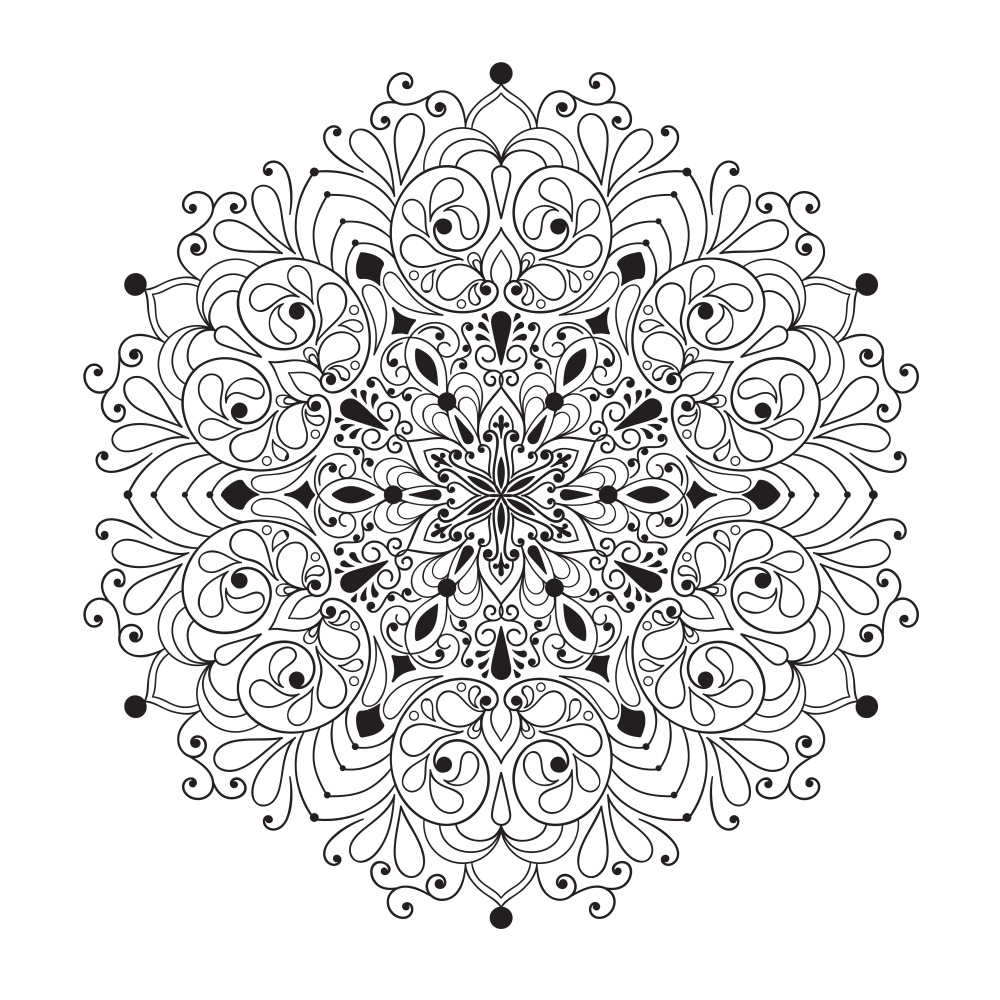
When you procrastinate, don't rush to blame yourself. Look at a mandala with soft colors, and take your eyes off the webpage or app you're avoiding. While looking at the center, ask yourself: What am I really afraid of? What's the smallest step? The answer doesn't have to be perfect; just getting started is enough. After viewing, do only the first step of the task, allowing action to grow from understanding. When emotions are addressed first, action no longer relies solely on coercion but gradually becomes possible. Make starting less difficult.
● AI Dynamic Geometric Vision Focus and Emotion Regulation Engine ●
AI Dynamic Geometric Vision Focus and Emotion Regulation Engine · v7.0.0
Before we begin, I'd like to know how you feel right now.
There is no standard answer; just choose the one that best reflects how you feel right now.
The experience is over. Tell us how you feel now.
There is still no standard answer; just choose the one that best reflects how you feel right now.
#FF5252
After the fluorescent line crawling is completed and stopped, first select a color, then click on the closed area in the graphic to fill in the color.
AI Digital Mandala Static Focus EngineAZ Image Coloring · 60 Colors
AI Digital Mandala Interactive Focus Engine
A–Z Free Selection · Layered Lines · 60 Color Fills

○ Calligraphy and engraving therapy practice
When procrastinating, calligraphy practice can address emotions first, rather than continuing to blame oneself. Encourage learners to temporarily set aside the task and first stabilize their bodies through the steady writing motion. Don't rush to solve everything during practice; simply slow down and focus on the smallest step. Start a little more after finishing the initial writing; action will come more easily. By settling emotions before approaching the task, learners don't have to force themselves to act. This step is crucial. It's powerful. Start small.


○ Art Therapy Guidance
When procrastinating, drawing can address emotions first, rather than continuing to blame oneself. Ask learners to draw the stress of the task as color, size, or weight, and then draw a small starting point next to it. The drawing doesn't need to solve everything; just let the mind see the lightest step. After finishing, don't try to complete the task all at once; just get a little closer. When emotions are seen first, the task won't feel like a mountain, and learners will find it easier to start small. Starting small is good too. Don't rush.
Please log in before submitting your drawings and feelings.
○ Diary Healing Suggestions
When procrastinating, prioritize your emotions in your journal; don't rush to push yourself. Write down the task you're avoiding, and how your body reacts when you think about it—is it tension, fatigue, annoyance, or fear of failing? Next, write down the smallest step you can take, something so small you can get a little closer now. Procrastination isn't just laziness; it often hides underlying pressure. Finally, record the small things you're willing to accomplish, allowing action to grow from understanding. If you still don't want to do it after writing it down, don't rush to berate yourself. Do a physical activity to relieve the pressure in your mind, then decide whether to take the first step. This small step forward will make the task less daunting and give you more energy.
Please log in to use.
May you gradually return to a more stable, clear-headed, and gentler version of yourself through today's practice.