
Lesson 478: Long-Term Adjustment Plans and Practice Tracking

Course duration:70 minutes
This course develops a long-term regulation plan and tracks its implementation. Emotion regulation is not something you learn all at once, but rather a process of repeated practice, recording, and correction. The course will help you set weekly goals, select core tools, track trigger changes, and gradually transfer your regulation skills to more scenarios.
○ Course topic audio
Lesson 478: Long-Term Adjustment Plans and Practice Tracking
Click to view the read-aloud text
Today, I want to gently guide you through the topic of long-term emotional regulation planning and practice tracking. Emotional regulation isn't something you learn after just one explanation, nor is it something you can resolve to never have an outburst again. It's more like practicing a life skill; it requires repeated use, recording, and adjustment until it gradually becomes a familiar routine. Please lower your expectations a little. If a long-term plan is too complex, it's easy to give up at the outset. We only need to build a sustainable toolkit. The first part involves choosing three core tools. For example, an emotion journal, a three-second pause, a long exhale, a calming zone, a playlist, boundary statements, and a support contact. Don't choose too many; the three you truly know how to use are more important than a page full of tools you never use. The second part involves assigning usage scenarios for each tool. An emotion journal is suitable for evening reflection; a three-second pause is suitable for the moment of conflict; a calming zone is suitable when the situation escalates to a 7/10; and a support contact is suitable when the risk increases or you feel isolated. The third part involves setting up tracking methods. You can do this once a week, writing down your highest emotional score for the week, which tool you used, its effectiveness, and what you want to adjust next. Tracking isn't about scoring and humiliating yourself, but about making progress visible. You might find that a certain tool doesn't suit you; that's not failure, it just means you need to try a different approach. Part Four: Preparing for Low Points. When you're in a good state, write a complete record; when you're in a bad state, write only a single word. When you're in a good state, you can communicate; when you're in a bad state, send a message saying you need to reply later. The biggest obstacle to long-term adjustment is perfectionism. As long as the plan can be maintained even a little bit during low-energy periods, it's more likely to stay with you. Give yourself a month, not a day. Make only one small change each week: eat earlier, pause earlier, send one less impulsive message, take one more breath, and spend ten minutes less scrolling before bed. Repeated small changes will gradually build a new sense of stability. After reading aloud, write down your three core tools and a weekly review time. Make it simple, realistic, and actionable.

AI Healing Q&A
Long-term adjustment plans require tracking and transfer. AI can help you apply your skills to real-world scenarios: family, work, conflict, bedtime, and reflection. You can choose a focus for the week. AI will help you connect your adjustment skills to values and goals, ensuring they don't just remain practice. Just one small step today. If the pain intensifies, seek professional support promptly. Give yourself patience and space. Take it slow; you don't need to be perfect the first time. Just one small step today.

○ Music therapy guidance
Prepare three small music playlists for yourself: one for cooling down, one for calming, and one for revitalizing. Three songs in each category are enough; don't let the selection become a burden. Whenever you feel elated, down, or tired, you can simply play the corresponding playlist. The simpler and more specific your music tools are, the easier they are to help you in real life.

○East-West Healing Tea Drinks
○ Peppermint Orange Blossom Tea: When making long-term adjustment plans, brew a cup of peppermint orange blossom tea. Peppermint brings alertness, and orange blossom brings soothingness, making it perfect for organizing tools without getting too tense. Please write down three methods that will help you the most; keep them simple. Truly sustainable change often begins with gentle, specific small arrangements.
○ Healing Recipes
○ Healing Recipe: Peppermint Tea
Peppermint tea is refreshing and soothing, perfect for when you have a headache, an upset stomach, or are feeling down. Its refreshing sensation can help lighten your focus. Brew a cup after a meal or in the afternoon, sip it slowly, and let your body breathe in the fresh air, while also easing your mental stress.
Open the healing recipe
◉ Chinese Food Therapy: Yam and Tremella Porridge
I. Recommended Dietary Therapy and Reasons
Recommended dishes:Yam and Tremella Porridge
Recommended reasons:Yam and white fungus porridge has a mild texture that doesn't require vigorous chewing and won't put too much strain on the body, making it suitable for times when quiet, slow eating, and self-care are needed. The process of making and eating it is itself a therapeutic exercise: washing the rice, adding water, waiting, stirring, and serving all remind the body to slowly return to a stable state.
2. Recipe and Method
Recipe (1–2 servings):
- 120g of yam, cut into small pieces
- Soak 1/3 of a white fungus until softened, then tear into small pieces.
- 50 g japonica rice
- 900 ml of water
- A little rock sugar, optional
practice:
- Rinse rice thoroughly. Beans, lotus seeds, and white fungus, which are harder ingredients, can be soaked in advance.
- First, rinse the medicinal ingredients that need to be processed simply. Blanch meat or special ingredients as needed or cut them into small pieces.
- Add water and the main ingredients to a pot, bring to a boil over high heat, then reduce to low heat and simmer.
- Stir gently during cooking to prevent burning and allow the aromas of the ingredients to blend slowly.
- Once the rice grains have opened up and the porridge has become soft and thick, add ingredients that are easy to cook or that need to retain their aroma.
- Season sparingly according to taste, keeping the flavor as light as possible, and avoid overpowering the ingredients with excessive sugar, salt, or strong flavors.
- Let it cool slightly after serving before eating, allowing your body to gradually settle down in the warmth and softness.
3. Small rituals for body and mind
When cooking yam and white fungus porridge, you can first arrange the ingredients neatly so you can see their color, shape, and texture. This small action can help you gradually bring your attention back to the present moment from a chaotic state of mind.
While waiting for the porridge to soften, give yourself three slow breaths. You don't need to explain, apologize, or solve everything immediately; just let your body know that it's safe for now.
When you take your first bite, focus on the temperature, aroma, and soft texture. You can gently tell yourself: I'm taking care of myself; I'm willing to slow down; I can start over.
4. Dietary Therapy Experience Record
- Record the time of consumption: whether it is breakfast, lunch, dinner, or a meal to settle down after emotional fluctuations.
- Observe changes in stomach comfort, body temperature, mental stability, and mood intensity within 30–60 minutes after consumption.
- If you consume it on days when you are prone to emotional outbursts, you can record whether it helps you slow down or gives your body a greater sense of security.
V. Instructional Videos (approximately 3–5 minutes)
Video Title:Yam and Tremella Porridge: A gentle and soothing Chinese medicinal porridge
6. Precautions
- Porridge should be eaten warm, not too hot or too cold, to avoid putting extra strain on the stomach.
- Sugar intake can be reduced or eliminated depending on individual circumstances; those with abnormal blood sugar levels should prioritize following medical advice.
- If you have a poor appetite, you can eat a small amount first and don't have to force yourself to finish the whole bowl.
hint:This recipe is for daily physical and mental well-being and is not a substitute for any medical diagnosis or treatment. If you have chronic illnesses, are pregnant, have a history of allergies, have special nutritional restrictions, or are currently taking medication, please prioritize following the advice of your healthcare provider and nutritionist.

Mandala Viewing Healing
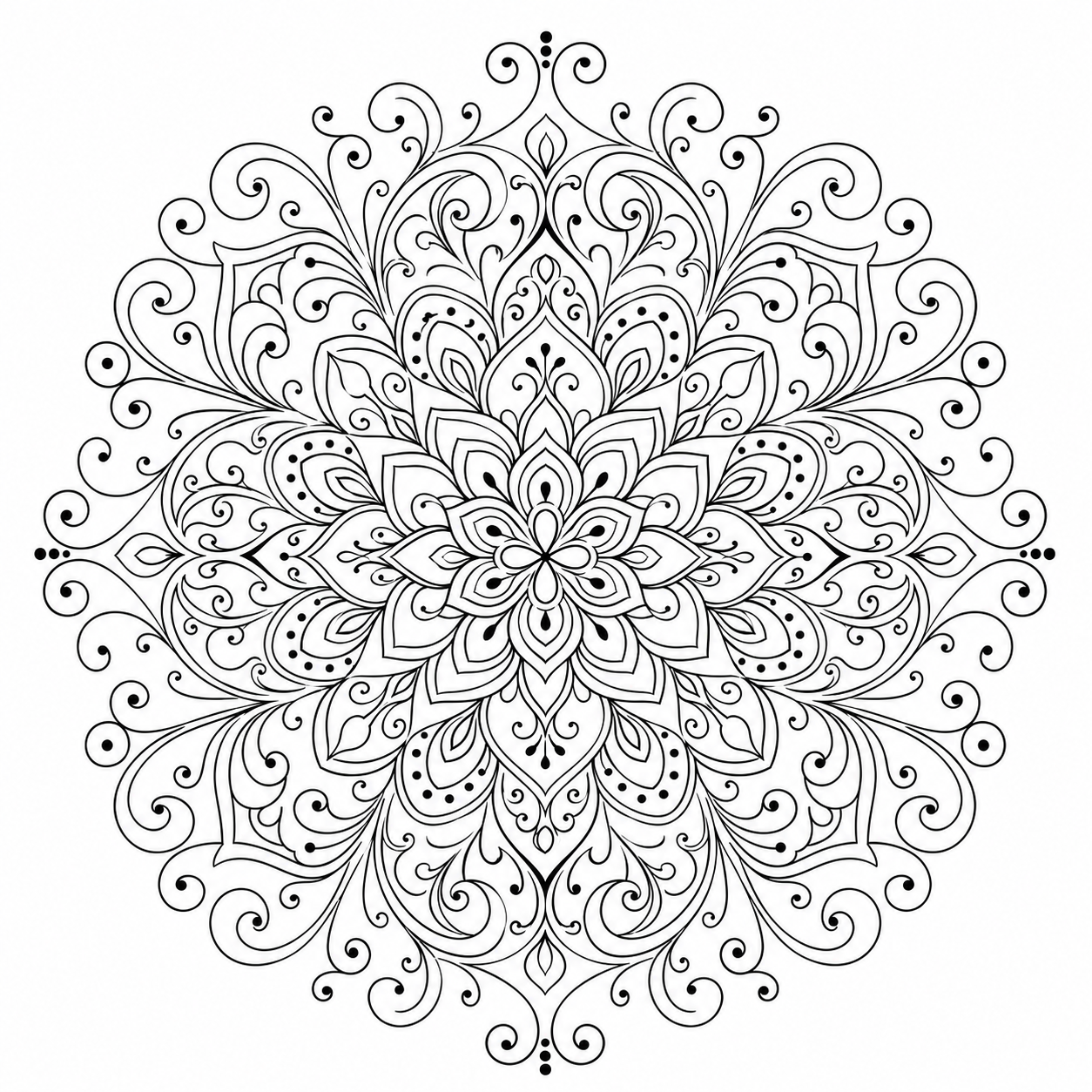
When developing a long-term adjustment plan, think of the mandala as a personal tool tray. Place one method in each circle: breathing, pause words, music, journaling, seeking help, or healing. Watching them revolve around the center reminds you that you don't have to rely solely on willpower. You can have many small tools to gradually support yourself.
● AI Dynamic Geometric Vision Focus and Emotion Regulation Engine ●
AI Dynamic Geometric Vision Focus and Emotion Regulation Engine · v7.0.0
Before we begin, I'd like to know how you feel right now.
There is no standard answer; just choose the one that best reflects how you feel right now.
The experience is over. Tell us how you feel now.
There is still no standard answer; just choose the one that best reflects how you feel right now.
#FF5252
After the fluorescent line crawling is completed and stopped, first select a color, then click on the closed area in the graphic to fill in the color.
AI Digital Mandala Interactive Focus Engine
A–Z Free Selection · Layered Lines · 60 Color Fills
AI Digital Mandala Static Focus EngineAZ Image Coloring · 60 Colors
○ Calligraphy and engraving therapy practice
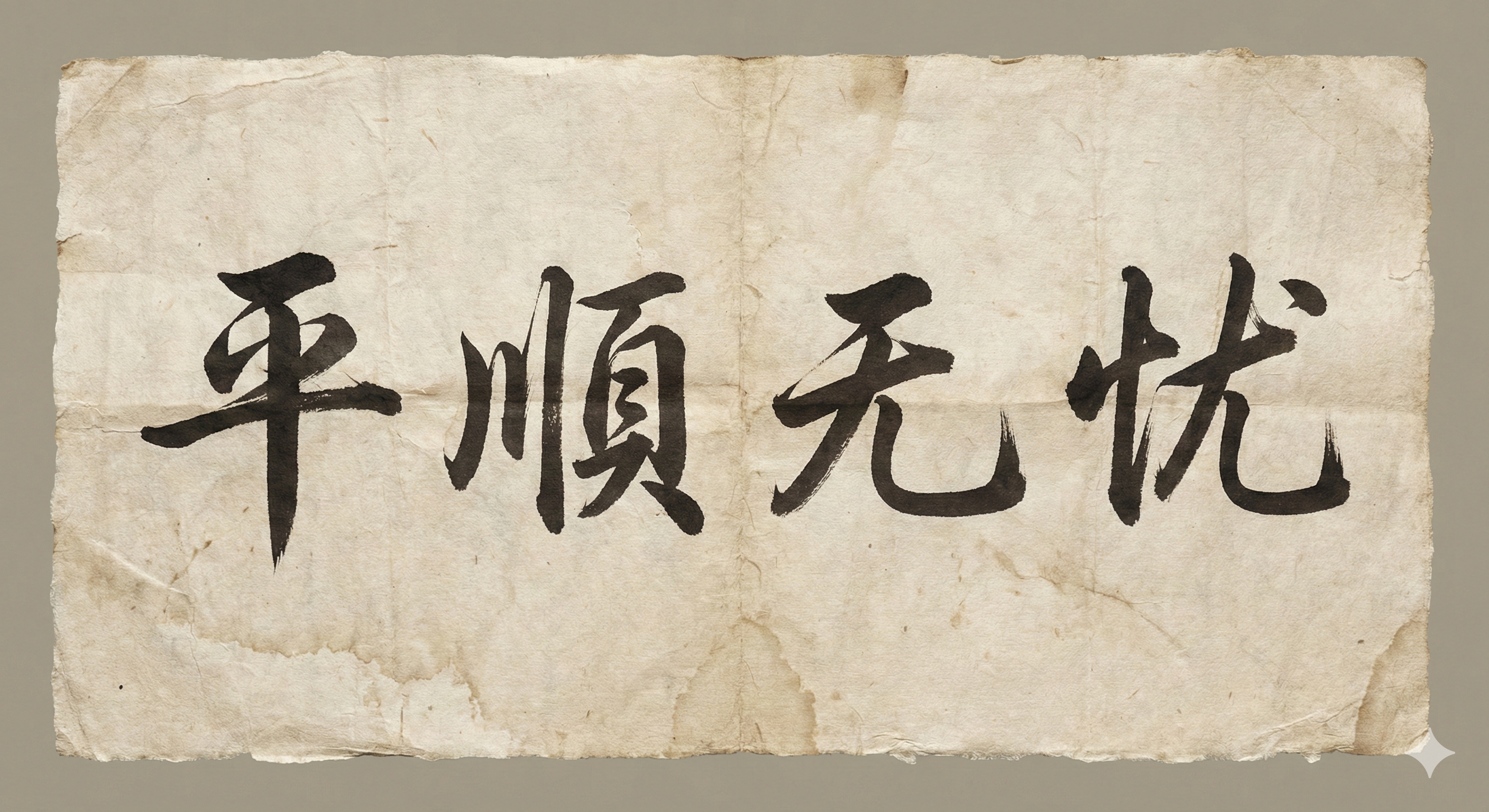
Long-term adjustment plans require tracking and adaptation. Calligraphy can serve as a starting point before your daily journal entry; the content isn't fixed, just to allow your body to enter a stable state. Once your mind has calmed down, review what skills you used that day. Adjustment isn't a one-time technique, but rather an ability to gradually integrate into your life. Even a little bit counts. If you feel uncomfortable, stop. Give yourself some space. Please take it slow. Even a little bit counts. If you feel uncomfortable, stop. Give yourself some space. Please take it slow. Even a little bit counts.

○ Art Therapy Guidance
A long-term adjustment plan can be visualized as a tracking chart: what are my most common triggers, what are my most effective tools, and which one am I planning to practice this week? Don't draw it as a stress chart, but rather as a growth record. The chart will help you gradually integrate adjustment skills from practice into your daily life. It doesn't need to be perfectly drawn. Stop if you feel uncomfortable. Even a little bit counts. Take it slowly. It doesn't need to be perfectly drawn. Stop if you feel uncomfortable. Even a little bit counts. Take it slowly. It doesn't need to be perfectly drawn.
Please log in before submitting your drawings and feelings.

○ Diary Healing Suggestions
In your long-term adjustment plan, please write down the skill you most want to practice this week: pausing, breathing, reflecting, expressing, or repairing. Then write down a small action, placing it in a real-life scenario. Adjustment isn't just something done in courses, but gradually transferred to family, work, and relationships. Please schedule your small actions lightly, so that you have a real opportunity to do them tomorrow. This journal isn't an exam, but a place where you can be understood. Take it slow; stability and safety are more important than speed. After writing, give yourself a gentle affirmation: I'm learning; I don't need to be perfect right away.
Please log in to use.
May you gradually return to a more stable, clear-headed, and gentler version of yourself through today's practice.