

Lesson 479: Accepting the Imperfections of Emotions

Course duration:70 minutes
This lesson practices accepting the imperfections of emotions. Stability doesn't mean perpetual calm, nor does it mean there will never be an outburst. The course will help you lower your expectations of perfection, allow yourself to fluctuate during practice, view progress with a more realistic standard, and allow your self-relationship to no longer be defined by emotional expressions.
○ Course topic audio
Lesson 479: Accepting the Imperfections of Emotions
Click to view the read-aloud text
Today, I want to gently approach you with the theme: accepting the imperfections of emotions. Many people, after learning to regulate their emotions, secretly set themselves a very high standard: I can no longer explode, I can no longer be sensitive, I can no longer be inconsistent, I can no longer disappoint others. But such standards are too heavy; so heavy that any fluctuation immediately becomes a new source of shame. True stability is not perpetual calm, but rather the ability to see yourself more clearly amidst fluctuations, to return to your roots, and to heal yourself. Please place your hand on your heart and gently tell yourself: I can be imperfect, and I can continue to grow. Emotional fluctuations don't mean you've regressed; interrupted practice doesn't mean you've failed; saying the wrong thing today doesn't mean you haven't changed. Change is often not a straight line, but rather sometimes you're better, sometimes you're carried away by old patterns, and then you slowly return. Please recall a moment when you did something slightly better than before. Perhaps you didn't say a harsh word, perhaps you replied a little later, perhaps you were willing to apologize afterward, perhaps you wrote down your body's signals for the first time. These all count. The brain easily remembers failures but ignores small improvements, so you need to actively write them down. Accepting imperfection doesn't mean condoning harm. You still need to take responsibility for your actions, repair relationships, and learn safer ways of doing things. Taking responsibility doesn't have to involve self-attack. You can say: I didn't do well today, but I'm willing to reflect; I hurt others, but I'm also willing to learn; I'll still fluctuate, but I'm building a new path. Please write down a more realistic standard for yourself. Don't write that you must always be stable; write that you're willing to be aware of things sooner. Don't write that you can't get angry anymore; write that you're willing to express yourself in a safer way. Don't write that you must get better immediately; write that you allow yourself to practice slowly. Emotional imperfection is part of being human. You're not a machine; you get tired, you're afraid, you get hurt, and you recover slowly. After reading aloud, please write down one excessively high expectation you're willing to let go of, and then write down a gentler, more realistic new standard.

AI Healing Q&A
Accepting emotional imperfections doesn't mean letting emotions run wild. AI can help you aggregate personal data: triggers, intensity, recovery time, and effective tools. You can create an emotional dashboard. AI will help you see trends, reducing the self-destructive feeling of "I failed again." If the pain intensifies, seek professional support promptly. Give yourself patience and space. Take it slow; you don't need to be perfect the first time. Just take one small step today. If the pain intensifies, seek professional support promptly.

○ Music therapy guidance
Find a piece of music with ups and downs that gradually calms down, to accompany you in understanding the imperfections of your emotions. You don't need to be always stable, nor do you need to handle things perfectly every time. Listen to the changes in pitch and volume, reminding yourself: emotions come, they stay, and they change. Being able to accompany yourself through these emotions is progress.

○East-West Healing Tea Drinks
○ Classic Golden Milk: When embracing emotional imperfections, a warm glass of ginger-gold milk at night can be a helpful reminder. Its color, like a small lamp, serves as a gentle reminder that instability doesn't equate to failure. Sip it slowly, without rushing to judge the day's successes or failures. As long as you're willing to take care of yourself, you're already moving towards a gentler path.
○ Healing Recipes
○ Healing Recipe: Lemongrass Tea
Lemongrass tea has a refreshing herbal aroma, making it suitable for drinking when you're stressed or feeling down. Unlike strong tea, it's not stimulating; instead, its bright scent gently awakens the body. While drinking it, take a few slow exhales to let the fragrance help ease any tightness in your chest.
Open the healing recipe
◉ Chinese Food Therapy: Black Sesame and Black Rice Porridge
I. Recommended Dietary Therapy and Reasons
Recommended dishes:Black sesame and black rice porridge
Recommended reasons:Black sesame and black rice porridge is a gentle way to nourish the body after emotional ups and downs. It doesn't aim for strong stimulation, but rather uses warmth, the aroma of grains, and a soft texture to help the body regain a sense of security. Treat it as a comforting meal, not a task, and allow yourself to relax slowly with each bite.
2. Recipe and Method
Recipe (1–2 servings):
- 50g of black rice, soaked in advance
- 15g of roasted black sesame seeds, ground into powder
- 20g glutinous rice
- 950 ml of clean water
- A little rock sugar, optional
practice:
- Rinse rice thoroughly. Beans, lotus seeds, and white fungus, which are harder ingredients, can be soaked in advance.
- First, rinse the medicinal ingredients that need to be processed simply. Blanch meat or special ingredients as needed or cut them into small pieces.
- Add water and the main ingredients to a pot, bring to a boil over high heat, then reduce to low heat and simmer.
- Stir gently during cooking to prevent burning and allow the aromas of the ingredients to blend slowly.
- Once the rice grains have opened up and the porridge has become soft and thick, add ingredients that are easy to cook or that need to retain their aroma.
- Season sparingly according to taste, keeping the flavor as light as possible, and avoid overpowering the ingredients with excessive sugar, salt, or strong flavors.
- Let it cool slightly after serving before eating, allowing your body to gradually settle down in the warmth and softness.
3. Small rituals for body and mind
When cooking black sesame and black rice porridge, you can first arrange the ingredients neatly so you can see their color, shape, and texture. This small action can help you gradually bring your attention back to the present moment from a state of confusion.
While waiting for the porridge to soften, give yourself three slow breaths. You don't need to explain, apologize, or solve everything immediately; just let your body know that it's safe for now.
When you take your first bite, focus on the temperature, aroma, and soft texture. You can gently tell yourself: I'm taking care of myself; I'm willing to slow down; I can start over.
4. Dietary Therapy Experience Record
- Record the time of consumption: whether it is breakfast, lunch, dinner, or a meal to settle down after emotional fluctuations.
- Observe changes in stomach comfort, body temperature, mental stability, and mood intensity within 30–60 minutes after consumption.
- If you consume it on days when you are prone to emotional outbursts, you can record whether it helps you slow down or gives your body a greater sense of security.
V. Instructional Videos (approximately 3–5 minutes)
Video Title:Black Sesame and Black Rice Porridge: A Gentle and Soothing Chinese Dietary Porridge
6. Precautions
- Porridge should be eaten warm, not too hot or too cold, to avoid putting extra strain on the stomach.
- Sugar intake can be reduced or eliminated depending on individual circumstances; those with abnormal blood sugar levels should prioritize following medical advice.
- If you have a poor appetite, you can eat a small amount first and don't have to force yourself to finish the whole bowl.
hint:This recipe is for daily physical and mental well-being and is not a substitute for any medical diagnosis or treatment. If you have chronic illnesses, are pregnant, have a history of allergies, have special nutritional restrictions, or are currently taking medication, please prioritize following the advice of your healthcare provider and nutritionist.

Mandala Viewing Healing
When accepting the imperfections of your emotions, look at a mandala with its ups and downs. It doesn't have to be perfectly symmetrical in every part, yet it remains complete. Your emotions are the same; they fluctuate, they may be chaotic, but they still deserve to be accepted. Looking at the image, gently tell yourself: I can be imperfect, and I can continue to grow.
● AI Dynamic Geometric Vision Focus and Emotion Regulation Engine ●
AI Dynamic Geometric Vision Focus and Emotion Regulation Engine · v7.0.0
Before we begin, I'd like to know how you feel right now.
There is no standard answer; just choose the one that best reflects how you feel right now.
The experience is over. Tell us how you feel now.
There is still no standard answer; just choose the one that best reflects how you feel right now.
#FF5252
After the fluorescent line crawling is completed and stopped, first select a color, then click on the closed area in the graphic to fill in the color.
AI Digital Mandala Interactive Focus Engine
A–Z Free Selection · Layered Lines · 60 Color Fills
AI Digital Mandala Static Focus EngineAZ Image Coloring · 60 Colors

○ Calligraphy and engraving therapy practice
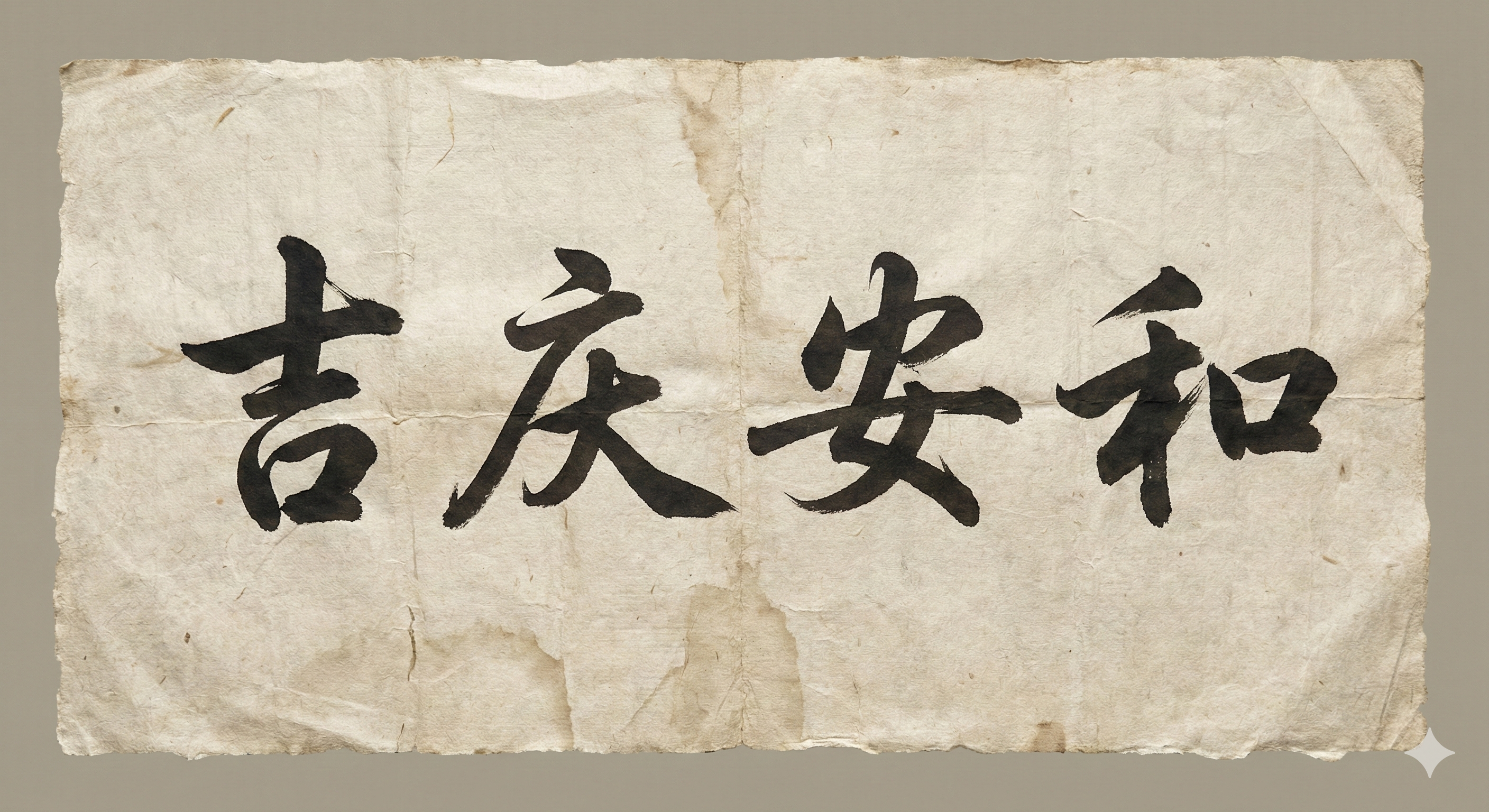
When accepting imperfections in your emotions, writing them down can help reduce total self-criticism. Don't specify what to write; simply let the action remind you: Fluctuations today don't mean I've failed. Once you've stabilized, observe the triggers, intensity, and recovery time. Data will help you more than self-blame. If you feel uncomfortable, pause. Give yourself some space. Take it slow. Even a little bit counts. If you feel uncomfortable, pause. Give yourself some space. Take it slow. Even a little bit counts. If you feel uncomfortable, pause. Give yourself some space.

○ Art Therapy Guidance
When acknowledging the imperfections of emotions, draw a fluctuating curve instead of a straight, flat line. Emotional ups and downs don't mean you've failed. Plot your effective tools on the curve. This will make it easier for you to see that the key isn't to never fluctuate, but rather to learn how to guide yourself back to normalcy during fluctuations. If you feel uncomfortable, pause. Even a little bit counts. Take it slow. It doesn't need to be perfectly drawn.
Please log in before submitting your drawings and feelings.

○ Diary Healing Suggestions
When acknowledging emotional imperfections, write down one emotional fluctuation you experienced today, along with the tools you used and how long it took to stabilize. Then, write down a small action you took, creating your own emotional dashboard based on this data. Fluctuations don't equal failure; the key is understanding how your emotions are triggered and how you gradually recover. Journaling isn't an exam, but rather a place where you can find understanding. Take it slow; stability and security are more important than speed. After writing, give yourself a gentle affirmation: "I'm learning; I don't need to be perfect all at once." If you only achieved a little today, acknowledge that even that little bit counts.
Please log in to use.
May you gradually return to a more stable, clear-headed, and gentler version of yourself through today's practice.