

Lesson 586: Stability Exercises in the Face of Uncertainty

Course duration:70 minutes
Uncertainty can make people want to repeatedly confirm, control, or avoid. You can let AI help you distinguish between real and imagined risks, and then design a manageable, stable exercise so that the unknown no longer completely takes over. Your feelings deserve to be taken seriously. Seeing things clearly before making a choice will be more stable. Keeping actions small makes them easier to stick to. This understanding will protect your recovery rhythm. This kind of organization will make it easier for you to see the next step. Please prioritize safety and affordability. Start this way.
○ Course topic audio
Lesson 586: Stability Exercises in the Face of Uncertainty
Click to view the read-aloud text
Today, I want to gently approach you with the theme: Stability Exercises in the Face of Uncertainty. Uncertainty can be unsettling because it doesn't provide clear answers. What will happen to relationships? Will my job be stable? When will I feel better? Will others understand? Will things ultimately go smoothly? If these questions remain unanswered, the body easily goes on alert. You might repeatedly check, confirm, and rehearse the worst-case scenario, or simply avoid all information. Please don't blame yourself yet. The brain craves certainty to gain a sense of security. However, some answers don't appear immediately; we need to learn to stabilize ourselves in the face of the unknown. Today, we'll practice three tools. First, the Controllable List. Divide things into three categories: uncontrollable, influencing, and controllable. Focus your attention on controllable small actions, such as drinking water, organizing materials, asking a question, or taking a break. Second, the Present Moment Anchor. See three objects, hear two sounds, and feel a point of physical contact to pull your brain back from the future to the present. Third, the Minimum Safety Step. Don't ask how to solve everything; only ask what you can do now to make yourself feel safer, clearer, and more relaxed. This might be writing down the problem, setting a waiting time, contacting supporters, or temporarily leaving the source of the stimulus. Remember, stability isn't about immediately eliminating the unknown, but about preventing yourself from being completely overwhelmed by it before the answer arrives. You may dislike uncertainty, but you can also practice coexisting with it for a while. Next, create a container for the unknown. For example, tell yourself: I'll only think about this for ten minutes tonight, write it down on paper after ten minutes, and look at it again tomorrow. A container gives room for worry, instead of filling the entire night. You can also prepare a calming phrase: I don't know the answer now, but I can still take care of my body and complete the next step. When facing uncertainty, what's most painful is repeatedly asking the same unanswered question. So you can create a "waiting ritual" for yourself. For example, write down the question, fold the paper, place it in a fixed location, and then do a physical action: drink water, wash your face, walk around, stretch. This ritual isn't superstition, but rather tells the brain: the question has been placed, and I don't need to continue guarding it with my whole body. During the waiting period, you can still live, rest, eat, and contact supporters. The unknown is still there, but you don't have to be completely occupied by it. If waiting makes you anxious, you can shorten the waiting time. Wait three minutes, then ten minutes, instead of forcing yourself to not think about it all day. Stability is achieved through phased practice, not by conquering all uncertainty at once. You can also write down your uncertainty in a sentence on a piece of paper, and then write down three small things you are still certain about today: I am sitting here now, I can breathe, I can drink water. Small senses of certainty will help your body gradually settle down. After reading aloud, write a sentence: When the answer hasn't appeared yet, I am willing to return to the controllable list, the present anchor, and the minimum safe steps.

AI Healing Q&A
Uncertainty can make people want to repeatedly confirm, control, or avoid. You can let AI help you distinguish between real and imagined risks, and then design a manageable, stable exercise so that the unknown no longer completely takes over. Your feelings deserve to be taken seriously. Seeing things clearly before making a choice will be more stable. Keeping actions small makes them easier to stick to. This understanding will protect your recovery rhythm. This kind of organization will make it easier for you to see the next step. Please prioritize safety and affordability. Start this way.
○ Music therapy guidance
When facing uncertainty, listen to a piece of repetitive and reassuring music. Start by listing what you can control, then use the middle section as an anchor point for the present moment, and conclude with the minimum safest steps. Let the melody accompany you to stabilize your body and your immediate actions before the answer appears.
○East-West Healing Tea Drinks
Golden milk and almond powder are ideal for maintaining stability in the face of uncertainty. The almond powder adds a delicate texture, while the turmeric milk is gentle and calming, making it suitable for drinking at night or when feeling anxious. Please categorize the unknown into uncontrollable, influenceable, and controllable, and then write down the minimum safest steps.
○ Healing Recipes
Herbal Oat Porridge is a good choice when facing uncertainty. The soft oats and subtle herbal aroma can provide a sense of stability to an anxious body. While eating, write down what is uncontrollable, what can be influenced, and what is controllable, then choose the smallest safest option to prevent the unknown from overwhelming your attention.
Open the healing recipe
◉ Healing Recipe: Oatmeal Herbal Porridge
I. Recommended Dietary Therapy and Reasons
Recommended dishes:Herbal Oat Porridge (soft, calming, and for facing the unknown)
Recommended reasons:This lesson teaches you how to stabilize yourself in the face of uncertainty. Oatmeal and herbal porridge is soft and gentle, suitable for when the unknown makes your body tense. Oatmeal provides sustained stability, while herbs make breathing lighter, reminding you that even before the answer is found, you can still return to a controllable list and the minimum safe steps. Don't try to change your mood immediately while eating it; simply treat this food as a gentle pause, allowing your body to receive support first, making it easier for your mind to make new choices.
2. Recipe and Method
Recipe (1–2 servings):
- 60g oatmeal
- 300 ml of water or milk
- A little thyme or mint
- A little honey, optional
- Very little salt
practice:
- Wash the main ingredients and prepare the parts that need to be cut into pieces, steamed, boiled until soft, or prepared in advance.
- Cook oatmeal with water or milk over low heat until soft, and finally add a small amount of herbal aroma.
- Use low heat, stir gently, or bake at a low temperature to allow the ingredients to meld together in a gentle rhythm.
- Keep the seasoning light, with less salt, sugar, and oil, and avoid using strong, pungent flavors that overpower the ingredients.
- Let it cool slightly after serving before eating. Take your first bite slowly to appreciate the temperature, aroma, and texture.
3. Small rituals for body and mind
When preparing oatmeal porridge, you can first arrange the ingredients neatly, noting their color, shape, and texture, allowing your attention to gradually shift from emotional reactions, relational stimuli, event interpretations, or self-blame back to the present moment.
During the process, take three slow breaths. Don't rush to explain, respond to, or fix all the problems. Just let your body know: I am doing something small that can be accomplished.
When you take your first bite, first feel the temperature and texture, then gently tell yourself: I am taking care of myself, I am willing to take it slow, and I can choose to take the next step again.
If you're still feeling emotional, stop and don't force yourself to continue. What's truly important isn't eating a complete meal, but rather sending your body a safe, gentle signal that it's time to pause.
4. Dietary Therapy Experience Record
- Record the time of consumption; is it a regular meal or a meal to settle down after emotional fluctuations?
- Observe changes in stomach comfort, body temperature, and mood intensity within 30–60 minutes after consumption.
- Write a sentence: After this dietary therapy, what new action do I want to take care of myself?
V. Instructional Videos (approximately 3–5 minutes)
Video Title:Oatmeal Herbal Porridge: Gentle Dietary Support in the Emotional Coping Disorder Course
6. Precautions
- Dietary therapy should be small, mild, and light; there is no need to force yourself to finish a meal when you are not feeling well.
- If you are allergic to grains, beans, nuts, eggs, dairy, fish, honey, or vanilla, please substitute this food.
- This recipe is for daily health maintenance and is not a substitute for medical diagnosis and treatment; please follow medical advice for special physical conditions.
hint:If you experience emotional distress, noticeable or persistent physical symptoms, please seek professional help promptly.

Mandala Viewing Healing
When faced with uncertainty, observe a mandala with a quiet center and an open outer circle. The center represents your current anchor point, while the outer circle represents the unknown. Keep your gaze focused on the center and remind yourself: the answer hasn't appeared yet, but I can still take the smallest safest step.
● AI Dynamic Geometric Vision Focus and Emotion Regulation Engine ●
AI Dynamic Geometric Vision Focus and Emotion Regulation Engine · v7.0.0
Before we begin, I'd like to know how you feel right now.
There is no standard answer; just choose the one that best reflects how you feel right now.
The experience is over. Tell us how you feel now.
There is still no standard answer; just choose the one that best reflects how you feel right now.
#FF5252
After the fluorescent line crawling is completed and stopped, first select a color, then click on the closed area in the graphic to fill in the color.
AI Digital Mandala Interactive Focus Engine
A–Z Free Selection · Layered Lines · 60 Color Fills
AI Digital Mandala Static Focus EngineAZ Image Coloring · 60 Colors

○ Calligraphy and engraving therapy practice
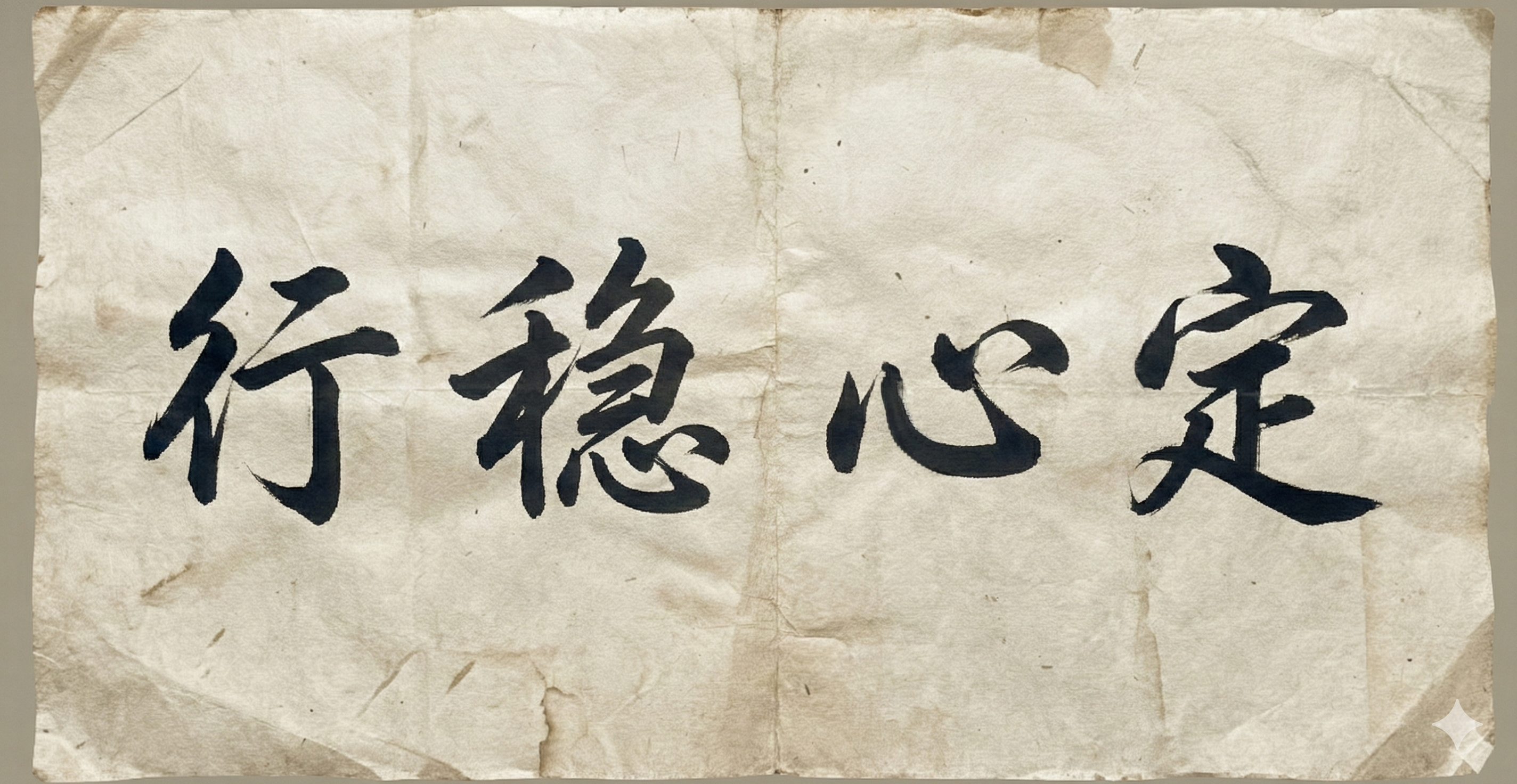
When faced with uncertainty, practice writing or engraving to return to controlled actions. Don't write specific content; just focus on the stroke in your hand, the pause, the breath you take. The unknown still exists, but you can stabilize the present moment first.

○ Art Therapy Guidance
Please draw a large, unknown cloud, with a small anchor point beneath it. The anchor point could be a water glass, a footprint, a list, or a supporter. Don't rush to draw the answer; just let the image remind you that even before the answer arrives, I can still return to a minimum safe step.
Please log in before submitting your drawings and feelings.
○ Diary Healing Suggestions
Please categorize an uncertain situation into three types: uncontrollable, influenceable, and controllable. Then, write down a current anchor point and a minimum safe step. Finally, remind yourself: the answer hasn't appeared yet, but I can still take care of the present moment.
Please log in to use.
May you gradually return to a more stable, clear-headed, and gentler version of yourself through today's practice.