
Lesson 1228: The Periodicity and Triggering Mechanisms of Emotional Fluctuations

Duration:70 minutes
Topic Introduction:This section guides you through the cyclical nature and triggering mechanisms of mood swings. Sleep deprivation, stress spikes, jet lag, and circadian rhythm misalignment can all amplify these fluctuations. Learning about trigger patterns is about proactively caring for yourself, not blaming yourself for being sensitive. Understanding just one point today is enough. Don't rush to change everything. Prioritize your safety. Gentle observation is more helpful than blame. Let care begin with small steps.
○ Course Topic Audio
Lesson 1228: The Periodicity and Triggering Mechanisms of Emotional Fluctuations
Click to view the read-aloud text
Now, gently turn your attention back to yourself. Today, we'll learn about the "Cyclicality and Triggering Mechanisms of Mood Fluctuations." Together, we'll explore the cycles and triggering mechanisms of mood fluctuations, understanding how sleep deprivation, stress spikes, jet lag, and circadian rhythm misalignment amplify these changes. If you find your mood sometimes slightly rising and sometimes slowly falling, don't immediately interpret it as a lack of willpower, unstable personality, or insufficient effort. The difficulty of cyclothymic mood disorders often lies not in sudden loss of control, but in long-term, subtle, and recurring highs and lows: for a period of time, you're more thoughtful, more social, and more likely to commit; for another period, you become tired, procrastinate, withdrawn, or even doubt yourself. If these changes recur, they deserve gentle observation and recording. Try looking back at the past week or month: Is your sleep regular? Have your wake-up and bedtimes shifted significantly? Has your workload fluctuated? Have you over-planned, made impromptu decisions, socialized excessively, or suddenly withdrawn, avoided, or found it difficult to start? These clues are not meant to criticize you, but rather to help you take care of yourself earlier. In this exercise, you can start by choosing a small anchor point: a fixed wake-up time, a regular mealtime, reducing one impromptu commitment, minimizing phone use before bed, or recording your emotions for the day in one to ten minutes. If emotional fluctuations affect your sleep, work, relationships, or lead to dangerous behavior or self-harming thoughts, please contact professional support immediately. You don't need to change everything today; simply being willing to recognize a pattern, protect a rhythm, and perform a small, gentle action is already a step towards stability. Every act of recording and seeking help paves a small path for your future self. Allow yourself time; stability doesn't happen overnight. You can treat this exercise as a gentle self-observation, not an exam. If you feel tired after reading this, please drink some water and feel the ground beneath your feet. Every act of recording and seeking help paves a small path for your future self. Allow yourself time; stability doesn't happen overnight.

AI Healing Q&A
The AI-powered healing Q&A section is designed to help you understand the confusion surrounding the "cyclical nature and triggering mechanisms of emotional fluctuations." You can describe your recent mood swings, impulsive thoughts, fatigue, social changes, and difficulties seeking help. The AI will use gentle questions to help identify risks, resources, and current needs; however, it cannot replace doctors, psychologists, or crisis intervention. If there is a risk of self-harm, please contact offline professional resources immediately. After the Q&A session, please do something small to take care of your body. Please allow yourself time; there's no rush.

○ Music therapy guidance
The guided music therapy section can help you observe your body's rhythms before and after emotional fluctuations. Please choose the same stable music and listen to it at similar times over several consecutive days, noting whether your emotions change with sleep, stress, or events. While listening, don't rush to interpret the music; simply record your body tension, breathing rate, and mood color. Music acts like a gentle mirror, helping you slowly see patterns instead of blaming yourself.
○Eastern and Western Healing Teas
○ Oriental Healing Tea - Orange Blossom Tea. Introduction: Orange blossom tea uses neroli extract, which has a calming effect on the nerves and reduces anxiety. Neroli is often used to relieve stress, improve mood, and help treat insomnia and anxiety. Its aromatic components help relax the body and clear negative emotions. This tea is ideal for drinking when feeling down or under excessive stress. Directions: Take 2-3 dried orange blossom petals, add to hot water, and steep for 5-10 minutes. Drink every evening or during meditation to help relax the mind and body, regulate emotions, and alleviate sleep problems caused by anxiety.
○ Healing Recipes
○ Ancient Roman Diet: Olive Oil and Herb Cereal
Recommended dishes:Herb Cereal with Olive Oil Recommended reasons:Olive oil and herb cereal, based on whole grains, olive oil, herbs, beans, vegetables, or mild protein, is suitable as a daily rhythm support in cyclical mood disorder programs. Cyclic mood disorder is often characterized by alternating periods of mild elevation and mild depression. Diet should not aim for stimulation or complexity, but rather help the body obtain stable, refreshing, and sustainable energy. When dealing with the theme of "the cyclical nature and triggering mechanisms of mood swings," this dish reminds you that stability is not about suppressing all emotions, but about allowing the body to first find a gentle resting place. Recipe (1–2 servings): practice: When preparing olive oil and herb cereal, first place the ingredients separately on a plate and observe their color, shape, and aroma. This process can help you gradually shift your focus from emotional fluctuations, over-planning, or sluggishness back to what's happening at hand. Don't strive for perfection while cooking; simply slow down and breathe deeply. Before taking your first bite, remind yourself: I am gently supporting my body's rhythms today with a simple meal. If you're in a good mood today, slow down your movements and reduce the number of steps; if you're in a bad mood, simplify your cooking to the easiest version possible. Food is not a task, but a gentle support for your mind and body. Video Title:Olive oil and herb cereal: An ancient Roman dietary recipe for stabilizing your circadian rhythm. hint:Please understand diet within the overall care plan: regular sleep, stable schedule, professional support, mood journaling, and necessary treatment remain important foundations for the long-term management of cyclothymia.Click to view healing recipes
◉ Ancient Roman Diet: Olive Oil and Herb Cereal
I. Recommended Dietary Therapy and Reasons
2. Recipe and Method
3. Small rituals for body and mind
4. Dietary Therapy Experience Record
V. Instructional Videos (approximately 3–5 minutes)
6. Precautions

○Mandala Healing
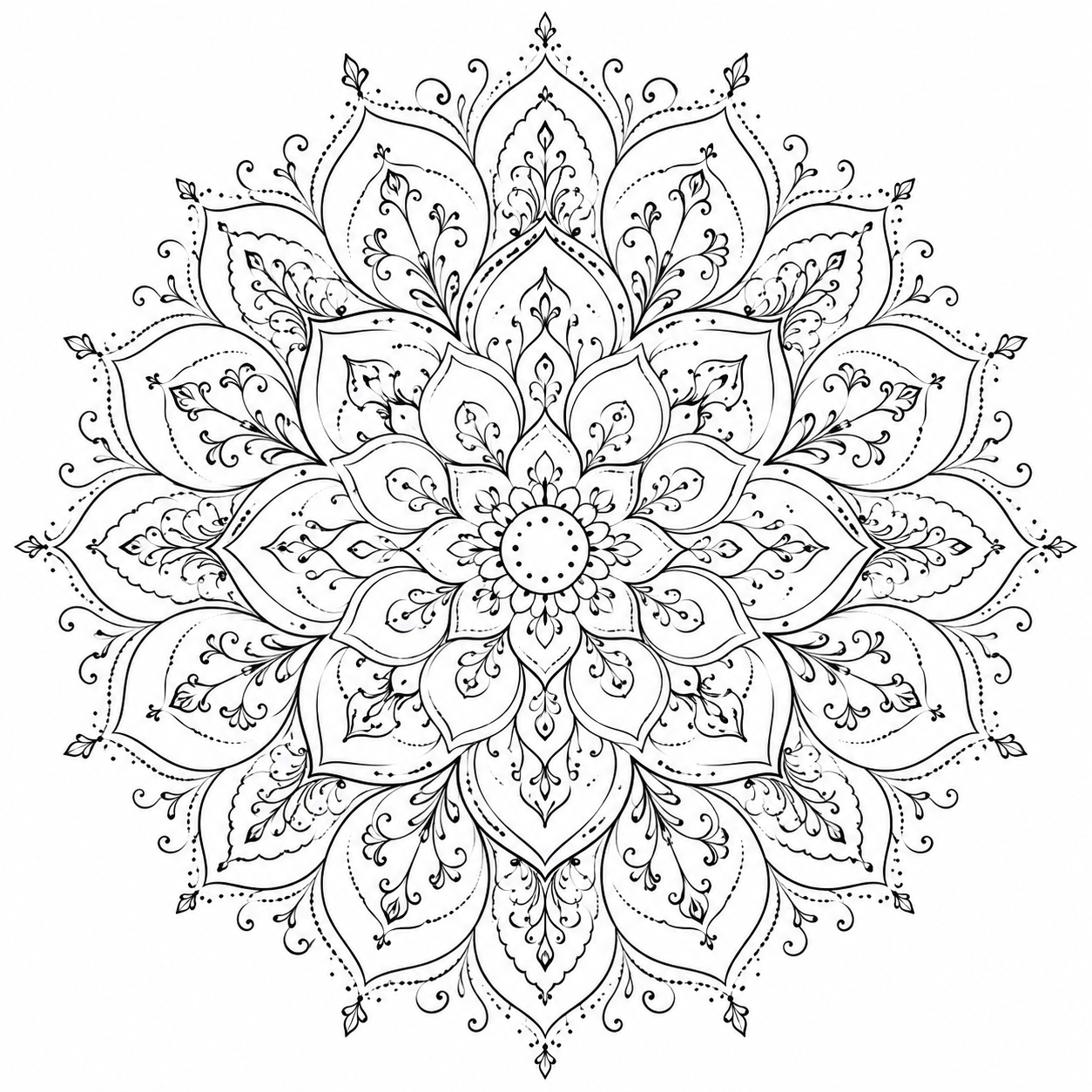
The Mandala Healing section helps you observe the cycles and patterns in your emotional fluctuations. Please look around the pattern circle by circle, feeling that emotions may also be like circles, sometimes approaching, sometimes receding, and sometimes starting anew. While looking, don't rush to identify the trigger point; just pay attention to where your body reacts. If you feel tension, bring your gaze back to the center and exhale slowly. After finishing, record the most obvious fluctuation signal of the day.
● AI Dynamic Geometric Vision Focus and Emotion Regulation Engine ●
AI Dynamic Geometric Vision Focus and Emotion Regulation Engine · v7.0.0
Before we begin, I'd like to know how you feel right now.
There is no standard answer; just choose the one that best reflects how you feel right now.
The experience is over. Tell us how you feel now.
There is still no standard answer; just choose the one that best reflects how you feel right now.
#FF5252
After the fluorescent line crawling is completed and stopped, first select a color, then click on the closed area in the graphic to fill in the color.
AI Digital Mandala Static Focus EngineAZ Image Coloring · 60 Colors
AI Digital Mandala Interactive Focus Engine
A–Z Free Selection · Layered Lines · 60 Color Fills

○ Calligraphy and engraving therapy practice
The calligraphy and engraving therapy practice section helps you observe rhythm amidst fluctuations. The practice phrases are all "slowly organize," without specifically recording events; simply feel the speed, pressure, and pauses through repeating strokes. Emotions are like changing lines, and writing gives you the opportunity to see how you are moving. If you find yourself using too much force, release your fingers and exhale slowly. After finishing, remember only one feeling: I can slow down.


○ Art Therapy Guidance
The guided art therapy section helps you draw the rhythm of your emotional fluctuations. You can use curves, circles, repetitive patterns, or color variations to represent these ups and downs, making previously vague cycles observable. While drawing, don't rush to find the reasons; simply observe which colors and shapes your body reacts to. If tension arises, slow down your brushstrokes. After finishing, record the most noticeable change in the drawing.
Please log in before submitting your drawings and feelings.

○ Diary Healing Suggestions
Journaling Healing Suggestion: Please write down the most touching point from today's lesson. Perhaps it's that you're beginning to see that your mood swings aren't random; they might be related to sleep, stress, interpersonal events, or physical fatigue. Next, write down a small action you'd like to try, such as recording the situation and your physical reaction before and after a triggering event today. Don't immediately look for answers while writing; just gather gentle clues. Finally, write: I'm slowly seeing my own rhythm.
Please log in to use.
May you gradually return to a more stable, clear-headed, and gentler version of yourself through today's practice.