

Lesson 1337: Consistent Responses Among Family Members

Duration:70 minutes
Topic Introduction:Positive support can lessen a child's fear and help their emotional system gradually trust that they are supported. This section helps parents and teachers learn specific, consistent, and timely ways to provide support and recognize even small improvements in children. Supported children often truly demonstrate remarkable strength. Take it slow; stability is more important than perfection. Every instance of recognition is the beginning of support. Please prioritize your child's safety.
○ Course Topic Audio
Lesson 1337: Consistent Responses Among Family Members
Click to view the read-aloud text
Please listen to this lesson with a gentle heart. Children's emotional outbursts often leave adults exhausted and confused, and also frighten the children themselves. We learn this not to label children more harshly, but to see what they are going through and to find more stable ways to respond at home and school. The theme of this lesson is "When someone supports me, I really do become different." Positive support can reduce a child's fear and allow their emotional system to gradually trust that someone is there for them. This is not about absolving the child or removing boundaries, but about shifting the focus from "this child is bad" to "this child's regulatory system is overloaded." When learning, you can start with observation. Observe which forms of support are most effective: advance warning, quiet responses, specific affirmation, or companionship in recovery. If you only focus on the moment of the outburst, adults can easily be swept away by the sounds, actions, and conflict; if you look a little further ahead, you will find many early signs. Next, please make your responses as short, steady, and clear as possible. Steadily seeing the child's small improvements makes change easier to happen. Children need to know that adults will set boundaries and help them return to safety; they will handle behavior and will not define them as bad as a whole. The course content cannot replace assessments and treatments from doctors, psychologists, or school professional teams, but it can help you record, communicate, and seek help more effectively. After listening, please write down one observation that resonated with you most today, and a small action you're willing to try. It can be small, such as saying one less word of blame, recording one more time, explaining a change in advance, or reducing environmental stimuli before the child has an outburst. Repeated small changes will gradually become new safe experiences. If you are a parent, please take care of your own breathing first, because adult stability becomes a stability that children can borrow. If you are a teacher, please record the child's efforts, not just the moments of loss of control. If you are a child, please remember that you are not a bad child; you are just learning how to bring your emotions back to a manageable level. When you can't do much today, even taking a small pause is already a step on the road to healing.

AI Healing Q&A
If different adults in the family respond very differently, children will become even more confused. You can ask AI to help your family establish simple and consistent rules: which behaviors are unacceptable, who is responsible for comforting the child during an outburst, when to pause, and how to mend things afterwards. AI will remind you to reduce on-the-spot arguments about who is right and who is wrong. When adults align themselves first, children will feel a sense of boundary stability. Stability is not coldness or rigidity, but rather predictability and reliability.

○ Music therapy guidance
When family members respond in unison, they can agree on a pause music. Whoever is present, hearing this music signifies stopping the argument, lowering the volume, and prioritizing safety. Adults should not continue questioning or blaming each other while the music is playing. This small ritual helps children feel a sense of stability and reminds family members that we are on the same side in addressing the issue. A consistent response doesn't require everyone to be perfect, but rather to use the same gentle and clear approach in crucial moments. Take it one step at a time.

○Eastern and Western Healing Teas
○ Western Healing Tea - Peppermint Tea
introduce:Peppermint tea is a refreshing herbal beverage with analgesic and calming effects. Peppermint tea can help relieve symptoms caused by anxiety, tension, and indigestion, and its cooling sensation can also help relieve stress.
usage:Drinking peppermint tea can help relieve anxiety and improve concentration. Drink one to two cups daily, using two teaspoons of fresh or dried peppermint leaves, steeping for 5-10 minutes. It is also suitable as an after-meal tea to aid digestion.
Course Reminder:After the course "When someone supports me, I really do become different," please treat tea drinking as a gentle daily support, not a therapeutic substitute. Before and after drinking tea, observe the child's or caregiver's emotional intensity, physical tension, sleep, stomach reaction, and daily stimulation levels to help the family gradually establish a stable rhythm.
Notice:Children's tea consumption should be adjusted according to their age, physical condition, sleep patterns, allergy history, and medical advice; drinks containing caffeine, ginseng, turmeric, chili, cocoa, or herbal ingredients should be chosen with caution. If a child experiences persistent severe outbursts, self-harming thoughts, aggression, or chronic insomnia, please contact offline professional resources promptly.
○ Healing Recipes
○ Eastern Food Therapy: Sea Bream Ochazuke
Recommended dishes:Sea Bream Ochazuke (Taiyaki) Recommended reasons:Support makes a difference in children. Sea bream ochazuke (rice with tea) is light and fragrant, perfect for reminding caregivers to see their child's progress steadily, specifically, and promptly. This recipe doesn't aim for stimulation, intensity, or complexity, but rather uses gentle, repeatable, and low-burden eating actions to support children and caregivers in establishing a predictable rhythm throughout the day. Recipe (1–2 servings): practice: When preparing this dish, please slow down the process and avoid turning the food into a new task. You can invite children to observe the color, temperature, and smell, or adults can quietly finish first, making the dining table a more stable and less rushed place. Before consuming, please pause for three breaths and gently ask yourself or your child: Is your body tense, tired, irritable, or a little calmer right now? There is no need to explain the reason immediately, just pay attention to the signals your body is sending. Take your first bite slowly. If your child is experiencing significant mood swings that day, reduce lecturing and focus on safety, hydration, eating, and rest. A gentle meal is not a substitute for therapy, but it can be a part of daily support. Video Title:Sea bream rice with ochazuke (tea): A dietary approach that supports stable rhythms and gentle care in courses on disruptive mood disorders. hint:If you experience persistent and severe outbursts, self-harming thoughts, aggression, uncontrolled impulses, chronic insomnia, or family safety risks, please contact local emergency services, doctors, psychologists, or offline crisis resources immediately.Click to view healing recipes
◉ Eastern Food Therapy: Sea Bream Ochazuke
I. Recommended Dietary Therapy and Reasons
2. Recipe and Method
3. Small rituals for body and mind
4. Dietary Therapy Experience Record
V. Instructional Videos (approximately 3–5 minutes)
6. Precautions

○Mandala Healing
When family members respond in unison, they can agree on a pause mandala. Regardless of who is present, when emotions run high, look at the image first, lower your voice, and pause the argument. Adults should not show the mandala to the child while continuing to criticize or bring up past issues. The image represents a shared family message: we prioritize safety before addressing the problem. Consistent responses help children understand boundaries and reduce internal conflict among family members. The more consistent this signal, the easier it is for the child to know what to do next. Please take it slowly.
● AI Dynamic Geometric Vision Focus and Emotion Regulation Engine ●
AI Dynamic Geometric Vision Focus and Emotion Regulation Engine · v7.0.0
Before we begin, I'd like to know how you feel right now.
There is no standard answer; just choose the one that best reflects how you feel right now.
The experience is over. Tell us how you feel now.
There is still no standard answer; just choose the one that best reflects how you feel right now.
#FF5252
After the fluorescent line crawling is completed and stopped, first select a color, then click on the closed area in the graphic to fill in the color.
AI Digital Mandala Static Focus EngineAZ Image Coloring · 60 Colors
AI Digital Mandala Interactive Focus Engine
A–Z Free Selection · Layered Lines · 60 Color Fills

○ Calligraphy and engraving therapy practice
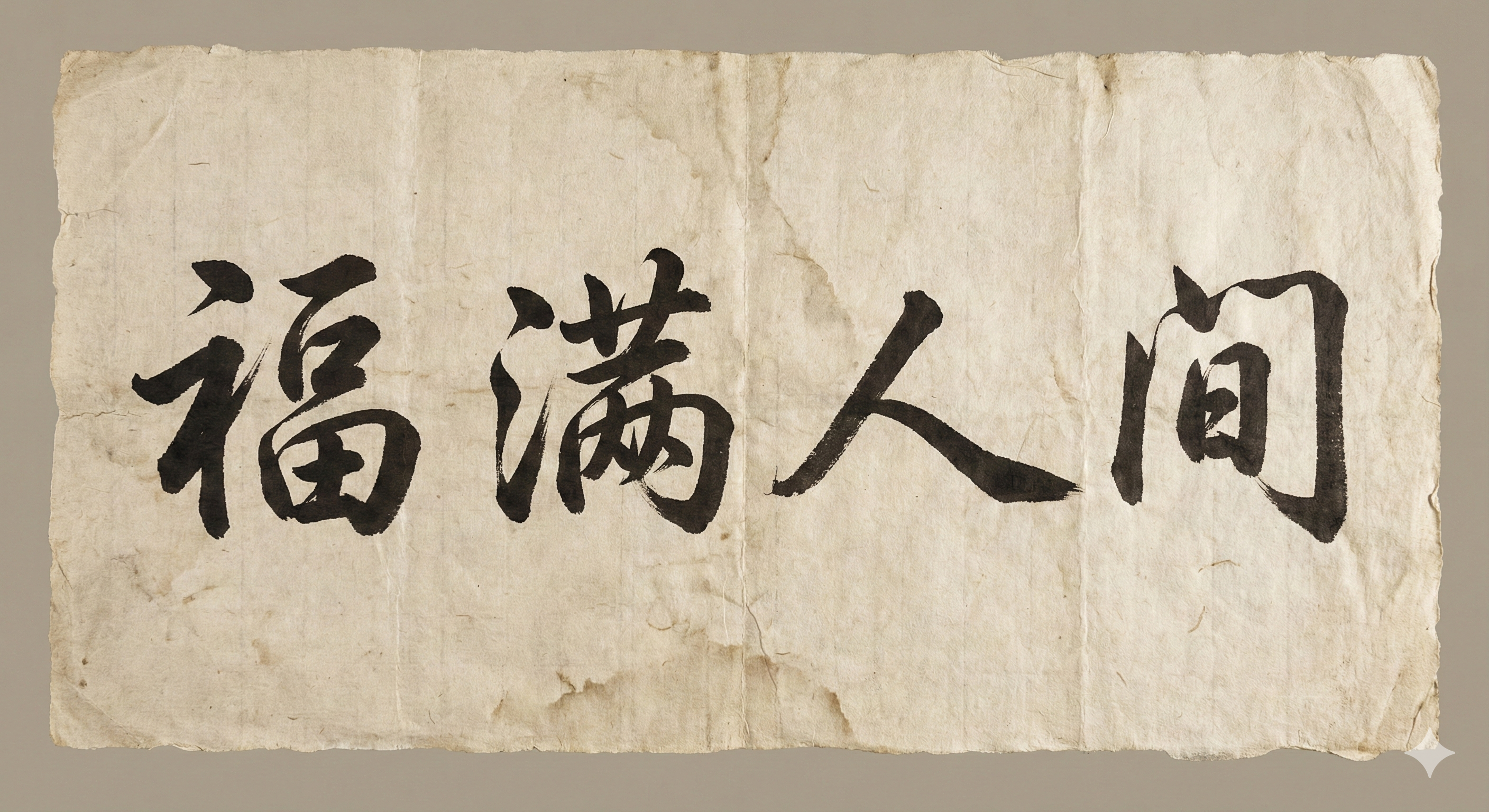
When family members respond in unison, writing inscriptions can serve as a shared pause signal. The content doesn't need to be specific; simply agree that when emotions run high, practice quietly for a bit before resuming communication. Adults shouldn't continue criticizing or bringing up past issues while asking the child to write. The practice signifies that the whole family prioritizes safety, lowers the volume, and pauses the argument. A consistent signal makes it easier for the child to know what to do next. This consistency reduces family chaos and helps the child understand boundaries more easily.

○ Art Therapy Guidance
When family members respond in unison, they can agree to draw a little something when emotions run high, and then continue communicating. Regardless of who is present, remind the child in the same gentle way, rather than having one person soothe while another scolds. Drawing represents a pause, cooling down, and ensuring safety. Adults should not continue to criticize while asking the child to draw. This consistent signal will make it clearer for the child what to do next, and will also reduce chaos and increase stability within the family.
Please log in before submitting your drawings and feelings.

○ Diary Healing Suggestions
Journaling Healing Suggestions: Please write down the most touching point from today's lesson; perhaps positive support truly makes a difference to your child. Next, write down a small action, such as recording which type of support was most effective: advance reminders, soft responses, companionship during recovery, or specific affirmation. Please consistently repeat effective support. If your emotions rise, please drink water and breathe before continuing. Please view this step as gentle care, not a task. It doesn't need to be complete; being truthful is enough. If you are very tired today, writing just one sentence is fine. After writing, please pause and thank yourself for being willing to face it.
Please log in to use.
May you gradually return to a more stable, clear-headed, and gentler version of yourself through today's practice.