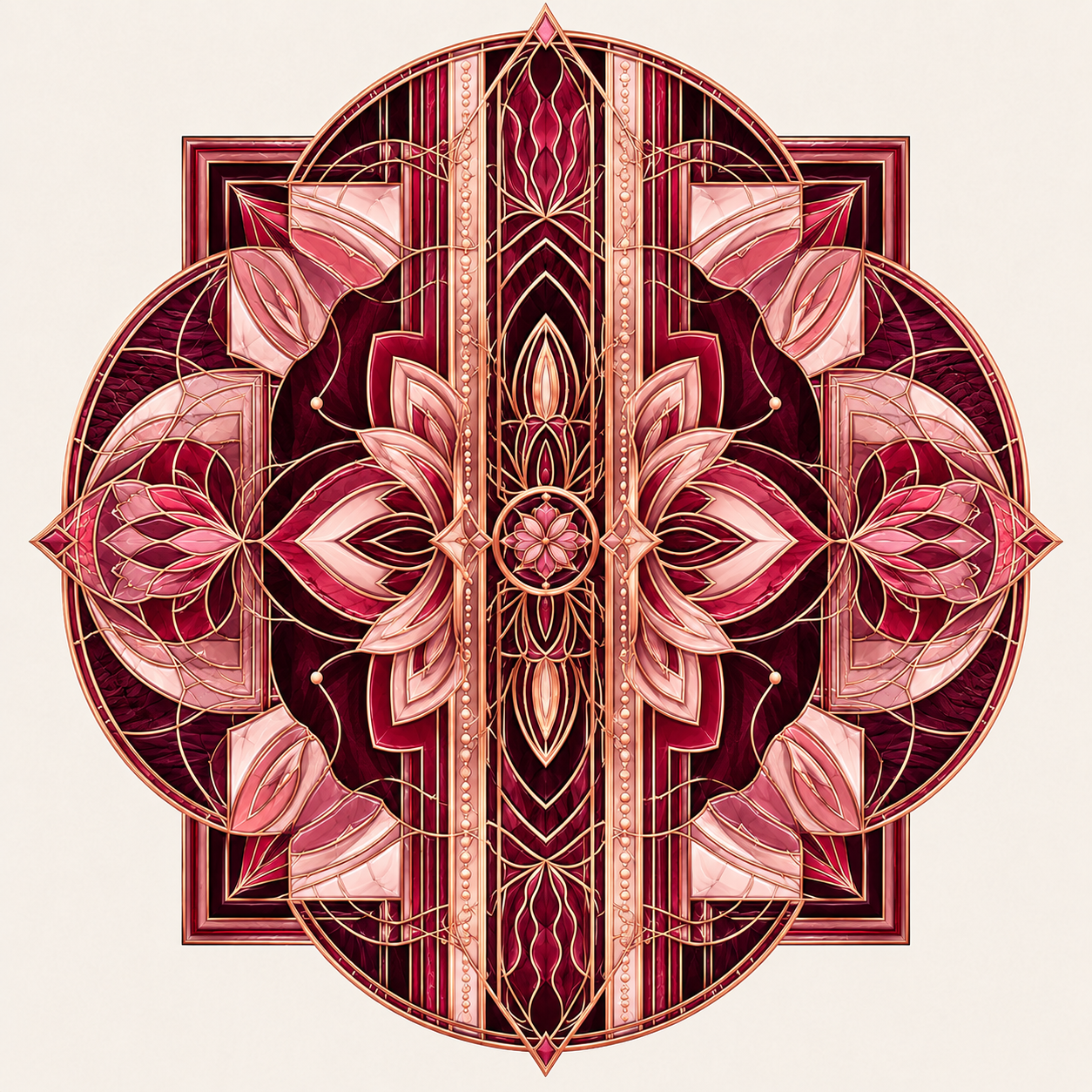
Traditional Mandala Course (Supplementary Course)
Unit Thirteen: Course on Emotional Disorders - This page serves as a transition to traditional mandala viewing, writing, drawing, and journaling exercises. Practice should be conducted safely, steadily, and without excessive force. If significant discomfort occurs, pause and return to breathing, drinking, or in-person support.
A. Introduction to Traditional Mandala Course Themes
Traditional mandala supplementary courses are not meant to add extra burdens, but rather to place the "Emotional Disorders Course" within a quiet, supportive circle. Learning this subject allows you to gradually observe the changes in your emotions, body, relationships, and life rhythm through observation, writing, drawing, and journaling. You don't need to draw well, nor do you need to immediately understand all your feelings; simply be willing to stop and let the lines, colors, and breath accompany you back to yourself. This little bit of practice is already very beneficial.
B. Traditional Mandala Course Theme Audio
Traditional Mandala Theme Voice
Unit 13: Course on Mood Disorders
Click to view the read-aloud text
When facing the Emotional Disorders course, the most important thing is not how beautiful your drawings are, but to give your mind a chance to pause and gradually sort out the chaos. A common difficulty in this theme is that emotions come quickly and intensely; before you can even think of what to say, your body and reactions have already overwhelmed you. Keeping the center simple makes it easier to return to yourself. The outer circle can be complex, but the center doesn't need to be chaotic. The direction of the practice is to give intense feelings a container, not to let them directly harm yourself or others. First, place the most prominent emotion of the day in the center, then place feelings of resentment, anger, fear, or fatigue in the outer circle; use boundaries to separate them, preventing them from all colliding and exploding. When intense emotions are placed separately, they won't all be crammed into your chest, and relationships will have more room for repair. After the practice, write a pause statement, such as "I need to calm down first." You can circle the most prominent emotion of the day and tell yourself: "I see you." If you can only draw a few today, that's okay. Being able to stop and take care of yourself is the most important part of this practice. Feelings related to the Emotional Disorders course may not be fully expressed at once; allowing them to appear in several stages is safer than forcing yourself to understand immediately. When course content connects with personal feelings, learning transcends mere knowledge and becomes a more practical support for life. Gradually, the images will help you see details you usually overlook, such as physical tension, emotional withdrawal, or a deep-seated need to be understood. Please proceed at your own pace; getting a little closer is enough. You don't need to mold yourself into a standard answer; just be more honest, have more boundaries, and be more considerate of yourself. Please proceed at your own pace; getting a little closer is enough. Please proceed at your own pace; getting a little closer is enough. Please proceed at your own pace; getting a little closer is enough. Please proceed at your own pace; getting a little closer is enough. Please proceed at your own pace; getting a little closer is enough. Please proceed at your own pace; getting a little closer is enough. Please proceed at your own pace; getting a little closer is enough. Please proceed at your own pace; getting a little closer is enough.

C. Traditional Mandala Music Healing Guidance
As the music begins, gently place the feelings evoked by the "Emotional Disorder Course" in your heart. There's no need to analyze or suppress them. Let the melody unfold like a slowly expanding mandala, opening outwards from the center, helping to stabilize your breathing and soften your body. If emotions arise, simply acknowledge them, then slowly return to the sound and the present moment.

D. Calligraphy and Engraving Healing Practice Section
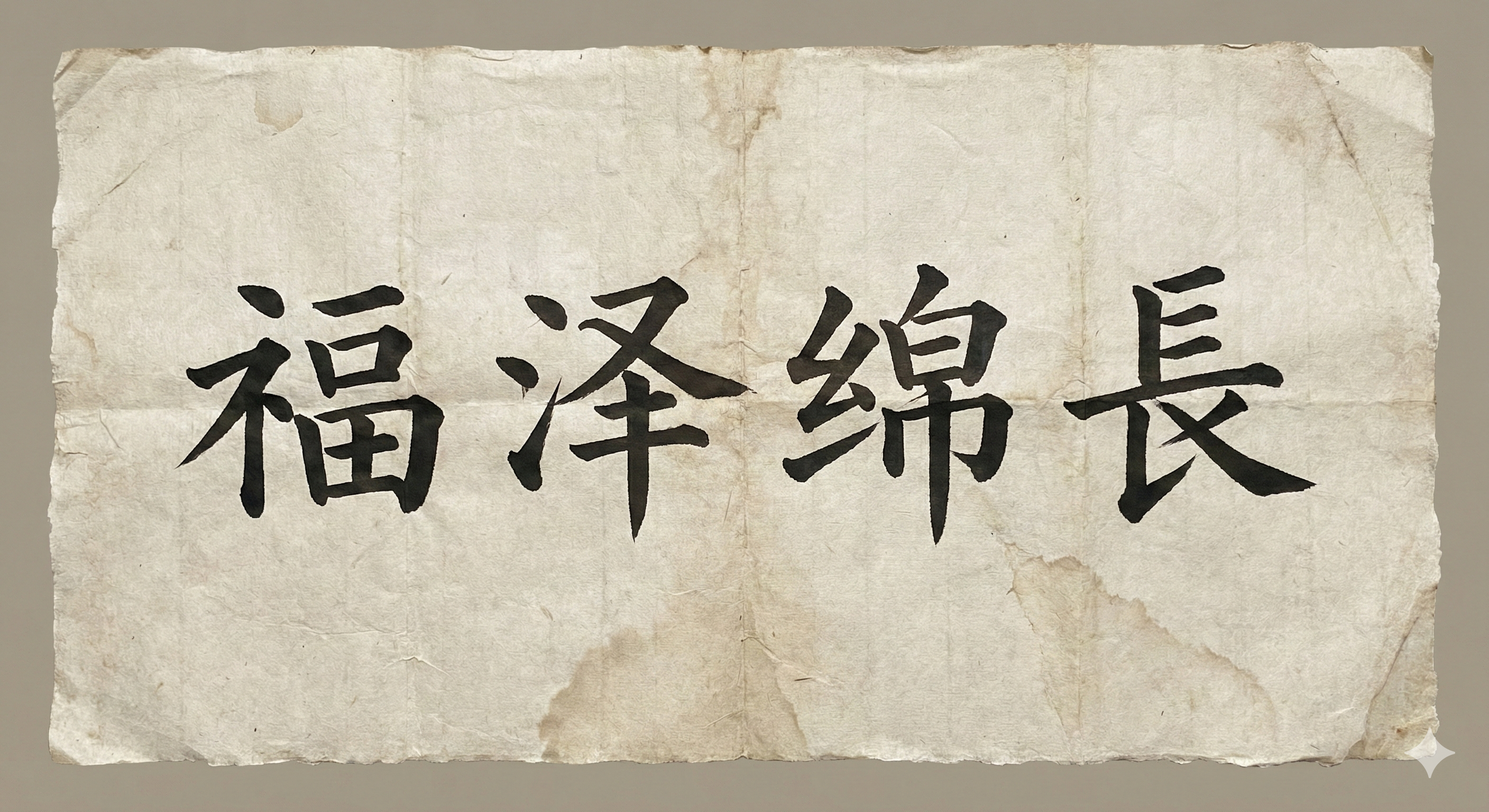
The purpose of calligraphy practice is not to produce standard answers, but to find a quiet outlet for the tension, hesitation, or confusion experienced during the "Emotional Disorders Course." Focus your attention on your hand, pen, paper, and breath, allowing each stroke and line to become a steady rhythm. There are no set rules; simply take care of yourself through repetitive movements.

E. Traditional Mandala Painting Healing Guidance
The following seven mandala drawing methods will each relate to the theme of this course. Each method maintains the same format of centered card, text, and buttons. You can practice them in order, or choose the one that suits you best for today.
1. Traditional Mandala Painting Therapy
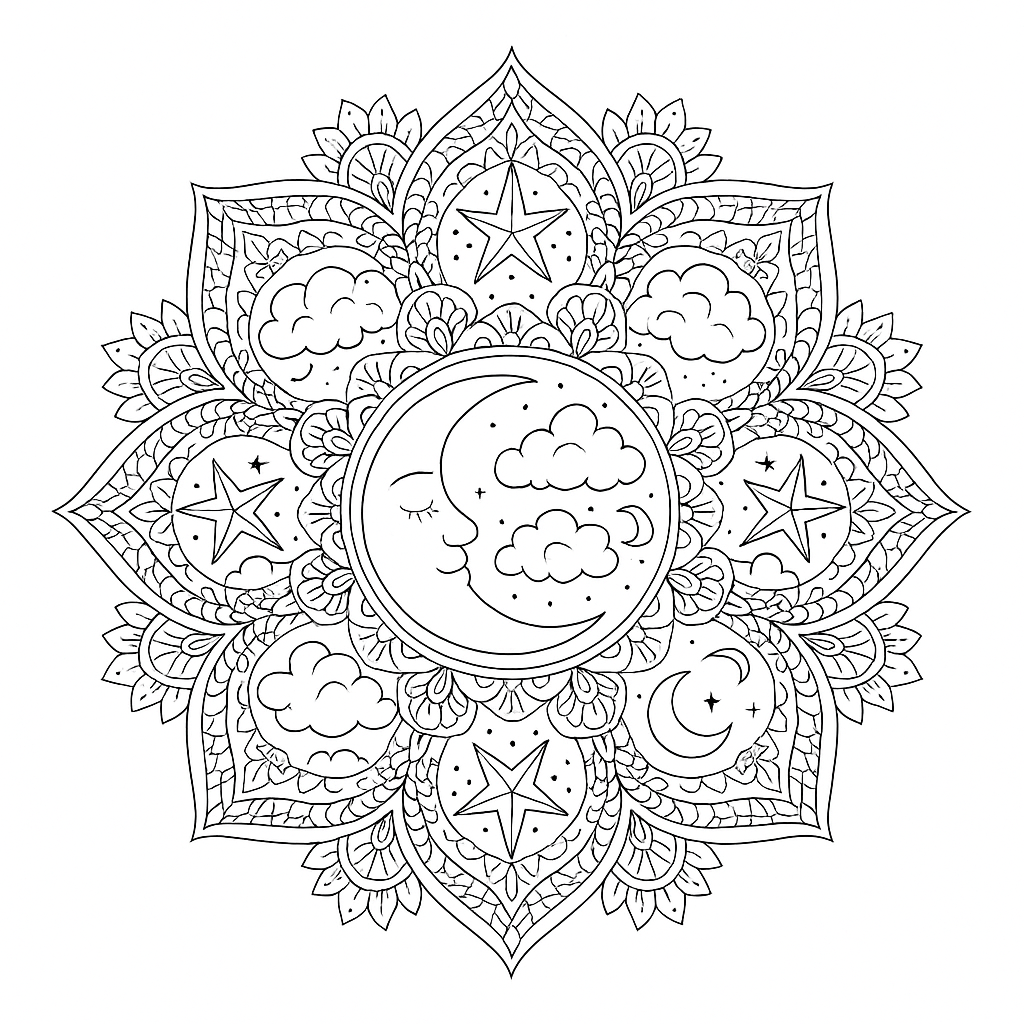
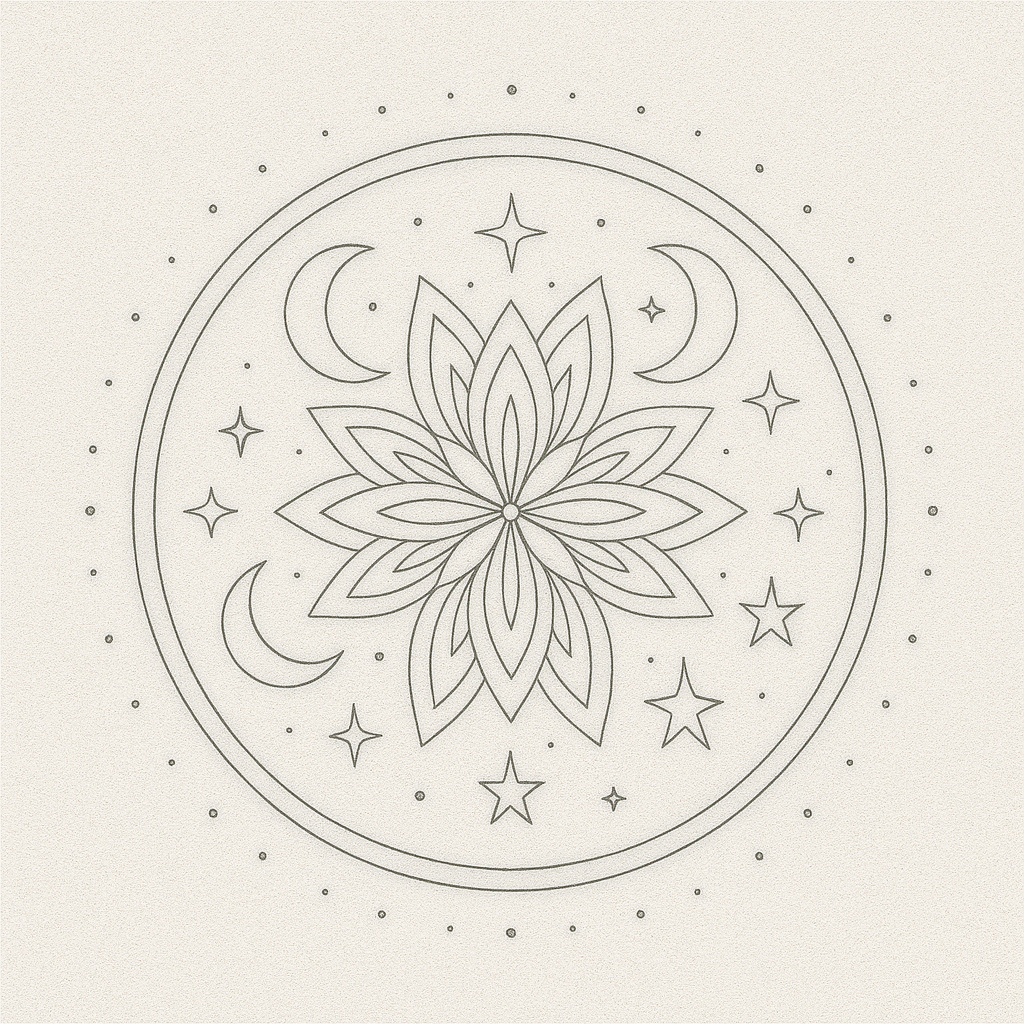
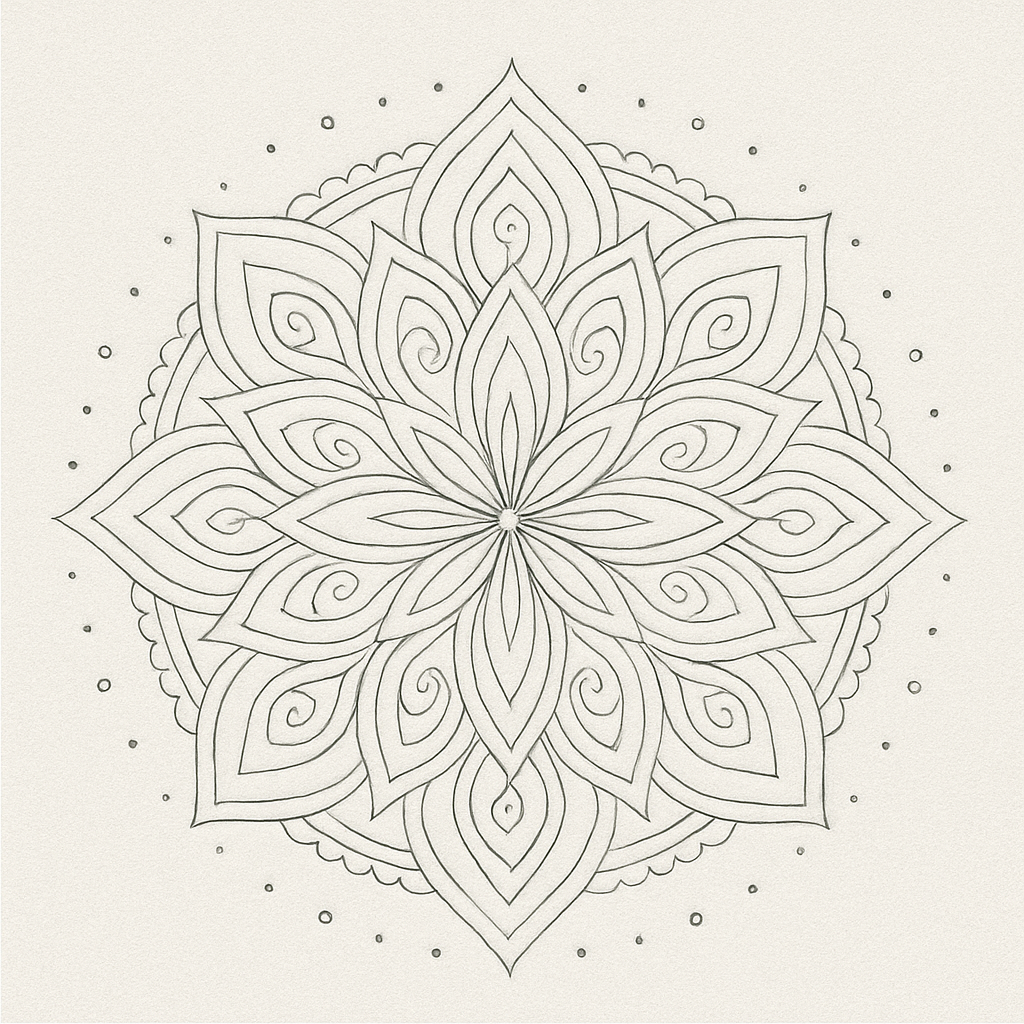
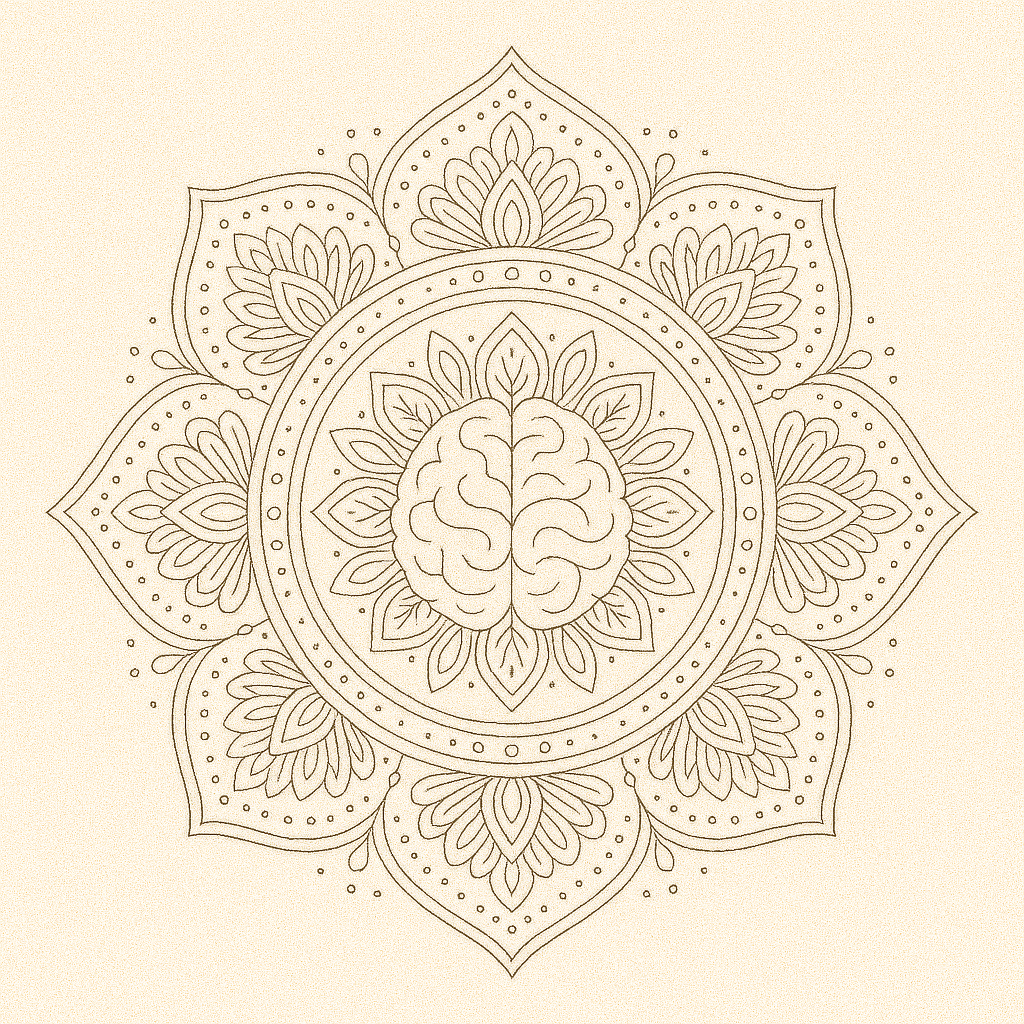
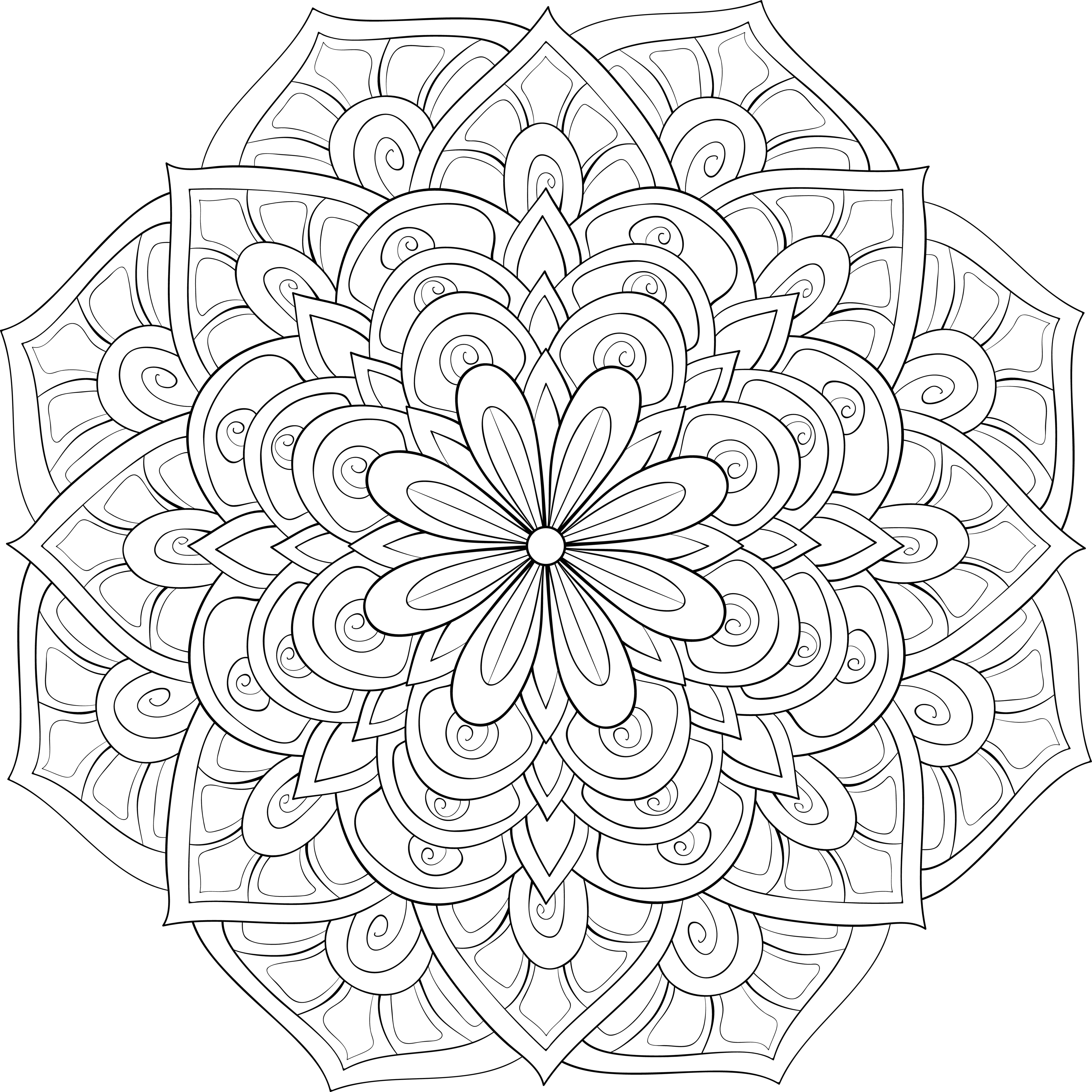
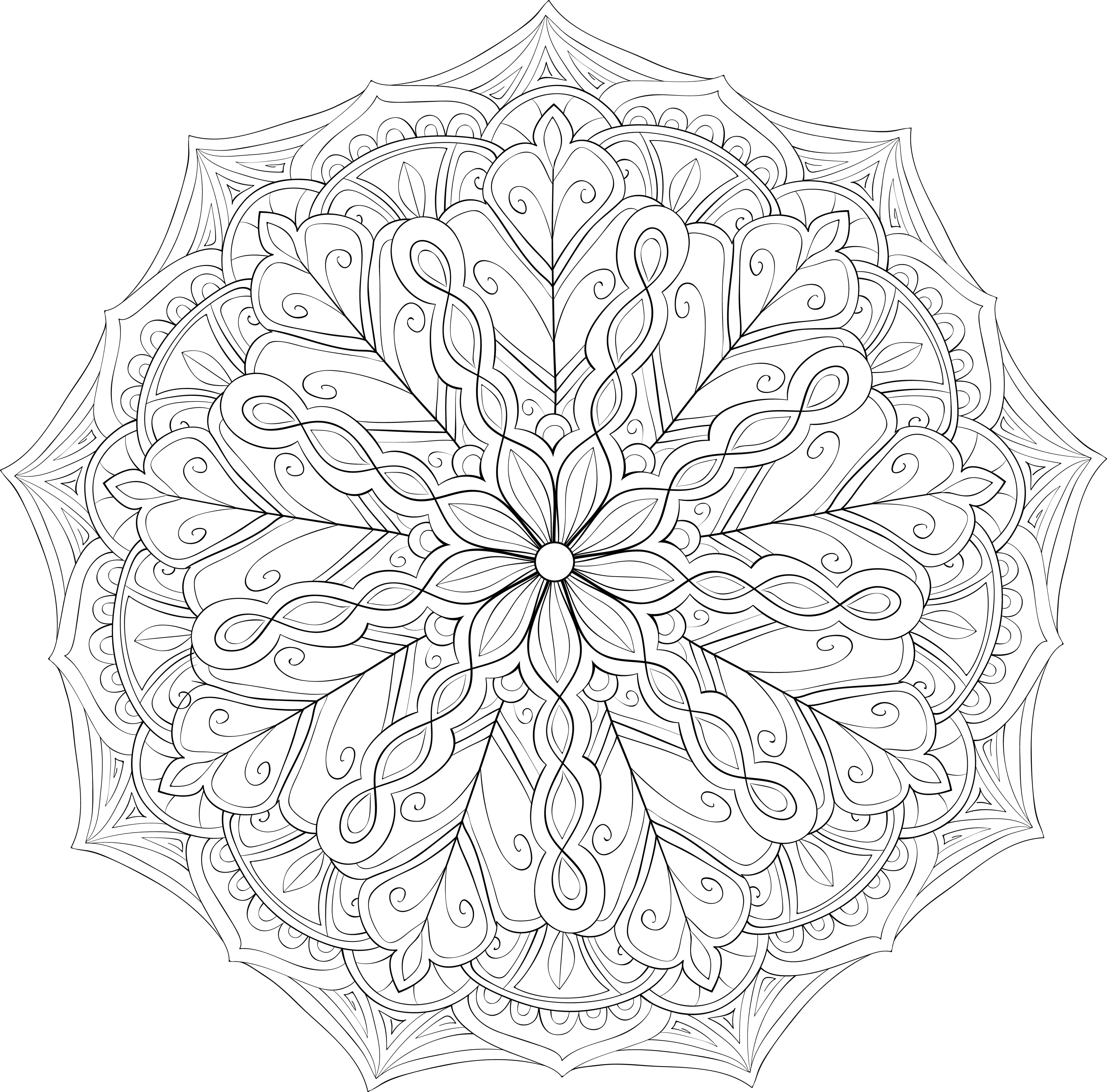
Traditional mandala drawing is a suitable and stable entry point for courses on "emotional dysregulation." It begins with a central, circular, symmetrical, and repetitive pattern, allowing learners to establish clear boundaries before gradually returning their attention to the present moment. Complex techniques are not required, nor is the beauty of the image judged; it simply encourages you to unfold layer by layer along the lines. The center can symbolize the present moment, while the outer circle can accommodate stress, worries, memories, or physical sensations. During the drawing process, if feelings of agitation, blankness, or resistance arise, there's no need to address them immediately. Simply acknowledge them and move on to the next line or the next color. The significance of traditional mandalas is not to erase problems, but to provide temporary space for chaos within orderly circles, allowing one to regain a sense of resilience.