Traditional Mandala Course (Supplementary Course)
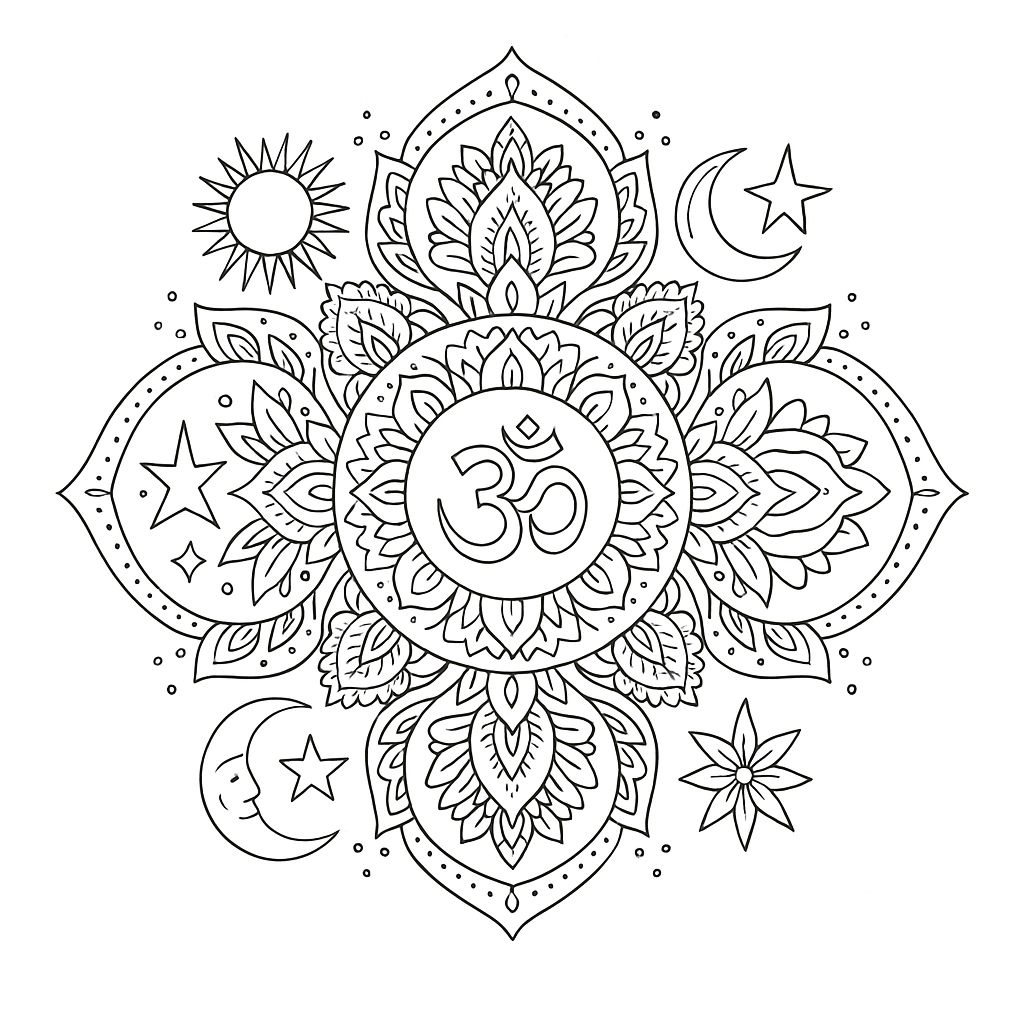
Unit 21: Hoarding Disorder. This page serves as a transition to traditional mandala viewing, writing, drawing, and journaling exercises. Practice should be conducted safely, steadily, and without excessive force. If significant discomfort occurs, pause and return to breathing, drinking, or offline support.
A. Introduction to Traditional Mandala Course Themes
Traditional mandala supplementary courses don't add extra burdens, but rather place "accumulated obstacles" within a quiet, supportive circle. Learning this subject allows you to gradually see the changes in your emotions, body, relationships, and life rhythm through observation, writing, drawing, and journaling. You don't need to draw well, nor do you need to immediately understand all your feelings; simply be willing to stop and let lines, colors, and breath accompany you back to yourself. This little bit of practice is already very good.
B. Traditional Mandala Course Theme Audio
Traditional Mandala Theme Voice
Unit 21: Hoarding Disorder Course
Click to view the read-aloud text
The content of this hoarding disorder course may touch upon the weariness of real life. There's no need to appear strong here; just let your most authentic self shine through. A common difficulty in this theme is that items carry memories, uses, and a sense of security, and clearing them out often feels like discarding a part of the past. Keeping the center simple makes it easier to return to yourself. The outer circle can be complex, but the center doesn't need to be cluttered. The direction of practice is to find a gentler choice between keeping and letting go. Place truly important memories in the center, and draw the categories, spaces, and pathways of items on the outer circle; let the imagery help you see that value doesn't necessarily need to be proven by piling up. When pathways are drawn, the space also seems to tell you that your home can be used for living again. After the practice, only tidy up a small area; don't do a sudden, sweeping cleanup. You can circle the most prominent emotion of the day and tell yourself: I see you. After drawing, don't rush to analyze it. Drink some water, move your shoulders and neck, and bring your attention back to the room; this will give the practice a gentle ending. You don't need to mold yourself into a standard answer; you just need more honesty, more boundaries, and more self-care. Gradually, the images will help you see details you usually overlook, such as physical tension, emotional withdrawal, or a deep-seated need to be understood. Take your own pace; getting a little closer is enough. When the course content connects with your personal feelings, learning is no longer just about knowledge, but becomes more relevant and supportive. Take your own pace; getting a little closer is enough. Take your own pace; getting a little closer is enough. Take your own pace; getting a little closer is enough. Feelings related to the hoarding disorder course may not be fully articulated at once; allowing them to unfold in stages is safer than forcing yourself to understand immediately. Take your own pace; getting a little closer is enough. Take your own pace; getting a little closer is enough. Take your own pace; getting a little closer is enough.

C. Traditional Mandala Music Healing Guidance
As the music begins, gently place the feelings arising from "hoarding obstacles" in your heart; there's no need to analyze or suppress them. Let the melody unfold like a slowly expanding mandala, opening outwards from the center, helping to stabilize your breathing and soften your body. If emotions arise, simply acknowledge them, then slowly return to the sound and the present moment.

D. Calligraphy and Engraving Healing Practice Section
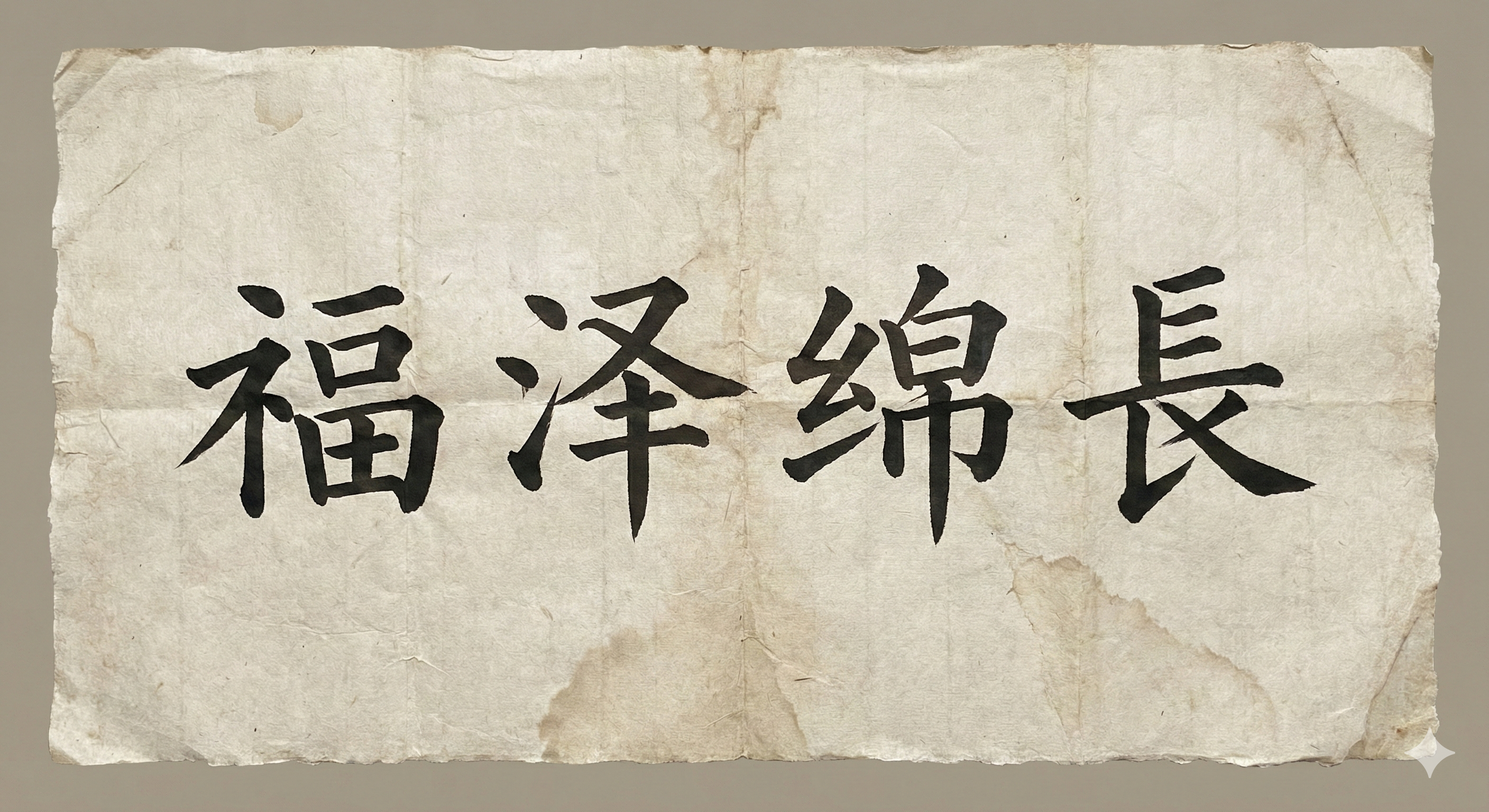
The purpose of calligraphy practice is not to produce standard answers, but to find a quiet outlet for the tension, hesitation, or chaos that arises from "hoarding obstacles." Focus your attention on your hand, pen, paper, and breath, allowing each stroke and line to become a steady rhythm. There are no set rules; simply take care of yourself within the repetitive movements.

E. Traditional Mandala Painting Healing Guidance
The following seven mandala drawing methods will each relate to the theme of this course. Each method maintains the same format of centered card, text, and buttons. You can practice them in order, or choose the one that suits you best for today.
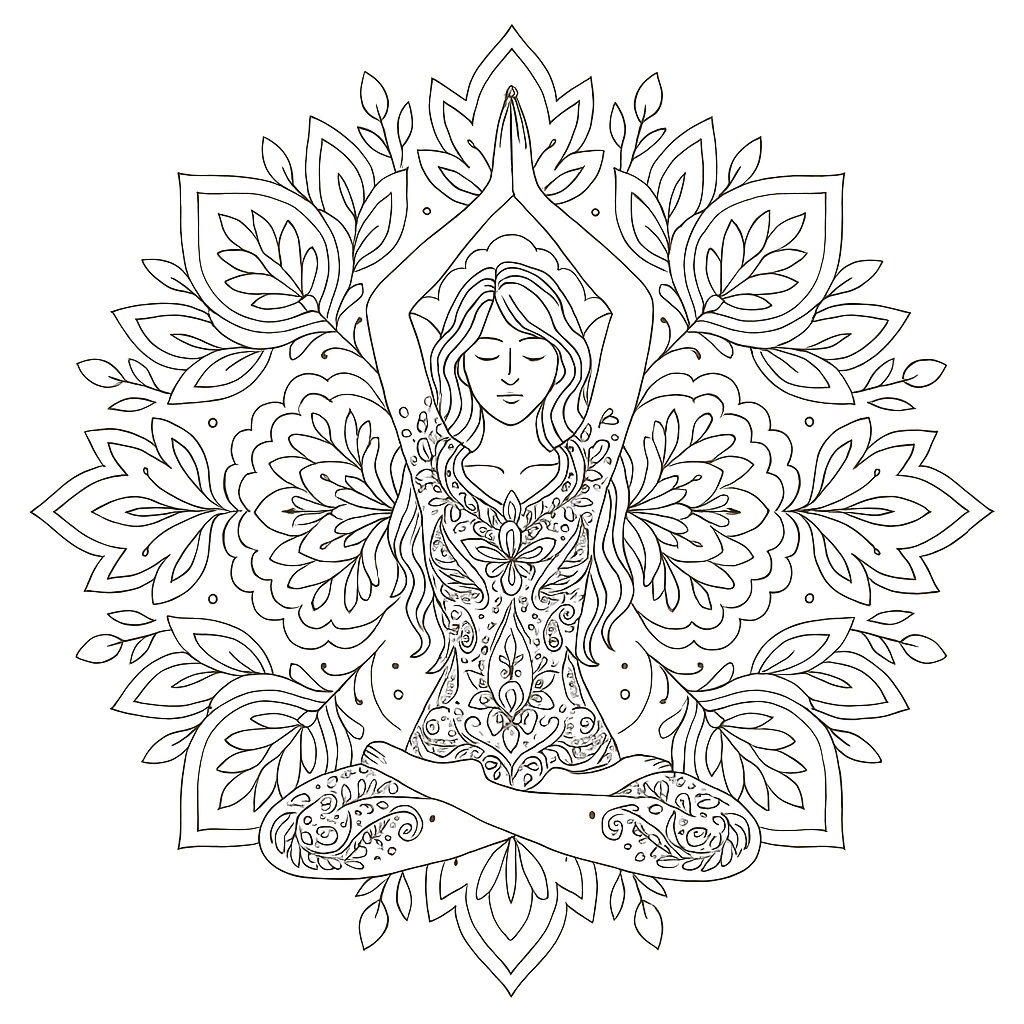
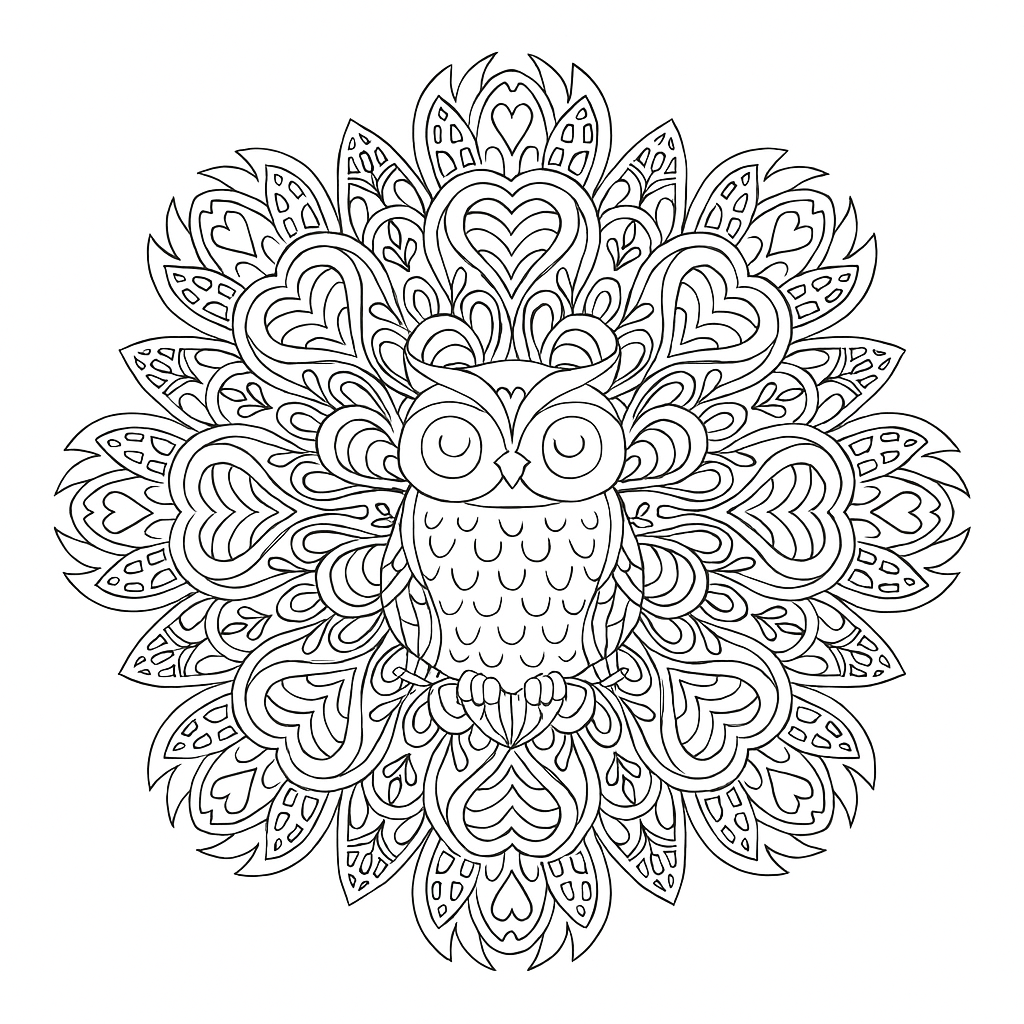
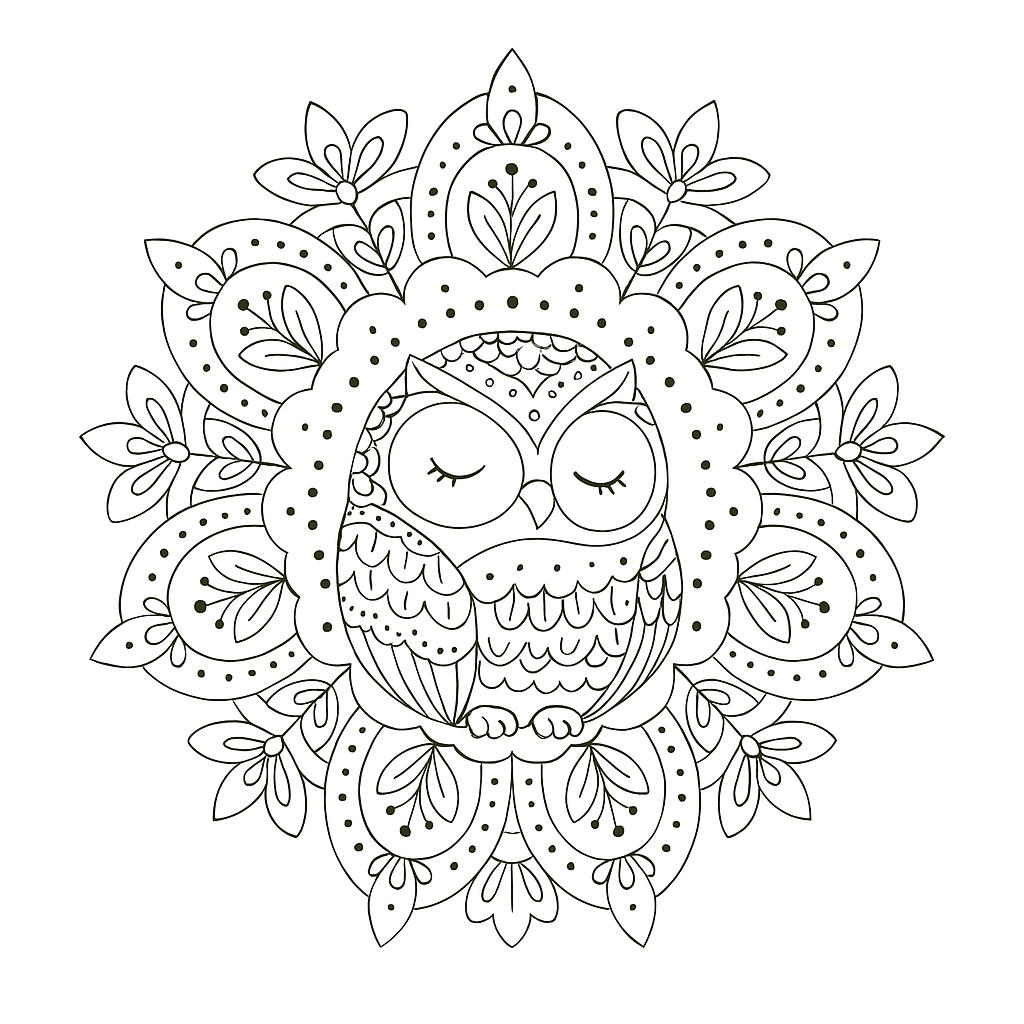
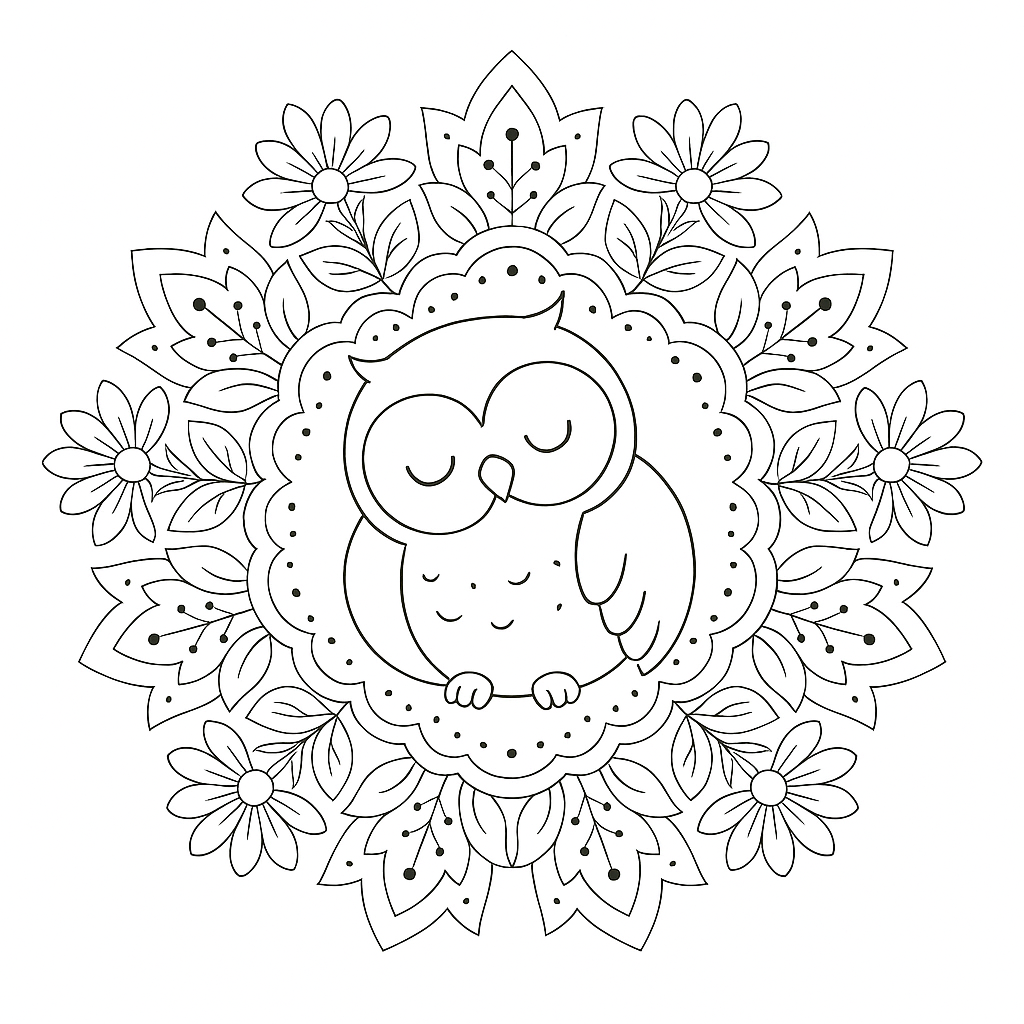
1. Traditional Mandala Painting Therapy
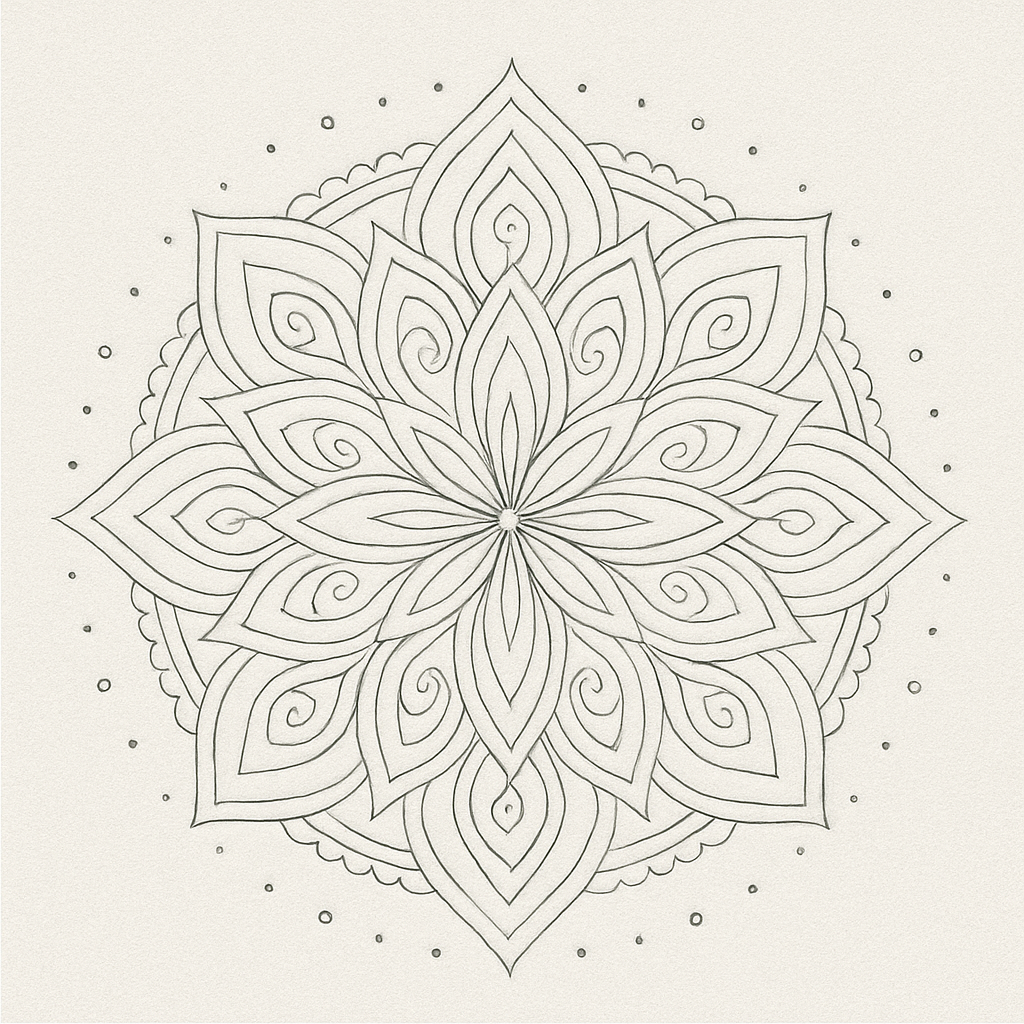
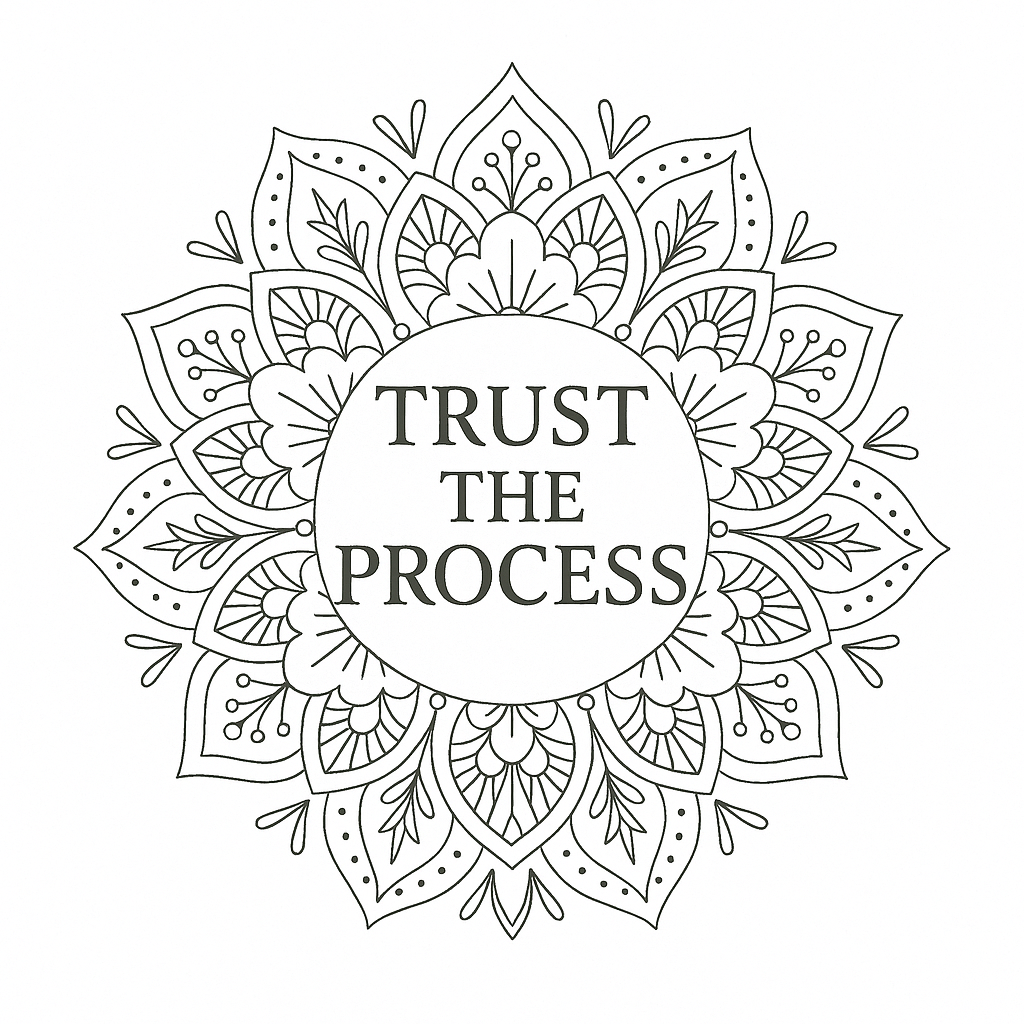
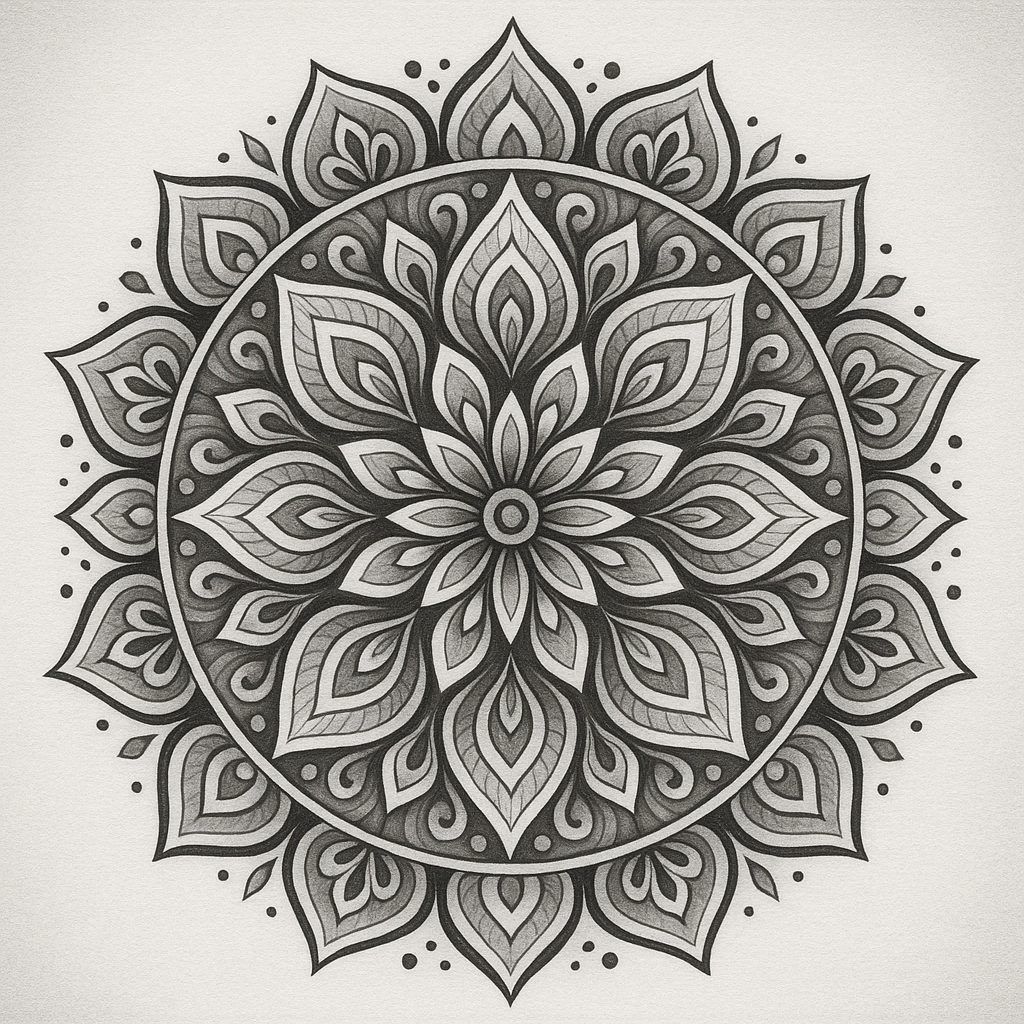
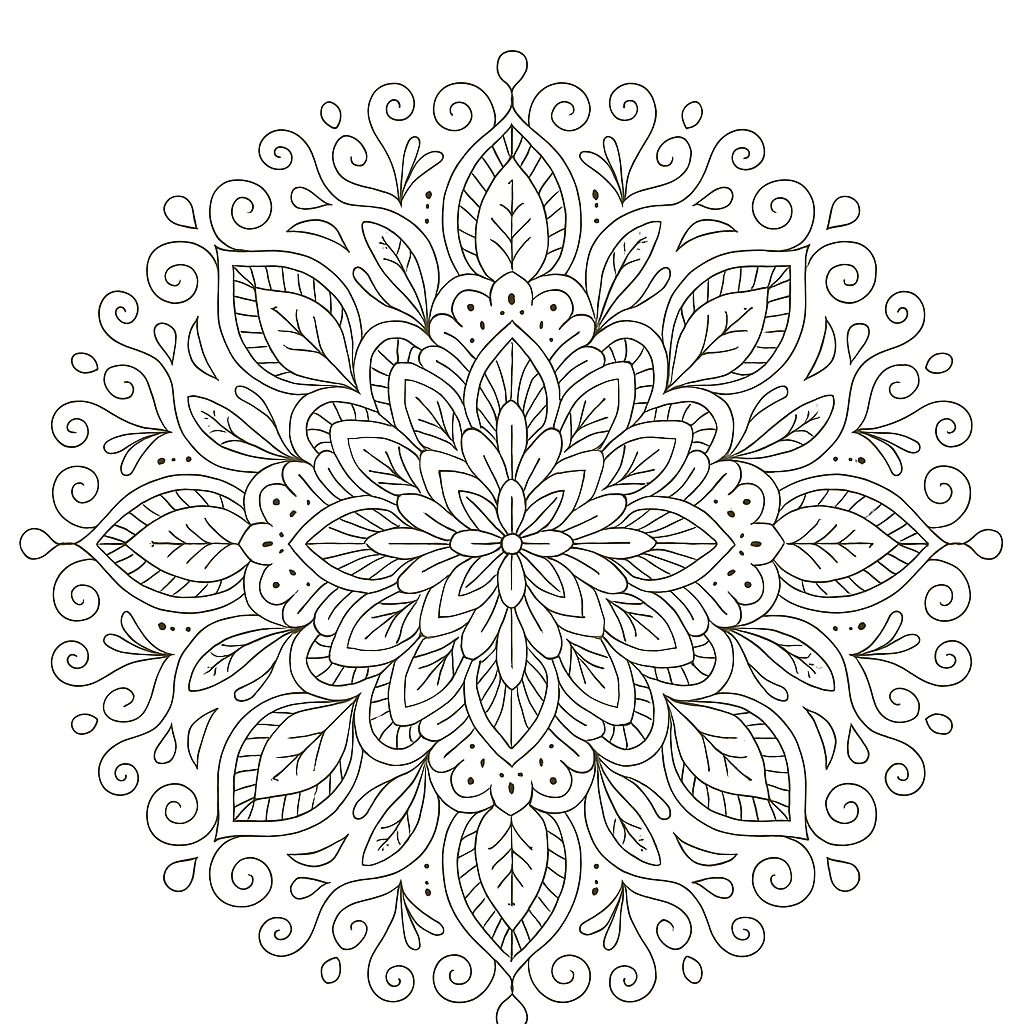
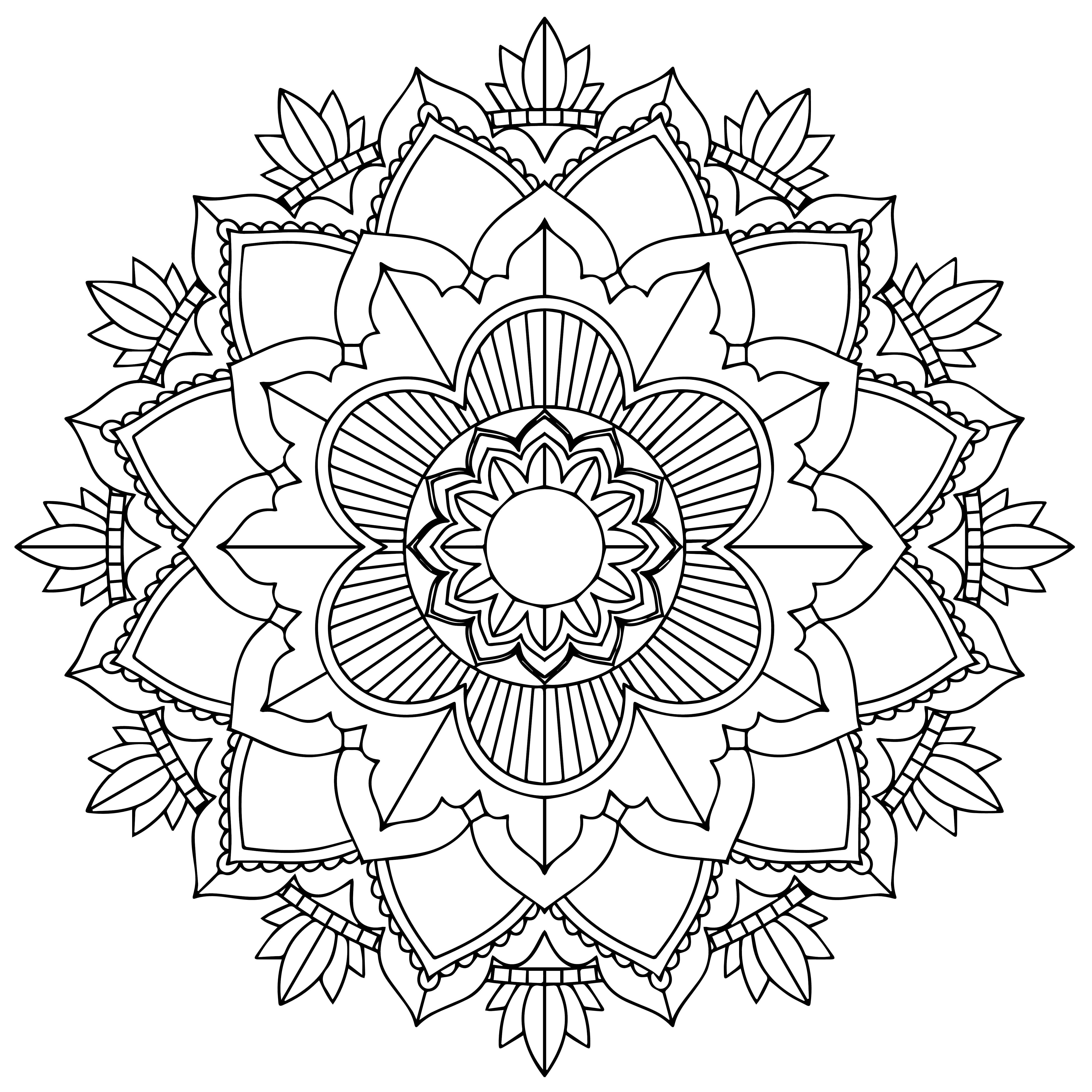
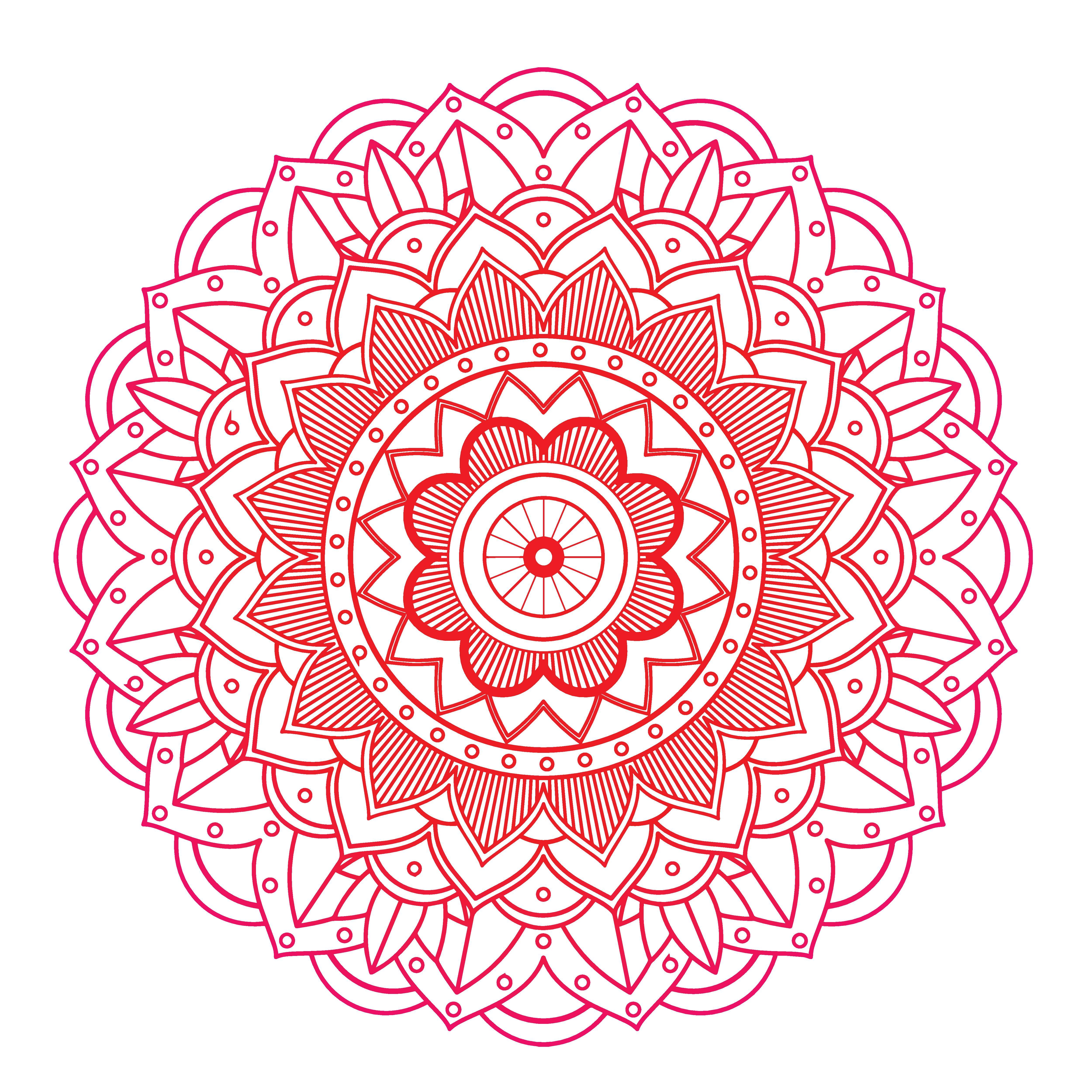
Traditional mandala drawing serves as a stable entry point for overcoming "hoarding obstacles." It begins with a center, circles, symmetry, and repeating patterns, allowing learners to establish clear boundaries before gradually returning their attention to the present moment. It doesn't demand complex techniques or judge the beauty of the image; it simply encourages you to unfold layer by layer along the lines. The center can symbolize your present self, while the outer circle can accommodate stress, worries, memories, or physical sensations. During the drawing process, if feelings of restlessness, blankness, or resistance arise, don't immediately address them. Simply acknowledge them and move on to the next line, the next color. The significance of traditional mandalas isn't to erase problems, but rather to provide temporary space for chaos within orderly circles, allowing one to regain a sense of manageability.