

Lesson 1312: The Relationship with Depressive Mood

Duration:70 minutes
Topic Introduction:When children lose control, what they need most is understanding and stable guidance, not more blame. This section helps parents see the physical reactions behind emotional dysregulation, and learns to use short sentences, low-stimulation techniques, and safe boundaries to help children regain stability, reduce shame, and rebuild their belief in their learning abilities. Take it slow; stability is more important than perfection. Every instance of acknowledging an emotion is the beginning of support. Please prioritize your child's safety.
○ Course Topic Audio
Lesson 1312: The Relationship with Depressive Mood
Click to view the read-aloud text
In the midst of a child's emotional storm, adults often want to immediately correct, reason with, or stop the behavior. However, for DMDD-related issues, what's truly important is to first recognize safety, physical well-being, and relationships. Only when the child's brain slowly returns from its high-alert state can education, rules, and communication truly take hold. The theme of this lesson is "When I can't control myself, I want to be understood, not blamed." When a child can't control themselves, it's not that they're not trying, but that their emotional system has exceeded its capacity. This isn't about making excuses for the child, nor is it about abolishing boundaries; it's about shifting the focus from "this child is bad" to "this child's regulatory system is overloaded." Learning can begin with observation. Observe whether blame intensifies shame and makes the outburst harder to manage. If you only focus on the moment of the outburst, adults can easily be swept away by the sound, actions, and conflict; if you look a little further ahead, you'll find many early warning signs. Next, keep your responses short, steady, and clear. Use short sentences, a low voice, and clear boundaries to help the child calm down before addressing the consequences of their behavior. The child needs to know that adults will set boundaries, will help them return to safety, will address the behavior, and won't define them as a bad person. Course content cannot replace assessments and treatments from doctors, psychologists, or school professional teams, but it can help you record, communicate, and seek help more effectively. Please apply today's learning to a specific scenario, rather than just keeping it in mind. The next time your child is tense, observe their body, environment, and needs before deciding how to respond. Gentleness is not indulgence, and stability is not indifference; they are the foundation for helping children relearn regulation. Such record-keeping will help professionals understand your child more accurately and reduce unnecessary blame between families. If you are a parent, please take care of your own breathing first, because adult stability becomes a stability your child can borrow. If you are a teacher, please record your child's efforts, not just moments of loss of control. If you are a child, remember you are not a bad child; you are just learning how to manage your emotions.

AI Healing Q&A
Persistent irritability can sometimes be a symptom of depressive mood in children and adolescents, and doesn't always involve crying or feeling down. You can describe to the AI whether your child is experiencing decreased interest, changes in sleep patterns, fatigue, self-blame, withdrawal, or frequently saying negative things. The AI will remind you to understand irritability within the broader context of their emotional state. If suicidal thoughts, self-harm, or significant functional decline occur, do not rely solely on online Q&A; contact professional and crisis resources immediately.

○ Music therapy guidance
When irritability is associated with depressive moods, avoid choosing exclusively sad melodies, as this can exacerbate the situation. Instead, use warm, slow music with a touch of hope to gently lift your child's spirits from their low mood. Allow silence and even tears while listening. The music isn't meant to make them happy, but rather to provide a small light in their darkest moments, letting them know there's still support. If the child is willing, they can choose a word to describe their feelings after listening; this small act of naming is the beginning of self-understanding. Please practice gradually.

○Eastern and Western Healing Teas
○ Eastern Healing Tea: Red Date and Longan Tea
introduce:Red date and longan tea is a popular Chinese herbal beverage known for its nourishing effects on blood and qi, calming the mind and promoting sleep. The combination of red dates and longan can help alleviate symptoms such as insomnia and loss of appetite caused by anxiety and depression, while also improving blood circulation and boosting immunity. This drink is ideal for those experiencing physical weakness or depression.
usage:Place 10 red dates and 5 longans in a pot, add an appropriate amount of water, and boil for 20 minutes. Drink this once a day, especially at night, to help soothe your mood and promote sleep.
Course Reminder:After completing the course "When I can't control myself, I want to be understood, not blamed," please treat tea drinking as a gentle daily support, not a therapeutic substitute. Before and after drinking tea, observe the child's or caregiver's emotional intensity, physical tension, sleep, stomach reaction, and daily stimulation levels to help the family gradually establish a stable rhythm.
Notice:Children's tea consumption should be adjusted according to their age, physical condition, sleep patterns, allergy history, and medical advice; drinks containing caffeine, ginseng, turmeric, chili, cocoa, or herbal ingredients should be chosen with caution. If a child experiences persistent severe outbursts, self-harming thoughts, aggression, or chronic insomnia, please contact offline professional resources promptly.
○ Healing Recipes
○ Monastery Dietary Therapy: Herbal Hot Wheat Milk Drink
Recommended dishes:Herbal Milk Drink Recommended reasons:When children lose control of themselves, they need understanding and boundaries. Herbal warm wheat milk is warm and low in irritants, making it suitable for consumption after they have calmed down, reminding adults to soothe them before disciplining them. This recipe does not aim for stimulation, intensity, or complexity, but rather supports children and caregivers in establishing a predictable rhythm throughout the day through gentle, repeatable, and low-burden eating actions. Recipe (1–2 servings): practice: When preparing this dish, please slow down the process and avoid turning the food into a new task. You can invite children to observe the color, temperature, and smell, or adults can quietly finish first, making the dining table a more stable and less rushed place. Before consuming, please pause for three breaths and gently ask yourself or your child: Is your body tense, tired, irritable, or a little calmer right now? There is no need to explain the reason immediately, just pay attention to the signals your body is sending. Take your first bite slowly. If your child is experiencing significant mood swings that day, reduce lecturing and focus on safety, hydration, eating, and rest. A gentle meal is not a substitute for therapy, but it can be a part of daily support. Video Title:Herbal hot wheat milk: A dietary approach that supports stable rhythms and gentle care in courses on disruptive mood disorders. hint:If you experience persistent and severe outbursts, self-harming thoughts, aggression, uncontrolled impulses, chronic insomnia, or family safety risks, please contact local emergency services, doctors, psychologists, or offline crisis resources immediately.Click to view healing recipes
◉ Monastery Dietary Therapy: Herbal Hot Wheat Milk Drink
I. Recommended Dietary Therapy and Reasons
2. Recipe and Method
3. Small rituals for body and mind
4. Dietary Therapy Experience Record
V. Instructional Videos (approximately 3–5 minutes)
6. Precautions

○Mandala Healing
When irritability and depression are associated with mood swings, choose mandalas with warm, non-heavy colors. When viewing the mandala, don't expect the child to be happy; simply accompany them as they slowly look outwards from the center, feeling the gradually expanding space. The mandala acts like a soft lamp, showing them that feelings of sadness and irritability can be seen. If the child is willing, they can use a color to represent their mood for the day. If they don't want to talk, simply looking at it quietly is fine. View this time spent together as companionship, not as new pressure. Take it slowly.
● AI Dynamic Geometric Vision Focus and Emotion Regulation Engine ●
AI Dynamic Geometric Vision Focus and Emotion Regulation Engine · v7.0.0
Before we begin, I'd like to know how you feel right now.
There is no standard answer; just choose the one that best reflects how you feel right now.
The experience is over. Tell us how you feel now.
There is still no standard answer; just choose the one that best reflects how you feel right now.
#FF5252
After the fluorescent line crawling is completed and stopped, first select a color, then click on the closed area in the graphic to fill in the color.
AI Digital Mandala Static Focus EngineAZ Image Coloring · 60 Colors
AI Digital Mandala Interactive Focus Engine
A–Z Free Selection · Layered Lines · 60 Color Fills
○ Calligraphy and engraving therapy practice
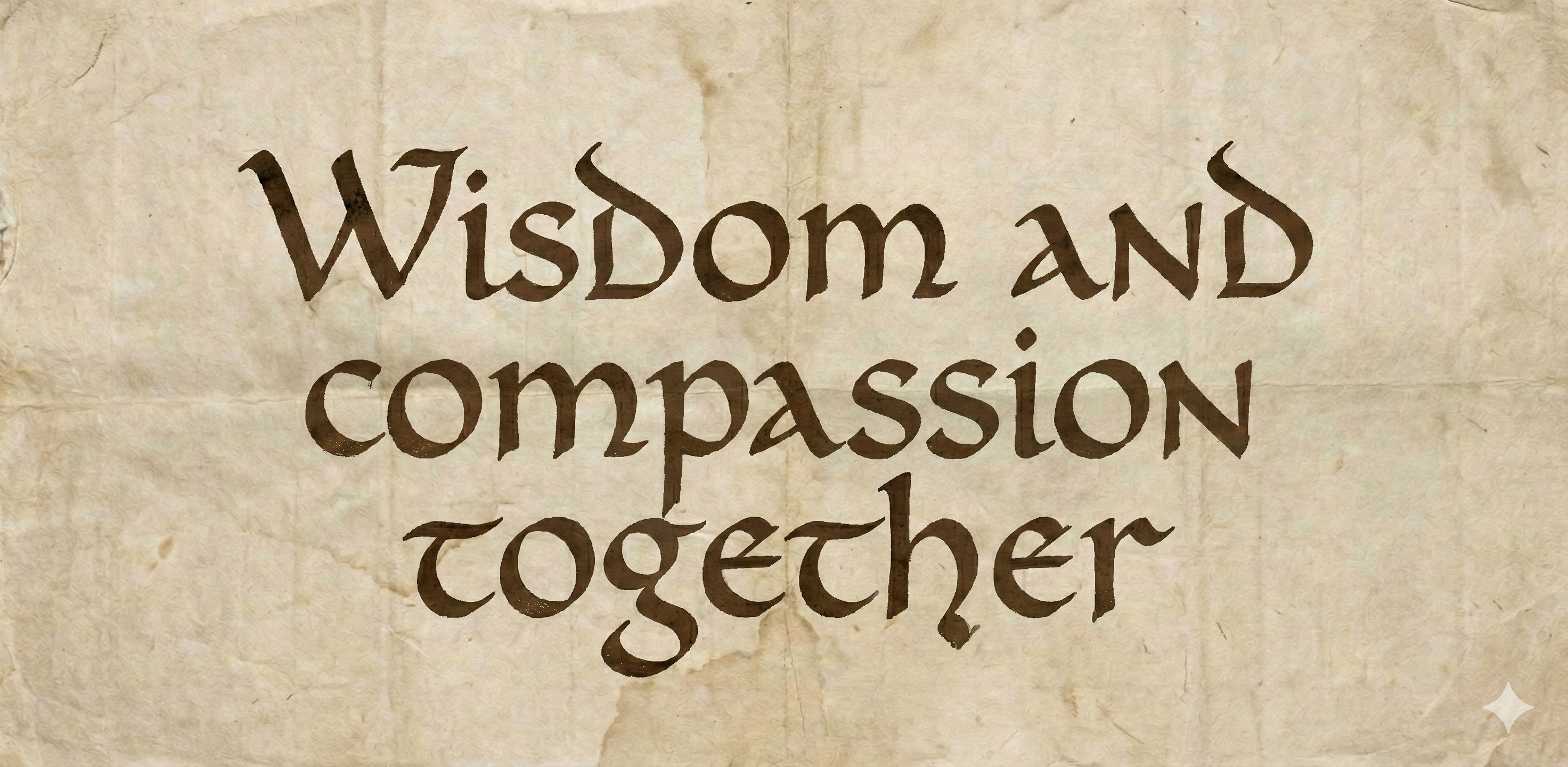
When irritability and depression are intertwined, calligraphy practice should be gentler and less stressful. Don't dictate what the child must express; simply accompany them as they complete a few steady strokes. It's already a significant achievement to sit down for even a short while when feeling down. Allow silence and slowness during practice. The handwriting doesn't need to be beautiful; what's important is that the child feels they can still do something and can still be gently supported. If they are very tired that day, shorten the time; maintaining a sense of security is more important than forcing them to finish. Just focus on calming them down.

○ Art Therapy Guidance
When irritability and depression are intertwined, drawing should be gentle and low-stress. Let children use color to express the weight of their feelings that day; don't expect them to draw brightly or feel better immediately. If the picture is dark, accept it first, rather than rushing to change it. You can also leave a small blank space to represent a place where they can rest. This exercise is not about forcing children to be optimistic, but about allowing their low mood and irritability to be seen, while reserving a little space for companionship.
Please log in before submitting your drawings and feelings.

○ Diary Healing Suggestions
Journaling Healing Suggestions: Please write down the most touching point from today's lesson. Observe whether adults are also swayed by emotions when children lose control. Then write down a small action, such as a short, reassuring sentence: "I'll make sure it's safe; let's wait and talk later." Please reduce blame and increase boundaries and companionship. If emotions escalate, please drink water and breathe before continuing. Please view this step as gentle care, not a task. It doesn't need to be complete; being truthful is enough. If you are very tired today, just writing one sentence is fine. After writing, please pause and thank yourself for being willing to face it.
Please log in to use.
May you gradually return to a more stable, clear-headed, and gentler version of yourself through today's practice.